This article contains advertising. Booking links on this site can be turned into paid links automatically by our partner Travelpayouts: if you book through one, we earn a commission from the provider, at no extra cost to you. It never affects what we recommend. Affiliate disclosure
You can cross Florence on foot in about twenty-five minutes — Brunelleschi’s Duomo to the artisan workshops of the Oltrarno, past centuries-old palazzos, big-name galleries, and trattorias that have served ribollita to the same families for generations. That compactness is exactly why where to stay in Florence shapes your trip more than almost any other decision you will make: pick the right neighbourhood and the whole city becomes your front garden. Our Florence neighbourhoods guide walks each district in turn.
Choose the wrong neighborhood and you will spend your mornings fighting through cruise-ship crowds just to grab a coffee. Choose wisely and you will wake up to church bells, step outside to a quiet piazza, and feel like you have the Renaissance capital to yourself — at least until mid-morning.
This guide is built from years of on-the-ground experience exploring Florence’s neighborhoods, testing hotels at every price point, and helping thousands of travelers find the perfect base. Whether you are a first-time visitor who wants to be steps from the Uffizi or a returning traveler looking for a quieter, more local neighborhood, this Florence hotel guide covers every angle: neighborhood personalities, realistic 2026 pricing, accommodation types, transport logistics, and insider booking strategies.
Florence’s historic center is compact — roughly 2.5 kilometers from end to end — which means every neighborhood we cover here is walkable to the major sights. The difference is not distance. It is atmosphere, price, crowd density, and quality of life during your stay. A hotel near the Duomo puts you in the thick of the action, while a room in the Oltrarno gives you a front-row seat to how Florentines actually live. Both are valid choices, and both are about 15 minutes apart on foot.
By the time you finish this guide, you will know exactly which neighborhood fits your travel style, what you should expect to pay in 2026, and how to book a room that makes your Florence trip unforgettable. Let’s dive into the best neighborhoods in Florence and find your ideal home base.
Neighbourhood choice drives everything else about your trip: staying inside the walls puts you minutes from the dome climb and evening rooftop bars, while a room across the river trades a few minutes’ walk for lower prices and the quieter streets covered in our Oltrarno neighbourhood guide.
Table of Contents
- Quick Neighborhood Comparison Table
- Centro Storico / Duomo Area
- Santa Maria Novella
- San Lorenzo
- Santa Croce & Sant’Ambrogio
- Oltrarno / Santo Spirito / San Frediano
- San Marco
- Beyond the Center: San Niccolo & Piazzale Michelangelo
- Accommodation Types in Florence
- Seasonal Price Guide & When to Book
- Getting Around from Your Hotel
- Budget Breakdown by Price Point
- Tips for Booking the Perfect Florence Stay
- Frequently Asked Questions
Quick Neighborhood Comparison Table
Before we go deep into each area, here is a side-by-side snapshot of every neighborhood worth considering when deciding where to stay in Florence. Use this table to shortlist two or three zones, then read the full profiles below.
| Neighborhood | Best For | 2026 Price Range | Walk to Duomo | Vibe |
|---|---|---|---|---|
| Centro Storico / Duomo | First-timers, sightseeing, luxury | €200–835+/night | 0–5 min | Iconic, crowded, electric |
| Santa Maria Novella | Train travelers, mid-range value, families | €130–450/night | 8–12 min | Convenient, well-connected, lively |
| San Lorenzo | Budget travelers, foodies, market lovers | €80–220/night | 5–8 min | Gritty, energetic, authentic |
| Santa Croce & Sant’Ambrogio | Nightlife, local dining, young travelers | €100–350/night | 8–15 min | Lively, residential, foodie paradise |
| Oltrarno / Santo Spirito | Repeat visitors, artisan culture, atmosphere | €110–400/night | 12–18 min | Bohemian, artsy, local |
| San Marco | Budget stays, quiet nights, culture seekers | €80–200/night | 8–12 min | Calm, academic, understated |
| San Niccolo / Piazzale Michelangelo | Couples, sunset views, runners, peace & quiet | €120–380/night | 18–25 min | Romantic, hillside, village-like |
Prices reflect typical 2026 rates for a standard double room and vary by season. Peak season (April–June, September–October) will be at the higher end; winter months offer the best value.
Centro Storico / Duomo Area: The Heart of Florence
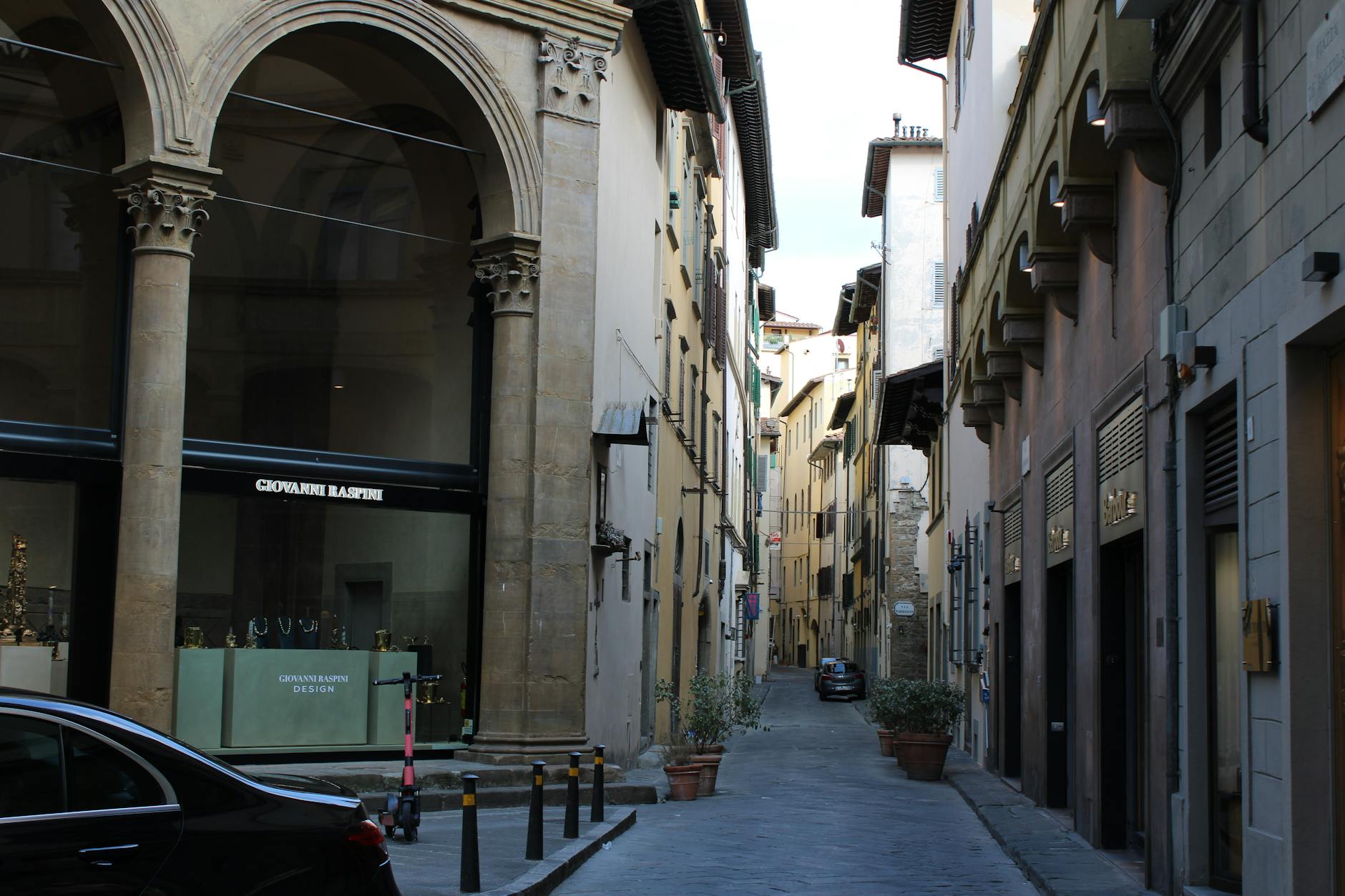
If this is your first visit to Florence and you want to be right in the middle of everything, the Centro Storico — the historic center clustered around the Duomo, Piazza della Signoria, and Ponte Vecchio — is the classic choice. This is Florence distilled: Renaissance masterpieces around every corner, gelato shops on every block, and the unmistakable dome of the cathedral presiding over it all.
What’s Nearby
- The Duomo and Baptistery — literally at your doorstep
- Uffizi Gallery — 5-minute walk from Piazza della Signoria
- Ponte Vecchio — Florence’s iconic medieval bridge
- Palazzo Vecchio — the imposing town hall
- Bargello Museum — Donatello, Michelangelo sculpture
- Piazza della Repubblica — grand cafes, street performers
- Dozens of high-end shops along Via de’ Tornabuoni and Via Roma
Pros of Staying in Centro Storico
- Unbeatable location: You can walk to every major sight in under 10 minutes.
- Iconic views: Many hotels and rentals offer Duomo views — an experience worth paying for.
- Evening atmosphere: After day-trippers leave (usually by 7 PM), the center transforms into something magical. Twilight walks through emptying piazzas are a highlight.
- Restaurant density: While you need to be selective (plenty of tourist traps), genuine gems exist — particularly on side streets east of Via dei Calzaiuoli.
Cons of Staying in Centro Storico
- Crowds: From 10 AM to 6 PM (March through October), the streets around the Duomo and Ponte Vecchio are wall-to-wall people. If you are sensitive to crowd noise, this can be exhausting.
- Prices: You will pay a premium of 30–60% over comparable accommodation in less central neighborhoods. A basic three-star room that costs €130 in San Lorenzo runs €200+ here.
- Tourist-oriented dining: Many restaurants near the Duomo cater to visitors who will never return. Quality can be inconsistent. You will eat better in the Oltrarno or Sant’Ambrogio.
- Noise: Street noise and late-night revelers can be an issue. Request upper floors and check reviews mentioning noise levels.
- ZTL (Zona a Traffico Limitato): The entire historic center is a restricted traffic zone. If you are driving, you cannot enter without a permit — and the fines are steep (€80+ per violation). Hotels can arrange temporary ZTL permits for drop-off and pick-up, but you will need to park outside the zone (expect €25–40/day for garage parking).
Who Should Stay Here
The Centro Storico is ideal for first-time visitors on a short trip (2–3 nights) who want to maximize sightseeing time, couples who want a Duomo-view room for a special occasion, and luxury travelers with the budget to book one of the area’s exceptional five-star hotels. It is also excellent for travelers with limited mobility, since the flat terrain and proximity to sights minimize walking distances.
2026 Price Guide: Centro Storico
- Budget/basic: €150–220/night (small rooms, minimal amenities, no views)
- Mid-range: €220–400/night (comfortable four-star hotels, good breakfast)
- Upscale: €400–650/night (rooftop terraces, Duomo views, boutique design)
- Luxury: €650–835+/night (five-star palazzos like the Portrait Firenze or Hotel Savoy)
Accessibility Notes
The Centro Storico’s flat streets are generally wheelchair-friendly, though cobblestones can be uneven. Most four- and five-star hotels have elevators and accessible rooms. The Duomo area has tactile paving, and major museums have improved accessibility in recent years. The main challenge is the age of the buildings — some smaller hotels in historic palazzos lack elevators or have narrow doorways. Always confirm accessibility directly with the property before booking.
Insider tip: If you book in the Centro Storico, pick a hotel on a side street rather than one directly facing the Duomo or Piazza della Signoria. You will be one minute further from the action but sleep dramatically better. Streets like Via dei Cerchi, Via delle Oche, and Borgo degli Albizi offer a quieter base while keeping you steps from everything.
Santa Maria Novella: The Smart Transit Hub
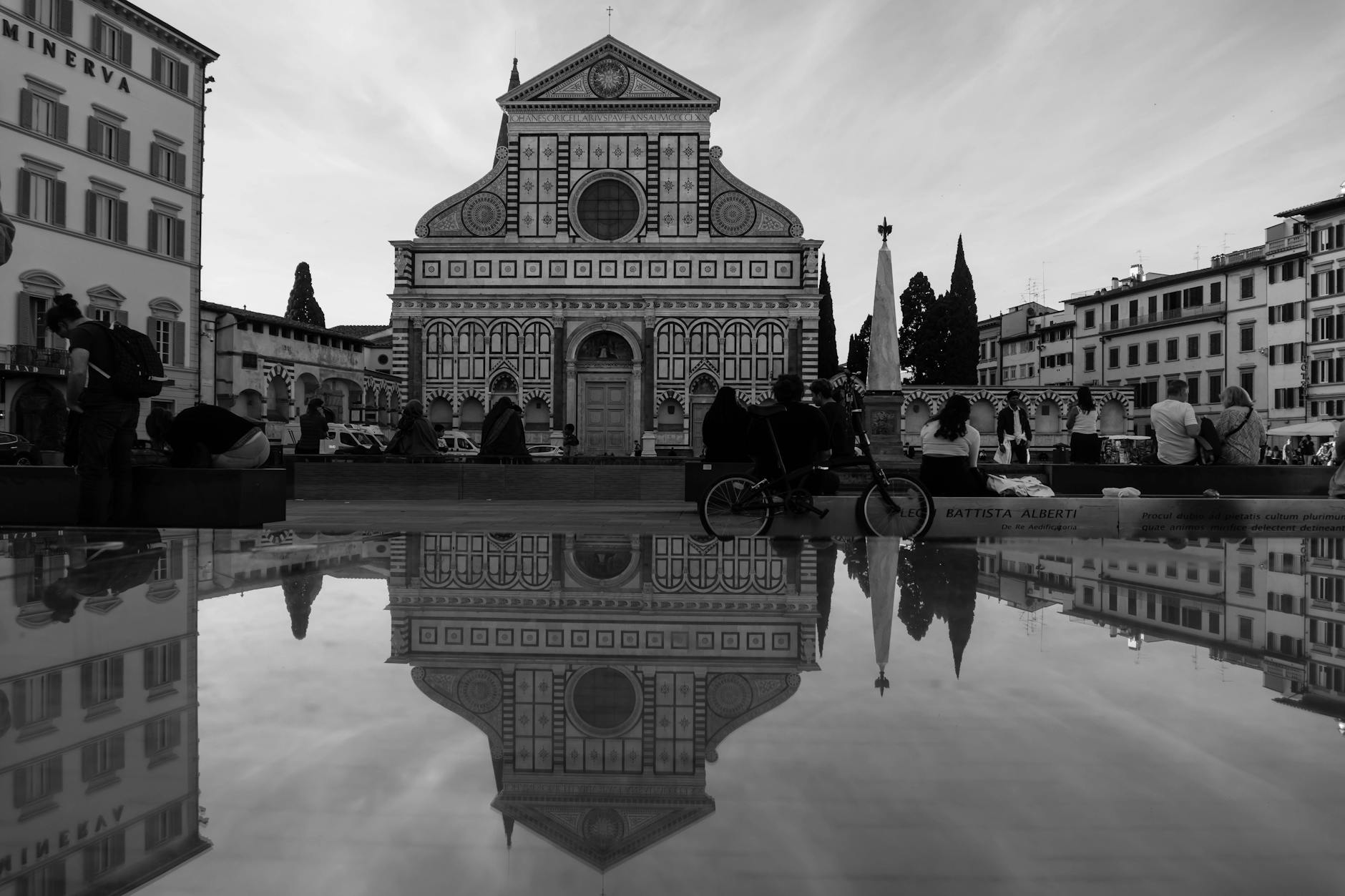
Many travelers researching where to stay in Florence dismiss the area around Santa Maria Novella train station as a generic “station district,” but that is a mistake. The neighborhood surrounding Piazza Santa Maria Novella is one of the smartest choices for where to stay in Florence, combining genuine beauty with unmatched practicality.
The piazza itself — anchored by the striking marble facade of the Basilica di Santa Maria Novella — is one of the most elegant public spaces in the city. And the streets fanning out from here hold a surprising concentration of excellent hotels, from well-run three-stars to polished luxury properties.
What’s Nearby
- Basilica di Santa Maria Novella — a masterpiece that rivals any church in Florence, with frescoes by Masaccio and Ghirlandaio
- Santa Maria Novella train station (SMN) — Italy’s rail network at your doorstep
- Officina Profumo-Farmaceutica di Santa Maria Novella — the world’s oldest pharmacy, now a must-visit perfumery
- Piazza della Repubblica — 8 minutes on foot
- The Duomo — 10–12 minutes walking
- Tram stops (T1 and T2 lines) — T1 runs to the western suburbs and Careggi, T2 to the airport
Pros of Staying Near Santa Maria Novella
- Transport connections: High-speed trains to Rome (1.5 hours), Venice (2 hours), and beyond depart from SMN station. The T2 tram runs to Florence Airport (FLR) in about 20 minutes. If you are day-tripping to Siena, Pisa, or Lucca, this is the most convenient base in the city.
- Mid-range value: You get noticeably better value than in the Centro Storico — expect to pay 15–25% less for comparable quality.
- Beautiful piazza: Piazza Santa Maria Novella is spacious, photogenic, and free of the worst crowd crush. Locals actually relax here.
- Dining improvements: Via Palazzuolo and the surrounding streets have seen a wave of quality restaurants open in recent years, plus excellent international food options.
- Walking distance to everything: Despite feeling like a separate neighborhood, you are still only 10 minutes from the Duomo and 15 from the Uffizi.
Cons of Staying Near Santa Maria Novella
- Station-area vibe: The streets immediately south and west of the station (particularly around Via Nazionale’s lower end) can feel hectic and somewhat run-down. Choose your exact street carefully.
- Some areas feel less “Florentine”: The blocks closest to the station have a more international, commercial feel. Walk two minutes toward the piazza and the atmosphere improves dramatically.
- Evening noise: Via Palazzuolo can be noisy late at night. Ask for rooms facing interior courtyards if you are a light sleeper.
Who Should Stay Here
This neighborhood is a top pick for travelers planning day trips by train, families who want a convenient base without Centro Storico prices, and anyone arriving by rail who wants to drop bags quickly. It is also excellent for travelers with heavy luggage — no cobblestone marathons from the station to your hotel.
2026 Price Guide: Santa Maria Novella Area
- Budget: €100–160/night
- Mid-range: €160–300/night
- Upscale: €300–450/night
Insider tip: The best micro-location in this neighborhood is along Via della Scala and the streets between the piazza and the Arno river (Via dei Fossi, Borgo Ognissanti). These blocks combine a quiet residential feel with easy access to both the station and the historic center. Hotels here also tend to occupy lovely historic buildings.
San Lorenzo: The Market Neighborhood
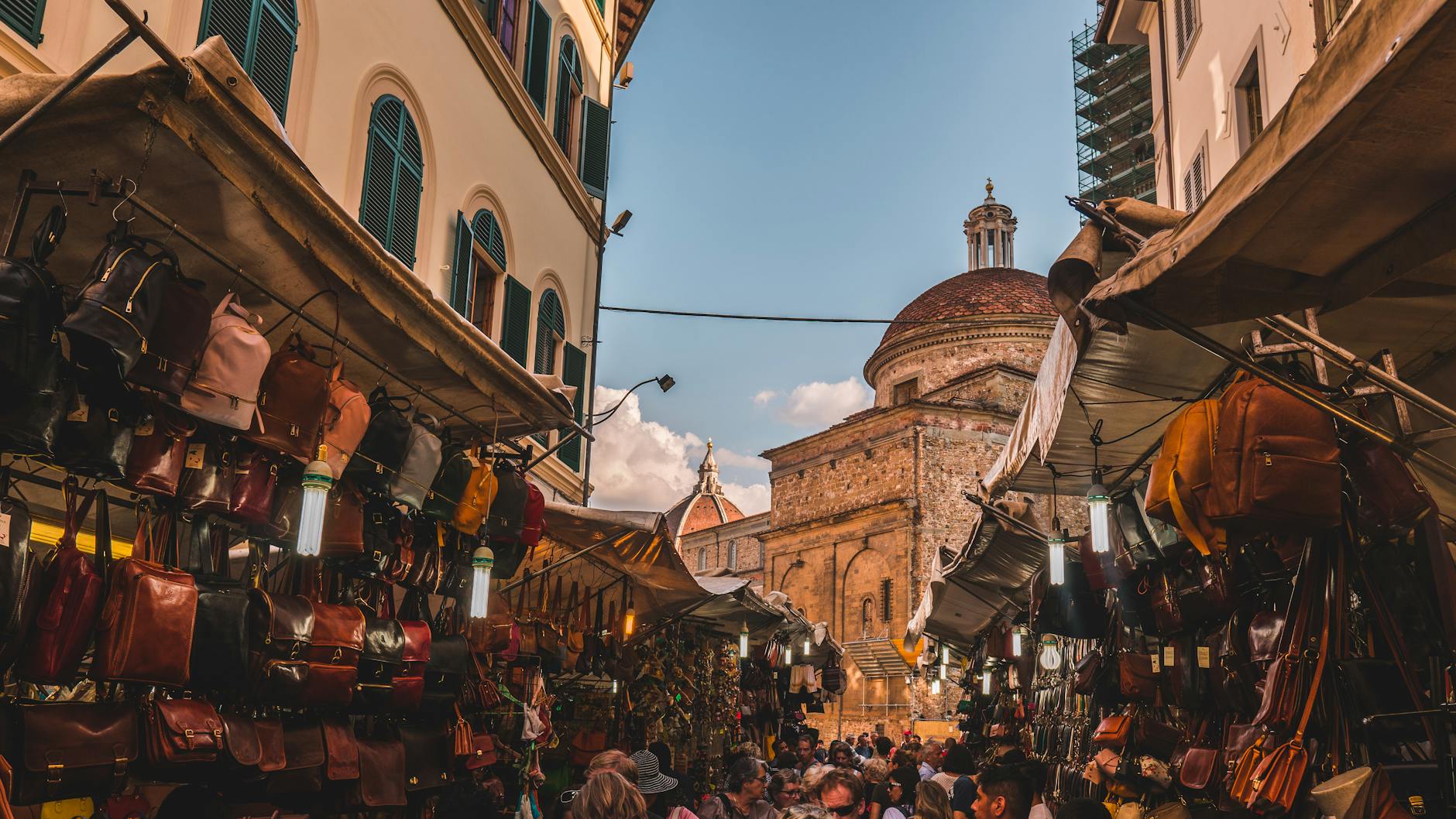
San Lorenzo is Florence’s most energetic neighborhood — a place where outdoor market stalls selling leather goods, straw hats, and “I Love Firenze” T-shirts give way to one of Italy’s greatest indoor food markets. It is not polished. It is not quiet. But for budget-conscious travelers who want to be close to the action and eat magnificently well, it is hard to beat.
The neighborhood centers on the Basilica di San Lorenzo (the Medici family’s parish church) and the sprawling Mercato Centrale, a two-story iron-and-glass market building from 1874 that now houses both a traditional ground-floor food market and a buzzy upstairs food hall with artisan stalls.
What’s Nearby
- Mercato Centrale — fresh produce below, artisan food hall above, open daily
- Basilica di San Lorenzo — Brunelleschi’s architectural gem
- Medici Chapels (Cappelle Medicee) — Michelangelo’s sculptural masterworks
- Palazzo Medici Riccardi — Benozzo Gozzoli’s dazzling Chapel of the Magi
- The Duomo — 5–8 minute walk south
- San Lorenzo outdoor market — leather goods, souvenirs (bargaining expected)
Pros of Staying in San Lorenzo
- Best budget value in the center: San Lorenzo consistently offers the lowest prices for Florence accommodation within walking distance of major sights. Solid three-star hotels start under €100/night even in shoulder season.
- Food paradise: Between the Mercato Centrale, the traditional trattorias along Via Rosina and Via Sant’Antonino, and the excellent lampredotto (tripe sandwich) carts, this is where you eat like a Florentine on a Florentine budget.
- Central location: The Duomo is a 5-minute walk. The Accademia (David) is 7 minutes. Santa Maria Novella station is 5 minutes. You are genuinely central.
- Lively atmosphere: If you enjoy the energy of a working neighborhood — market vendors shouting, espresso machines hissing, produce being unloaded at dawn — San Lorenzo delivers character in spades.
Cons of Staying in San Lorenzo
- Gritty in places: The streets around the market can feel somewhat rough, particularly at night along Via Nazionale and Via Faenza. Some travelers — especially solo female travelers — may feel less comfortable walking here after 10 PM. In practice, the area is safe, but the vibe can be off-putting.
- Street hawkers and noise: During market hours (roughly 8 AM to 7 PM), the outdoor market stalls create a chaotic atmosphere. Depending on your tolerance, this is either exciting or exhausting.
- Limited upscale options: If you are looking for luxury or boutique design hotels, San Lorenzo has fewer choices. The accommodation skews toward functional three-star hotels and budget B&Bs.
- Aesthetic limitations: While the churches and piazzas are beautiful, the average street here is not as picturesque as the Oltrarno or Centro Storico. The market stalls and souvenir shops dominate the visual landscape.
Who Should Stay Here
San Lorenzo is perfect for budget travelers, food-obsessed visitors who want to shop at the Mercato Centrale daily, and travelers who value location over aesthetics. It is also a strong choice for solo travelers who enjoy being in the middle of the action and want easy access to the train station.
2026 Price Guide: San Lorenzo
- Budget: €80–130/night
- Mid-range: €130–220/night
- Upper mid-range: €220–300/night (rare, usually boutique)
Insider tip: The streets east of Via Cavour (toward San Marco) offer San Lorenzo prices with a noticeably calmer atmosphere. Look at hotels on Via dei Servi, Via Ricasoli, or Via degli Alfani for the best of both worlds.
Santa Croce & Sant’Ambrogio: The Local’s Neighborhood
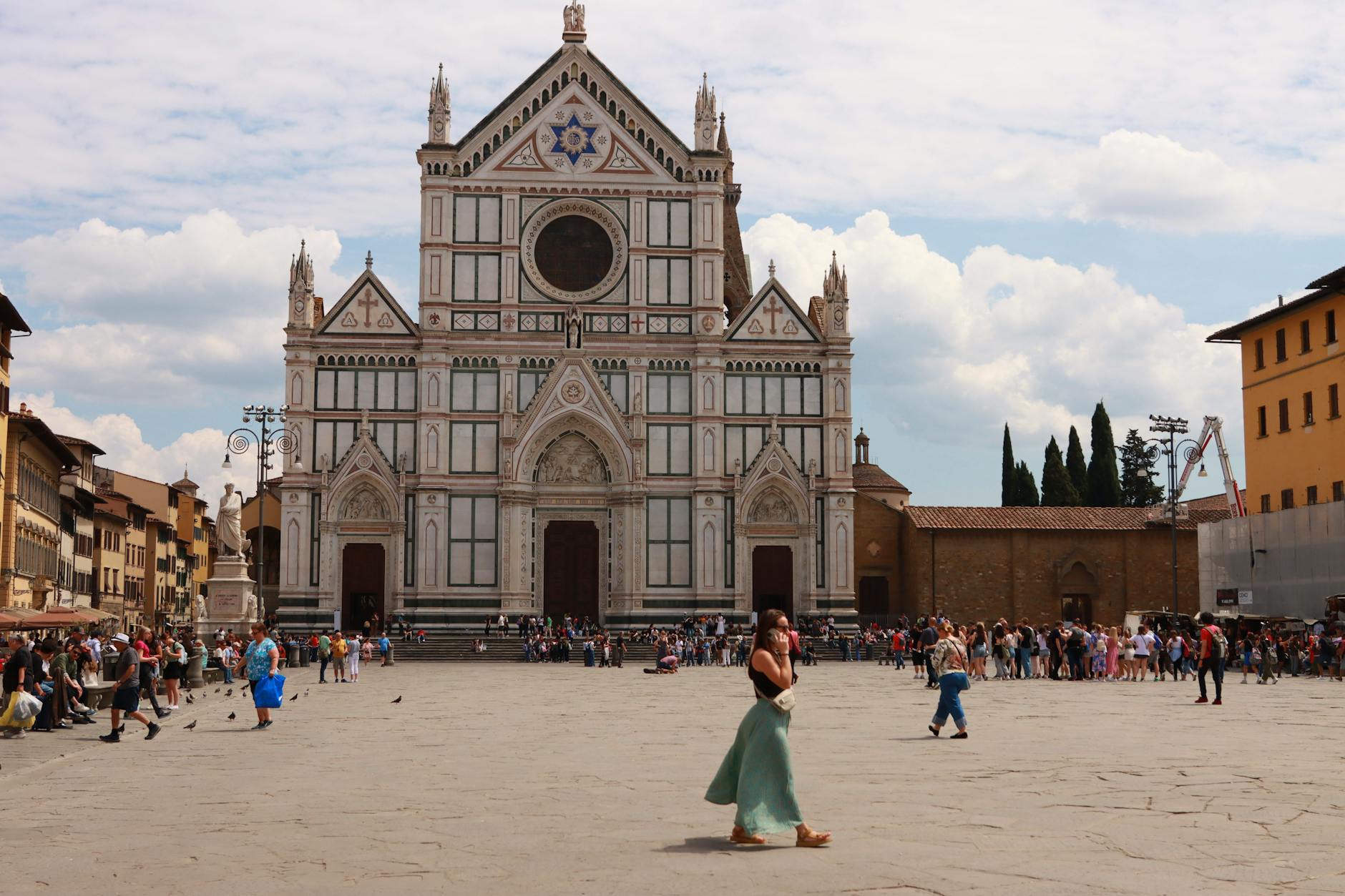
If the Centro Storico is Florence’s museum district and the Oltrarno is its workshop, then Santa Croce and neighboring Sant’Ambrogio form its living room. This is where Florentines go to eat, drink, and socialize — and where savvy travelers discover that the best parts of Florence often have nothing to do with Renaissance art.
Piazza Santa Croce is the anchor: a grand, open square dominated by the Basilica di Santa Croce, the “pantheon of Italian glories” where Michelangelo, Galileo, and Machiavelli are buried. But wander a few blocks east toward Sant’Ambrogio and the tourist infrastructure thins out entirely. Here, the morning market at Piazza dei Ciompi serves local shoppers, the restaurants serve locals first, and the aperitivo bars along Piazza Ghiberti buzz with university students and young professionals.
What’s Nearby
- Basilica di Santa Croce — tombs of Michelangelo, Galileo, Machiavelli; Giotto frescoes
- Scuola del Cuoio (Leather School) — artisan leather workshop inside the basilica complex
- Sant’Ambrogio Market — daily food market, deeply local, great prices
- Piazza dei Ciompi — antique market, bar scene
- The Uffizi — 10-minute walk
- National Library of Italy — along the Arno riverfront
- Via de’ Benci — one of Florence’s best streets for restaurants and wine bars
Pros of Staying in Santa Croce & Sant’Ambrogio
- Best dining in Florence: Serious food lovers should base themselves here. The stretch from Via de’ Benci to Piazza Ghiberti contains a staggering concentration of excellent restaurants — from classic trattorie to inventive contemporary Italian. You will find many of the restaurants recommended in our things to do in Florence guide right in this neighborhood.
- Nightlife: Santa Croce has Florence’s liveliest evening bar scene. The piazza itself hosts events throughout the year, including the historic Calcio Storico matches in June.
- Local feel: Especially in Sant’Ambrogio, you will be surrounded by residents going about daily life. The morning market, the neighborhood bakeries, the espresso bars where baristas know regulars by name — it all adds up to a more authentic experience.
- Good value: Accommodation in this zone offers a sweet spot: more character than San Lorenzo, cheaper than the Centro Storico, and more central than the Oltrarno.
- Flat and walkable: The terrain is completely flat, making it accessible and easy on the feet.
Cons of Staying in Santa Croce & Sant’Ambrogio
- Late-night noise: The bars around Piazza Santa Croce and Via de’ Benci stay lively until 1–2 AM, especially on weekends. This is the trade-off for a great nightlife neighborhood.
- Slightly further from the train station: Sant’Ambrogio is a 20-minute walk from SMN station. Not a dealbreaker, but worth noting if you are traveling with heavy luggage.
- Flood risk awareness: The Santa Croce area was the worst-affected neighborhood in the catastrophic 1966 Arno flood. While Florence’s flood defenses have improved significantly, some ground-floor apartments and hotels may have minor damp issues. Always check for rooms on upper floors in older buildings.
- Tourist-shop stretch: The streets immediately west of the piazza (Borgo dei Greci, Via dei Neri) are heavy with gelato shops and souvenir stores. The neighborhood improves as you move east.
Who Should Stay Here
Santa Croce is ideal for food lovers, nightlife seekers, and travelers who want a local experience without sacrificing central access. It is perfect for couples looking for romantic restaurant-hopping, friends traveling together, and anyone who values evening atmosphere over morning proximity to museums.
2026 Price Guide: Santa Croce & Sant’Ambrogio
- Budget: €90–150/night
- Mid-range: €150–280/night
- Upscale: €280–400/night
Insider tip: For the best of this neighborhood, look at accommodation on or near Borgo Pinti or along Via dell’Agnolo. These streets are far enough from the piazza to be quiet at night but close enough to reach everything in a few minutes. Sant’Ambrogio proper (around Piazza Ghiberti) is the sweet spot for authentic neighborhood life.
Oltrarno / Santo Spirito / San Frediano: The Artisan Quarter
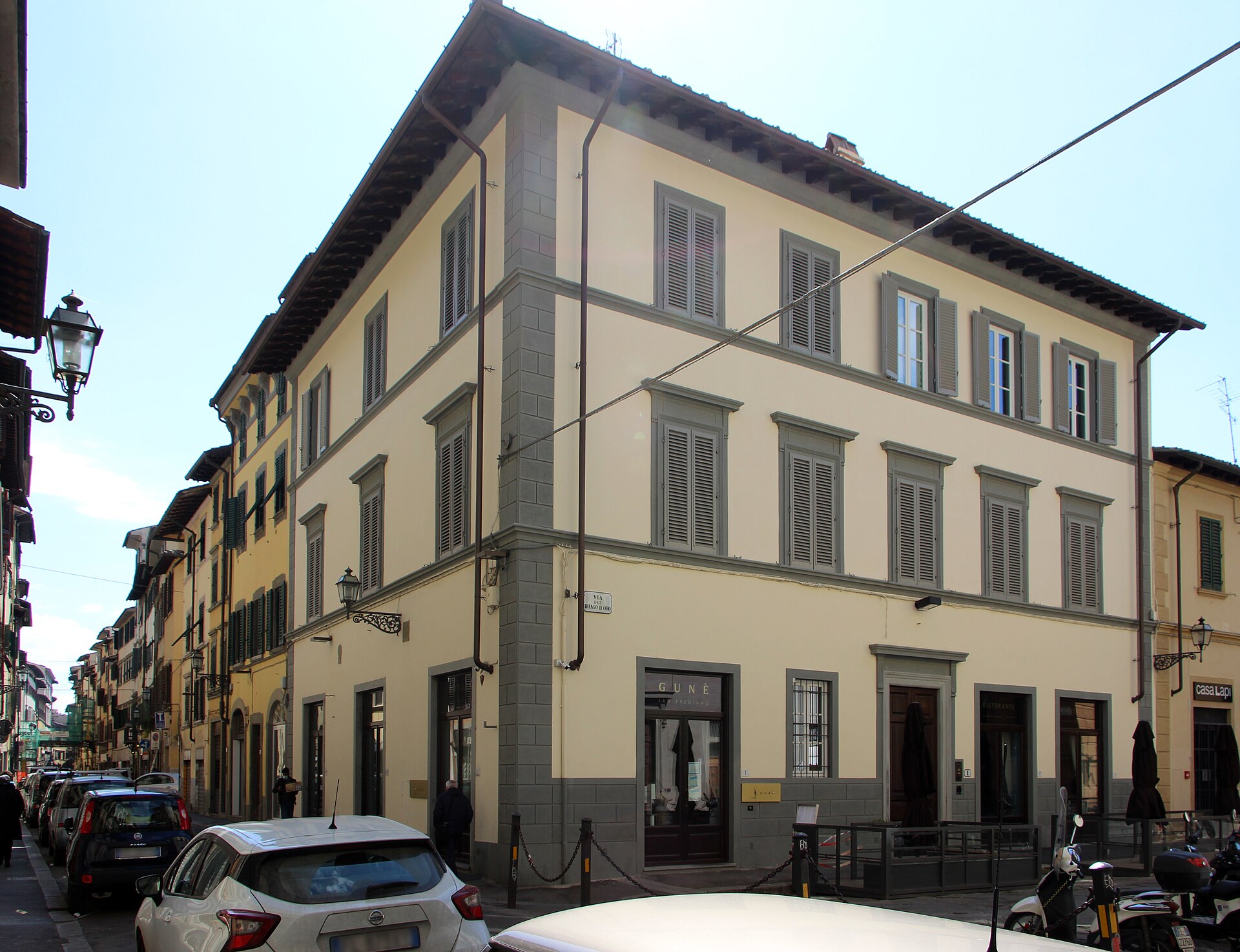
If you are still wondering where to stay in Florence and want a neighborhood with soul, cross the Arno and you enter a different city entirely. The Oltrarno — literally “beyond the Arno” — is the left bank of the river, a neighborhood that has maintained its artisan soul even as the rest of the city has gentrified around it. This is where woodworkers, goldsmiths, leather restorers, and frame-makers still ply their trades in ground-floor workshops, where the piazzas fill with locals rather than tour groups, and where the food is consistently excellent.
The Oltrarno encompasses several distinct micro-neighborhoods: Santo Spirito, centered on its namesake piazza and the Brunelleschi-designed basilica; San Frediano, the more working-class western section with bohemian bars and artisan studios; and the area around Palazzo Pitti and the Boboli Gardens.
For many repeat visitors and travel writers — us included — the Oltrarno is simply the best area to stay in Florence. It requires a minor trade-off in walking distance, but the payoff in atmosphere, food quality, and neighborhood character is immense.
What’s Nearby
- Palazzo Pitti — the massive Medici palace, home to multiple museums and galleries
- Boboli Gardens — more than 33 hectares of Renaissance gardens
- Piazza Santo Spirito — the Oltrarno’s social hub, ringed by trattorias and bars
- Basilica di Santo Spirito — Brunelleschi’s most harmonious interior, plus a hidden Michelangelo crucifix
- Brancacci Chapel — Masaccio’s revolutionary frescoes
- Piazzale Michelangelo — a 20-minute uphill walk for the greatest panoramic view of Florence
- Via Maggio and Via Santo Spirito — antique shops and small galleries
- Artisan workshops — bookbinders, jewelers, mosaic makers open to visitors along Via di Santo Spirito, Borgo San Frediano, and Sdrucciolo de’ Pitti
Pros of Staying in the Oltrarno
- Best food in Florence: This is not an exaggeration. The Oltrarno has Florence’s highest concentration of genuinely excellent restaurants per square meter. From neighborhood trattorias that have not changed their menus in decades to creative modern Italian, the dining here is outstanding. The best restaurants attract locals, which keeps quality high and prices reasonable.
- Artisan character: Watching a craftsman hand-gild a picture frame in a workshop that has been there for three generations — that is an experience you cannot replicate in a museum. The Oltrarno’s artisan culture is living heritage.
- Piazza Santo Spirito: One of Florence’s most beloved squares. Morning farmers’ market, afternoon aperitivo on sun-warmed benches, evening dining at outdoor tables. The rhythm of life here is worth the price of admission.
- Better value: Hotels and apartments in the Oltrarno are typically 20–30% cheaper than equivalent properties across the river, partly because some travelers mistakenly think “across the river” means far away. It does not — Ponte Vecchio is a 5-minute walk from Santo Spirito.
- Quieter mornings: Tour groups rarely cross the Arno before noon. Your mornings in the Oltrarno will be peaceful.
- Sunset access: You are on the right side of the river for the walk up to Piazzale Michelangelo or the San Miniato church — two of the greatest sunset spots in all of Italy.
Cons of Staying in the Oltrarno
- Further from the Duomo and Uffizi: It is a 12–18 minute walk to the Duomo, depending on exactly where you are. For first-time visitors trying to hit every museum, those extra minutes add up.
- Santo Spirito nightlife noise: Piazza Santo Spirito attracts a younger crowd and the bars can be loud on weekend nights. If you are staying directly on the piazza, expect noise until midnight or later. Nearby side streets are much quieter.
- Fewer luxury hotels: The Oltrarno has excellent boutique hotels and B&Bs but fewer five-star luxury options compared to the Centro Storico.
- Hilly in parts: The terrain slopes upward as you move south toward Boboli Gardens and Piazzale Michelangelo. While the main piazzas are flat, some streets involve hills. This can be challenging for travelers with mobility issues.
- More limited late-night dining: While the restaurant scene is superb, the Oltrarno is quieter later at night than Santa Croce. Most restaurants close by 10:30–11 PM.
Who Should Stay Here
The Oltrarno is perfect for repeat visitors to Florence who want to go deeper, food lovers, art and design enthusiasts, couples seeking atmosphere, and anyone who values neighborhood charm over tourist convenience. It is also a fantastic choice for longer stays (4+ nights), as the local feel makes it easy to settle in.
2026 Price Guide: Oltrarno / Santo Spirito
- Budget: €90–150/night
- Mid-range: €150–280/night
- Upscale/Boutique: €280–450/night
Insider tip: The micro-neighborhood of San Frediano (specifically the streets around Piazza del Carmine and Borgo San Frediano) is the Oltrarno’s best-kept secret. It is where local Florentines actually choose to live, the bars are eclectic and fun, and the accommodation is often cheaper than in Santo Spirito proper. The Brancacci Chapel, with its Masaccio frescoes, is right here — and it receives a fraction of the Uffizi’s visitors.
San Marco: The Quiet Culture Hub
Nestled between the Accademia Gallery (home of Michelangelo’s David) and the University of Florence, San Marco is the neighborhood that most tourists walk through without realizing it is a neighborhood at all. That is precisely its charm. San Marco offers a genuinely tranquil base within easy walking distance of Florence’s most visited museum, at prices that make budget travelers smile.
What’s Nearby
- Galleria dell’Accademia — Michelangelo’s David, 3 minutes on foot
- Museum of San Marco — Fra Angelico’s beautiful frescoes in a former Dominican convent (one of Florence’s most underrated museums)
- Piazza della Santissima Annunziata — often called Florence’s most beautiful square, with Brunelleschi’s foundling hospital
- University of Florence — gives the area a youthful energy
- Giardino dei Semplici — one of Europe’s oldest botanical gardens
- The Duomo — 8–12 minute walk south
Pros of Staying in San Marco
- Quiet evenings: After the Accademia closes, the neighborhood empties out. Streets are calm, and you will sleep well.
- Budget-friendly: Hotels and B&Bs here are among the most affordable in the center, competing with San Lorenzo for the best value in Florence accommodation.
- University atmosphere: The student population supports affordable cafes, bookshops, and casual restaurants that do not cater to tourists.
- Piazza SS. Annunziata: If you appreciate architecture, this is arguably the most perfectly proportioned piazza in Florence — and you can have it largely to yourself on a weekday morning.
- Easy access to “the David”: If seeing Michelangelo’s masterpiece is high on your list, staying in San Marco means you can be at the Accademia door before the crowds arrive.
Cons of Staying in San Marco
- Limited dining and nightlife: This is not a neighborhood for foodies or night owls. Restaurant options are fewer and generally less exciting than Santa Croce or the Oltrarno.
- Less atmospheric: San Marco does not have the artisan charm of the Oltrarno or the grandeur of the Centro Storico. The streets are pleasant but not particularly memorable.
- Fewer hotels to choose from: The hotel density is lower here, which can limit options during peak season.
- Uphill toward the north: The terrain rises gently toward Piazza San Marco. It is not steep, but it is noticeable when walking back from the center.
Who Should Stay Here
San Marco is excellent for budget travelers who want peace and quiet, art history students or enthusiasts (the Museum of San Marco alone is worth a neighborhood stay), older travelers who prefer a calm base, and anyone visiting the Accademia multiple times or taking art courses at the university.
2026 Price Guide: San Marco
- Budget: €80–120/night
- Mid-range: €120–200/night
- Upper mid-range: €200–300/night (rare)
Insider tip: Via dei Servi — the straight street connecting Piazza SS. Annunziata to the Duomo — is one of the most elegant residential streets in Florence. It is lined with handsome palazzi, has a handful of excellent restaurants and cafes, and gives you a perfect daily “commute” to the historic center with a view of Brunelleschi’s dome framed at the end of the street. A hotel on Via dei Servi is a genuinely smart choice.
Beyond the Center: San Niccolo & Piazzale Michelangelo Area
For travelers who want to wake up to that view — the one on every postcard, every Instagram reel, every “why I love Florence” article — the hillside neighborhoods south of the Arno offer something no city-center hotel can match. San Niccolo, the small neighborhood tucked at the base of the hill leading up to Piazzale Michelangelo, is the most practical option in this zone.
What’s Nearby
- Piazzale Michelangelo — the most famous viewpoint in Florence, a 10–15 minute uphill walk
- Basilica di San Miniato al Monte — a Romanesque masterpiece with even better views than the piazzale (and far fewer people)
- Giardino delle Rose — the Rose Garden, free to visit, gorgeous in May
- Porta San Niccolo — the tallest surviving gate in Florence’s medieval walls
- Small local bars and restaurants — Via di San Niccolo is a charming, low-key dining street
- The Arno riverside walk — a peaceful path into the city center
Pros of Staying in San Niccolo
- Views: Several hotels and rental apartments in this area offer jaw-dropping panoramic views of the city. Waking up to the entire Florence skyline is unforgettable.
- Romance factor: If you are celebrating an anniversary or honeymoon, few neighborhoods in Italy can match the romantic appeal of a hillside room overlooking Florence at sunset.
- Village atmosphere: San Niccolo feels like a tiny village that happens to be attached to a great city. The streets are narrow and quiet, the piazzetta has a single excellent bar, and everyone seems to know everyone.
- Running and walking: The hilly terrain and access to green spaces (Boboli Gardens, Rose Garden) make this area ideal for runners and walkers.
- Surprisingly affordable: Because most tourists want city-center convenience, hillside accommodation often costs less than you would expect given the views on offer.
Cons of Staying in San Niccolo / Piazzale Michelangelo Area
- Distance: The Duomo is an 18–25 minute walk (depending on how far up the hill you are), and much of the return trip is uphill. After a full day of sightseeing, that walk home can feel long.
- Limited public transport: Bus 13 connects Piazzale Michelangelo to the center, but service is infrequent (every 20–30 minutes) and crowded during sunset hours.
- Hills: This area is definitively not suitable for travelers with mobility issues unless you are staying at the base of the hill in San Niccolo proper (which is flat).
- Fewer dining options: Via di San Niccolo has a handful of good restaurants, but the selection is limited compared to any city-center neighborhood.
- Fewer hotel options: Most accommodation here is in rental apartments or small B&Bs rather than full-service hotels.
Who Should Stay Here
San Niccolo is tailor-made for couples seeking romance, photographers, travelers on a second or third visit who have already checked off the major sights, and anyone who values peaceful surroundings and panoramic views over convenience. It is also a smart pick for longer stays where you have time to stroll into the center rather than rush.
2026 Price Guide: San Niccolo Area
- Budget: €90–140/night
- Mid-range: €140–250/night
- Upscale (with views): €250–400/night
Insider tip: The tiny Piazza Demidoff, right on the Arno in San Niccolo, is a lovely spot for evening drinks. And the walk along Lungarno Serristori — the riverside street connecting San Niccolo to Ponte Vecchio — is one of the most beautiful evening strolls in the city, with the lit-up historic center reflected in the river.
Accommodation Types in Florence: Hotels, B&Bs, Apartments & More
Deciding where to stay in Florence is not just about picking a neighborhood on a map — it is also about choosing the right type of accommodation. Florence offers an unusually rich variety, from palatial five-star hotels in Renaissance buildings to cozy family-run B&Bs and fully equipped apartments. Here is how each option stacks up.
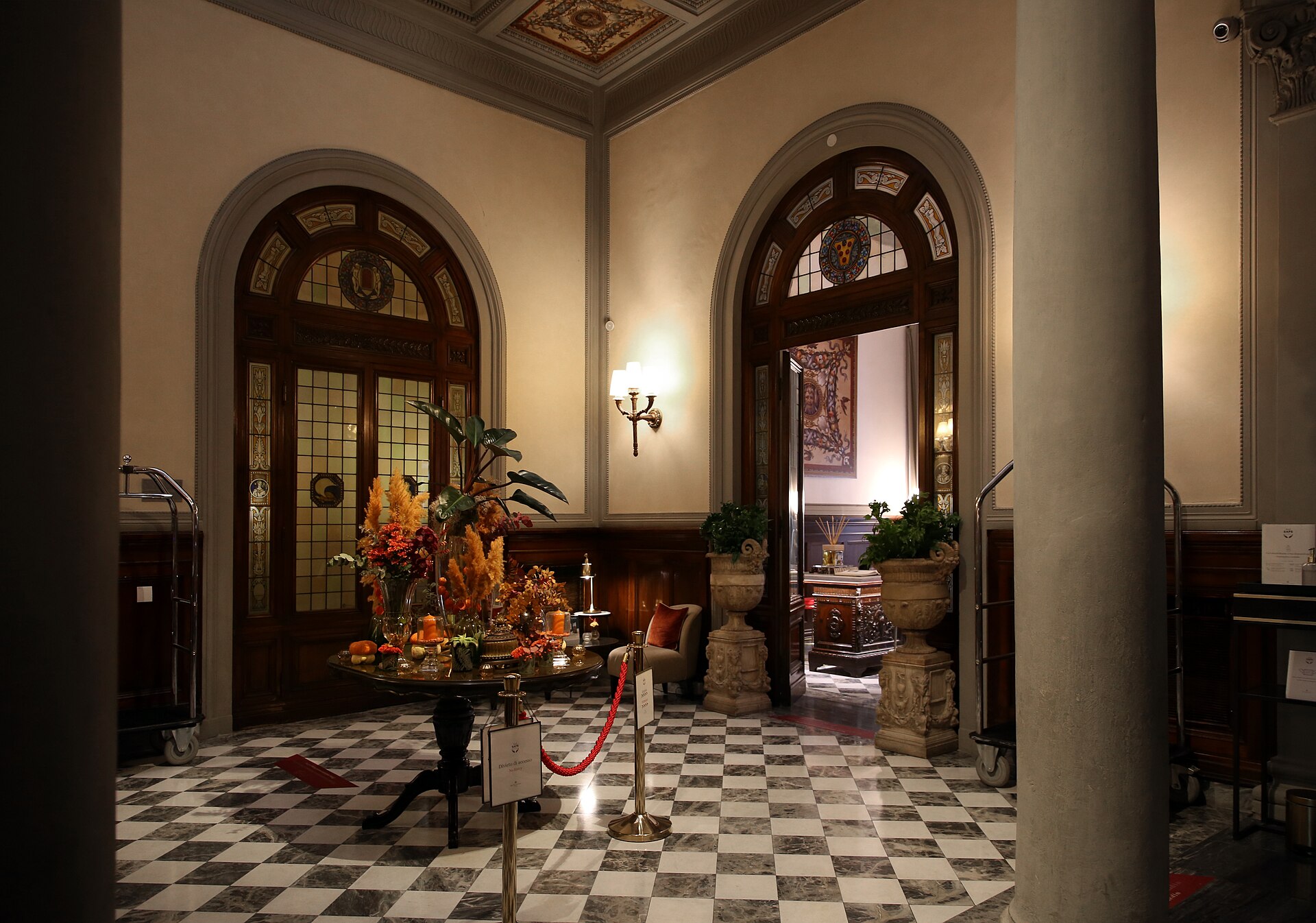
Hotels (1-Star to 5-Star)
Florence has over 400 hotels, ranging from humble one-star pensioni to world-famous luxury properties. Italian hotel star ratings are government-regulated and based on facilities (room size, elevator, air conditioning) rather than service quality, so a charming three-star can be more enjoyable than a sterile four-star.
- Best for: Travelers who want daily housekeeping, reception desk assistance, and a consistent standard of service.
- Typical cost: Three-star €100–200/night, four-star €180–400/night, five-star €400–835+/night.
- Tip: In Florence, “boutique hotel” often means a converted palazzo with 15–30 rooms, original frescoes on the ceilings, and personalized service. These are frequently the best value in the four-star category.
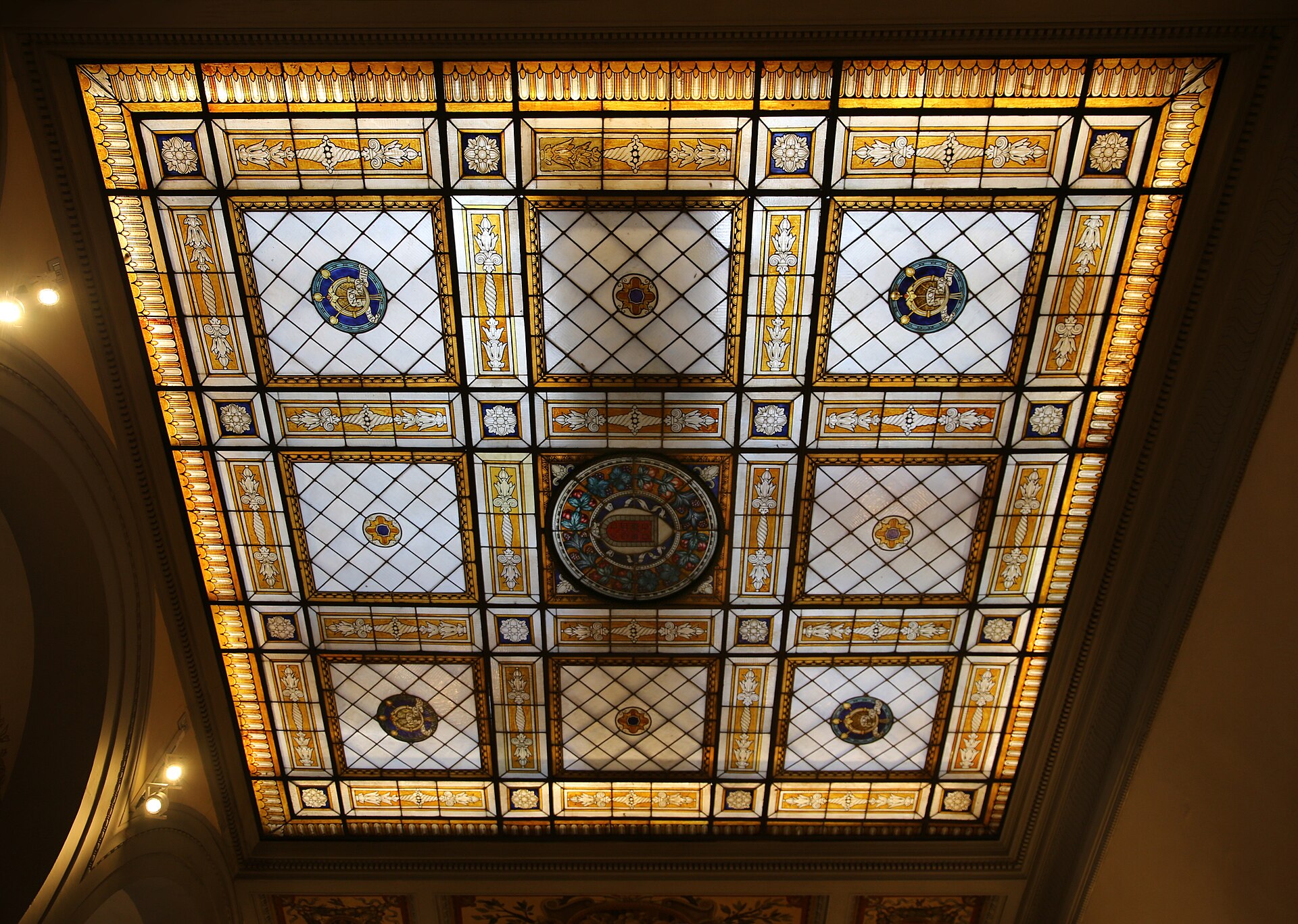
B&Bs and Guesthouses (Affittacamere)
B&Bs are enormously popular in Florence and often represent the best value in the city. The Italian B&B model typically means a few rooms in a private apartment or small building, run by an owner who may or may not live on-site. Breakfast is usually included (sometimes continental, sometimes a voucher for a nearby bar — the latter is often better).
- Best for: Budget-conscious travelers who appreciate personal touches, local recommendations from the owner, and a homey atmosphere.
- Typical cost: €80–180/night.
- Tip: Italian “affittacamere” (room rentals) function like B&Bs but may not include breakfast. Check the listing carefully.
Apartments and Vacation Rentals
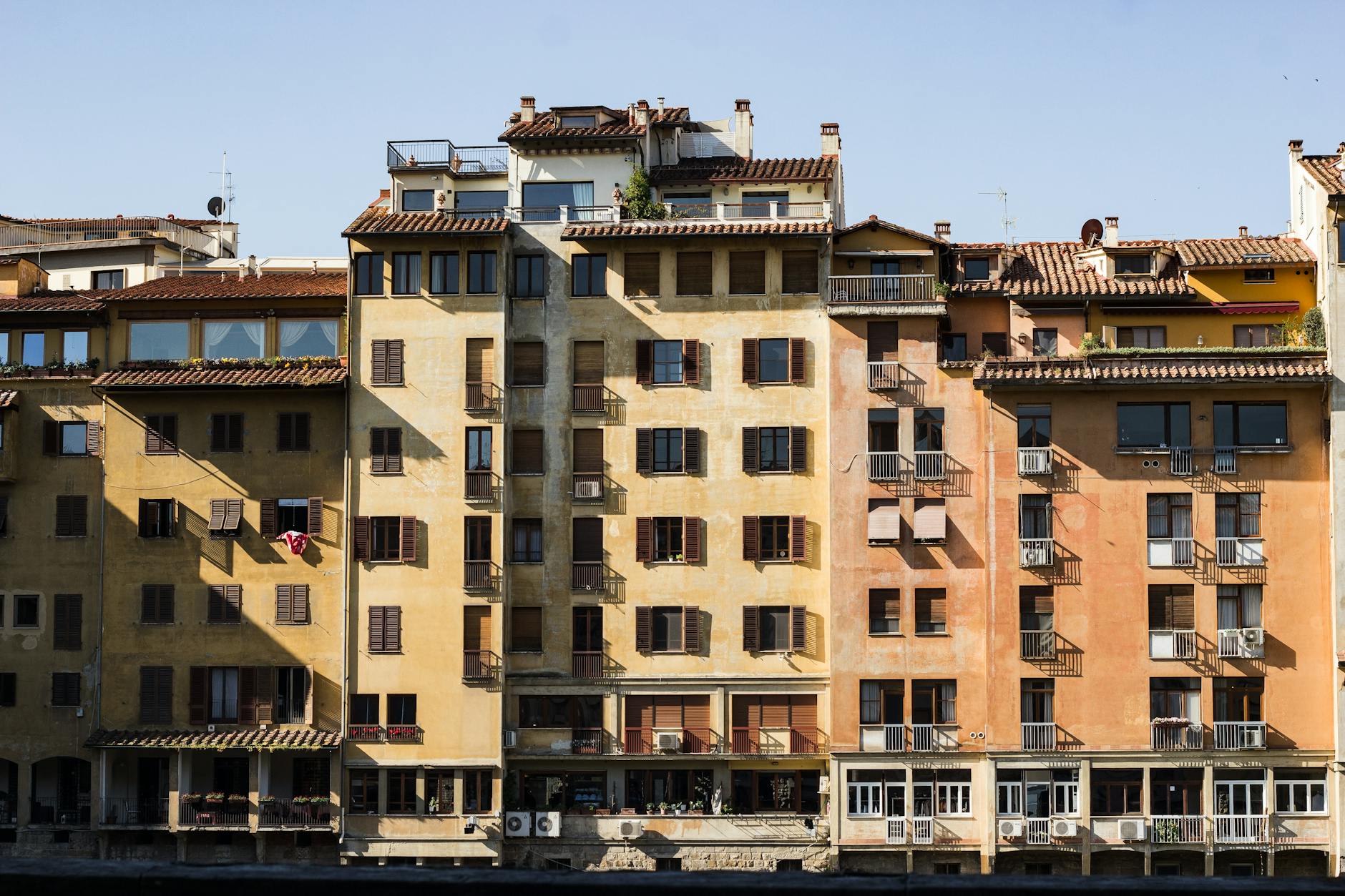
For stays of four nights or longer, a rental apartment in Florence can be transformative. Having your own kitchen means you can shop at the Mercato Centrale or Sant’Ambrogio market and cook with ingredients you will not find at home. Having a living room means you have space to decompress. And having a washing machine means you can pack lighter.
- Best for: Families, groups, longer stays, travelers who want to cook, and anyone who values space and independence.
- Typical cost: €100–300/night for a one-bedroom; €150–450/night for a two-bedroom. Prices drop significantly for weekly stays.
- Platforms: Booking.com, Vrbo, and specialist agencies like Windows on Italy or Florence for You. Airbnb operates in Florence but faces ongoing regulatory changes — verify that your listing has a valid Florence city registration number (CIR code) before booking.
- Important note: Florence has implemented tourist tax regulations for short-term rentals. As of 2026, guests pay a city tax per person per night (up to a maximum of 7 nights). This is charged separately from the rental price.
Agriturismos (Countryside Farm Stays)
While not technically “in” Florence, agriturismos — farm stays in the Tuscan countryside — deserve mention because they offer an entirely different experience. Properties in the hills of Fiesole, Bagno a Ripoli, or Impruneta put you 15–30 minutes from the city center by car or bus, surrounded by olive groves and vineyards.
- Best for: Travelers with a rental car, families who want a pool, couples seeking countryside romance, and anyone splitting their trip between Florence and the Tuscan countryside.
- Typical cost: €120–300/night, often including breakfast with farm-produced food.
- Trade-off: You will need a car or reliable bus connection, and evenings in the city require planning for the return trip. But waking up to rolling Tuscan hills with a pool and a home-cooked breakfast is hard to argue against.
Residenze d’Epoca (Historic Residences)
A uniquely Italian category, residenze d’epoca are officially designated historic properties — often aristocratic palazzos or villas — that have been converted into accommodation while maintaining their original architectural character. Florence has dozens of these, and they offer an experience that no modern hotel can replicate: sleeping in a room with 16th-century frescoes, original marble fireplaces, and antique furnishings.
- Best for: History lovers, special occasions, travelers who want a one-of-a-kind experience.
- Typical cost: €200–600/night.
When Each Accommodation Type Makes Sense
| Your Situation | Best Accommodation Type | Why |
|---|---|---|
| Weekend trip (2–3 nights) | Hotel or boutique hotel | Convenience, breakfast included, no check-in coordination |
| Week-long stay | Apartment | Kitchen, space, cost savings on longer stays |
| Family with kids | Apartment or agriturismo | Space, kitchen for snacks/meals, agriturismo pools |
| Romantic trip | Boutique hotel or residenza d’epoca | Atmosphere, special details, no cooking needed |
| Budget trip | B&B or basic hotel | Lowest nightly rate, breakfast often included |
| Tuscany road trip with Florence stop | Agriturismo + 1–2 nights city hotel | Best of both worlds; avoid city parking hassle |
Seasonal Price Guide & When to Book for 2026
Timing is everything when deciding where to stay in Florence and booking Florence Italy hotels. The difference between peak season and low season can be dramatic — we are talking 40–60% swings in nightly rates for the exact same room. Understanding Florence’s pricing calendar is one of the most powerful money-saving tools available to you.
Month-by-Month Pricing Overview (2026)
| Month | Season | Avg. Mid-Range Rate | Crowd Level | Notes |
|---|---|---|---|---|
| January | Low | €100–160 | Very low | Post-holiday quiet; some attractions on reduced hours. Cold but atmospheric. Best prices of the year. |
| February | Low | €100–170 | Low | Valentine’s week slightly higher. Carnival events add interest. |
| March | Shoulder | €140–220 | Moderate | Spring begins. Prices rise mid-month. Easter (April 5, 2026) period starts at month’s end. |
| April | Peak | €200–320 | High | Easter week is one of the busiest periods. Scoppio del Carro (Easter explosion of the cart) is unmissable. Book 3–4 months ahead. |
| May | Peak | €220–350 | High | Perfect weather. Among the highest prices of the year. Maggio Musicale Fiorentino festival. |
| June | Peak | €220–350 | Very high | Calcio Storico (June 10, 24 + final) — Florence’s brutal historic football in Piazza Santa Croce. Hotels near Santa Croce sell out for match days. The Festa di San Giovanni (June 24, city patron saint) adds fireworks and festivities. |
| July | High | €180–300 | High | Hot (often 35°C+). Many Italians leave cities. Slightly lower rates than May/June despite heat. AC is essential. |
| August | Mixed | €160–260 | Moderate | Mid-August (Ferragosto, Aug 15) sees some shops close. International tourists present, but Florentines depart. Oppressively hot, but prices dip. |
| September | Peak | €200–330 | High | Arguably the best month to visit. Warm but not brutal, city fully alive. Prices reflect this. |
| October | Shoulder/Peak | €170–280 | Moderate-High | Beautiful autumn light. Prices ease in second half. Tuscan harvest season (wine, olive oil) adds appeal. |
| November | Low | €100–170 | Low | Rain is common, but museums are blissfully uncrowded. Excellent value. |
| December | Low/Medium | €120–220 | Low-Moderate | Christmas markets, holiday atmosphere. Rates spike for Christmas/New Year’s week (€250–400+), but early December is excellent value. |
The Shoulder Season Sweet Spot
The single best strategy for value-conscious travelers deciding where to stay in Florence is to target the shoulder seasons: late March (pre-Easter), late October, and November. During these windows, you get:
- Mid-range hotel rates that are 30–40% below peak
- Shorter museum queues (or none at all)
- Restaurant availability without reservations
- Cooler, more comfortable walking weather
- A more local atmosphere as the tourist infrastructure relaxes
2026 Events That Affect Hotel Availability
Several events in 2026 will cause price spikes and limited availability in specific neighborhoods. Plan accordingly:
- Easter Week (March 30 – April 6, 2026): One of the busiest weeks of the year. The Scoppio del Carro (Explosion of the Cart) on Easter Sunday draws massive crowds to the Duomo area. Book 3–4 months in advance.
- Maggio Musicale Fiorentino (May–June): Florence’s premier performing arts festival. Opera lovers flock to the city, and hotels throughout the center fill up.
- Calcio Storico (June 10, 24, + final): The historic football matches in Piazza Santa Croce cause localized hotel sellouts, especially in the Santa Croce neighborhood. If you want to attend, book your accommodation as soon as match dates are confirmed.
- Festa di San Giovanni (June 24): Florence’s patron saint day includes fireworks over the Arno. Hotels with river views charge premium rates.
- Pitti Immagine fashion weeks (January and June): These trade shows near Palazzo Pitti bring thousands of fashion industry professionals. Hotels in the Oltrarno and Centro Storico fill up, and rates jump 20–30%.
How Far in Advance Should You Book?
- Peak season (April–June, September–October): Book 3–6 months ahead for the best selection at reasonable prices. The most popular boutique hotels and apartments sell out even earlier.
- Shoulder season (March, late October, November): 1–3 months ahead is usually sufficient. Last-minute deals are possible.
- Low season (January–February, mid-July, August, December except holidays): 2–4 weeks ahead is often fine. You may find excellent last-minute rates.
- Christmas/New Year’s: Despite being “low season” otherwise, the holiday week commands peak prices. Book 2–3 months ahead.
Getting Around from Your Hotel
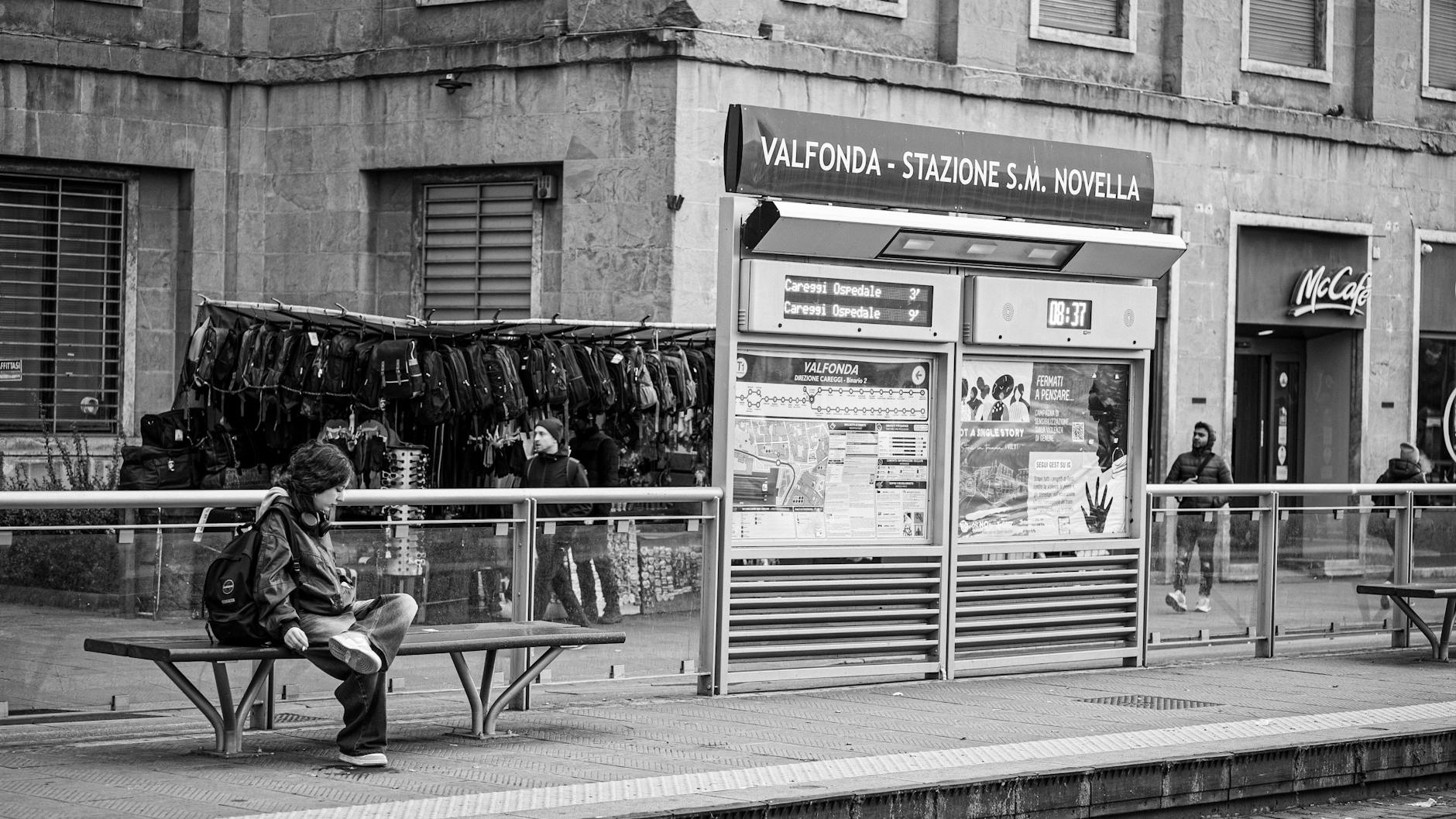
One of the best things about choosing where to stay in Florence is that the city’s compact size makes transport relatively simple. But understanding the options will save you time, money, and frustration — especially when it comes to the notorious ZTL.
Walking: Your Primary Mode of Transport
Florence is fundamentally a walking city. The entire historic center is roughly 2.5 km across, which means the furthest walk between any two neighborhoods in this guide is about 25 minutes. For most visitors, walking is the fastest, most pleasant, and cheapest way to get everywhere.
Approximate walking times from each neighborhood to key landmarks:
| From | To Duomo | To Uffizi | To SMN Station | To Accademia | To Palazzo Pitti |
|---|---|---|---|---|---|
| Centro Storico | 2–5 min | 5–8 min | 10–15 min | 8–10 min | 12–15 min |
| Santa Maria Novella | 8–12 min | 12–15 min | 1–5 min | 12–15 min | 15–20 min |
| San Lorenzo | 5–8 min | 10–15 min | 5–8 min | 5–8 min | 15–20 min |
| Santa Croce | 8–12 min | 5–10 min | 15–20 min | 12–15 min | 15–18 min |
| Oltrarno | 12–18 min | 10–15 min | 15–20 min | 18–22 min | 2–8 min |
| San Marco | 8–12 min | 12–18 min | 12–15 min | 2–5 min | 20–25 min |
| San Niccolo | 18–25 min | 15–20 min | 25–30 min | 22–28 min | 10–15 min |
Autolinee Toscane Buses
Florence’s bus system, run by Autolinee Toscane (formerly ATAF), is useful for reaching outlying areas and connecting to Piazzale Michelangelo (bus 13), Fiesole (bus 7), and the outskirts. Within the historic center, buses are rarely faster than walking due to one-way systems and traffic.
- Single ticket: €2.00 (90 minutes, valid for transfers). Buy from tabacchi shops, newsstands, or the Autolinee Toscane app.
- 10-ride carnet: €18.20 — worthwhile if you plan several trips.
- On-board purchase: €3.00 from the driver (cash only) — avoid this by buying in advance.
- Validate your ticket: You must stamp your ticket in the machine on the bus. Inspectors check regularly, and the fine starts at €40 plus €3 costs if paid within 15 days.
Tram (Tramvia)
Florence’s modern tram network has expanded in recent years. The most useful line for tourists:
- T1 (Villa Costanza – Careggi): Connects the city center (stops at SMN station and Piazza dell’Unita) with suburbs and provides a link to park-and-ride lots.
- T2 (Aeroporto – city center): Connects Florence Airport (FLR/Peretola) to the city center in about 20 minutes. This is the best way to reach the center from the airport — €2.00 for an ordinary city ticket.
The ZTL: What Every Driver Must Know
The Zona a Traffico Limitato (ZTL) is Florence’s restricted traffic zone covering the entire historic center. Understanding the ZTL is essential if you are arriving by car or planning to rent one.
- Active hours: Monday–Friday 7:30 AM–8:00 PM, Saturday 7:30 AM–4:00 PM (hours can vary — check the latest). Some ZTL cameras operate 24/7 in the most restricted zones (particularly around Piazza del Duomo).
- Enforcement: Cameras photograph every vehicle entering the zone. If your license plate is not registered, you will receive a fine — typically €80–100 per violation, and each camera you pass counts as a separate violation. Rental car companies add an administrative fee on top.
- Hotel access: If your hotel is inside the ZTL, they can register your license plate temporarily for arrival and departure. You must contact the hotel before arriving and provide your plate number. Do not simply drive in and hope for the best.
- Parking: Once you reach your hotel, you will need to park outside the ZTL. The most convenient garages are Garage Palazzo Vecchio (centro), Garage Porta Romana (Oltrarno-adjacent), and Parcheggio Santa Maria Novella (near the station). Expect €25–40/day.
- Our recommendation: Unless you are doing a Tuscan road trip, do not rent a car for a Florence stay. The city is fully walkable, train connections are excellent, and dealing with the ZTL and parking costs removes any convenience advantage.
Airport Transfers by Neighborhood
Florence has two relevant airports: Florence Airport (FLR/Peretola), just 5 km from the center, and Pisa Airport (PSA), about 80 km away but served by many more international flights.
From Florence Airport (FLR)
- Tram T2: The best option for most travelers. Runs frequently (see the tram timetables) and takes about 20 minutes to the center. Cost: €2.00. From there, walk or take a short taxi to your hotel.
- Taxi: Fixed-rate taxi to the city center is €28 on weekday daytimes, €30 by day on Sundays and holidays, and €32 at night. Taxi stands are outside arrivals. A taxi is the best option if you have heavy luggage or are staying in the Oltrarno, Santa Croce, or San Niccolo (which are less convenient to the tram stop).
- Private transfer: Pre-booked private cars run €35–55 and offer door-to-door service. Worth it for groups of 3+ or late-night arrivals.
From Pisa Airport (PSA)
- Train (PisaMover + Trenitalia): Take the PisaMover shuttle from the airport to Pisa Centrale station (5 min, €6.50), then a regional train to Florence SMN (60–80 min, €9–12). Total cost: about €16.50 per person. Best for budget travelers.
- Direct bus (Autostradale): Runs approximately hourly, 70 minutes, €14 one-way to Florence SMN. Book online for slight discount.
- Private transfer: €100–160 for the car (not per person). Makes sense for groups of 3–4.
Budget Breakdown: What to Expect at Every Price Point
Understanding what your money actually buys is critical when researching where to stay in Florence and evaluating Florence accommodation options. Here is a realistic breakdown of what each budget tier delivers in 2026.
Budget: €80–150/Night
What you get: A clean, functional room in a two- or three-star hotel, B&B, or simple guesthouse. Rooms are typically small (12–18 sqm), and furnishings are basic but adequate. Bathrooms may be compact, and some budget rooms still have shared bathrooms (increasingly rare). Breakfast, if included, is usually a basic continental spread — better to skip it and head to a local bar for a cornetto and cappuccino. Wi-Fi is standard. Air conditioning is usually available but may be an older unit.
Where to find it: San Lorenzo, San Marco, and parts of Santa Maria Novella offer the most options at this price point.
What to watch for:
- No elevator (common in older buildings — confirm if this matters to you)
- Street noise (ask for interior-facing rooms)
- Spotty air conditioning (essential in summer)
- Tiny rooms (check the listed square footage before booking)
Mid-Range: €150–300/Night
What you get: This is the sweet spot for most Florence visitors. Expect a well-appointed room in a three- or four-star hotel, a charming boutique property, or a well-maintained B&B in a historic building. Rooms are typically 18–30 sqm with modern bathrooms, reliable AC, a safe, and often some character — exposed beams, terracotta floors, or period furniture. Breakfast is usually a generous buffet with local products. Many properties at this level have a rooftop terrace or small bar.
Where to find it: Available across all neighborhoods. The Oltrarno and Santa Croce offer especially good value at this range, while the Centro Storico pushes toward the upper end.
What to watch for:
- Ask whether “four-star” means a genuine four-star experience or simply a technical rating based on room size and facilities
- Check if the breakfast room has windows — some are in basements
- Read recent reviews (2025–2026) for renovation status
Upscale: €300–500/Night
What you get: Spacious rooms (25–45 sqm) in distinctive four-star or boutique hotels, often in converted palazzos with original architectural details. Service is personalized — staff know your name, make restaurant reservations, and offer genuine local advice. Rooms feature quality linens, premium toiletries, and often a Nespresso machine or minibar with complimentary items. Many properties at this level have rooftop terraces, small spas, or notable restaurants. Breakfast is excellent.
Where to find it: The Centro Storico and Oltrarno have the strongest selection. A few standout properties exist in Santa Maria Novella and Santa Croce.
What to watch for:
- At this price, you should expect genuine character — if the rooms look like a generic chain hotel, keep searching
- Confirm whether the rooftop terrace view includes the Duomo (some terraces face the wrong direction)
- Ask about quiet rooms — even upscale hotels can have noisy street-facing rooms
Luxury: €500–835+/Night
What you get: A five-star experience in a historic palazzo or purpose-built luxury property. Rooms are suites or generous doubles (35–80+ sqm) with museum-quality decor, marble bathrooms, premium linens, and views that justify the price. Service is impeccable: concierge, turndown, room service, and often a dedicated guest liaison. Properties at this level typically include a acclaimed restaurant, a spa, and exclusive amenities like private tours or after-hours museum access. You are not just booking a room — you are buying an experience.
Where to find it: Primarily Centro Storico (near Piazza della Signoria and along the Arno). A handful of luxury options exist in the Oltrarno and near Santa Maria Novella.
What to watch for:
- Even at luxury rates, not all rooms are equal. Request specific room categories and verify the view
- Some luxury hotels charge extra for breakfast (which can be €30–50/person). Check the rate details.
- Ask about included experiences — many luxury properties offer complimentary wine tastings, guided walks, or museum partnerships
Tips for Booking the Perfect Florence Stay
After years of helping travelers decide where to stay in Florence, we have compiled the booking strategies that consistently lead to better experiences. These tips go beyond basic advice into the specific quirks of booking accommodation in Florence.
1. Book Direct vs. Through Aggregators
The eternal debate. Here is our take for Florence specifically:
- Use Booking.com or Expedia for comparison shopping and reading reviews. Their search filters are superior for narrowing down options.
- Then check the hotel’s own website before finalizing. Many Florence hotels — especially boutique properties and family-run places — offer a “best rate guarantee” or a 5–10% direct booking discount. Some include upgrades or extras (welcome drink, late checkout) for direct bookings.
- For apartments, compare prices across Booking.com, Vrbo, and the property manager’s direct site. Direct bookings can save on service fees, which run 12–18% on most platforms.
- Email the property directly for longer stays (5+ nights). Many will offer a meaningful discount that beats any platform price.
2. Understand Cancellation Policies
Post-pandemic, cancellation flexibility has improved across Florence. However:
- Most hotels offer free cancellation until 24–48 hours before check-in for standard rates
- “Non-refundable” rates are typically 10–20% cheaper — only book these if your plans are absolutely fixed
- Apartments and B&Bs often have stricter policies (7–30 day cancellation windows). Read the fine print.
- For peak season (April–June), book a flexible rate initially, then rebook at a non-refundable rate closer to your trip if prices have dropped
3. Request the Right Floor
This is a Florence-specific tip that makes a real difference:
- Higher floors are quieter (especially in the Centro Storico and Santa Croce), offer better views, and are further from street-level noise. Always request an upper floor unless you have mobility concerns.
- Ground floor / first floor: Potentially noisy and, in some older buildings (particularly near the Arno), slightly damp. Avoid unless the property specifically highlights the ground-floor rooms.
- Top floor / attic: Often the most charming rooms — exposed beams, slanted ceilings, terrace access — but can be the hottest in summer if AC is weak.
- Italian floor numbering: Remember that the Italian “primo piano” (first floor) is what Americans and British call the second floor. The “piano terra” (ground floor) is the actual ground level.
4. Prioritize Air Conditioning in Summer
Florence in July and August regularly hits 35–38°C (95–100°F) with high humidity. AC is not a luxury — it is essential. Some older, budget properties have older AC units that are loud and inefficient, or charge extra for AC usage (increasingly rare but still exists). Confirm that AC is included and functional before booking for summer stays.
5. Evaluate Breakfast Carefully
Italian hotel breakfast varies wildly:
- Budget hotels: Often a disappointing spread of packaged pastries, industrial juice, and mediocre coffee. You are better off skipping it and spending €3–5 at a local bar for a fresh cornetto and proper espresso.
- Mid-range hotels: Usually a buffet with fresh fruit, cold cuts, cheeses, eggs, and decent pastries. Worth eating if included.
- Upscale/luxury hotels: Often excellent, but check whether it is included in the rate. A €30–50 breakfast charge can add up quickly over several days.
- B&Bs: Some serve homemade breakfast (the best kind). Others give you a voucher for a nearby bar — which is also great, as you get a genuine Italian bar experience.
6. Check for Noise Indicators
Florence’s historic buildings were not designed with soundproofing in mind. Before booking:
- Read recent reviews for mentions of street noise, nightlife noise, or early-morning noise (garbage collection typically happens between 5–7 AM in the center)
- Properties on busy streets (Borgo Ognissanti, Via de’ Benci, Via Palazzuolo) will be noisier
- Ask about double-glazed windows — this single feature can make or break your sleep quality
- Interior-facing rooms and courtyard rooms are almost always quieter than street-facing ones
7. Consider the Tourist Tax
Florence charges a tassa di soggiorno (tourist tax) that is not included in the room rate and must be paid directly to the property, usually at checkout. For 2026:
- It is charged per person, per night, at a rate set by the type and category of accommodation; the property tells you its rate
- The tax applies for a maximum of 7 consecutive nights
- Children under 12 are exempt
For a couple staying 5 nights, that is ten person-nights of tax on top of the room rate — not trivial, and worth factoring into your budget, so ask the property for its rate when you book.
8. Ask About Parking Before Arrival
If you are arriving by car:
- Contact your hotel about ZTL access and parking at least one week before arrival
- Provide your license plate number (required for ZTL camera registration)
- Ask whether they have their own parking or partner with a nearby garage
- Budget €25–40/day for garage parking in the center
- Consider parking at a suburban park-and-ride (free or low cost) and taking the tram in — this can save over €150 on a week-long stay
9. Apartment-Specific Booking Tips
- Verify the CIR code: Legal short-term rentals in Florence must display a CIR (Codice Identificativo Regionale) number. If the listing does not have one, it may not be properly registered.
- Check-in logistics: Many apartment rentals have specific check-in windows (often 3–6 PM) and may charge for early or late check-in. Confirm this before booking, especially if you arrive on a late flight.
- Ask about linens and towels: Most quality rentals include these, but some charge extra or have limited supplies for longer stays.
- Elevator or not: Many Florence apartments are in walk-up buildings. If your apartment is on the fourth floor (Italian counting) with no elevator, you will be climbing the equivalent of five American floors with your luggage. This is fine for fit travelers, but confirm before booking.
- Heating and cooling: Some apartments have central heating/cooling controlled by the building on a seasonal schedule. In transitional months (March, October, November), the heating may not yet be turned on, or the AC may already be off. Ask specifically about climate control.
10. The “Half-and-Half” Strategy
Here is a power move for travelers spending 5+ nights in Florence: split your stay between two neighborhoods. Spend 2–3 nights in the Centro Storico or Santa Maria Novella to tick off the major sights when you are freshest, then move to the Oltrarno or Sant’Ambrogio for the remainder of your trip. You get the best of both worlds — tourist-convenient sightseeing plus genuine neighborhood life — and it feels like visiting two different cities.
Frequently Asked Questions About Where to Stay in Florence
What is the best neighborhood to stay in Florence for first-time visitors?
For first-time visitors, the Centro Storico (Duomo area) or Santa Maria Novella are the best choices. The Centro Storico puts you within a 5-minute walk of the Duomo, Uffizi, and Ponte Vecchio, making it ideal for maximizing a short trip. Santa Maria Novella offers nearly the same access at slightly lower prices, with the bonus of being right next to the main train station for day trips. Both neighborhoods allow you to experience Florence’s top attractions without relying on any transport beyond your own feet.
Is the Oltrarno safe to stay in?
Yes, the Oltrarno is very safe and is considered one of the most desirable neighborhoods in Florence by locals and frequent visitors alike. The area around Santo Spirito and San Frediano is well-populated with residents, has active street life, and is well-lit at night. As with any city, basic precautions apply — keep valuables secure and be aware of your surroundings — but the Oltrarno has no specific safety concerns beyond what you would encounter anywhere in the historic center.
How much should I budget for a hotel in Florence in 2026?
In 2026, budget travelers can find decent accommodation starting at €80–150 per night in neighborhoods like San Lorenzo and San Marco. Mid-range travelers should budget €150–300 per night for a comfortable three- or four-star hotel or well-appointed B&B. Upscale and luxury stays range from €300 to over €835 per night. Remember to add the Florence tourist tax (charged per person per night, up to 7 nights) on top of your room rate. Shoulder season travel (late March, November, early December) can save 30–40% compared to peak season prices.
Should I stay in a hotel or rent an apartment in Florence?
For stays of 1–3 nights, a hotel or B&B is usually more convenient — you get daily housekeeping, breakfast, and a reception desk for questions and luggage storage. For stays of 4+ nights, an apartment often makes more sense: you save money by cooking some meals, have more space to spread out, and get a more immersive neighborhood experience. Apartments are also the better choice for families with children (more space, kitchen for snacks) and groups of friends (split cost on a multi-bedroom unit). The main downside of apartments is check-in logistics and the lack of daily cleaning.
What is the ZTL in Florence and how does it affect where I stay?
The ZTL (Zona a Traffico Limitato) is a restricted traffic zone covering Florence’s entire historic center. Private vehicles cannot enter during active hours (generally weekdays 7:30 AM–8:00 PM, Saturdays 7:30 AM–4:00 PM) without a permit, and cameras automatically photograph and fine violators. If you are arriving by car and staying inside the ZTL, contact your hotel in advance to register your license plate for temporary access. Once checked in, you will need to park in a garage outside the zone (€25–40/day). The ZTL is a reason to consider leaving your car outside the city entirely — Florence is best explored on foot.
When is the cheapest time to visit Florence?
The cheapest time to book Florence accommodation is from November through February (excluding Christmas/New Year’s week). During this period, mid-range hotels that charge €250/night in May can drop to €120–150. January is typically the single cheapest month. The trade-offs are shorter daylight hours, cooler temperatures (5–12°C), occasional rain, and some attractions on reduced winter schedules. However, crowds are minimal, and the city takes on a moody, atmospheric quality that many travelers find more compelling than the sunlit chaos of summer.
Is Florence walkable, or do I need taxis and buses?
Florence is one of the most walkable cities in Europe. The entire historic center — including all seven neighborhoods covered in this guide — fits within a roughly 2.5 km radius. The farthest walk between any two neighborhoods is about 25 minutes. Most visitors never need a bus or taxi during their stay, with two exceptions: reaching Piazzale Michelangelo by bus (bus 13, if you prefer not to walk uphill) and getting to/from the airport (tram T2 or taxi). The terrain is almost entirely flat within the center, with the exception of the hillside areas south of the Arno.
Do Florence hotels have air conditioning?
Most Florence hotels rated three stars and above have air conditioning, and it is standard in virtually all four- and five-star properties. Some older budget hotels and B&Bs may have older, less effective AC units or may charge a small daily supplement for AC use (typically €5–10/day). If visiting between June and September, confirm that your accommodation has functional AC before booking — Florence summers regularly exceed 35°C (95°F), and a room without climate control will be genuinely uncomfortable. For apartments, check whether the AC is a modern split system or an older portable unit.
How far in advance should I book accommodation in Florence?
For peak season (April through June, and September through mid-October), book 3–6 months in advance for the widest selection at the best prices. Popular boutique hotels and well-reviewed apartments can sell out even earlier. For shoulder season (March, late October, November), 1–3 months is usually sufficient. Low season (January, February, mid-July through August, early December) is more flexible — you can often find good options 2–4 weeks out, and last-minute deals are common. The exception is Christmas/New Year’s week, which should be booked 2–3 months ahead despite being “winter.”
What is the best area to stay in Florence for food lovers?
The Oltrarno (Santo Spirito) and Santa Croce/Sant’Ambrogio are the two best neighborhoods for food-focused travelers. The Oltrarno has Florence’s highest concentration of excellent trattorias and innovative restaurants, many catering primarily to locals. Sant’Ambrogio adds a superb daily food market and the vibrant restaurant strip along Via de’ Benci. San Lorenzo is another strong contender thanks to the Mercato Centrale, which offers both a traditional ground-floor produce market and an upstairs food hall with artisan vendors. For the full culinary experience, the Oltrarno is hard to beat.
Final Thoughts: Choosing Your Perfect Florence Neighborhood
Deciding where to stay in Florence ultimately comes down to a simple question: what kind of experience do you want?
If you want maximum convenience and iconic sights at your doorstep, the Centro Storico delivers. If you want the best food and neighborhood character, the Oltrarno is your answer. If you want value and transport connections, Santa Maria Novella and San Lorenzo punch above their weight. If you want nightlife and a local vibe, Santa Croce and Sant’Ambrogio are calling. And if you want peace, views, and romance, head across the river and up the hill to San Niccolo.
The beautiful truth about Florence is that there is no wrong answer. Every neighborhood in this guide is within walking distance of the others, every one offers something unique, and every one can serve as the base for an extraordinary trip. The “best” neighborhood is simply the one that matches your priorities.
For a comprehensive overview of what awaits you once you have settled into your hotel, explore our guide to things to do in Florence — from museum strategies to day trips, food tours to hidden gems.
Whatever you choose, book with confidence. Florence has been welcoming travelers for over 700 years — and it has gotten very, very good at it.
Buon viaggio!