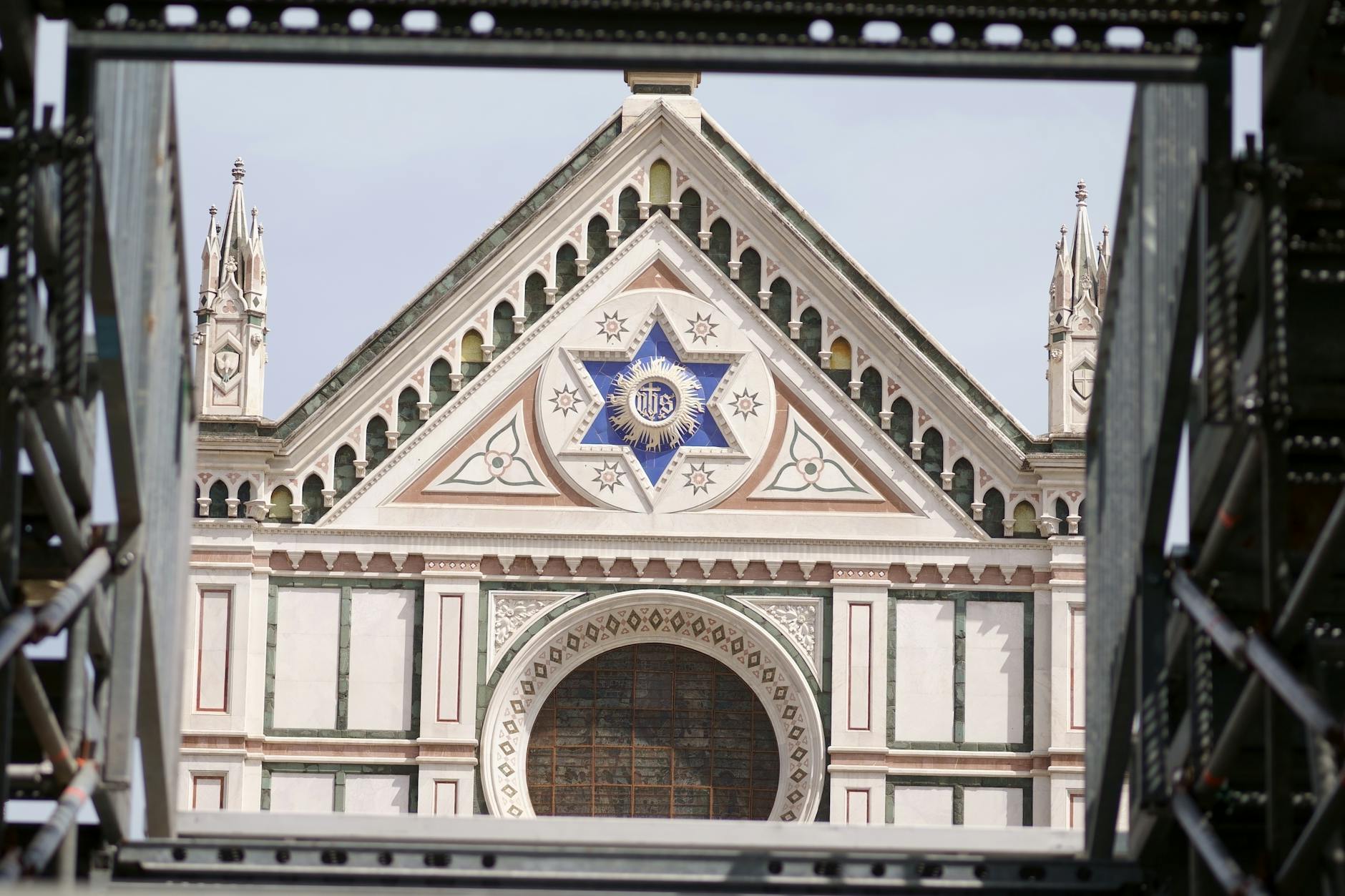
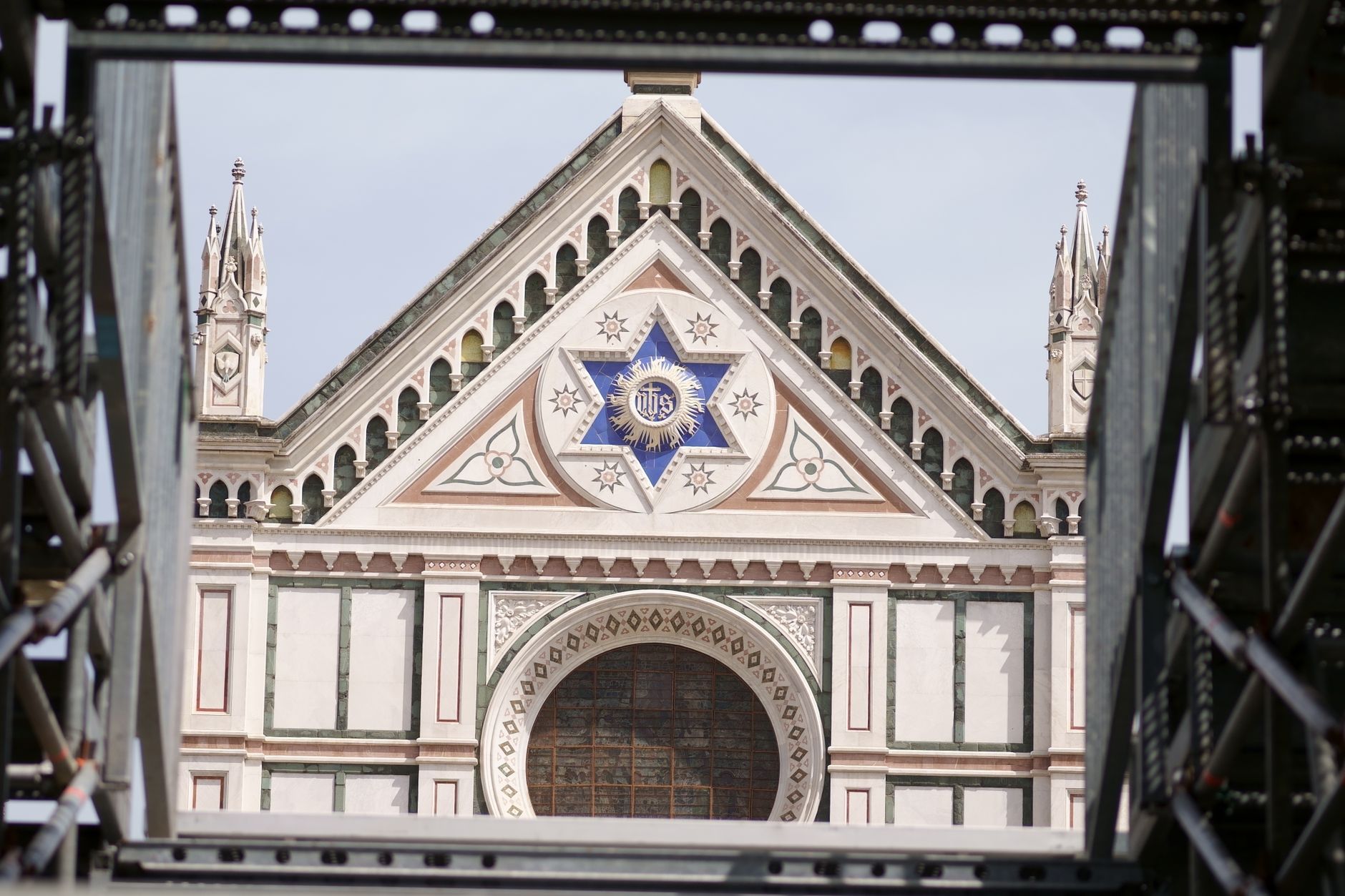
Walk ten minutes east of Piazza della Signoria and you reach the Santa Croce neighbourhood — a quieter, more residential, food-deep pocket of central Florence. Its anchor is the Franciscan Basilica di Santa Croce, the “Temple of the Italian Glories” where Michelangelo, Galileo, Machiavelli and Rossini are buried. Around it sits a working-class quarter that hosts Florence’s best market (Sant’Ambrogio), its only three-Michelin-star restaurant (Enoteca Pinchiorri), the Cibreo restaurant cluster, the Scuola del Cuoio leather school, and an annual June Calcio Storico tournament played in 15th-century costume on a sand pitch in the basilica square. This 2026 guide rounds up everything to know about Santa Croce Florence — neighbourhood character, what to do, where to eat, where to stay, and how to fit it into a Florence trip.
For broader context see our Where to Stay in Florence pillar and Best Hotels in Florence guide. This article focuses on Santa Croce specifically.
What is the Santa Croce neighbourhood?
Santa Croce is the quarter of central Florence east of the Bargello, bounded roughly by Via del Proconsolo to the west, the Arno to the south, Piazza dei Ciompi to the north, and Sant’Ambrogio market to the east. It’s just 10 minutes’ walk from the Uffizi but has noticeably fewer tour groups, a mix of residential and tourist energy, and one of the highest concentrations of authentic Florentine restaurants in the city.
The neighbourhood developed around the 13th-century Franciscan basilica, which gradually became the burial place for Florence’s most celebrated thinkers, artists and scientists. Surrounding streets housed the artisans who served the basilica — leather-workers, bookbinders, frame-makers — and that craft tradition partially survives in 2026. The Scuola del Cuoio, founded 1950 in the former monastery dormitory, remains a working leather school and shop where you can watch master cutters at work.
Santa Croce sub-divides into two felt zones. West Santa Croce (the immediate basilica area) is more touristed, with the Calcio Storico in June and a thicker leather-stall presence. East Santa Croce (around Sant’Ambrogio market and Piazza dei Ciompi) is residential, working-class and food-deep — where Florentines actually shop and eat.
The Basilica di Santa Croce
The Franciscan Basilica di Santa Croce (1294) is the largest Franciscan church in the world and Florence’s spiritual answer to the Duomo’s grandeur. Inside, tomb monuments honour Michelangelo, Galileo, Machiavelli, Rossini, Foscolo and a cenotaph to Dante (who is buried in Ravenna, where he died in exile). Giotto’s frescoes in the Bardi and Peruzzi chapels are some of the earliest surviving narrative-painting cycles in Western art. Brunelleschi’s adjacent Pazzi Chapel is an architectural jewel. The Cimabue crucifix, devastated by the 1966 Arno flood and restored over two decades, hangs in the museum.
2026 entry: €8 standard ticket, free for under-11s. Open Mon–Sat 09:30–17:30, Sun 12:30–17:45. Allow 90 minutes for a thorough visit; 45 minutes for highlights only. The Sunday afternoon ticket slot is usually the quietest. Combined Pazzi Chapel + leather-school visit is 2 hours.
Calcio Storico in Piazza Santa Croce

Florence’s medieval football tournament is played each June in Piazza Santa Croce. Four neighbourhood teams (Bianchi, Azzurri, Rossi, Verdi — white, blue, red, green) compete in 15th-century costume on a sand-covered pitch laid down in the square. Each match is a 50-minute brawl that combines elements of football, rugby, wrestling and bare-knuckle boxing. Semi-finals are mid-month; the final is always on June 24 (San Giovanni, Florence’s patron saint day). Tickets release in early May (€30–€90); a small free standing-room area exists for some matches. The closest thing on earth to medieval combat as a tourist experience.
Other Santa Croce sights
Casa Buonarroti
Michelangelo’s family house at Via Ghibellina 70, with two of his earliest sculptures — the marble Madonna of the Stairs (carved aged 16) and Battle of the Centaurs (carved aged 17) — plus the only architectural drawings in his hand still in Florence. €8, almost no crowds. Closed Tuesdays.
Museo Horne
The 15th-century palazzo and collection of English art-historian Herbert Percy Horne, donated to Italy on his death in 1916. Renaissance furniture, paintings (including a Giotto), bronzes. €7, often empty. A 5-minute walk from Piazza Santa Croce.
Synagogue of Florence (Sinagoga e Museo Ebraico)
Italy’s most striking 19th-century synagogue (built 1882), with a distinctive copper-green dome you can see from Piazzale Michelangelo. Includes a Jewish museum tracing Florence’s 16th-century ghetto and the city’s Holocaust history. €8 entry. North-east edge of Santa Croce.
Piazza dei Ciompi & the Loggia del Pesce
Once Florence’s flea-market square; now a quiet piazza featuring Vasari’s Loggia del Pesce (1568) — a 16th-century stone fish-market loggia originally on the other side of the river, dismantled and reassembled here in the 1950s. Free, atmospheric, almost no tourists.
Cenacolo di Sant’Apollonia (just north of Santa Croce)
Andrea del Castagno’s 1447 Last Supper fresco — the first dramatic-perspective version in Western painting. Free entry; closed Mondays. A 6-minute walk north from Piazza Santa Croce.
Sant’Ambrogio market & eastern Santa Croce

Five minutes east of Piazza Santa Croce, Sant’Ambrogio market is where Florentines actually shop. Tuesday–Saturday mornings, the covered hall and surrounding stalls fill with cheese, bread, fish, vegetables, cured meats. Inside the market hall, Trattoria da Rocco serves a daily menu of working-Italian classics — pasta, ribollita, bollito di lampredotto — for €8–€12. No reservations, no English menu. It’s also one of the best lunches in Florence.
Around the market, the eastern Santa Croce streets (Via Pietrapiana, Borgo Allegri, Borgo La Croce) are residential, lively, and home to small artisan shops. The Cibreo restaurant cluster — Cibreo Trattoria, Cibreo Caffè, Cibreo Restaurant — operates several blocks east of the basilica.
Restaurants & food in Santa Croce

Michelin-starred & fine-dining
- Enoteca Pinchiorri (3 Michelin stars) — Florence’s only three-star, serving inventive French-Tuscan cuisine since 1972. Tasting menus from €350; cellar of 80,000+ bottles. The most formal Florence restaurant. Book 2–3 months ahead.
- Cibreo Restaurant — refined Tuscan, since 1979; €70–€110 dinner. Iconic in Florence; book 2 weeks ahead.
- Ora d’Aria — chef Marco Stabile’s seasonal Florentine menu inside Hotel Spadai (technically just over the boundary into centro storico). 1 Michelin star.
Mid-range trattorias €40–€60
- Cibreo Trattoria (sister to the restaurant) — €35–€50 for the same kitchen’s casual menu.
- La Giostra (Borgo Pinti 12r) — Habsburg-prince-run candlelit restaurant; €70 prix-fixe with wine pairing.
- Trattoria Antichi Sapori — old-school Florentine; €30 lunch, €45 dinner.
- Boccanegra (near the basilica) — modern Tuscan with a wine programme.
- Trattoria Gargani — family-run, hearty Florentine, low-key vibes.
Working-class & budget-friendly
- Trattoria da Rocco (inside Sant’Ambrogio market) — €8–€12 daily menu of working-Italian classics. Lunch only.
- L’Trippaio (Borgo La Croce / Sant’Ambrogio area) — Florence’s best lampredotto sandwich (€5).
- Trattoria Cibreo — €15 working-class lunch trattoria.
- Trattoria Antico Noè — €15 daily menu, generous portions.
Café & brunch
- Caffè Cibreo (Via del Verrocchio) — old wooden interiors and excellent breakfasts.
- Melaleuca Bakery + Bistrot — riverside brunch spot with avocado toast and cinnamon buns.
- Caffè dell’Oro (Lungarno) — boutique-hotel café open to non-guests.
- Pasticceria Sieni — old-school Florentine pasticceria with morning cornetti.
Gelato
- Vivoli (Via Isola delle Stinche) — Florence’s oldest gelateria (1930). Rice gelato in a brioche is the order.
- Gelateria de’ Medici — small Santa Croce favourite.
- Edoardo (across from the Duomo, on the Santa Croce edge) — biological gelato.
Shopping & artisans in Santa Croce
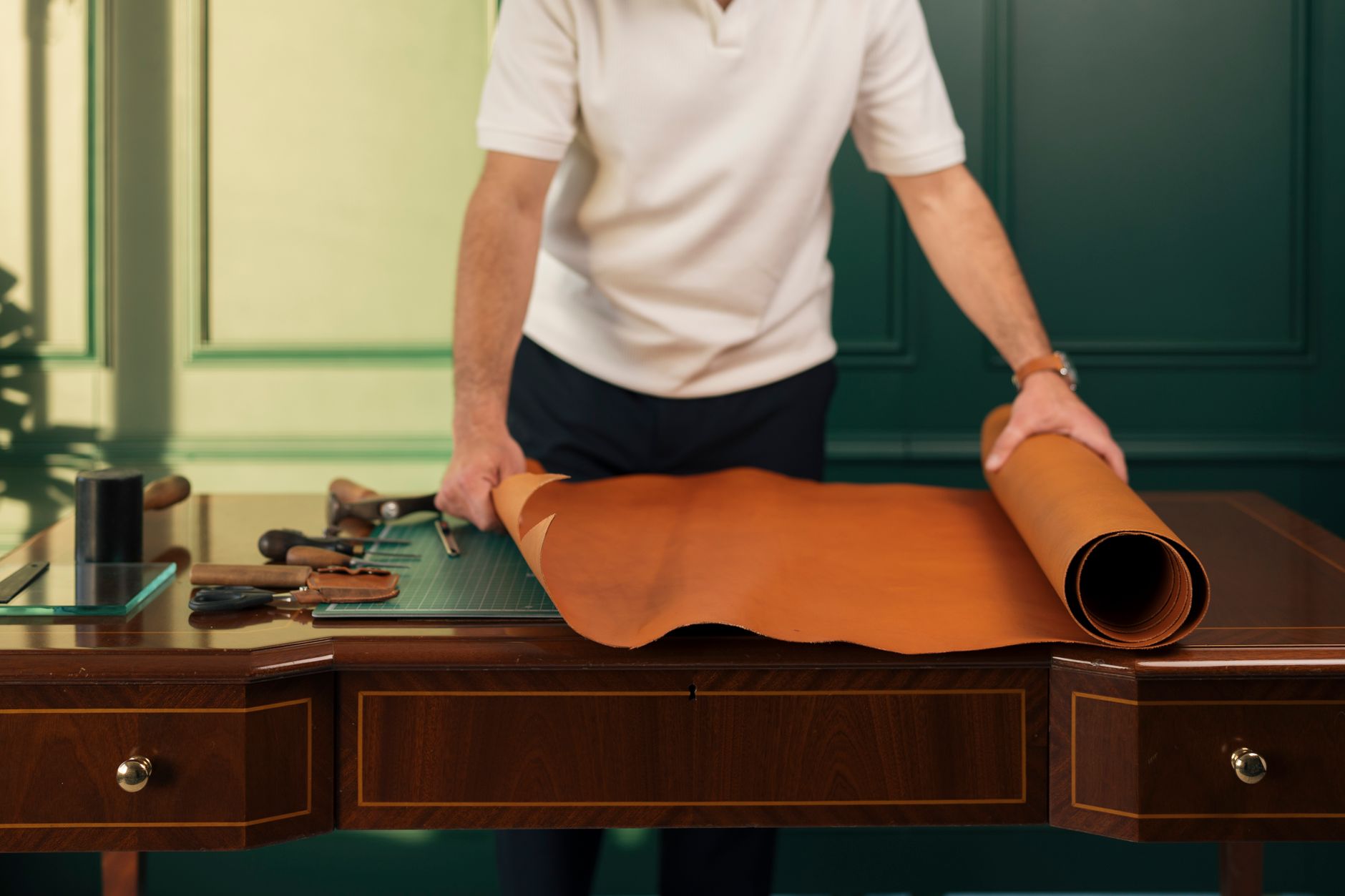
- Scuola del Cuoio — leather school behind the basilica. Free to walk through; 90-minute hands-on wallet workshop €30; bigger 4-hour bag classes €120. Items 30–40% cheaper than surrounding stalls and substantially better quality.
- Mercato del Porcellino (technically just over the boundary) — covered loggia of leather and souvenir stalls.
- Bottega Fagioli — small-batch leather goods.
- Antique dealers on Borgo Allegri — second-rank but interesting.
- Bookbinders on Via delle Caldaie (slightly Oltrarno but a 10-minute walk) — Riccardo Penko’s atelier.
- The Sunday flea market at Piazza dei Ciompi — small but charming.
Where to stay in Santa Croce
- Plaza Hotel Lucchesi — riverside east of Santa Croce; SE-STO Rooftop with great dome view. From €280.
- Hotel Bernini Palace — grand 4-star inside a 15th-century palazzo near Piazza della Signoria; from €280.
- Locanda della Posta — small B&B inside a Sant’Ambrogio palazzo with a terrace. €110–€150.
- Hotel Cellai (San Lorenzo, but 8 min walk to Santa Croce) — family-run since 1945. €180–€220.
- B&B Le Stanze di Santa Croce — four rooms in a quiet palazzo. €130–€170.
- Sognando Firenze — three apartments in a quiet courtyard 5 min from Sant’Ambrogio. €140–€220.
- Hotel Cardinal of Florence — historic palazzo on Via dei Pucci. From €230.
Drinking & nightlife
- Caffè dell’Oro — riverside bar at Hotel Lungarno (boutique vibe, open to non-guests).
- Mad Souls & Spirits (just over the boundary into Oltrarno) — focused Italian-spirits cocktail bar.
- Locale Firenze — speakeasy-style cocktail bar inside a 13th-century palazzo on Via delle Seggiole.
- Boccanegra wine bar — near the basilica.
- Move on Caffè (technically near SMN) — long-running expat-friendly bar.
- Teatro del Sale — dinner-theatre format inside a private members’ cultural club; book ahead.
A self-guided Santa Croce walk (90 minutes, free)

- Bargello — start at the Bargello national museum on Via del Proconsolo (€9 entry; allow 1 hour).
- Piazza San Firenze — Vasari’s Tribunal façade.
- Borgo dei Greci — east toward the basilica.
- Piazza Santa Croce — basilica entry; 90 minutes inside.
- Scuola del Cuoio — enter via Via San Giuseppe 5R.
- Casa Buonarroti — Michelangelo’s family home.
- Sant’Ambrogio market — east, lunch at Trattoria da Rocco.
- Piazza dei Ciompi — Loggia del Pesce.
- Synagogue of Florence — copper-green dome, museum.
- Borgo Pinti — return walk west via the Cenacolo di Sant’Apollonia (slight detour, free).
The Santa Croce regular faces
Santa Croce’s defining feature is the dense network of long-running family businesses. Spend a few mornings here and you start recognising the same characters: the Cibreo founder Fabio Picchi’s son working the Trattoria’s bar; Edoardo and his daughter at L’Trippaio prepping the day’s lampredotto; the Vivoli third-generation behind the gelato counter; the Scuola del Cuoio master cutter who’s been at the same bench since 1985; the Sant’Ambrogio cheesemonger who knows every long-time customer’s preferences.
This is what gives Santa Croce its texture. Returning visitors often find walking the same five Santa Croce blocks again feels like coming home — recognising the espresso bar, the bench in front of the basilica, the leather-stamper behind the workshop window, the Trattoria da Rocco lunch crowd. The neighbourhood has been quietly resisting tourist-monoculture for decades and the result is one of central Florence’s most lived-in feels.
Santa Croce with kids
Surprisingly family-friendly. Specifically:
- Piazza Santa Croce — open square; kids can run while parents have a coffee. The June Calcio Storico stand-and-watch is a hit with under-10s.
- Casa Buonarroti — small, manageable, free under-18s. The early Michelangelo sculptures captivate older kids.
- Scuola del Cuoio — kids can watch master leather-workers at benches; €15 leather-bracelet workshop for ages 8+.
- Sant’Ambrogio market — sample-friendly cheese and salumi vendors; kids enjoy the morning market energy.
- Vivoli gelato on Via Isola delle Stinche — Florence’s oldest, since 1930.
- The synagogue museum — small, age-appropriate for older kids, with English audio guides.
A perfect Santa Croce day — hour by hour
Morning (08:30–13:00)
08:30 — espresso at Caffè Cibreo (Via del Verrocchio). 09:30 — Basilica di Santa Croce; allow 90 min for tomb monuments and the Pazzi Chapel. 11:00 — Scuola del Cuoio (free walk-through, optional 90-min wallet workshop €30). 12:00 — Sant’Ambrogio market; pick up bread, cheese, prosciutto and stone fruit. 13:00 — lunch at Trattoria da Rocco inside the market hall (€10–€12).
Afternoon (14:00–18:00)
14:00 — Casa Buonarroti (€8) for Michelangelo’s earliest sculptures. 15:30 — Cenacolo di Sant’Apollonia (free; closed Mondays) for Andrea del Castagno’s revolutionary Last Supper. 16:30 — coffee and pastry at Pasticceria Sieni or Caffè Cibreo. 17:30 — walk to Synagogue of Florence (€8) for the copper-green dome and Jewish museum.
Evening (18:30–22:30)
18:30 — aperitivo at Boccanegra (wine programme) or Caffè dell’Oro. 20:00 — dinner at Cibreo Restaurant (€70–€110), La Giostra (€70 prix-fixe), or Trattoria Antichi Sapori (€45) for less expensive options. 22:00 — late-night cocktail at Locale Firenze (speakeasy on Via delle Seggiole).
A short history of the Santa Croce neighbourhood
Santa Croce as a neighbourhood developed in the 13th century when the Franciscans built their basilica on what was then marshy land outside Florence’s first ring of medieval walls. The Franciscan order — committed to poverty and serving the poor — chose the periphery deliberately, and their presence drew tradespeople and artisans to settle around the church. By the 15th century, the area was Florence’s leather quarter (the basilica is downstream of the city, so leather-tanning runoff didn’t flow back through the centre).
The basilica gradually became Italy’s “Temple of the Glories” — the city’s pantheon. Michelangelo was buried here in 1564 (his body was smuggled back from Rome where he had died). Galileo was buried in 1737 (a century after his death; the Catholic Church initially refused him a Christian burial). Machiavelli, Rossini, Foscolo and others followed.
The 1966 Arno flood devastated Santa Croce. The basilica’s nave filled with water two metres deep; the Cimabue crucifix in the museum was almost lost. Two decades of restoration followed, supported by an international fund of “Mud Angels” (volunteers from around the world). The flood line is still marked on a few buildings around the piazza; the Cimabue crucifix returned to the basilica museum in 1976 in a deliberately partial restoration that left visible the damage.
Santa Croce’s modern identity — quieter than centro storico, food-deep, residential — emerged in the late 20th century as central Florence increasingly became tourist-focused while the eastern quarter remained more lived-in. The Sant’Ambrogio market, surviving since 1873, anchors the neighbourhood’s working-class character.
Santa Croce through the year
Spring (March–May)
Mild, the basilica’s piazza in dappled morning light, restaurant terraces opening. Rentier food season opens in April with spring vegetables at Sant’Ambrogio market.
Summer (June–August)
Calcio Storico in June (semi-finals mid-month, final on the 24th). Estate Fiorentina festivals in the piazza most weekends. Hot, humid; restaurants stay busy on summer evenings until 23:00. Many smaller artisans close mid-August.
Autumn (September–November)
The neighbourhood’s prime season. Truffle festival weekends in nearby San Miniato (the village, an hour west); olive oil arrives at the market in November; restaurant terraces still open in early October. The basilica’s afternoon light is dramatic in October.
Winter (December–February)
Quiet, atmospheric, often empty. Christmas market on Piazza Santa Croce (early December). The Cibreo cluster runs ribollita and bollito menus. Hotel pricing 25–40% off summer.
Practical info
- Walking from Duomo: 8–10 minutes.
- Walking from Ponte Vecchio: 8 minutes.
- Public transit: bus C2 runs through Santa Croce; tram T1/T2 don’t reach it.
- ZTL: most of Santa Croce is inside the historic-centre traffic-restricted zone.
- Bathrooms: free at Mercato Sant’Ambrogio (for buyers), inside the basilica (for ticket-holders), at large cafés.
- Pharmacies: Farmacia di Borgo Allegri; Farmacia Sant’Ambrogio.
- Best time of day: mornings for the basilica and market; late afternoon for golden-hour photos in the piazze; evenings for the dinner scene.
- Best season: shoulder season (April–May, October) for ideal conditions; June for Calcio Storico.
Santa Croce vs the rest of central Florence
| Factor | Santa Croce | Centro storico (Duomo cluster) |
|---|---|---|
| Distance to Duomo | 8–10 min walk | 0–5 min |
| Hotel pricing | €220–€350 | €280–€500 |
| Restaurant scene | Florence’s deepest | Mixed |
| Tourist density | Moderate | Very high |
| Locals on street | High | Lower |
| Late-night life | Quieter; some cocktail bars | Quiet by 23:00 |
| Big-museum access | Bargello + Casa Buonarroti | Uffizi, Accademia, Pitti |
Santa Croce Florence — FAQ
What is the Santa Croce neighbourhood known for?
The Basilica di Santa Croce — the burial place of Michelangelo, Galileo, Machiavelli and Rossini. Plus an annual June Calcio Storico tournament played in 15th-century costume, the Scuola del Cuoio leather school, the Sant’Ambrogio market, and one of Florence’s deepest restaurant scenes including the three-Michelin-star Enoteca Pinchiorri.
Is Santa Croce a good neighbourhood to stay in Florence?
Yes, especially for travellers prioritising restaurants, evening atmosphere and a quieter vibe than the Duomo cluster. Hotel pricing runs 15–25% below centro storico. The 8-minute walk to the Uffizi and Duomo is short enough that most travellers don’t notice the difference.
What’s the best restaurant in Santa Croce?
For a once-in-a-lifetime dinner: Enoteca Pinchiorri (3 Michelin stars). For Florentine elegance: Cibreo Restaurant. For mid-range candlelight: La Giostra. For working-class authenticity: Trattoria da Rocco inside Sant’Ambrogio market. For street food: L’Trippaio’s lampredotto sandwich.
How do you get to Santa Croce?
Walking is by far the easiest — 8–10 minutes from the Duomo, 8 minutes from Ponte Vecchio, 5 minutes from the Bargello. Bus C2 stops in the area; tram T1/T2 don’t reach it.
When is Calcio Storico played?
Each June in Piazza Santa Croce. Semi-finals mid-month; the final is always on June 24 (San Giovanni). Tickets €30–€90; small standing-room area free for some matches. Tickets release in early May.
Is the Santa Croce basilica worth visiting?
Yes — €8 buys you access to Michelangelo’s, Galileo’s, Machiavelli’s and Rossini’s tombs, Giotto’s frescoed chapels, Brunelleschi’s perfect Pazzi Chapel, and the Cimabue crucifix saved from the 1966 Arno flood. Allow 90 minutes.
What’s the difference between Santa Croce and Sant’Ambrogio?
They’re sub-areas of the same neighbourhood. Santa Croce centres on the basilica; Sant’Ambrogio is the market 5 minutes east. Sant’Ambrogio is more residential, less touristy, and has the working-class market food scene. Most Florentines refer to the whole area as “Santa Croce / Sant’Ambrogio”.