This article contains advertising. Booking links on this site can be turned into paid links automatically by our partner Travelpayouts: if you book through one, we earn a commission from the provider, at no extra cost to you. It never affects what we recommend. Affiliate disclosure
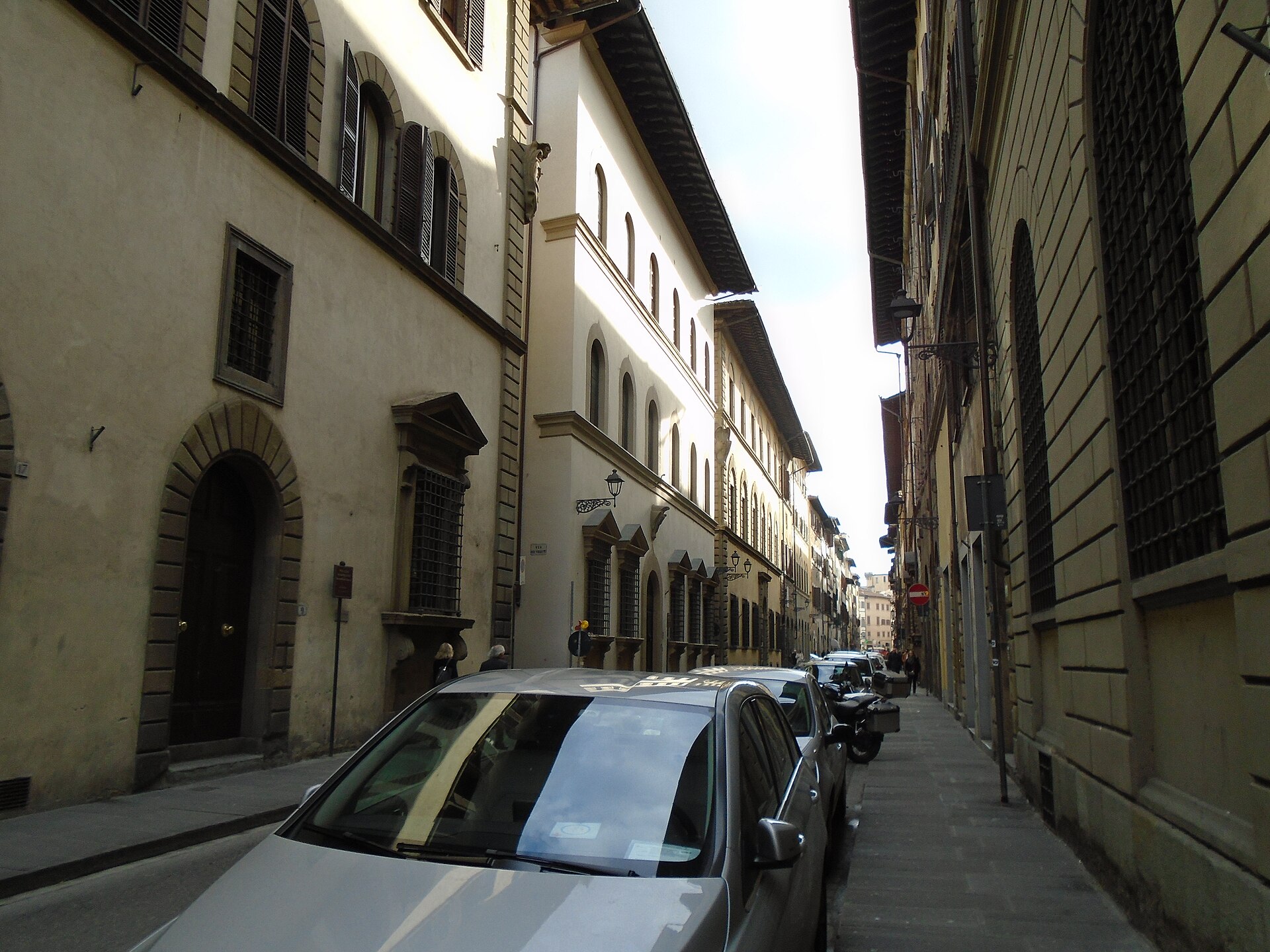
If centro storico is the Florence postcard, Oltrarno is the Florence locals actually live in. The name literally means “the other side of the Arno” — and crossing Ponte Vecchio south-west delivers you into a different rhythm. Working artisan workshops on Via Maggio. Family trattorias where nonni still take orders by gesture. The piazza-living-room culture of Santo Spirito. The world’s birthplace-of-Renaissance frescoes at Brancacci. The terraces of Bardini and the parvis of San Miniato. Lonely Planet recently named it one of the world’s coolest neighbourhoods; we’d argue it’s been Florence’s coolest neighbourhood for 700 years and is only just being noticed.
This 2026 guide pulls everything Oltrarno together — its sub-neighbourhoods (Santo Spirito, San Frediano, San Niccolò), the museums and churches, the artisan workshop directory, the food scene by budget, sleeping options, the practical walking routes, and the places only repeat visitors find. Use it on day three of a Florence trip when you’re done with the headline sights, or as the entire base for a longer stay. For how Oltrarno compares with the rest of the city, see our Florence neighbourhoods guide.
The neighbourhood’s headline sight is the Medici residence itself — our Palazzo Pitti guide covers the museums inside and the Boboli Gardens behind it.
What is the Oltrarno?
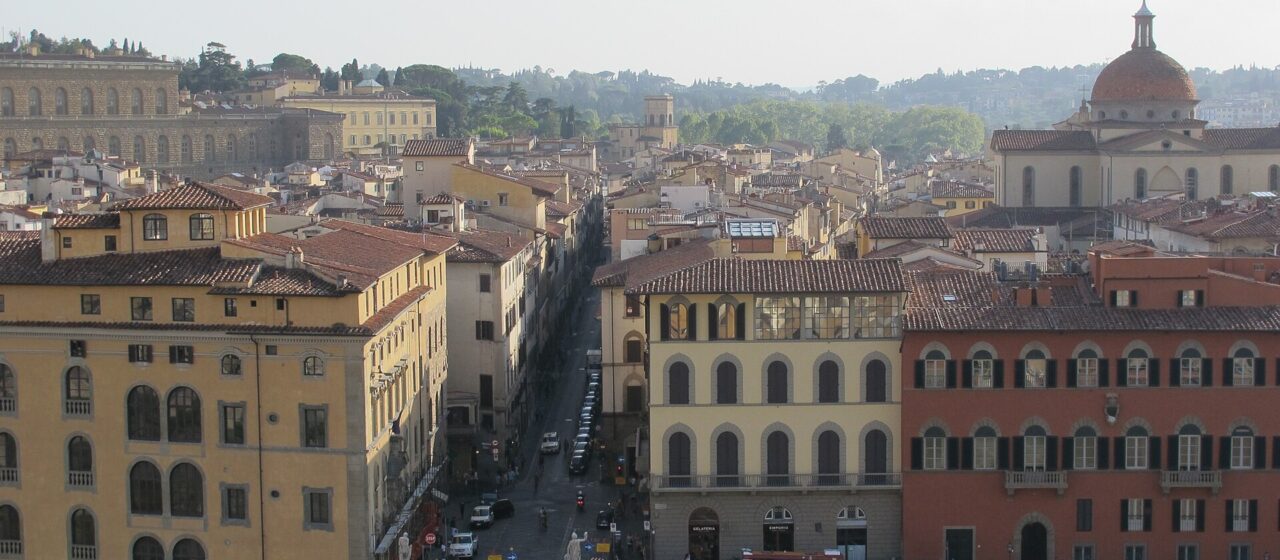
The Oltrarno is the part of Florence south of the river Arno, inside the medieval walls. Bounded roughly by Ponte alle Grazie to the east, Porta Romana to the south, and the riverbank to the north, it’s an irregular triangle of cobbled streets, palazzi, churches and small piazze that has retained its working-class artisan character even as the centro storico across the river has become increasingly tourist-focused.
For most of its history the Oltrarno was Florence’s artisan quarter — gilders, frame-makers, leather-workers, paper-marblers, jewellers, mosaicists. The Medici grand dukes built Palazzo Pitti here in the 15th century, but the working-class character outlasted them. Today, the artisan tradition continues alongside a sprouting boutique-hotel and design scene, plus some of Florence’s most-loved restaurants. Crossing Ponte Vecchio at any time of day visibly changes the demographic mix on the street: more locals, more dogs, more passeggiata.
The three Oltrarno sub-neighbourhoods
Santo Spirito (the lively centre)
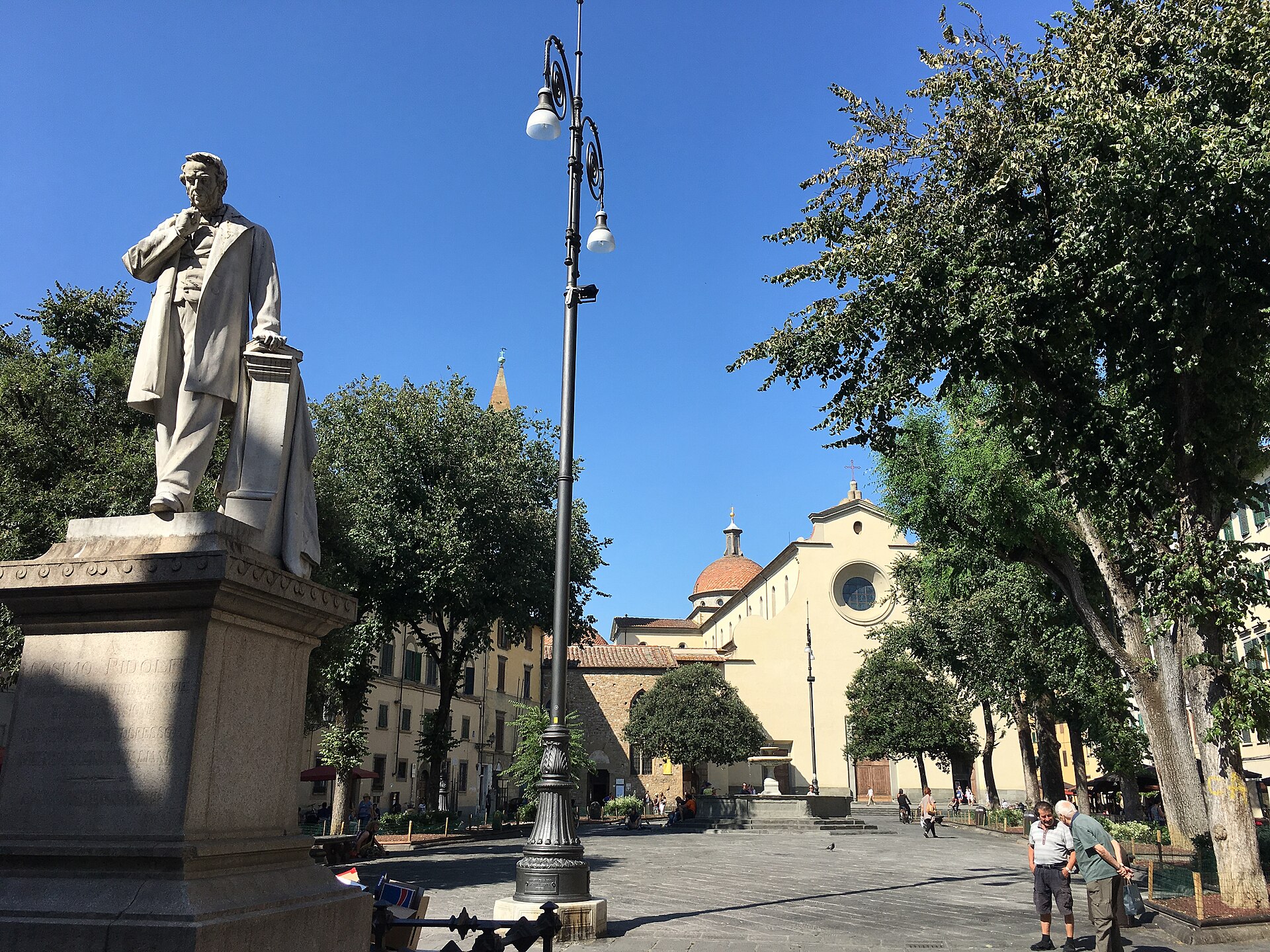
Anchored by Brunelleschi’s basilica and Piazza Santo Spirito, this is the social heart of the Oltrarno. The piazza is full of cafés, bars and locals from 11:00 onwards; on the second Sunday of each month it hosts a farmers’ market. Bordered roughly by Borgo San Jacopo, Via Maggio, Via Santo Agostino and Via dei Serragli. Highest concentration of restaurants, aperitivo bars, design boutiques.
San Frediano (the working-class soul)
West of Santo Spirito. Long the most authentically working-class part of the Oltrarno; gradually gentrifying but still the most lived-in. The 14th-century Porta San Frediano gate, the Carmine basilica with the Brancacci Chapel, and Borgo San Frediano (recently named “one of the coolest streets in Europe”) are the touchstones. Many of the city’s best artisan workshops still here.
San Niccolò (the quieter eastern edge)
East of Ponte alle Grazie and below Bardini Garden. Smaller, sleepier, more residential. The Torre San Niccolò medieval gate (open for summer-evening climbs) sits at the eastern edge. The Rampe del Poggi climb up to Piazzale Michelangelo and San Miniato starts here. Several of Florence’s most peaceful boutique hotels.
Top Oltrarno sights

Palazzo Pitti & Boboli Gardens
The 15th-century Medici-Savoy palace and its terraced gardens. Under one roof: the Palatine Gallery (Raphael, Titian, Caravaggio), the Modern Art Gallery and the Museum of Costume and Fashion. The Treasury of the Grand Dukes is closed until further notice and the Porcelain Museum is closed for refurbishment. The Boboli Gardens behind cascade uphill through cypress avenues to the Kaffeehaus terrace and Buontalenti Grotto. 2026 combined ticket €22; first Sunday of the month free.
Brancacci Chapel (Santa Maria del Carmine)
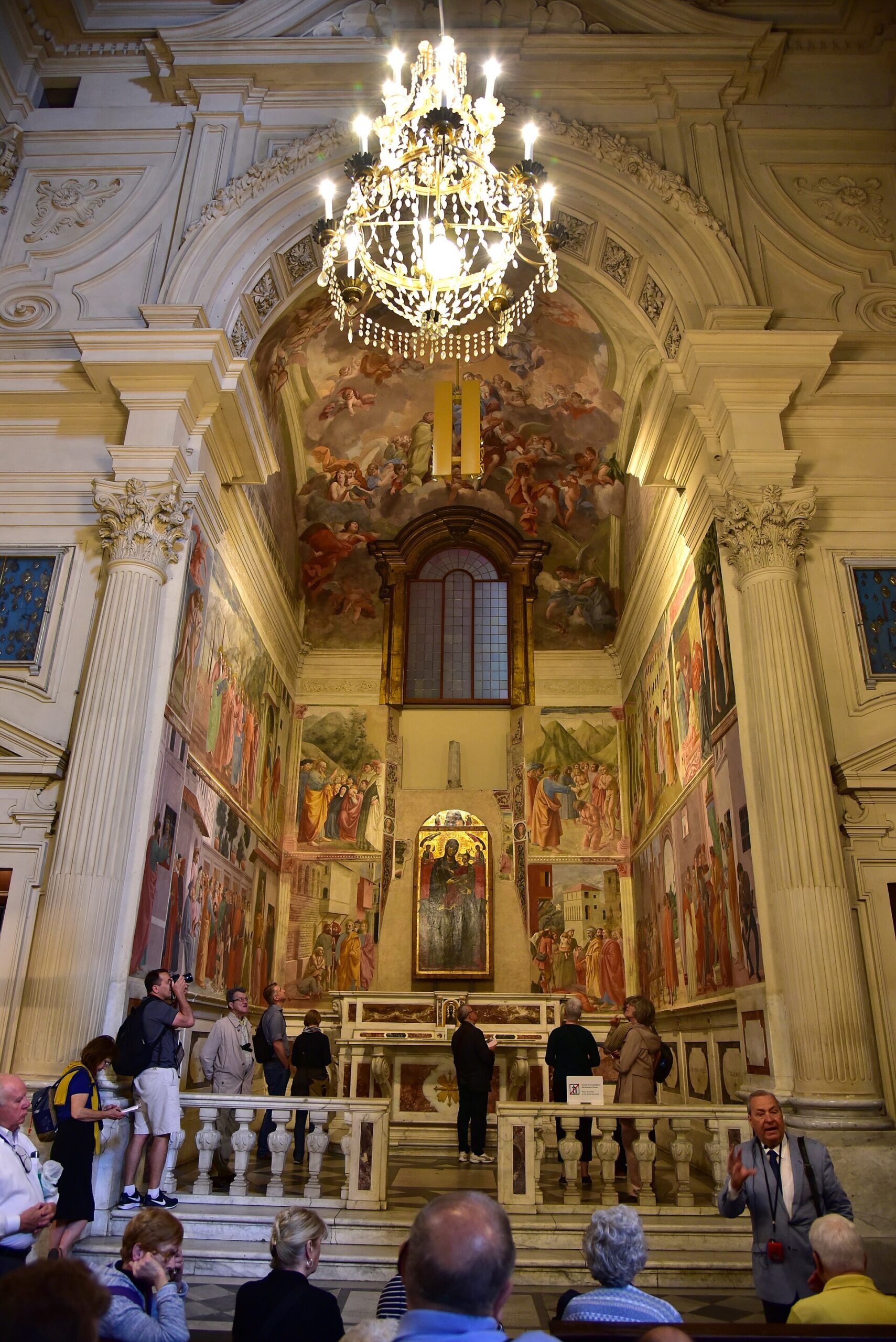
Inside Santa Maria del Carmine basilica. Masaccio’s frescoes (1425–28) of Saint Peter’s life — including the gut-punching Expulsion from Paradise — are where Renaissance painting begins. Michelangelo, Raphael and Botticelli all studied here as young apprentices. Restored 2024 with new under-glass display walks. €15 full price, €10 reduced; online booking is recommended.
Basilica di Santo Spirito
Brunelleschi’s last and purest Renaissance church (1444). Nine flawless arched bays, each framing an altarpiece. Michelangelo’s wooden crucifix (sculpted when he was about 18) hangs in the sacristy. Free to enter; sacristy €2; cloister €4. Open daily 10:00–13:00 and 16:00–18:00.
Giardino Bardini
Above San Niccolò. The Boboli’s quieter, prettier sister — wisteria pergola in late April, rose garden in May, Belvedere terrace with the best Florence dome view. €10 combined Boboli ticket.
Forte di Belvedere
The 16th-century Medici fortress on the hill above Boboli. Free during summer art exhibitions; the upper bastion gives a quiet panorama of the city.
Piazzale Michelangelo & San Miniato al Monte
Technically just outside Oltrarno proper but reached on foot via the Rampe del Poggi. Free 24/7 panorama plus Florence’s most beautiful Romanesque basilica (with daily Gregorian vespers at 17:30).
Officina Profumo Santa Maria Novella branch on Via dei Serragli
Smaller branch of the world’s oldest pharmacy; less crowded than the main one north of the Arno.
Oltrarno artisan workshops directory
The Oltrarno’s artisan economy is alive in 2026 — over 200 working ateliers between Ponte Vecchio and Porta Romana. The standout workshops welcoming respectful visitors:
Paper marbling & bookbinding
- Alberto Cozzi (Via del Parione 35r, just over Ponte Santa Trinita technically not Oltrarno — but its Oltrarno cousin is Giannini at Piazza Pitti) — marbled paper since 1908. 60-minute workshops €30 per person.
- Giannini (Piazza Pitti 36r-37r) — since 1856; 90-minute private sessions €60.
- Riccardo Penko (Via delle Caldaie) — handmade leather-bound notebooks; 4-hour bookbinding class €100.
Leather
- Madova Gloves (Via Guicciardini 1r) — five generations of leather-glove makers; viewing window onto the workshop.
- Stefano Bemer (Via di San Niccolò 2r) — bespoke shoes since 1983; their academy welcomes longer-term apprentice visits.
- Bottega Fagioli (Borgo San Frediano) — small leather goods, custom orders.
Gilding, framing & restoration
- Giuliano Ricchi (Borgo San Frediano 12r) — fourth-generation gilder.
- Bottega Argentea (Via dei Serragli) — silver and gilt restoration.
- Castorina Cornici (Via Santo Spirito 13r) — bespoke picture frames, often working on commissions for Florence’s museums.
Mosaic, jewellery & metalwork
- Scuola Lastrucci — mosaic class (commesso fiorentino) using semi-precious stones; 4-hour beginner session €120.
- Paolo Penko (Via Romana 3r) — Renaissance-style hand-forged jewellery.
- Alessandro Dari (Via San Niccolò 115r) — sculptural fine jewellery; the workshop is also a private museum.
Furniture, antiques, restoration
- Via Maggio’s antique-dealer strip — six dealers between Piazza San Felice and Piazza Santo Spirito.
- Bottega d’Arte Maselli — restoration of Renaissance furniture.
- Pietra di Luna — bespoke marble work, occasional small classes.
Eating in the Oltrarno
Trattoria classics under €40 a head
- Trattoria 4 Leoni (Piazza della Passera) — pumpkin-blossom ravioli on a piazza-side table; a Florence institution.
- Trattoria La Casalinga (Via Michelozzi) — proper home cooking; family-run since 1963; €25–€30 per head.
- Trattoria Cammillo (Borgo San Jacopo) — old-school upper-mid trattoria; bistecca and Chianti for two for €100.
- Trattoria Il Magazzino — 19th-century cellar with tripe-and-Chianti pairings.
- Trattoria Sabatino (Via Pisana) — neighbourhood working-class lunch spot; €12 daily menu.
Mid-tier restaurants €40–€80
- Il Santo Bevitore (Via di Santo Spirito 64r) — wine list of 1,200 bottles, perfectly cooked pasta, courtyard tables.
- La Bottega di Parigi — eight tables, daily Tuscan menu, candlelit.
- Borgo San Jacopo (1 Michelin star) — terrace tables overlooking Ponte Vecchio.
- 5 e Cinque — Ligurian-Tuscan fusion, perfect for vegetarians.
- Olio & Convivium (Via Santo Spirito) — vegetarian-friendly enoteca with cured meats and Tuscan olive-oil flights.
Pizza & casual
- Gusta Pizza (Via Maggio 46r) — €7 heart-shaped Margherita, eat on the basilica steps.
- Mister Pizza (Borgo San Frediano) — late-night slice (open until 02:00).
- Trippaio del Porcellino (Mercato Nuovo, technically just over the Arno) — €5 lampredotto sandwich.
Coffee & breakfast
- Ditta Artigianale (Via dello Sprone) — Florence’s specialty-coffee pioneer; brunch and cocktails.
- Caffè Cibreo (Via del Verrocchio, technically Sant’Ambrogio) — old wooden interiors and excellent breakfasts.
- Ditta Artigianale Maggio — same brand, smaller Oltrarno branch.
- Bar al Tranvai — neighbourhood-old-school espresso with locals.
Gelato & dessert
- Gelateria della Passera — small, intense, low-volume; rosemary-honey is the order.
- La Carraia (Piazza Nazario Sauro) — €1.50 small cone, the city’s best price-quality ratio.
- Caffé degli Artigiani (Piazza della Passera) — tea cakes and pastries with espresso.
Wine bars & enoteche
- Le Volpi e l’Uva (Piazza dei Rossi) — the local pick for an aperitivo with cheese and salumi.
- Il Santo Graal — small wine bar with deep Italian list.
- La Mangiatoia — old enoteca on Piazza San Felice.
Drinking, music & nightlife in the Oltrarno
- Volume (Piazza Santo Spirito 5r) — €5 spritz, board games, no booking.
- Rasputin (Borgo Tegolaio) — speakeasy entered through a small unmarked door; cocktails €14.
- Mad Souls & Spirits — Oltrarno cocktail bar with a deep Italian-spirits programme.
- La Cité (Borgo San Frediano) — bookshop with live music most nights; pay-what-you-want for sets.
- Caffè degli Artigiani — quiet evening espresso and pastry on Piazza della Passera.
- Manifattura (Piazza San Pancrazio) — vermouth-and-aperitivo specialist.
- Santo Bevitore wine bar — sister to the restaurant; €8 glass of Chianti Classico.
Where to sleep in the Oltrarno
For a deeper hotel guide see our Best Hotels in Florence pillar. Oltrarno standouts:
- Hotel Lungarno (Lungarno Collection) — Ferragamo-owned, Picassos and Cocteaus on the walls, river-view rooms. €550+.
- Riva Lofts (further west on Via Baccio Bandinelli) — design-led 9-loft hotel with riverside lawn. €400+.
- SoprArno Suites — 11 art-filled suites in a converted Oltrarno workshop. €280–€380.
- Casa Botticelli — nine rooms blending frescoes with contemporary palette. €320+.
- Adastra — six suites inside a 19th-century palazzo with a lush garden. €450+.
- Ottantotto Firenze — small, quiet, beautifully renovated private home format. €250+.
- Tasso Hostel — sociable hostel with Oltrarno vibe. Dorms from €35.
A 2-hour self-guided Oltrarno walk
- Ponte Santa Trinita — start with the Ponte Vecchio money shot east of you.
- Via Maggio — antiques street; window-shop the Renaissance furniture; pop into Castorina Cornici frame-makers.
- Piazza Santo Spirito — sit on the basilica steps; if it’s the second Sunday, browse the farmers’ market.
- Basilica di Santo Spirito — free entry; pause inside for Brunelleschi’s nine arched bays.
- Borgo San Frediano west — turn right past Carduccio (vegetarian); look for Clet Abraham’s repurposed road signs en route.
- Brancacci Chapel (Santa Maria del Carmine) — €15 full price, €10 reduced; booking online is recommended.
- Loop back via Piazza Tasso — pause at Caffè degli Artigiani for an espresso.
- Via di Santo Spirito → Via Maggio — back toward the river through the artisan strip.
- Optional: continue south to Piazza Pitti and the Boboli Gardens for an extra hour.
- Finish: dinner at Il Santo Bevitore, 5 e Cinque or Trattoria 4 Leoni.
Hidden Oltrarno corners
- Piazza della Passera — tiny shaded piazza with Gelateria della Passera, Caffè degli Artigiani and Trattoria 4 Leoni; named for the “passera” (sparrow) of medieval prostitutes who once worked here.
- The Loggia del Pesce — 16th-century Vasari-designed stone loggia at Piazza dei Ciompi (once a fish market).
- Giardino Torrigiani — Europe’s largest private city garden; guided tour only, ~€20, book ahead.
- Casa Buonarroti — strictly speaking just over the river, but a 5-minute walk from Ponte alle Grazie; Michelangelo’s earliest sculptures (€8).
- Via dei Bardi 76r — Tuscan Wine School’s small private tasting room.
- Forte di Belvedere bastion at sunset — admission is charged during the summer open season, so check the operator’s programme.
- The bookbinder’s window on Via delle Caldaie — Riccardo Penko’s atelier; watch him work for free.
The Oltrarno’s regular faces
One of the Oltrarno’s defining features is its dense network of long-running family-run businesses. Spend a few mornings here and you start recognising the same people: the espresso barista at Caffè degli Artigiani who knows everyone’s order; Riccardo Penko hand-stitching at his bookbindery on Via delle Caldaie; the gilder Giuliano Ricchi at his fourth-generation workshop on Borgo San Frediano; Madova’s family member at the leather-glove shop window; the Trattoria 4 Leoni waiters who’ve worked there since the 1990s.
This is what gives the Oltrarno its texture and what most reasonable travellers come back for. Even after one Florence trip, returning visitors often find that walking the same five Oltrarno blocks again feels like coming home — recognising that espresso bar, that bench, that gilder behind the small workshop window, that gelataio scooping rice gelato. It’s a phenomenon Lonely Planet’s “world’s coolest neighbourhood” judges presumably noticed.
The Oltrarno with kids
Surprisingly family-friendly. Specifically:
- Boboli Gardens — more than 33 hectares of paths, fountains and the Buontalenti Grotto. Kids run free; parents tag along with strollers (the gravel paths are stroller-friendly except in the upper garden).
- The carousel at Piazza della Repubblica is technically just over the river, but a 5-minute walk from Ponte Vecchio.
- Pizza-making at Mama Florence (Oltrarno branch) — €70 per child, ages 5+.
- Gelateria della Passera — kid-loved, on a quiet piazza so they can run while you eat.
- Boboli’s “Buontalenti Grotto” — a fake stalactite cave kids find magical.
- The Brancacci Chapel works for kids 8+; younger get bored.
- Marbled paper at Giannini — 60-minute kid-friendly version, €30 per child.
Shopping in the Oltrarno
Beyond artisan workshops, the Oltrarno has an emerging boutique scene:
- Florence Factory (Via dei Neri) — multi-brand store of small Florentine designers; jewellery, bags, ceramics.
- Quelle Tre (Via Maggio) — eclectic concept boutique with vintage and design.
- Mio Concept Store (Via dei Serragli) — design-forward homeware.
- Aprosio & Co (Via Santo Spirito) — beaded bags handmade in Florence; international cult following.
- Society Limonta (Via di Santo Spirito) — Italian linen home textiles.
- The vintage strip on Via Maggio — antique furniture, lighting, paintings.
- Bottega 22 / Officine Gulliver — niche perfume and apothecary.
The Oltrarno through the year
Spring (March–May)
Bardini Garden’s wisteria pergola peaks April 25–May 5; the rose garden hits full bloom late May. Maggio Musicale opera nights bring evening crowds to nearby Cascine. Restaurant pricing is at peak; book 2–3 weeks ahead for Saturday nights.
Summer (June–August)
Piazza Santo Spirito stays alive until 01:30 most nights. Many smaller artisans close mid-August; some Oltrarno restaurants close for two weeks around Ferragosto. The Forte di Belvedere typically opens with a contemporary art exhibition; the Torre San Niccolò opens for evening climbs (June 21–October 1, 17:00–19:30).
Autumn (September–November)
The Oltrarno’s prime food season — wine harvest, olive harvest, truffle festivals an hour west. Restaurants overflow into the piazza on warm September evenings. Bardini Garden’s autumn colours rival the spring wisteria.
Winter (December–February)
Quiet, atmospheric. Christmas markets on Piazza Santo Spirito (early December); ice-cream parlour Gelateria della Passera serves chestnut and cinnamon flavours. Hotel pricing 25–40% off. Bardini and Boboli stay open year-round; Forte di Belvedere closed.
A perfect Oltrarno day — hour by hour
Morning (08:30–13:00)
08:30 — espresso at Caffè degli Artigiani on Piazza della Passera. 09:30 — Brancacci Chapel opens; arrive 5 min early for the slot you booked. 10:30 — walk west on Borgo San Frediano, drop into 2–3 artisan workshops (Giuliano Ricchi, Madova). 12:00 — Basilica di Santo Spirito (free) for the Brunelleschi geometry and Michelangelo crucifix. 12:45 — lunch at Trattoria La Casalinga or Gusta Pizza on the basilica steps.
Afternoon (14:00–17:30)
14:00 — Palazzo Pitti (Palatine Gallery is the must; the other museums that are open are interesting but optional). 16:00 — Boboli Gardens cypress walk to the Kaffeehaus terrace. 17:00 — exit Boboli’s east gate to Bardini Garden’s Belvedere terrace.
Evening (17:30–21:30)
17:30 — climb the Rampe to Piazzale Michelangelo for sunset (15-minute walk). 18:30 — extra 5-minute climb to San Miniato al Monte for Gregorian vespers. 20:00 — back down to San Niccolò; aperitivo at Le Volpi e l’Uva. 21:00 — dinner at Il Santo Bevitore or La Bottega di Parigi.
A short history of the Oltrarno
The Oltrarno was the working-class suburb of medieval Florence — outside the original 12th-century city walls, populated by tanners (whose smell was unwelcome north of the river), wool-dyers, and cloth merchants. The Carmelite friars built Santa Maria del Carmine in 1268; the Augustinians built Santo Spirito in 1444 (Brunelleschi’s design); the Medici Grand Dukes moved their official residence to Palazzo Pitti in 1550, building the Boboli gardens behind it.
Despite the Medici presence, the Oltrarno never became aristocratic — the artisan economy proved too entrenched. By the 17th century the neighbourhood had developed its specialised crafts (gilding, paper-marbling, frame-making, leather, jewellery) that survive today. The Vasari Corridor connected Palazzo Vecchio to Pitti via Ponte Vecchio specifically so that the Medici could cross the working-class quarter without descending to street level.
Severe damage during World War II (the German army blew up every Florence bridge except Ponte Vecchio in 1944, and the streets immediately south were levelled) was followed by careful reconstruction. The Oltrarno’s recent decades have brought gradual gentrification — the Lonely Planet “world’s coolest neighbourhood” award in 2021 marked the inflection — but local-versus-touristy balance remains noticeably better than centro storico.
Oltrarno vs centro storico — a quick comparison
| Factor | Centro storico | Oltrarno |
|---|---|---|
| Distance to Duomo | 2–10 min walk | 10–20 min walk |
| Hotel pricing (4-star) | €280–€500 | €220–€400 |
| Restaurant pricing | €40–€80 mid-range | €30–€60 mid-range |
| Tourist density | Very high | Moderate |
| Locals on the street | Lower | Higher |
| Authentic food | Variable | Excellent |
| Late-night life | Quiet by 23:00 | Busy until 00:30 (Santo Spirito) |
| Artisan workshops | Few | Many |
| Big-museum convenience | Excellent | Good (Pitti, Brancacci, Boboli) |
| Dome views from rooftops | Yes | Yes (south-facing) |
Getting around & practical info
- Walking: every Oltrarno corner is reachable from Ponte Vecchio in 15 minutes.
- Bus: lines C3 and 11 run through the Oltrarno linking Pitti, Santo Spirito and San Frediano. Tickets €2.00 from any tabacchi, valid 90 minutes.
- ZTL: most of the Oltrarno is inside the historic-centre traffic-restricted zone. No driving without a permit.
- Bathrooms: Mercato di Sant’Ambrogio (5 minutes east of Ponte alle Grazie) and several large cafés (Ditta Artigianale, Gusta Pizza).
- Pharmacies: Farmacia Oltrarno on Borgo San Jacopo; Farmacia Pitti on Via Romana.
- Markets: Sant’Ambrogio (just over the river east) is the major produce market; the second-Sunday Piazza Santo Spirito farmers’ market is the in-Oltrarno alternative.
- Public WiFi: Piazza Santo Spirito has free city WiFi; signal in narrow alleys is spotty.
- Best time of day: 10:00–13:00 for the artisan workshops; 18:30–22:00 for piazza life and dinners.
- Best season: shoulder season (April–May, October) for ideal conditions; August has the most local atmosphere as Italians remain in town despite the heat.
Oltrarno Florence — FAQ
What does Oltrarno mean?
“Oltrarno” literally means “the other side of the Arno” — the part of Florence south of the river. It refers to the area enclosed within the medieval city walls, anchored by Palazzo Pitti, Piazza Santo Spirito, San Frediano and San Niccolò.
Is the Oltrarno safe?
Yes. The Oltrarno is one of Florence’s most lived-in central neighbourhoods, with families, students, artisans and resident expats. Petty crime levels are low; quiet streets late at night are no more concerning than anywhere else in central Florence.
Should I stay in the Oltrarno or centro storico?
Stay in centro storico for a short trip (3 nights or fewer) where minimum-walking-distance to the Duomo and Uffizi matters most. Stay in the Oltrarno for stays of 4+ nights, for a more authentic neighbourhood feel, and for 15–25% lower hotel pricing. Many travellers split — 2 nights centro storico + 2 nights Oltrarno — to experience both.
What’s the best thing to do in the Oltrarno?
The Brancacci Chapel (€15, or €10 reduced) is the must-do for art-history travellers — Masaccio’s frescoes that birthed the Renaissance. For locals’ atmosphere, an evening on Piazza Santo Spirito. For artisan-Florence depth, a half-day walking the Oltrarno workshop trail.
How much time do you need in the Oltrarno?
A morning is enough for the Brancacci Chapel + Santo Spirito basilica + Boboli Gardens at minimum. A full day adds Palazzo Pitti, Bardini Garden, an artisan-workshop walk and dinner at Il Santo Bevitore. Repeat visitors often spend 2–3 days here including the workshops, hidden corners and Forte di Belvedere.
Where do you eat in the Oltrarno?
For a budget-friendly local meal: Trattoria La Casalinga, Gusta Pizza, Trattoria Sabatino, La Carraia gelato. For mid-range: Il Santo Bevitore, La Bottega di Parigi, 5 e Cinque, Trattoria 4 Leoni. For a Michelin-starred riverside dinner: Borgo San Jacopo. For aperitivo: Volume on Piazza Santo Spirito or Le Volpi e l’Uva.
Is the Oltrarno walkable?
Entirely. Every corner is reachable from Ponte Vecchio within 15 minutes. The terrain is flat in the lower Oltrarno; Bardini Garden, Forte di Belvedere and the Rampe up to Piazzale Michelangelo add 80–130 m of climb if you want hilltop views.
What’s the difference between Santo Spirito and San Frediano?
Santo Spirito is the Oltrarno’s restaurant-and-bar centre, more polished and visited. San Frediano is the working-class soul, with more artisan workshops, the Brancacci Chapel and the gritty-but-cool Borgo San Frediano street. Both are part of the larger Oltrarno; San Niccolò is the third sub-area, quieter and more residential.