This article contains advertising. Booking links on this site can be turned into paid links automatically by our partner Travelpayouts: if you book through one, we earn a commission from the provider, at no extra cost to you. It never affects what we recommend. Affiliate disclosure
Bistecca alla fiorentina is Florence’s most ritualised meal — a thick T-bone steak, traditionally cut 5–6 cm thick, grilled rare over wood or charcoal and served with nothing more than sea salt and Tuscan olive oil. Done correctly, it’s one of the world’s great steak experiences. Done casually, it’s an expensive disappointment. The difference comes down to which restaurant cuts and cooks it, what breed of cow it came from, how rare you accept it, and what you order alongside. This 2026 guide rounds up everything you need to know to order, eat and understand bistecca alla fiorentina in Florence — the breed history, the Chianina cattle, the eight best restaurants in the city to try it, what it costs, what to drink, and how to spot a tourist-trap version.
For broader food context see our Florence Food Guide pillar; for restaurant lists more generally see Best Restaurants in Florence and Traditional Florentine Food.
The steak is a shared dish and an evening in itself — order a bottle from the list in our Tuscan wine bar guide, and if you want to understand what you are eating, a cooking class or the butchers’ counters at the Mercato Centrale will teach you more than any menu.
What is bistecca alla fiorentina?
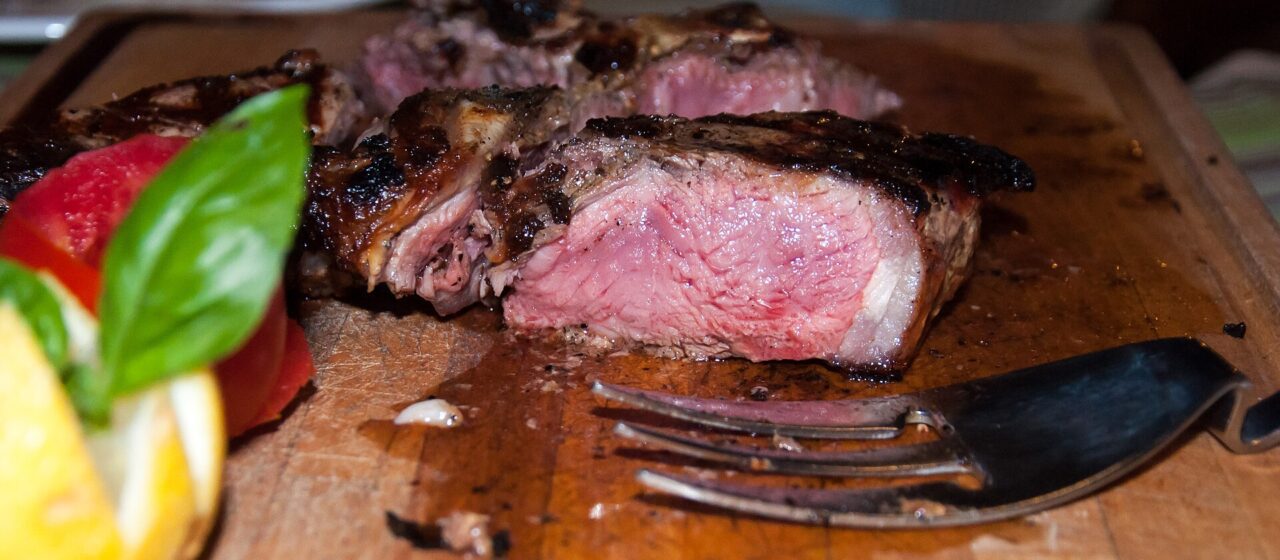
The classic definition: a thick-cut T-bone steak from Italian heritage cattle — traditionally Chianina — cut 5–6 cm thick (about 2 inches), grilled hot and fast over wood or charcoal until well-browned outside and rare inside, then briefly stood on its bone so the heat reaches the meat around it. Served on a wooden block, seasoned at the table with coarse sea salt and a generous slug of Tuscan extra-virgin olive oil. The weight depends on the animal and the cut, so ask how heavy the steak is when you order.
Critically, the steak is shared. One bistecca for two people is the standard order; one steak between three is fine; one bistecca per person is what an American steakhouse does, and it’s not what bistecca alla fiorentina is supposed to be. The cut includes both the tenderloin (filet) and the larger striploin sides of the T-bone, so two diners get one of each.
The Chianina cow
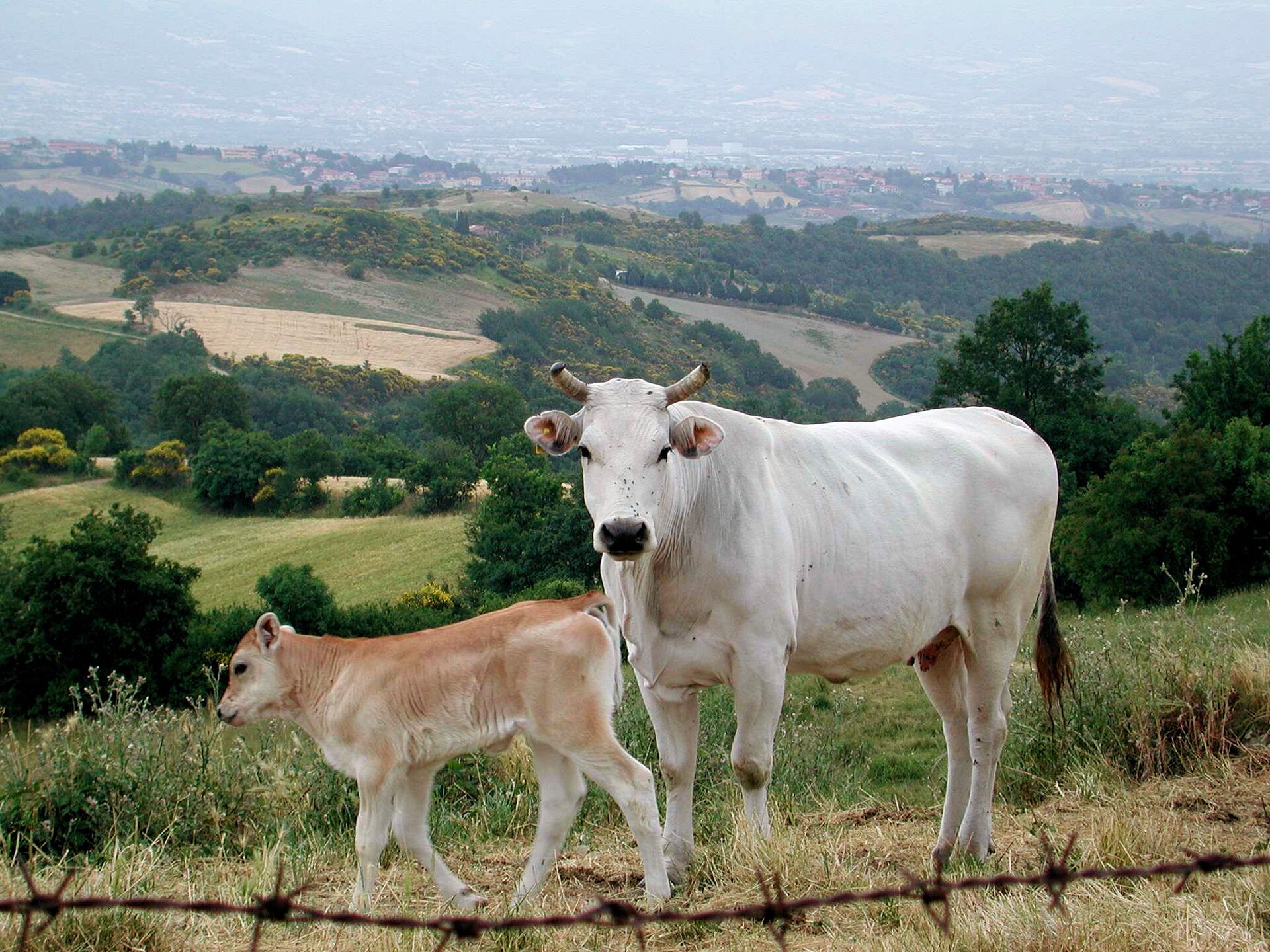
The breed at the centre of bistecca tradition. Chianina are one of the oldest and largest cattle breeds in Europe, with documented presence in Tuscany since Roman times. Mature bulls can exceed 1,600 kg and stand up to about 1.8 metres at the shoulder, while oxen can reach 2 metres — the breed was historically used for draught work in the Val di Chiana, the agricultural valley south-east of Florence, and has been raised mainly for beef since the Second World War.
The meat is lean, intensely flavoured, and barely marbled — almost the opposite of Wagyu beef. Chianina are valued for their growth rate and meat quality, though feeding and slaughter age vary from one production system to another. Chianina IGP (Indicazione Geografica Protetta) status protects the name and requires that “Chianina” beef sold under this designation comes from Val di Chiana animals raised under specific conditions.
Most authentic Florence trattorias source Chianina from Tuscan butchers and slaughterhouses; the better restaurants will tell you specifically which farm the meat came from. If the menu doesn’t say Chianina, it might still be excellent (Marchigiana and Romagnola are the two main alternative heritage breeds; both produce good bistecca) but it isn’t the original. Always ask if you care.
How bistecca is traditionally cooked
The traditional Florentine method:
- Take the steak from the fridge 2–3 hours before cooking. The meat should be at full room temperature before it touches the grill.
- Build a hot wood or charcoal fire and let it burn down to white-hot embers. Olive wood, oak and chestnut are traditional.
- Place the steak directly on the grate. Cook 3–4 minutes per side, undisturbed.
- Stand the steak on its bone for about two more minutes, so the heat reaches the meat around the bone.
- Let it rest off the heat before slicing.
- Slice off the bone, then crosscut against the grain. Season with sea salt only after cooking, never before. Drizzle generously with raw Tuscan olive oil and crack a little black pepper.
Internal temperature target: about 50–52°C (122–125°F) at the thickest point — properly rare. The exterior should be deeply browned with visible char marks; the interior should be red, warm and juicy. Anything more cooked than that, traditionalists will tell you, is technically wrong. Florentine restaurants generally won’t serve bistecca more cooked than medium; some refuse anything past medium-rare entirely.
How to order bistecca correctly
The Florence bistecca-ordering protocol:
- Order one steak for two people. One bistecca per person is wrong; even three people sharing one steak is acceptable.
- Specify the weight. Bistecca is sold by weight (per etto, 100g). Restaurants typically charge €5–€7 per 100g for Chianina, putting a 1.2 kg steak at €60–€85, served. The waiter will often bring the raw steak to the table for your approval before cooking.
- Cooking temperature. The default is “al sangue” (rare, literally “with blood”). If you genuinely cannot eat rare, ask for “cottura media” (medium); expect mild side-eye but most restaurants will comply. Asking for well-done (ben cotto) at a serious restaurant is a faux pas; some refuse outright.
- Sides. Order beans (fagioli all’uccelletto), roast potatoes (patate al forno) and a salad to share. The bread on the table is for scarpetta (mopping the olive-oil drippings).
- Wine. Chianti Classico Riserva or a Brunello di Montalcino. Avoid white wine with bistecca; it’s a heavy red-meat dish.
- Don’t expect substitutions. Bistecca is an institution — the chef won’t add sauce, cheese, mushrooms or any other modification. Sea salt, olive oil, pepper, optional rocket salad. That’s the canon.
- Dessert is optional. Most Florentines finish with cantucci di Prato dipped in vin santo, or a small espresso and grappa. Skip if full.
8 best places to eat bistecca alla fiorentina
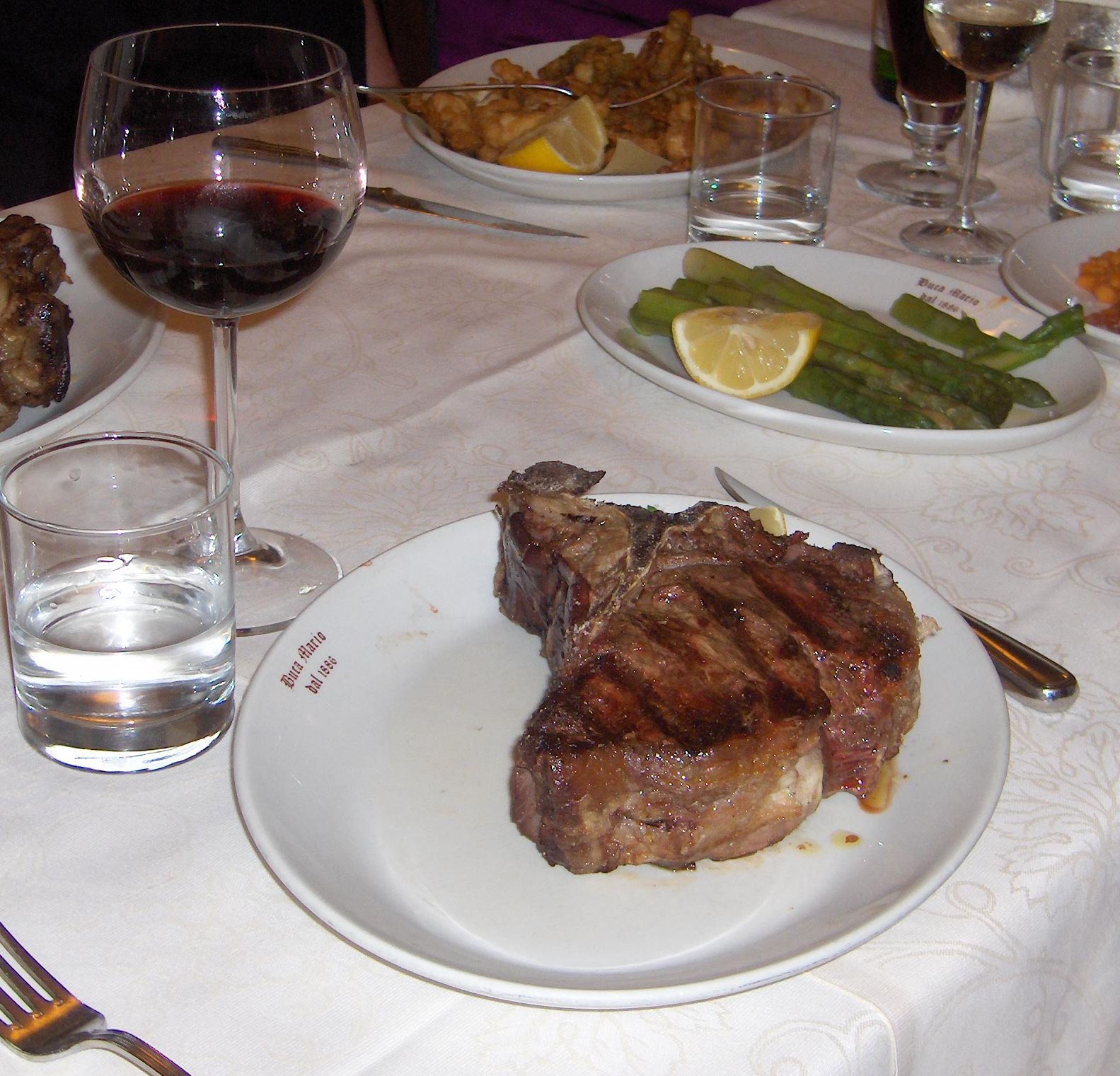
1. Trattoria Mario
Florence’s most famous lunch trattoria, near the Mercato Centrale. Lunch Monday to Saturday, dinner on Fridays too (except in July); reservations accepted. Long shared tables; the bistecca is the lunch institution. A 1 kg Chianina steak runs about €55. Closed Sundays.
2. Buca Lapi (since 1880)
Founded in 1880 in the cellars of Palazzo Antinori, and one of Florence’s oldest restaurants. Vaulted brick dining room, signed wine bottles on every shelf, the bistecca served on a wooden plank. €60–€90 per person depending on how thirsty you are. Via del Trebbio 1r. Reservations recommended.
3. Trattoria Sostanza
A Florence institution since 1869. Famous for its butter chicken, and the bistecca is on the menu too. €40–€60 per person; book 1 week ahead minimum. Via del Porcellana 25r.
4. Trattoria Cammillo
Borgo San Jacopo (Oltrarno). Old-school upper-mid trattoria run by the same family for decades; ask whether bistecca is on that day’s menu when you book. €30–€50 per person depending on cut.
5. Regina Bistecca
Newer (specialty bistecca-only restaurant) in the centro storico, near the Duomo. Premium aged Chianina; €70–€95 per kg; most travellers’ best modern bistecca experience.
6. Trattoria Dall’Oste
Multiple branches across central Florence. Reliable bistecca specialty; €50–€75 per person.
7. Trattoria Zà Zà
Piazza del Mercato Centrale. Touristy but reliable; family-friendly; €40–€60 per person. Big portions; book ahead.
8. Trattoria del Carmine
Oltrarno (Piazza del Carmine). Family-run, slightly off the typical tourist route. €40–€55 per person.
Honourable mentions
Buca dell’Orafo, Trattoria 4 Leoni, Il Latini and Trattoria Ruggero are all old Florence names; check each menu for bistecca before you book.
What bistecca costs in 2026
Honest pricing across Florence:
- Working-class trattoria (Trattoria Mario, Sostanza): €5–€6 per 100g Chianina. A 1 kg steak: €50–€60. With sides and house wine, €75–€100 per couple total.
- Mid-range (Trattoria Cammillo, Trattoria 4 Leoni, Dall’Oste): €5.50–€6.50 per 100g. A 1.2 kg steak: €65–€80. Total per couple with sides and Chianti €110–€140.
- Upper-mid (Buca Lapi, Regina Bistecca): €6–€7.50 per 100g; premium aged Chianina €70–€95. A 1.2 kg steak: €72–€115. Total per couple €130–€200 with mid-range wine.
- High-end (specialty restaurants, premium aged cuts): €8–€12 per 100g. A 1.2 kg steak: €95–€145. Total per couple €180–€280.
Note that Florence pricing sits well below steakhouse pricing in New York or London — a Florence bistecca that costs €130 for two would easily run $250–$300 in Manhattan. Even at the high end, Florence bistecca is a relative bargain.
Wine, sides & pairings
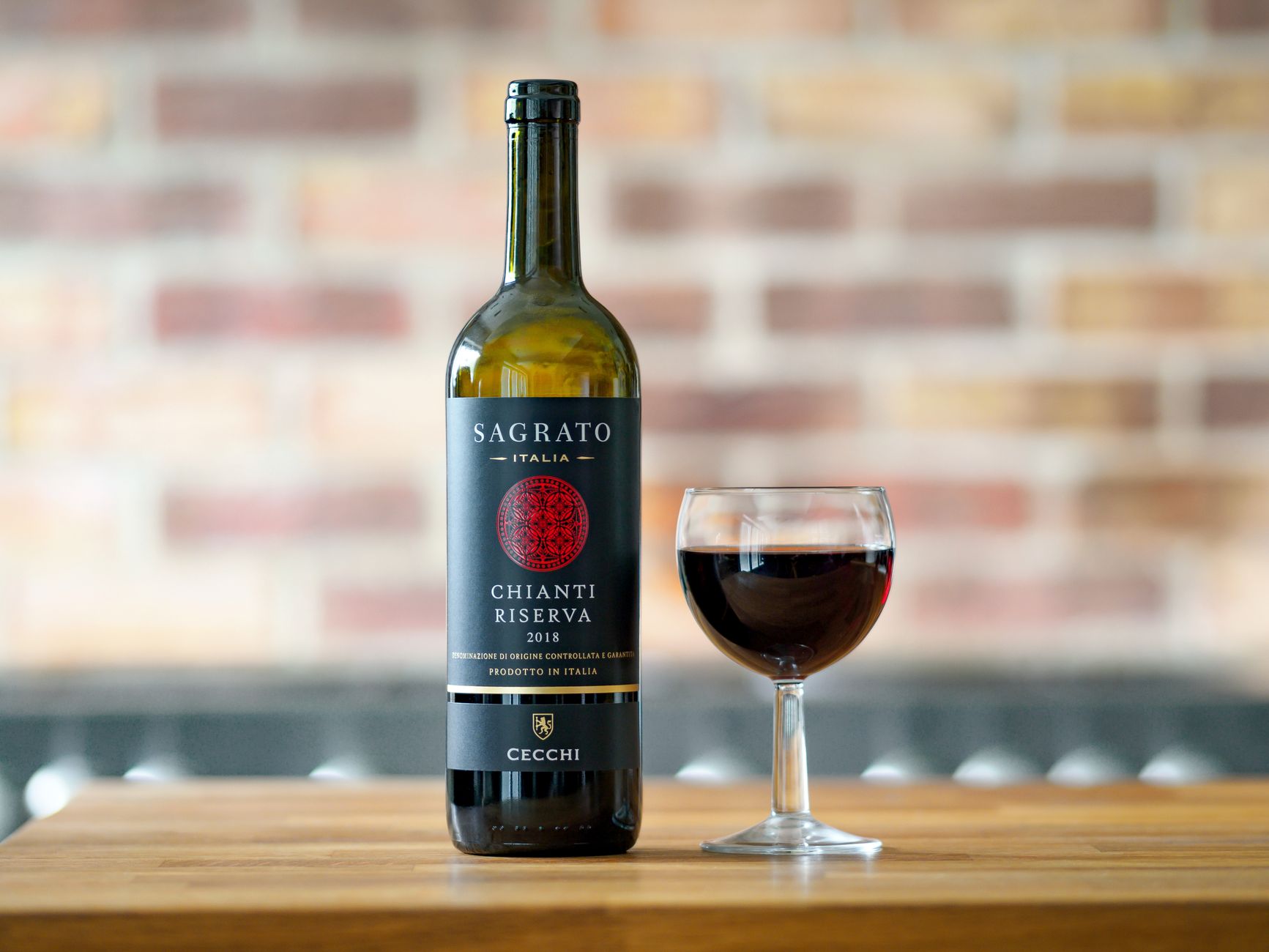
Wine
- Chianti Classico Riserva (€25–€40 a bottle at trattorias) — Sangiovese, aged 24+ months. The standard pairing. Firm tannins, dark fruit, savoury; cuts the steak’s richness.
- Brunello di Montalcino (€60–€150) — one of Tuscany’s most celebrated reds. From the Sangiovese clone “Brunello”; it goes on sale on 1 January of the fifth year after the harvest, with at least two years in oak. The luxury upgrade; transforms a great bistecca into a destination dinner.
- Vino Nobile di Montepulciano (€30–€50) — Sangiovese-based; firm tannins. The mid-tier sweet spot.
- Super Tuscan (€100–€600) — Sassicaia, Tignanello, Ornellaia. International varieties blended with Sangiovese; modern, complex.
- Italian-house red (€5–€8 a quarter-litre) — fine for a casual lunch; you can do better with bistecca but the world doesn’t end.
Sides
- Fagioli all’uccelletto — white cannellini beans cooked in tomato sauce with sage and garlic. The classic Tuscan side.
- Patate al forno — roast potatoes with rosemary.
- Spinaci saltati — wilted spinach with garlic and olive oil.
- Insalata mista — mixed salad to cut the richness.
- Verdure alla griglia — grilled vegetables (zucchini, peppers, aubergine).
- Pane Tuscan bread — the bread that comes free is for scarpetta (mopping olive oil from the plate).
Starter ideas
Crostini neri (chicken-liver pâté), prosciutto e melone in summer, antipasto Tuscano of mixed cured meats and pecorino. Skip the heavier pasta primo if you’re committing to bistecca — the steak is the meal.
Dessert
Cantucci di Prato dipped in vin santo (€6–€10). Grappa or limoncello digestivo. An espresso to finish.
How to avoid tourist-trap bistecca
Florence has dozens of restaurants serving bistecca alla fiorentina to tourists who don’t know what they’re ordering. Red flags:
- “Bistecca for one” on the menu. Bistecca is meant for two; restaurants offering individual portions are usually slicing larger cuts and reheating, or using thinner cuts that don’t qualify.
- Pre-cooked bistecca on display. A bistecca should be cooked to order from raw, never pre-cooked.
- Listings without weight pricing. Real bistecca is sold by weight; flat-price “bistecca” is usually a smaller, cheaper cut.
- “Chianina” claim with no provenance. Genuine Chianina IGP is a controlled designation. Restaurants serving it should be able to tell you the farm or butcher.
- Sauce-doused bistecca. Adding green sauce, balsamic glaze or anything beyond olive oil and salt is non-traditional and usually a signal that the underlying meat needed help.
- Aggressive English-only menus and barkers outside. The most authentic bistecca restaurants don’t need to draw tourists in.
- Tourist-strip locations. Restaurants in the tightest tourist circuit (around the Duomo) tend to be more variable; the best bistecca is in San Lorenzo, Oltrarno and Santa Croce.
- Cooked beyond medium. If the chef agrees to cook bistecca well-done without question, it’s not a serious bistecca restaurant.
Alternative breeds, vegetarian alternatives & ethical sourcing
Marchigiana & Romagnola
The two main heritage Italian beef breeds besides Chianina. Both produce excellent bistecca; Marchigiana from the Marche region tends to be slightly leaner, Romagnola from Romagna slightly fattier. Many Florentine restaurants serve these as substitutes when Chianina supply is short. The marketing standard is “fiorentina di razza italiana” or “fiorentina di Marchigiana” — fully respectable.
Aged bistecca
The newer trend: dry-aged Chianina, hung for several weeks before cutting. Concentrates flavour, develops minerality. €70–€95 per kg; available at Regina Bistecca, Buca Lapi, premium specialty restaurants.
Ethical & pasture-raised
Increasing numbers of Florentine restaurants serve Chianina certified by their welfare standards: free-range pasture, no growth hormones, traceable single-farm sourcing. Macelleria Cecchini in Panzano in Chianti, south of Florence, is Dario Cecchini’s butcher shop; he also serves shared-table meat menus at Officina Cecchini. Look for “from Cecchini” or “from Falorni” on bistecca menus as quality markers.
Vegetarian alternatives
Florentine restaurants don’t generally try to make a “vegetarian bistecca” because the dish is so specifically about the cut and breed. If you don’t eat steak, skip bistecca entirely; Florence has other strong primo and secondo dishes (pici al ragù di cinghiale isn’t vegetarian either, but ribollita, panzanella, fagioli all’uccelletto and porcini-pasta are excellent meat-free options).
Cooking bistecca at home
If you want to recreate the experience after your trip:
The cut
You need a T-bone steak cut 5–6 cm thick (about 2 inches). A regular American T-bone is half this thickness and won’t work — you’ll burn the outside before the inside warms. Most US butchers will cut to order if you ask; ask specifically for “Florentine cut” T-bone. Chianina beef is hard to source outside Italy; American grass-fed alternatives (Black Angus, dry-aged) are the realistic substitutes.
The fire
Wood or charcoal — never gas. Olive wood, oak, mesquite, or hardwood-charcoal. The fire must burn down to white-hot embers, not active flame. A high-end gas grill on full power can approximate it but loses the smoke notes.
The cooking
One Italian grill-shop recipe gives the method: steak at room temperature; 3–4 minutes per side, undisturbed; then about two minutes standing on the bone; let it rest off the heat before slicing. Internal temperature about 50–52°C (122–125°F).
The seasoning
Coarse sea salt sprinkled after cooking, never before. Crack black pepper. Drizzle generously with the best Tuscan extra-virgin olive oil you can buy. Optional: a few rocket leaves for visual contrast.
The wine
Chianti Classico Riserva from a producer like Antinori, Frescobaldi, Castello di Ama or Volpaia. €25–€60 a bottle.
Bistecca-focused experiences in Florence
- Florence Cooking Classes Bistecca Workshop — 4-hour class learning to source, season and cook bistecca; €120 per person; ends with a Chianti dinner.
- Macelleria Cecchini visit in Panzano in Chianti, south of Florence — full-day Chianti food experience visiting Dario Cecchini’s butcher shop; €150 per person.
- Bistecca-and-vineyard day — combine a Chianti vineyard tour with a Castello di Verrazzano or Castello di Brolio bistecca lunch; €150–€220 per person.
- Curious Appetite Progressive Tuscan Dining Crawl — a four-hour small-group dinner across four venues in central Florence: aperitivo, pasta, Florentine steak and gelato; US$175 per guest, plus processing and ticketing fees at checkout.
A short history of bistecca
The bistecca alla fiorentina tradition predates the modern era by centuries. The name “bistecca” derives from the English “beefsteak” — adopted into Tuscan dialect in the 16th century when English merchants resident in Florence introduced beefsteak as a meal-format. Florentine cooks adopted the dish and adapted it to local ingredients (Chianina cattle, olive wood for grilling, raw olive oil for finishing).
Its firmest early record is in print: Pellegrino Artusi included bistecca alla fiorentina in his 1891 cookbook.
The BSE crisis (“mad cow disease”) reached the bistecca in March 2001, when EU controls listed the vertebral column of cattle over 12 months old as specified risk material, threatening the bone-in tradition. Exemptions turned on each member state’s BSE risk and feed controls; the rules named no cattle breed.
Bistecca as cultural ritual — why Florentines care so much
Bistecca alla fiorentina occupies a place in Florentine culture that no equivalent dish does in most other cuisines. A few observations:
- It’s communal. Florentines almost never order one bistecca per person. The dish is structurally meant for sharing, which makes the dinner social by design.
- It’s politically charged. The EU’s 2001 BSE rules on the vertebral column turned bistecca into a symbol of Tuscan food sovereignty for local farmers, butchers and restaurants.
- It’s class-bridging. A €55-a-kilo lunch bistecca at Trattoria Mario and a €150 dinner bistecca at Buca Lapi are both legitimate; both feed Florentines and travellers; both are recognisably the same dish. Few cuisines have a signature meal that reads as both working-class and luxury.
- It’s regional-identity-tied. Asking a Florentine about bistecca is asking about Tuscany generally — Chianina cattle, olive oil, Chianti, the Val di Chiana, the salt-tax origins of Tuscan bread. The dish carries the cuisine’s whole logic.
For travellers, the cultural context matters because it explains why Florentines can be precious about how bistecca is ordered, cooked and served. It’s not arbitrary fussiness — it’s defending a specific food tradition that has survived centuries of pressure from cheaper substitutes, faster cooking methods and tourist demands. Eat it correctly and Florentines genuinely appreciate the participation.
When to eat bistecca
Bistecca is served year-round in Florence; the dish doesn’t have a strong season the way ribollita does (winter) or pappa al pomodoro does (summer). Practical seasonal notes:
- Spring (March–May): ideal weather for bistecca dinners; outdoor terraces open. Pair with younger Chianti Riserva — fresher fruit profile.
- Summer (June–August): slightly less appetising in the summer heat; some travellers split the steak between three rather than two. Pair with an extra-cold sip of Chianti Classico (Tuscan reds are often served slightly chilled in summer).
- Autumn (September–November): the prime season. New olive oil arrives at Sant’Ambrogio in mid-November; the best restaurants finish bistecca with the new oil for two months. The grape harvest brings serious wine pairings online; Brunello di Montalcino’s new vintage releases in early winter.
- Winter (December–February): cosy season for indoor bistecca dinners. Pair with aged Brunello — fully expressive after several years of bottle aging.
In August some serious bistecca restaurants close for a staff vacation, so check before you go. Otherwise the bistecca scene runs continuously through the year.
A self-guided Florence bistecca crawl
For dedicated bistecca pilgrims who want to compare across multiple restaurants — perhaps the closest thing Florence has to “bistecca tourism”:
Trattoria Mario at lunch
The working-class baseline. Lunch with house wine, Monday to Saturday; book ahead, or come for Friday dinner outside July. Confirms what €5–€6 per 100g Chianina cooked correctly tastes like.
Buca Lapi at dinner
The 1880-since classic. €70–€90 per person; basement vaulted dining; Antinori family wines. The most theatrical bistecca dinner in Florence.
Trattoria Sostanza next night
A cult-classic experience. €40–€60 per person. Book a week ahead. The bistecca is excellent; the butter chicken is a side-trip.
Regina Bistecca for the modern aged comparison
€70–€95 per kg for premium aged Chianina; €100–€150 per couple. Compare its 21-day-aged fiorentina with the rare-only-at-Mario standard.
Macelleria Cecchini in Panzano
An hour south of Florence in Chianti. The ethical-sourcing pilgrimage. Day trip plus lunch at the macelleria’s restaurant; €100–€130 per person.
Five bistecca dinners across a Florence-Tuscany week is a serious commitment but transforms the dish from “thing you order once” to a deep food-tradition experience.
A complete bistecca dinner — what to actually order
The traditional Florentine bistecca dinner is a leisurely, multi-course ritual. For two people:
Antipasto (€12–€18)
Crostini neri (chicken-liver pâté on toasted bread) — the classic Tuscan starter. Or a small plate of mixed cured meats and pecorino. Or prosciutto e melone in summer.
Primo (optional, €12–€18)
Skip the pasta primo if you’re going hard on bistecca. If you must, order pici al ragù di cinghiale (hand-rolled spaghetti with wild-boar ragù) — light enough to leave room for the steak.
Secondo: bistecca (€60–€115)
One steak for two; rare; sea salt and olive oil only.
Contorni / sides (€8–€16)
Fagioli all’uccelletto + roast potatoes + a small mixed salad. The fagioli is non-negotiable; it absorbs the bistecca’s olive-oil drippings.
Wine (€25–€60)
Chianti Classico Riserva for the standard pairing.
Dolce (€8–€12)
Cantucci di Prato dipped in vin santo, or skip if too full.
Coffee, digestivo (€5–€8)
Espresso plus a small grappa or limoncello to finish.
Total for two: €130–€220 depending on restaurant and cuts. Coperto cover charge (€2–€4 per person) and tip (€5–€10) on top. Give the whole experience a full evening; rushing it is wrong. Italian dinner culture builds in the time.
Three common bistecca myths
- “Real bistecca must be from Chianina cattle.” Chianina is the gold standard, but Marchigiana and Romagnola are fully respected alternative breeds. The dish is defined by the cut, thickness, cooking method and seasoning — not exclusively by breed.
- “Bistecca should be cooked completely rare.” Rare at the centre is the tradition (one Italian recipe aims for about 50–52°C there), but the kitchen can cook it further if you ask. Asking for medium-well or well-done is non-traditional but most restaurants accommodate.
- “You must eat bistecca only at famous tourist-trap restaurants.” The best bistecca comes from family-run trattorias where the same Chianina supply has been used for decades. Trattoria Mario, Trattoria Sostanza, Trattoria Ruggero, Trattoria del Carmine — none of these are luxury restaurants but they serve some of Florence’s best bistecca.
Bistecca alla fiorentina — FAQ
What is bistecca alla fiorentina?
A thick-cut T-bone steak — typically 5–6 cm thick, its weight depending on the cut — from Italian heritage cattle (traditionally Chianina). Wood-grilled rare and seasoned only with sea salt and Tuscan olive oil. Usually shared: some restaurants cut it for one, two or three people.
How much does bistecca alla fiorentina cost in Florence?
€5–€7 per 100g for Chianina at most trattorias; €70–€95 per kg for premium aged cuts. A 1.2 kg steak runs €60–€115 depending on quality. With sides, wine and antipasto, total per couple is typically €100–€180.
How is bistecca cooked?
Over wood or charcoal — never gas. 3–4 minutes per side, then about two minutes standing on the bone. Internal temperature about 50–52°C (122–125°F). Seared outside, rare inside.
Can I order bistecca cooked medium or well-done?
You can request “cottura media” (medium); many restaurants will comply with a mild eye-roll. Well-done (ben cotto) is non-traditional and some serious bistecca restaurants refuse. The default is rare (“al sangue”).
Where is the best bistecca in Florence?
Trattoria Mario for the working-class lunch institution (reservations accepted). Buca Lapi for old-Florence theatrical dinner (since 1880). Trattoria Sostanza for the cult-classic dinner. Regina Bistecca for modern aged-Chianina specialty. Trattoria Cammillo for Oltrarno reliability.
What’s the difference between bistecca alla fiorentina and a normal T-bone steak?
The cut is a T-bone either way; what marks out bistecca alla fiorentina is its thickness of about 5–6 cm, the traditional Chianina breed and rare grilling. The result is a meatier, more intensely flavoured steak with leaner texture.
Is bistecca worth the price?
Yes — for a once-per-trip splurge. €60–€100 per couple at a serious trattoria buys you 1.2–1.5 kg of Chianina T-bone, which is among the best steak experiences most travellers will have. The price-quality ratio is significantly better than equivalent steakhouses in New York, London or Tokyo.
What wine pairs with bistecca?
Chianti Classico Riserva is the standard. Brunello di Montalcino is the upgrade. Vino Nobile di Montepulciano is the mid-tier sweet spot. Super Tuscans (Sassicaia, Tignanello) are luxury-tier. White wine doesn’t pair; stick to red.