This article contains advertising. Booking links on this site can be turned into paid links automatically by our partner Travelpayouts: if you book through one, we earn a commission from the provider, at no extra cost to you. It never affects what we recommend. Affiliate disclosure
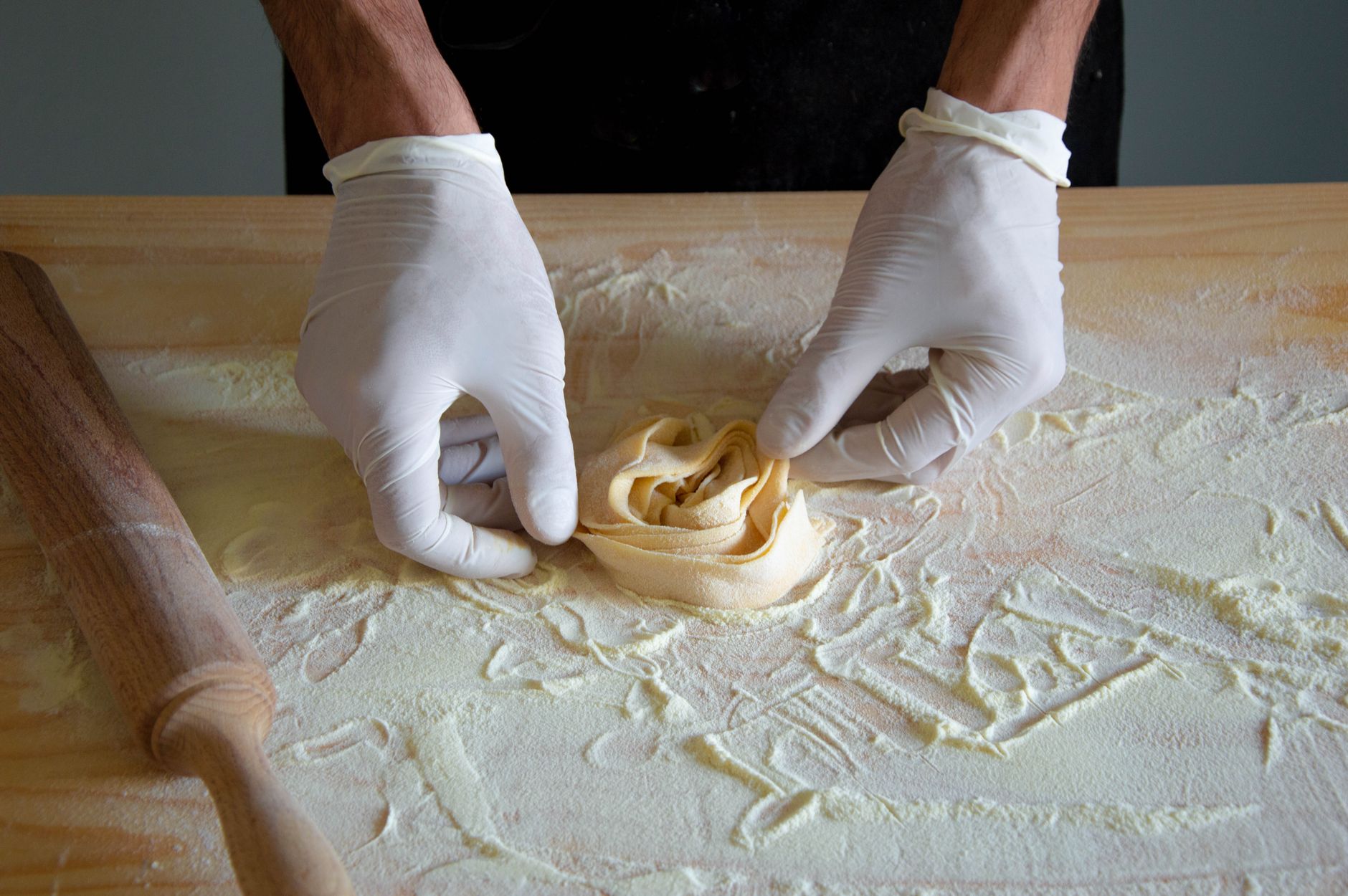
Cooking classes in Florence Italy are arguably the city’s most rewarding hands-on experience — three to four hours of pasta-rolling, pizza-stretching, ragù-stewing and tiramisu-layering, ending with a sit-down meal of what you’ve cooked, paired with Tuscan wine. Florence has dozens of cooking schools at every price point, from €60 family-friendly gelato sessions to €350 Tuscan-castle-with-vineyard-tour full days. This 2026 guide rounds up the 20 best cooking classes in Florence, what each one specifically does well, what to expect at different price points, family-friendly options, and the booking patterns that get you the right class.
For broader food context see our Florence Food Guide pillar; for restaurants see Best Restaurants in Florence.
The best classes start at a market rather than a kitchen, so it helps to know the ground: our guides to the Mercato Centrale and traditional Florentine dishes cover what you will be shopping for, and a class pairs naturally with a Tuscan wine tour later in the week.
A hands-on class is one of the few Florence experiences worth its full asking price. For where it sits against everything else on offer, see our pillar guide to Florence tours and tickets.
A class is one of five ways to eat your way round Florence with somebody explaining it. Our Florence food tours guide sets classes against market walks, evening crawls and tastings, with prices for each.
What to expect at a Florence cooking class
A typical 4-hour Florence cooking class follows this structure:
Hour 1: Market tour or kitchen briefing
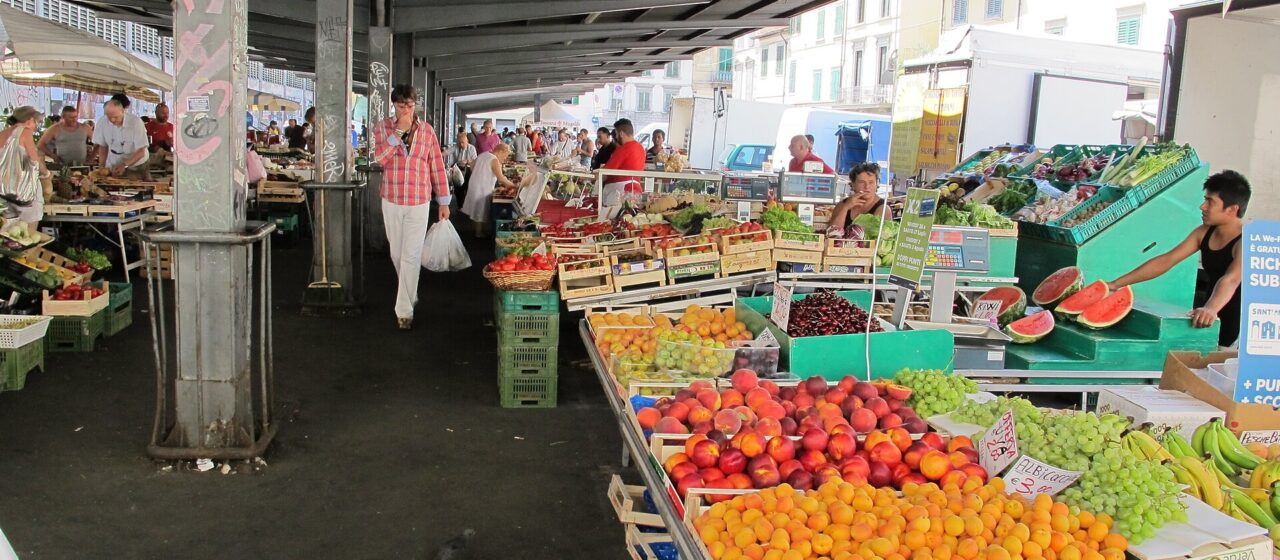
Better classes start at Sant’Ambrogio or Mercato Centrale market for 30–45 minutes — the chef walks you through sourcing fresh produce, choosing pasta flour, identifying quality cheese and salumi. You buy nothing; the school’s ingredients are already prepared in their kitchen. Other classes skip the market tour and start with a kitchen briefing: an apron, a quick rundown of safety, and an introduction to the day’s recipes.
Hour 2: Pasta or pizza shaping
The hands-on core. You roll out fresh pasta dough on a wooden surface, shape it into tagliatelle, ravioli, pici or pappardelle. Pizza classes shape dough from a pre-fermented base, top it with fresh ingredients, slide it into a wood-fired oven. Some classes let you make multiple pasta shapes; others focus on one signature pasta in depth.
Hour 3: Sauce and secondi
While the pasta rests or rises, the chef demonstrates a Tuscan classic — wild-boar ragù, ribollita, pappa al pomodoro, ossobuco. You participate in stirring, slicing, seasoning. By this point the kitchen is loud, fragrant and the wine starts pouring.
Hour 4: Plating and dinner
You plate your own pasta with sauce; the chef handles the secondo (often pre-prepared); dessert (tiramisu, panna cotta) is layered together. Then you sit down at a long table and eat what you’ve cooked, paired with house Chianti or Vernaccia. Other guests at the same class are typically friendly, often international, and the meal usually runs 60–90 minutes.
Group size: 4–14 people typical. Smaller groups (4–6) are more hands-on; larger (12–14) are more spectator-style at expensive moments. Ask before booking.
Languages: English is universal; Italian, Spanish, German, Mandarin available at larger schools.
10 best Florence cooking schools
1. Mama Florence
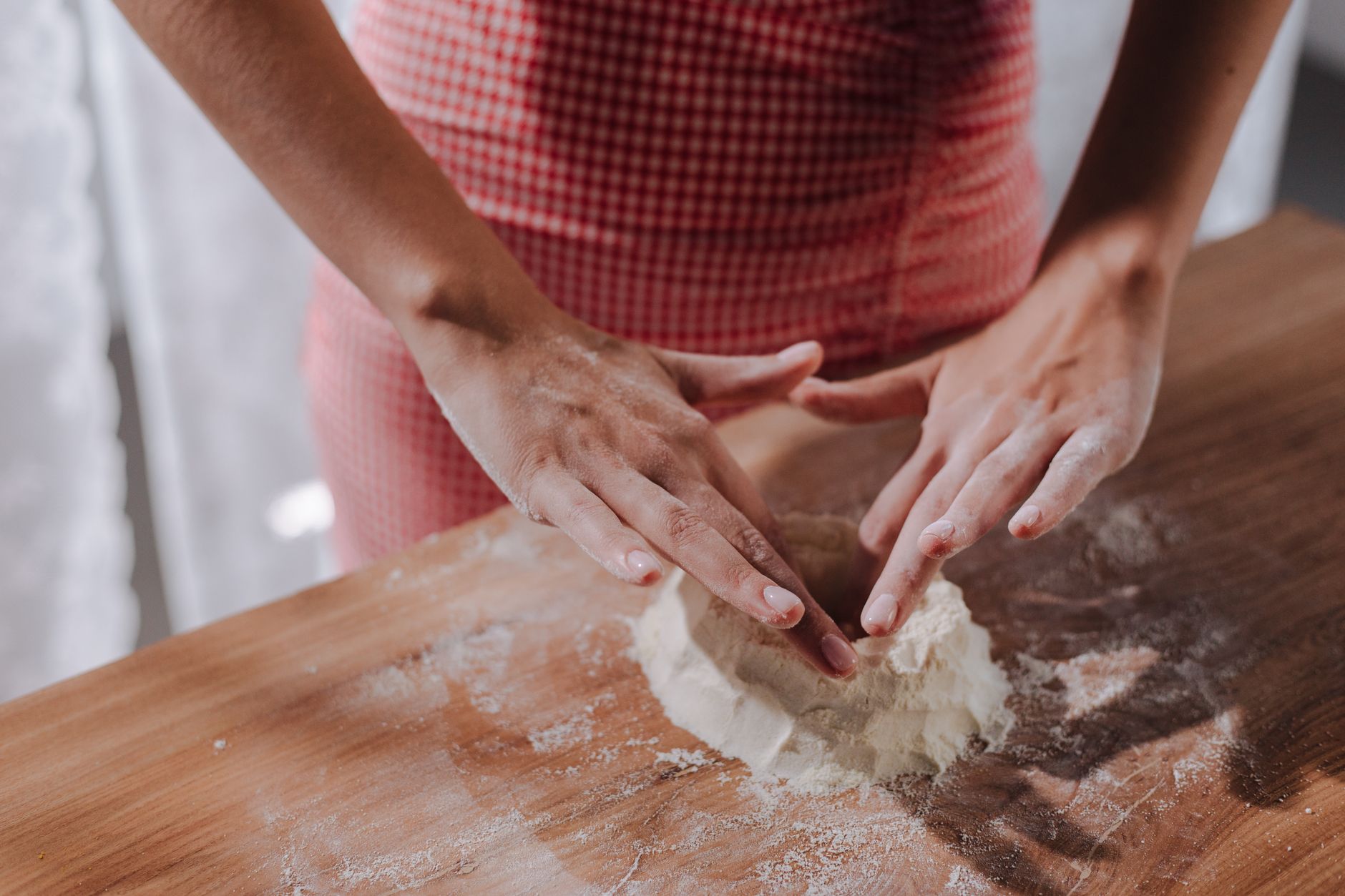
Most-booked Florence cooking school. Multiple class formats from 2-hour pasta workshops (€85) to 6-hour farmhouse days (€220). The signature 4-hour market-tour-and-cook class is €95–€105 and runs morning and afternoon sessions daily. 8–14 people per class; English, Italian, Spanish. Founded 2008; multiple kitchens; strong English-speaker reputation.
2. Cesarine
Italy’s network of grandmother-home cooks. Cesarine cooking class in a Florentine home is the most authentic format: 3 hours, €85 per person, 4–8 students in the cook’s actual home kitchen. You eat at her dining table. Florence has 8–10 active “Cesarine” hosts in San Frediano, Santa Croce and Settignano. Booking 2–3 weeks ahead.
3. Florencetown
Walking-tour-meets-cooking-class operator. The signature 6-hour Tuscan farmhouse day (€140–€175) leaves Florence at 09:00 by minibus, drives to a Chianti farmhouse, includes market shopping (or estate-garden picking), 4-hour cooking class, and lunch with Chianti vineyard wines. The countryside pivot adds a Tuscan-region dimension that in-city classes miss.
4. Cucina Lorenzo
Smaller, more intimate. 6-person max classes in a kitchen near Mercato Centrale. €85 for 3-hour pasta class; €110 for 4-hour Tuscan menu class. Less famous than Mama Florence; more hands-on per person. Open since 2015.
5. Florence Cooking Classes
The school behind the brand florencecookingclasses.com. Multiple specialty classes: pasta, pizza, gelato, bistecca-and-grilling, vegetarian. €70–€140 per class. Strong on bistecca-specific instruction.
6. Walkabout Tours Cooking
Combines walking tours with cooking. €120 for a half-day that includes a 90-minute Mercato Centrale walking tour plus 2.5-hour cooking class.
7. Fattoria di Maiano (Fiesole)
Cooking class on a working olive estate in Fiesole. €175 per person; full-day with olive-grove tour, market visit, cooking class with the estate cook, and lunch on the panoramic terrace.
8. La Soffitta del Buon Senso
Small-group cooking school near Santa Croce. €95 for 4-hour class focused on Tuscan classics. 6–8 students; the head chef is Florentine, English-speaking but not native.
9. In Tavola
Established cooking school operating from a quaint Oltrarno kitchen. Multiple class options €70–€140; popular with returning travellers. Pizza-and-gelato class is a family favourite.
10. Tasting Florence Cooking
Newer (opened 2023), smaller-group format, 6-person classes with hands-on focus. €120 per person; 3-hour pasta class with wine pairing.
Honourable mentions
Welcome Florence (small kitchen near Santa Croce, €90 classes); Florence4Foodies cooking; Cesarine sister network for Tuscan-region cooking; private chef-at-home cooking classes through luxury hotel concierges (€350+ per couple).
Class types — what kind of cooking class to choose
Pasta-making class (most popular)
Focus: handmade fresh pasta. You learn the dough (flour + egg only — no water or salt in classic Tuscan pasta), the rolling technique, multiple shapes (tagliatelle, ravioli, pici, pappardelle). Sauce-pairing is taught. Class length 2.5–4 hours. Price €70–€110. Best for first-timers.
Pizza class
Focus: hand-stretched pizza dough, wood-fired oven cooking. Less Tuscan in tradition (pizza is Neapolitan in origin) but very popular with kids. 2–3 hours; €70–€95.
Gelato class
Focus: gelato science. You make 2–3 flavours and eat them. 90 minutes; €60–€80.
Tuscan menu class (full meal)
Focus: a 3- or 4-course Tuscan menu — antipasto + pasta + secondo + dessert. The most comprehensive class; 4–5 hours; €95–€140.
Farmhouse / countryside class
Focus: same as Tuscan menu but in a Chianti farmhouse with countryside views and vineyard wines. 6–8 hours including transport; €140–€220.
Cesarine home class
Focus: cooking with a Florentine grandmother in her home. Most authentic format; 3 hours; €85.
Bistecca grilling class
Focus: bistecca alla fiorentina — sourcing, butchering, grilling. Less common; €120 for 4-hour class with full bistecca dinner.
Specialty class (truffle, gnocchi, tiramisu, etc.)
Focus: a single dish or technique. 90 min – 2 hours; €60–€90.
Classes by price point
Under €80 (budget)
- In Tavola pasta-only class — €70.
- Cesarine 3-hour class — €85 (lower end of mid-range).
- Florence Cooking Classes pasta-only — €70.
- Gelato or pizza class anywhere — €60–€80.
€80–€110 (mid-range)
- Mama Florence 4-hour signature class — €95–€105.
- Cucina Lorenzo 4-hour Tuscan class — €110.
- La Soffitta del Buon Senso — €95.
- Welcome Florence — €90.
- Florencetown half-day class — €100.
€110–€180 (premium)
- Florencetown Tuscan farmhouse day — €140–€175.
- Fattoria di Maiano (Fiesole) — €175.
- Tasting Florence Cooking 3-hour — €120.
- Florence Cooking Classes bistecca specialty — €120.
- Mama Florence farmhouse day — €165.
€180+ (luxury / private)
- Mama Florence 6-hour deluxe — €220.
- Cesarine private class in a host’s home — from €250 for couples.
- Private chef-at-home class through hotel concierge — €350–€600 per couple.
- Castle & vineyard cooking class at Castello del Nero, Castello di Brolio — €250–€400.
- Bistecca-grilling masterclass at Macelleria Cecchini in Panzano (Chianti) — €250.
Family & kid-friendly cooking classes

Florence with kids is well-served by cooking classes:
- Mama Florence kids’ class — €70 per child; 2 hours of pizza or pasta-making with a kid-focused instructor; ages 5+.
- In Tavola pizza-and-gelato — €80 per child; specifically family-oriented format.
- Florence Cooking Classes family pasta — €75 per child.
- Cucina Lorenzo small-group — accommodates families of 4–6 in private classes.
- Cesarine family hosts — some Cesarine grandmothers specialise in family-friendly classes; €85 per person, kids welcome.
- Florencetown farmhouse day — kid-friendly; the countryside setting works for families with energetic kids.
Practical kid notes: classes welcome ages 5+. Pizza-making classes have higher kid retention than pasta-rolling (the dough is more forgiving and the wood-fired oven is a spectacle). Most classes run 2 hours for kid-focused versions vs 4 hours for adult versions. Ingredients always provided; nothing for kids to bring except enthusiasm.
Cooking classes with a market tour included
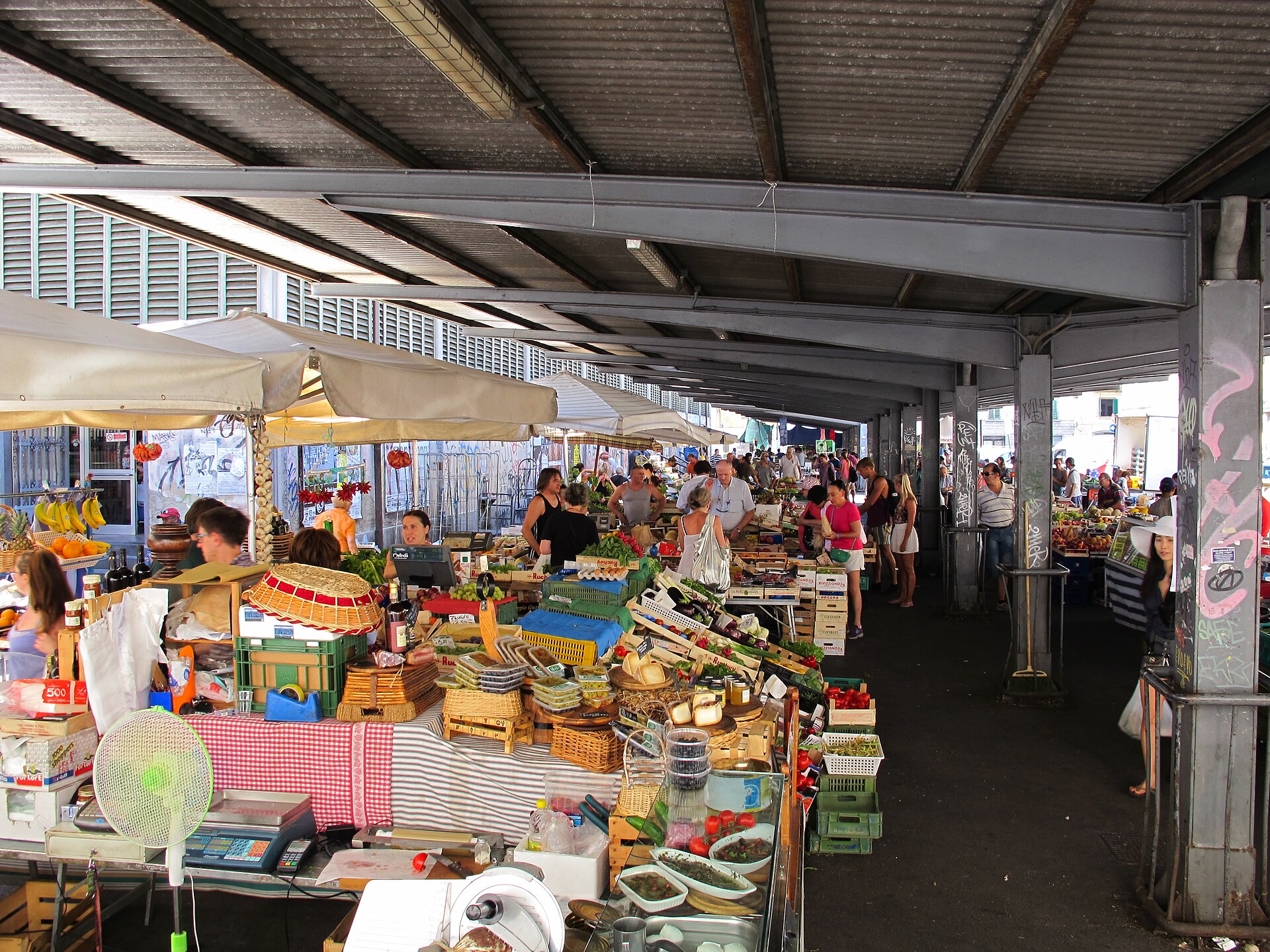
The “market tour included” format is increasingly the standard for premium classes:
- Mama Florence morning class — 45-min Sant’Ambrogio tour + 4-hour cook = €105.
- Florencetown farmhouse — 30-min Mercato Centrale tour + drive to Chianti + 5-hour cook = €170.
- Cesarine home with market — 45-min market shopping with the host + cooking in her home = €95.
- Eating Europe cook-and-walk — combines a 90-min food walking tour + 2-hour cooking class = €130.
- Curious Appetite market-and-cook — tasting tour + cooking session = €140.
The market portion teaches sourcing principles (which seasonal vegetables to buy, how to identify quality cheese, what makes Chianti different from Chianti Classico). The cooking portion converts those into hands-on skills. Most travellers who do market-included classes find them substantially more valuable than kitchen-only classes.
Full-day classes & vineyard combos
For travellers wanting more than a 4-hour kitchen experience:
- Florencetown Tuscan farmhouse day — 09:00–17:00. Pickup, market, drive to Chianti farmhouse, cooking class, lunch on the panoramic terrace, vineyard tasting, return. €140–€175.
- Mama Florence Chianti day — similar format; €165.
- Fattoria di Maiano — Fiesole olive estate; full-day with olive-grove tour and lunch on terrace. €175.
- Castello di Verrazzano cooking + tour — Chianti castle visit + cooking + cellar tour + lunch. €175.
- Castello di Brolio vineyard cooking class — €200.
- Castello del Nero culinary day — luxury option with two-Michelin-star chef. €350+.
- Macelleria Cecchini bistecca workshop — Panzano. €250.
Vegetarian, vegan & gluten-free
Vegetarian
Florence cooking classes accommodate vegetarians readily. Mama Florence runs dedicated vegetarian classes monthly. Cesarine hosts can prepare vegetarian menus. Cucina Lorenzo and In Tavola accommodate on request.
Vegan
Less common but available. Carduccio (the Oltrarno vegan restaurant) runs occasional vegan cooking classes; €120 for 4-hour class. L’OV the vegan trattoria offers a smaller cooking class format.
Gluten-free
Hand-rolled pasta classes can be adapted with rice flour or other gluten-free flours; Mama Florence and a few others offer this on request. Pizza classes can use gluten-free dough.
Allergies (nuts, dairy, eggs)
Tell the school at booking. Most classes accommodate; severe allergies should be flagged at least 48 hours ahead.
How to book the right cooking class
- Book 2–3 weeks ahead in shoulder season; 4–6 weeks ahead in peak (April–October).
- Smaller classes are more hands-on — ask the school how many students per session.
- Read recent reviews sorted by date — classes change as instructors come and go. The class that won awards in 2022 may not be the same in 2026.
- Confirm the language — most classes run in English but some are Italian-only. Verify before booking.
- Check the dietary policy if you have restrictions — confirm in writing 48+ hours ahead.
- Choose morning vs evening based on your itinerary — morning classes (10:00 start) end around 14:00 and free up the afternoon. Evening classes (17:00 start) end around 21:00 with dinner inclusive.
- Class length — 2-hour class = pasta-only, focused; 4-hour = full Tuscan menu; 6-hour = farmhouse day with countryside.
- Group size — 4–8 ideal; 12+ classes start to feel like demonstrations.
- Cancellation policy — most allow free cancellation up to 7 days ahead. Travel insurance recommended for premium €200+ classes.
- Booking platforms — Cookly, Viator, GetYourGuide, school websites direct. Direct booking sometimes 5–10% cheaper.
- Hotel concierge — luxury hotels can secure private classes that aren’t on public booking platforms.
Alternatives to formal cooking classes
Restaurant chef demos
Some Florentine restaurants (Cibreo, Trattoria Mario) occasionally run “watch the chef” demos where you eat at a window seat and the chef explains techniques. Free if you’re dining; informal.
Mercato Centrale upstairs cooking demos
The market food hall runs occasional weekend cooking demonstrations. Free to watch; €30–€60 to participate. Check the calendar.
Cookbook + apartment kitchen
For travellers in apartments — buy Maremma by Diane Seed or Tuscany Made Easy by Chiara Marchello, source ingredients at Sant’Ambrogio market, and cook in your rented apartment kitchen. Free except for ingredients (€15–€30 for a couple’s dinner).
Wine-and-food pairing tastings
Tuscan Wine School (€60) teaches pairings without cooking. A different experience but related.
YouTube + practice
Mama Florence and several Florence cooks run YouTube channels with free tutorials. Watch and try at home.
Cooking class seasonality
Spring (March–May)
Classes run 2x daily; the curriculum shifts to spring vegetables (asparagus, peas, fava beans). Booking 4 weeks ahead.
Summer (June–August)
Peak demand. Booking 4–6 weeks ahead. Curriculum shifts to summer salads, panzanella, pappa al pomodoro. Some classes close 1–2 weeks mid-August.
Autumn (September–November)
The food year’s prime period. Wine harvest brings vineyard combos online. Truffle classes appear in October. Booking 4 weeks ahead.
Winter (December–February)
Quieter; many schools run reduced schedule. Classes shift to ribollita, peposo, slow-stewed dishes. Easier to book at 1–2 weeks ahead. Pricing 10–20% lower.
A perfect cooking-class day in Florence
Morning option (Mama Florence Sant’Ambrogio class)
09:30 — meet at Sant’Ambrogio market. 09:30–10:15 — market tour with chef; identify produce, cheese, salumi. 10:15 — short walk to Mama Florence’s kitchen. 10:30–14:00 — hands-on class: pasta dough, ravioli folding, ragù, tiramisu. 14:00–14:30 — sit-down lunch with Chianti pairing. 14:30 — finish; afternoon free for sights or rest.
Evening option (Cesarine home class)
17:30 — meet your Cesarine host at her home. 17:30–20:30 — cooking in her kitchen — pasta-making, ribollita, secondo. 20:30–22:00 — sit-down dinner at her dining table with Chianti. 22:00 — walk home through Florence at night.
Full-day option (Florencetown farmhouse)
09:00 — minibus pickup from your hotel. 09:30–10:30 — Mercato Centrale market tour. 10:30–11:30 — drive to Chianti farmhouse. 11:30–14:30 — cooking class on the farmhouse terrace. 14:30–16:00 — lunch with Chianti vineyard wines. 16:00–17:00 — return to Florence.
What past students say
A summary of common themes from cooking-class reviews across the schools:
- “Better than the restaurant meals.” Repeated theme — many travellers find their cooking-class meal is among the best Italian food they ate in Florence, partly because they’re proud of having made it.
- “Wish we’d done it earlier.” Travellers who do the cooking class on day 5 of a 7-day trip often wish they’d done it on day 2 — the market knowledge transforms subsequent restaurant meals.
- “More hands-on than expected.” Smaller-class formats (Cesarine, Cucina Lorenzo, smaller Mama Florence sessions) win on this dimension. Larger classes can feel demonstration-heavy.
- “Pasta is easier than we thought.” The fresh-pasta technique transfers home well. Many travellers add fresh pasta to their home-cooking repertoire after a Florence class.
- “The market tour was the highlight.” Common feedback that the included Sant’Ambrogio or Mercato Centrale walk was as memorable as the cooking itself.
- “Surprisingly social.” Cooking classes break the ice between strangers; the table dinner at the end becomes a real meal with new acquaintances.
- “Wine pairing matters.” Schools that pair wines specifically with each course (Cesarine, Pitti Gola e Cantina cooking) win on the food-and-wine integration.
Recipes to take home
Most classes give you printed recipe cards or a small recipe book at the end. Common takeaways from Florence cooking classes:
- Fresh pasta dough — 100g of flour per person + 1 egg + a pinch of salt + a teaspoon of olive oil. Let rest 30 min before rolling.
- Tagliatelle al ragù di cinghiale — slow-stewed wild-boar ragù with red wine, juniper, rosemary; 4–6 hour cook.
- Ribollita — bread-bean-cabbage soup; built over two days; reboiled the second day.
- Pappa al pomodoro — bread-tomato-basil soup; warm or room temperature; finished with raw olive oil.
- Crostini neri — chicken-liver pâté with capers, anchovies, white wine, butter; on toasted bread.
- Tiramisu — mascarpone, savoiardi biscuits, espresso, marsala; layered and chilled.
- Panna cotta — cream + sugar + gelatine + vanilla; chilled.
- Cantucci di Prato — almond biscotti for vin santo dipping.
The class recipes are typically simplified — purposely scaled to a home kitchen rather than restaurant production. Most travellers find they can replicate 3–4 of these dishes at home with reasonable success in the months after their trip.
Florentine ingredients to take home for cooking
To replicate Florence cooking at home, source these ingredients before you leave:
- Tuscan extra-virgin olive oil — €15–€30 per 750 ml at Sant’Ambrogio market or Pegna.
- Aged pecorino cheese — vacuum-sealed, travels in checked luggage, lasts months refrigerated.
- Cured meats (finocchiona, capocollo) — vacuum-packed; check your home country’s import rules.
- Tuscan dried beans (cannellini, zolfini) — for ribollita and fagioli all’uccelletto.
- “00” Italian flour for fresh pasta — 1 kg bag from any Italian supermarket.
- Tuscan-grown rice — Carnaroli or Vialone Nano for risotto.
- Vin santo — sweet Tuscan dessert wine for cantucci dipping. Check airline luggage rules.
- Cantucci di Prato — boxed at any pasticceria.
- Italian dried herbs — sage, rosemary, thyme, oregano.
- Truffle oil or truffle salt — small bottles travel well; use sparingly at home.
A short history of Florence cooking classes
The modern Florence cooking-class scene is a 21st-century phenomenon. Before the 2000s, cooking classes for tourists were rare in Florence — chefs cooked, tourists ate. The shift began in the early 2000s when culinary tourism emerged as a category and Italian schools opened English-language formats specifically for travellers.
Mama Florence opened in 2008 and quickly became the city’s most-booked school. The 2010s saw a wave of new openings: Florencetown (cooking-plus-walking-tour format), Cucina Lorenzo, In Tavola. Cesarine — Italy’s grandmother-home-cook network — expanded into Florence around 2014 and now operates 8–10 active hosts.
The 2020s added countryside-cooking-class options as the category matured. Castello del Nero, Castello di Brolio, Fattoria di Maiano and other Tuscan estates opened cooking-class formats targeting luxury travellers. The pandemic temporarily slowed bookings but post-2022 demand has returned to peak levels.
2026 sees the category at saturation — Florence has over 50 cooking schools at every price point. Quality varies; the schools that have survived multiple decades (Mama Florence, Cucina Lorenzo, In Tavola) tend to offer the most reliable experience; newer entrants (Tasting Florence, Welcome Florence) compete on intimate group sizes.
Florence cooking classes — FAQ
What is the best cooking class in Florence?
Mama Florence is the most-booked and consistently-rated. Cesarine is the most authentic (cooking with a Florentine grandmother in her home). Florencetown’s farmhouse day is the best countryside option. Cucina Lorenzo is the small-group hands-on alternative. All four are excellent in 2026.
How much do cooking classes cost in Florence?
€60–€80 for short single-focus classes (gelato, pizza, pasta-only). €85–€110 for 3–4 hour mid-range classes including market tour and full meal. €120–€175 for 5–6 hour countryside or premium classes. €200+ for private classes or luxury formats.
How long do cooking classes last?
Most are 3–4 hours; gelato and pizza-only classes are 90 min – 2 hours; full Tuscan menu classes are 4 hours; farmhouse days are 6–8 hours including transport.
Are cooking classes good for kids?
Yes — most schools accept ages 5+. Pizza-making classes have higher kid retention than pasta-rolling (the dough is more forgiving and the wood-fired oven is a spectacle). Mama Florence, In Tavola and Florence Cooking Classes all run dedicated family-friendly formats.
What do you cook in a Florence cooking class?
Standard Tuscan menu: a starter (crostini neri or bruschetta), a primo of fresh hand-rolled pasta (tagliatelle, ravioli, pici, pappardelle), a secondo (slow-stewed beef or chicken), a contorno (fagioli all’uccelletto or grilled vegetables), a dessert (tiramisu, panna cotta). Pizza, gelato and bistecca classes are alternatives.
Do I need to speak Italian?
No. Most Florence cooking classes run in English; some offer Spanish, German, Mandarin or French. Italian is rare for tourist classes.
Should I book the class with market tour?
Yes if budget allows — it adds €15–€30 to the class price but substantially improves the experience. The market tour teaches sourcing principles that pure-kitchen classes miss.
Can I take ingredients home from a Florence cooking class?
Generally no — the ingredients are used during the class. Some classes give you a printed recipe book with sources for ingredients you can buy at Sant’Ambrogio market or Pegna deli. Some classes hand out small packets of dried herbs or pasta as souvenirs.