This article contains advertising. Booking links on this site can be turned into paid links automatically by our partner Travelpayouts: if you book through one, we earn a commission from the provider, at no extra cost to you. It never affects what we recommend. Affiliate disclosure
Planning Your Florence Trip: Complete Travel Guide (2026 Edition)
This is the only Florence travel guide you need. From choosing the best month to visit and booking flights to navigating the compact historic centre on foot, understanding the city’s tourist tax, and packing the right shoes for cobblestone streets — everything a first-time or returning visitor needs to plan a flawless trip to Florence, Italy is right here, fully updated for 2026.
First trip to the city? Start with our Florence guide for first-time visitors, then pin your dates using the best time to visit Florence.
Why Florence? What Makes This City Unmissable
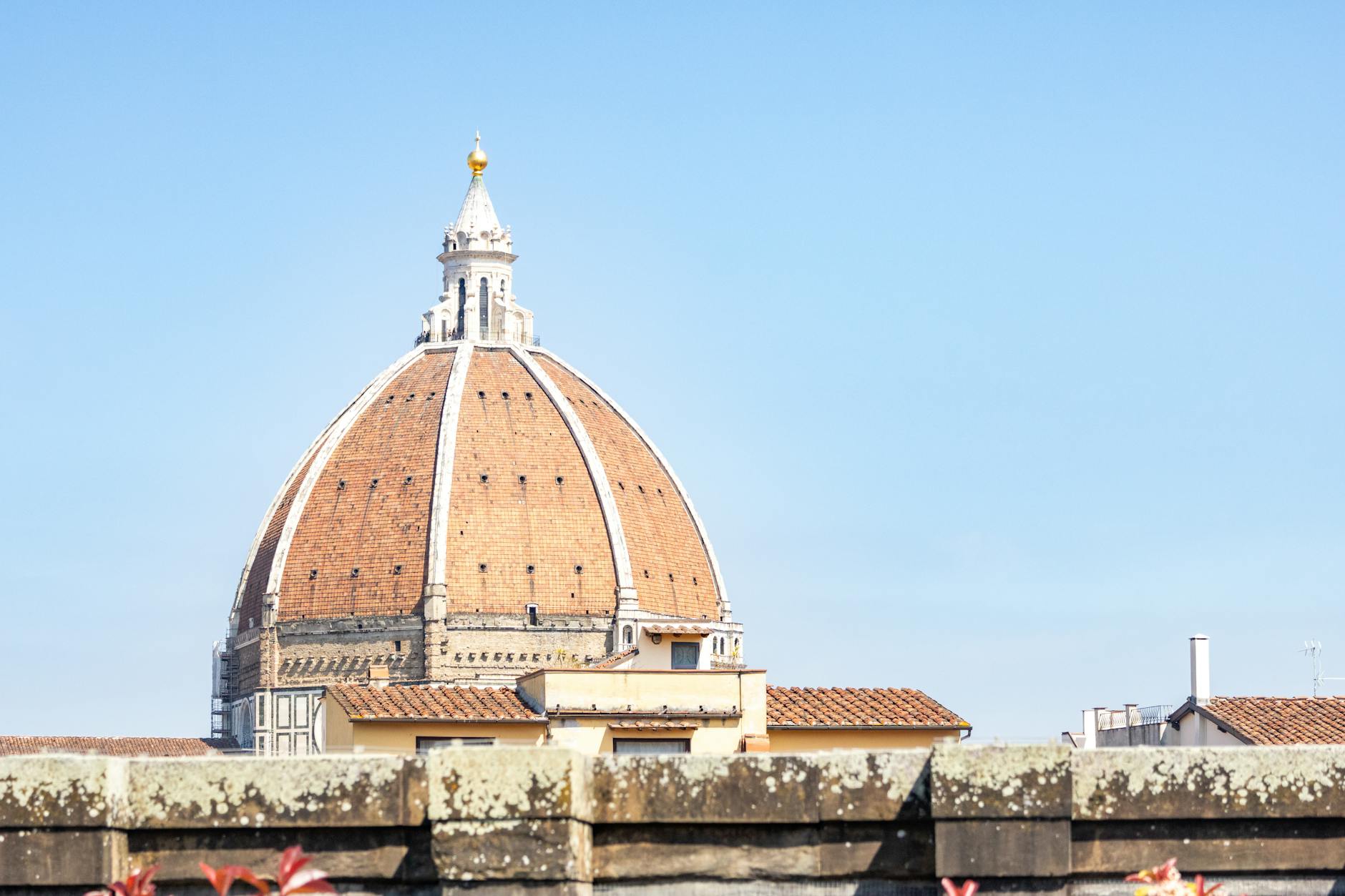
There is a particular kind of beauty that stops you mid-stride and makes you forget what you were doing. Florence delivers that experience constantly — turning a corner to find the Duomo filling the sky without warning, stepping into a church and discovering a Botticelli altarpiece lit by afternoon sun, or simply sitting on the steps of the Ponte Santa Trinita as the Arno turns gold at dusk. Few cities in the world have this density of astonishment per square metre.
Florence — Firenze in Italian — is a city of roughly 360,000 residents, and its compact historic centre was declared a UNESCO World Heritage Site in 1982. Its streets are essentially an open-air museum: the guilds, cathedral authorities and wealthy patrons who paid for the Uffizi’s paintings, Michelangelo’s David, and Brunelleschi’s great dome left their mark on the churches, palazzi and medieval lanes you walk through every day. History here is not cordoned off behind glass; it is lived in.
But Florence is also a city for pleasure. It is the home of the bistecca alla fiorentina — the thick-cut T-bone that Tuscan butchers treat like a religious rite — and a city that takes its gelato very seriously. Its trattorias pour wines from the Chianti hills that begin just south of the city walls. Its leather markets, fashion houses, and artisan workshops line streets that have been commercially active since the Medici ran the banking system of medieval Europe.
This complete Florence travel guide exists because planning a trip to Florence well makes an enormous difference to the experience. The city’s top attractions book out weeks in advance. The EU’s new Entry/Exit System at the border and the upcoming ETIAS travel authorisation have changed the practical landscape. And the sheer abundance of things to see and do means that without a structure, even two weeks would feel insufficient. Whether you have two days or two weeks, the planning advice that follows will help you spend every hour well.
Best Time to Visit Florence
One of the most important decisions when planning a trip to Florence is choosing the right month. The city experiences four distinct seasons, each with a different character, crowd level, and price point. The short answer: September and October are the best months overall. But the longer answer depends on what you are looking for — and there are compelling reasons to visit in every season.
Season-by-Season Overview
Spring (March–May): Beautiful but Busy
Spring is the season that postcards are made of. By April the wisteria is draped over garden walls, the hills south of the city are vivid green, and temperatures are warm enough for café terraces without being oppressive. May in particular — with average highs of about 24°C/76°F and around eight rainy days — can feel like the city at its most romantically ideal.
The catch is crowds. Easter falls in this season, and the national holidays of Liberation Day (25 April) and Labour Day (1 May) can turn into long weekends when they sit next to one, so book early around those dates. Spring also marks the beginning of peak pricing. That said, if your dates are flexible and you can avoid Easter week itself, mid-May is one of the finest times to visit. The Maggio Musicale Fiorentino, a spring opera and music festival founded in 1933, fills the city’s concert halls in this season; the 2027 edition opens on 18 April.
Summer (June–August): Hot, High-Season, and Shifting
Summer is officially high season, but Florence Italy travel tips increasingly suggest that July and August are becoming easier to navigate as heat-averse travellers shift their trips. July’s average daily high is about 32°C/90°F, so the early afternoon is hard going on foot. Many Florentines leave for the coast in August, closing some family-run restaurants and shops — but the major museums remain open and, counterintuitively, slightly less mobbed than in May or June.
The great summer event is the Calcio Storico Fiorentino in June — a medieval football tournament in Piazza Santa Croce that is part sport, part theatrical combat, and entirely Florentine. June also brings the Feast of San Giovanni (24 June), the city’s patron saint day and a local holiday. If you visit in summer, book all accommodation and museum tickets months in advance, start sightseeing before 9am, and plan a siesta between 1pm and 4pm.
Autumn (September–October): The Best Overall Window
September and October represent the sweet spot that experienced travellers and local travel experts consistently recommend when asked about the best time to visit Florence. Average highs ease from about 27°C/81°F in September to about 22°C/71°F in October, the light turns amber and soft, and the crowds thin once the summer holidays are over. October brings the Chianti Classico grape harvest, and many agriturismo farms and wine estates in the surrounding hills open for tastings and festivals. Accommodation also tends to cost less than at the summer peak.
October specifically offers perhaps the most stable, pleasant conditions: around 22°C/71°F average highs, about nine rainy days, and the whole city feeling like it has exhaled after the tourist season. This is when Florentines go back to their favourite restaurants and the atmosphere of the city feels more genuinely local.
Winter (November–February): Cheapest, Quietest, Surprisingly Rewarding
Winter is the most underrated time for visiting Florence. The Christmas market on Piazza Santa Croce runs from 14 November to 20 December in 2026. And accommodation is usually far cheaper than in summer. The trade-off is cool, damp weather — January averages a high of only 11°C/52°F, and November is the wettest month — and shorter daylight hours. But the city’s indoor riches make it perfectly suited to cold-weather exploration.
February brings the Florentine Carnival (Carnevale), with masked parades and pastries (cenci and schiacciata alla fiorentina) appearing in every bakery. It is a genuine local celebration rather than the tourist spectacle of Venice’s version.
Month-by-Month Weather and Crowds
| Month | Avg High | Avg High (°F) | Rain Days | Crowds | Notes |
|---|---|---|---|---|---|
| January | 11°C | 52°F | 8 | Very low | Cheapest prices, quietest museums, cold |
| February | 13°C | 55°F | 7 | Low | Carnevale celebrations, still affordable |
| March | 16°C | 61°F | 7 | Low–moderate | Spring arrives; prices begin rising |
| April | 20°C | 68°F | 9 | High (Easter) | Beautiful but busy; Easter week very crowded |
| May | 24°C | 76°F | 8 | High | Maggio Musicale festival; peak pricing begins |
| June | 29°C | 84°F | 5 | Peak | Calcio Storico, San Giovanni feast day (24 Jun) |
| July | 32°C | 90°F | 3 | Peak | Very hot; book everything months ahead |
| August | 32°C | 90°F | 4 | High | Ferragosto 15 Aug; locals leave, some shops close |
| September | 27°C | 81°F | 6 | Moderate | Excellent — warm, fewer crowds, good prices |
| October | 22°C | 71°F | 9 | Low–moderate | Best overall: harvest events, ideal temperatures |
| November | 16°C | 60°F | 10 | Low | Most rain; but museums nearly empty |
| December | 11°C | 53°F | 10 | Low–moderate | Christmas markets; festive atmosphere |
How to Get to Florence
Florence sits at the heart of Tuscany, connected by road, rail, and air to the rest of Europe. Getting to Florence is straightforward once you understand the airport options — and knowing which airport to fly into can save you significant time and money.
Florence Airport (FLR / Amerigo Vespucci / Peretola)
Florence’s own airport — officially Aeroporto di Firenze-Peretola — is small, convenient, and limited in its route network. It serves mainly European destinations including London, Paris, Amsterdam, Madrid, and a growing number of secondary cities. There are no long-haul intercontinental flights. If you can fly direct into FLR, it is by far the simplest option: the T2 tram line connects the airport to Florence’s city centre (Santa Maria Novella station area) in about 20 minutes on the standard €2.00 urban ticket, valid for 90 minutes. The tram runs frequently and is fully integrated with the urban transport network.
Pisa Airport (PSA / Galileo Galilei)
Pisa’s Galileo Galilei Airport is the main international gateway for Tuscany, handling considerably more routes and airlines than Florence FLR — including budget carriers like Ryanair and easyJet with connections across Europe. It is the best option for travellers flying from North America, the Middle East, or long-haul destinations who are making a connection in Europe.
From Pisa Airport to Florence, the standard route is the PisaMover automated shuttle to Pisa Centrale station (€6.50, about 5 minutes), followed by a Trenitalia regional train to Florence Santa Maria Novella (around an hour depending on the train, €9.80 in second class). Allow time on top for the connection at Pisa Centrale and for the last stretch to your accommodation.
Rome Fiumicino (FCO) and Other Italian Hubs
Many long-haul travellers — particularly from North America, Asia, and Australia — fly into Rome Fiumicino (FCO) and connect to Florence by high-speed train. This is an excellent option. The Frecciarossa and Italo high-speed services link Rome Termini to Florence Santa Maria Novella in about 1 hour 30 minutes; tickets cost €30–50 and should be booked in advance through Trenitalia or Italo for the best prices.
Bologna Marconi Airport (BLQ) is another option, particularly when it is cheaper than Pisa. High-speed trains connect Bologna to Florence in just 37 minutes (€15–25), making the total journey time from landing to city centre under two hours.
Arriving by Train
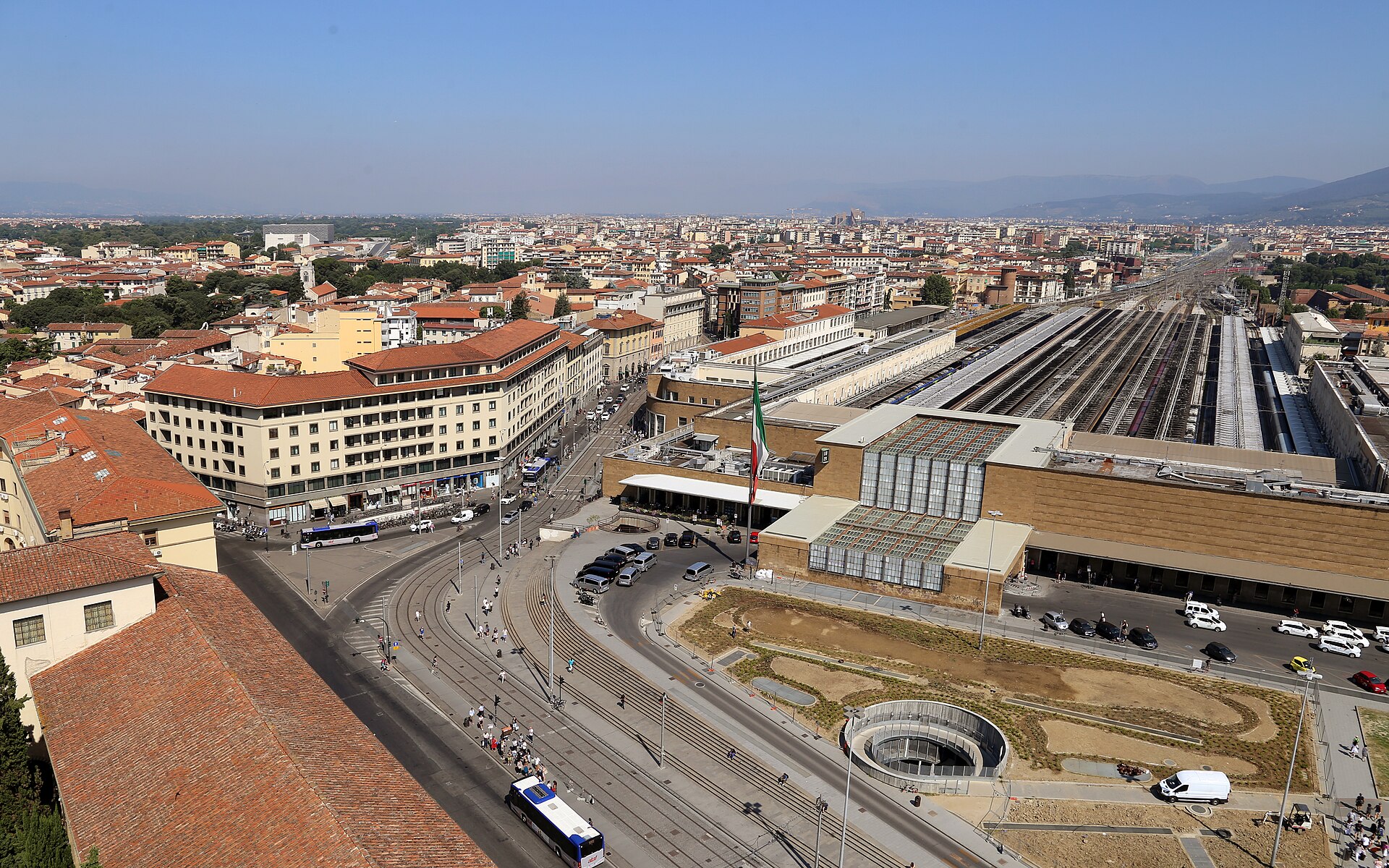
Florence’s main railway hub is Firenze Santa Maria Novella (SMN), located at the western edge of the historic centre, a short walk from most central accommodation. A secondary station, Firenze Campo di Marte, serves some intercity routes and is useful for visitors staying in the Oltrarno or eastern parts of the city. High-speed Frecciarossa and Italo trains from Rome, Milan, Naples, Venice, and Bologna all terminate at SMN.
Booking train tickets in advance is strongly recommended, especially in peak season and for high-speed services. Italian train fares use a dynamic pricing model — the cheapest seats disappear quickly, and prices rise as the departure date approaches.
Getting to Florence: Quick Comparison
| Arrival Point | Journey to Florence Centre | Approx Cost | Best For |
|---|---|---|---|
| Florence FLR (Peretola) | ~20 min by T2 tram | €2.00 | European flights; simplest option |
| Pisa PSA | PisaMover + train; time depends on the connection | €16.30 | Budget carriers; more international routes |
| Rome Fiumicino FCO | 32 min Leonardo Express to Roma Termini, then ~1.5 hrs by high-speed train | €30–50 (Rome–Florence train), plus the airport train | Long-haul connections; Rome stopover |
| Bologna BLQ | Transfer to Bologna Centrale, then ~37 min by high-speed train | €15–25 (Bologna–Florence train), plus the airport transfer | When cheaper than Pisa; quick transfer |
Getting Around Florence
The most important thing to understand about navigating Florence is this: the historic centre is compact enough to walk almost everywhere. Santa Maria Novella station to the Uffizi Gallery is a straightforward walk through the historic centre. Piazzale Michelangelo, the famous viewpoint on the hill above the Oltrarno, is further: the last stretch from the Duomo is uphill, so allow extra time and go slowly in the heat. If you are staying inside or close to the ZTL (the restricted traffic zone that covers most of the historic centre), you will rarely need any transport other than your feet.
Walking
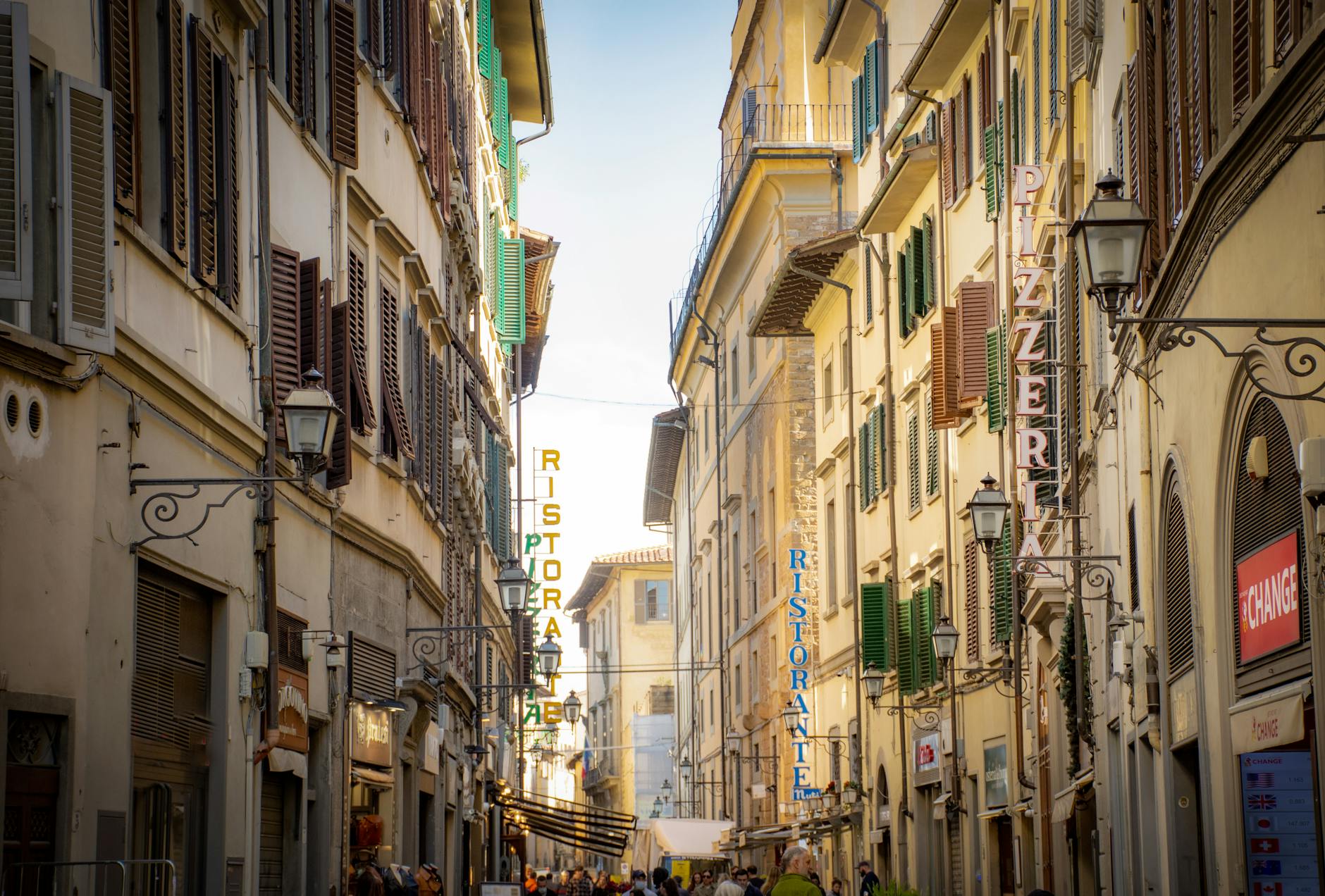
Florence is a pedestrian’s city, but it demands the right footwear. The city’s streets are almost entirely cobblestone — the beautiful, irregular sampietrini that pave every piazza and alley. These are hard on thin-soled shoes, uneven underfoot, and can be dangerously slippery after rain. Comfortable, grippy walking shoes with adequate sole support are essential. (More on this in the packing section.)
One practical tip: Florence’s street grid is logical but not obvious. The historic centre is divided by the Arno River, with the main tourist attractions concentrated north of the river (the Duomo quarter, the Uffizi, the Accademia) and the Oltrarno neighbourhood on the south bank offering the Palazzo Pitti and Boboli Gardens. The bridges — especially the Ponte Vecchio — are the connection points. Download an offline map via Google Maps or Maps.me before you arrive; signal in narrow medieval alleys can be unreliable.
Autolinee Toscane Buses
Florence’s urban bus network, run by Autolinee Toscane (formerly ATAF), covers the entire city and is useful for reaching areas outside the historic centre — the Fiesole hills, the university district, outer residential neighbourhoods. Single tickets cost €2.00 and are valid for 90 minutes from validation (allowing unlimited changes on urban buses and trams within that window). If you will ride often, a 10-ride carnet costs €18.20. Buy tickets in advance at tabacchi (tobacconist shops with the distinctive T sign) or news-stands; buying on the bus costs more. Validate your ticket in the machine immediately upon boarding — inspectors do check.
Trams (T1 and T2)
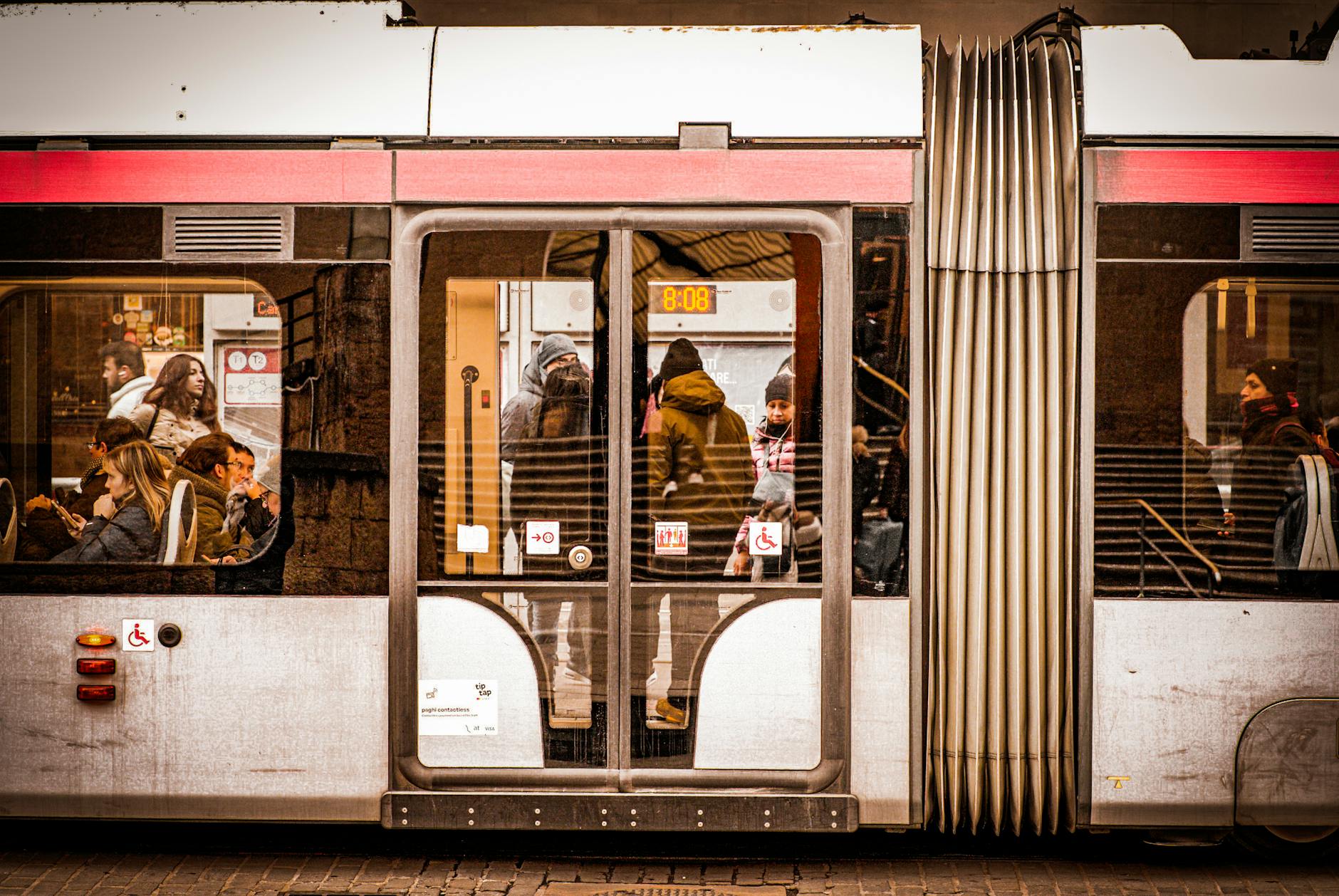
Florence’s tram network currently has two lines: T1 (connecting Careggi in the north to Villa Costanza in the southwest, useful for the Santa Maria Novella area and the Cascine park) and T2 (the airport line, running from Peretola Airport past SMN station to San Marco–Università). Tram fares use the same €2.00 ticket as the bus network; the T2 airport tram is the most visitor-useful route.
Taxis
Official Florence taxis are white and metered. The weekday daytime starting fare is €3.80, with distance charges that step up from €1.10 to €2.10 per kilometre, plus surcharges for nights (after 10pm), Sundays, public holidays, luggage and phone bookings. For most trips within the historic centre, a taxi fare will be €8–15. Rather than trying to flag one down, call a taxi (the main numbers are 055-4242 and 055-4390), book through the operators’ apps, or pick one up at a designated taxi rank (there is one outside SMN station, among other points). The app-based service itTaxi (formerly it:taxi) is available and allows in-app booking and payment.
Uber
Uber operates in Florence through its Black service, with licensed private hire cars. For most journeys, the official taxi network is more practical.
E-Scooters and Bikes
Electric scooter services (Lime, Bird, and local operators) operate in Florence, but there are important caveats: riding e-scooters on the medieval cobblestones is genuinely hazardous, and parking restrictions mean dockless scooters must be left in designated zones. Bike rental is available from several outlets near SMN station and is practical for the flatter areas along the Arno and in the Oltrarno. Both options are best for experienced riders comfortable in city traffic.
The ZTL — Do Not Drive Into the Historic Centre
This is the single most important piece of driving advice for any Florence trip planner: the ZTL (Zona a Traffico Limitato) is the restricted traffic zone covering the entire historic centre, and it is actively enforced by automatic cameras at every entry point.
If you drive a rental car into the ZTL without advance authorisation — even briefly, even by mistake — you will receive a fine of around €80 or more for each gate you pass, plus notification costs, usually passed on through the rental car company (which can add its own administration fee under the rental agreement). The daytime ZTL runs 7:30am–8pm on weekdays and 7:30am–4pm on Saturdays, except public holidays, and every entry gate is monitored electronically. The cameras read every licence plate and cross-reference against an approved list.
The practical solution: if you are renting a car for a Tuscany road trip, pick it up at the end of your Florence stay (not the beginning), or return it to one of the car rental offices outside the ZTL near SMN station. Your hotel concierge can tell you the specific rules and authorised routes for accessing your accommodation if it is within the zone.
Florence Neighbourhood Overview: Where to Base Yourself
Florence’s historic centre is divided into several distinct neighbourhoods, each with its own character, price point, and proximity to the major sights. Choosing the right neighbourhood is one of the most consequential decisions when planning a trip to Florence — it affects everything from your daily walk times to the ambiance of your evenings. Our full Florence accommodation guide covers every area in depth; here is a brief orientation.

Duomo / Centro Storico (Historic Centre)
The area immediately around the Duomo and Piazza della Signoria puts many of the major sights within a short walk. It is the most convenient location for first-time visitors, but also the most touristy, the noisiest, and generally the most expensive. Expect crowds and street noise into the early hours in summer.
Santa Croce
The neighbourhood centred on the Basilica di Santa Croce is slightly less central but retains a more local character, with a good mix of restaurants, bars, and artisan workshops. Increasingly popular with younger travellers and those looking for a slightly quieter base close to the sights. Good mid-range accommodation options.
Oltrarno
The “other side of the Arno” is widely considered Florence’s most characterful neighbourhood — a tangle of craft studios, wine bars, and trattorias that locals actually frequent. It sits across the river from the main Duomo-Uffizi axis, so expect a slightly longer walk to the big sights, but it offers a more genuine slice of Florentine life and is close to the Palazzo Pitti, Boboli Gardens, and the Bardini Garden. Highly recommended for repeat visitors and those staying more than three nights.
San Lorenzo / Santa Maria Novella
The area around the main train station and San Lorenzo market is practical and well-connected but less atmospheric. It has the widest range of budget and mid-range accommodation and is convenient for early train departures. The neighbourhood has improved significantly in recent years with better restaurants and bars.
For a full breakdown of Florence hotels, B&Bs, and apartments by neighbourhood, budget, and travel style, see our dedicated Where to Stay in Florence guide.
How Many Days Do You Need in Florence?
Florence is a city of considerable depth. You can see the headline attractions in a single day; you could spend a month and still find new things. Most first-time visitors arrive with between 2 and 5 days — and the right number depends on what kind of traveller you are.
One Day in Florence: The Essential Edit
If Florence is a day trip from Rome or a single night on a longer Italian itinerary, prioritise ruthlessly. The Uffizi Gallery or the Accademia (book in advance — one only, as both require 2–3 hours), the Duomo exterior and the nearby Baptistery, a walk across the Ponte Vecchio, and lunch at a traditional trattoria in the Santa Croce area. End with the view from Piazzale Michelangelo at sunset. One day is not enough to know Florence, but it is enough to understand why people fall in love with it. If you are still weighing the two cities against each other, our Florence vs Rome comparison covers what each one does better.
Three Days in Florence: The Standard First Visit
Three days is the most common duration and allows you to experience Florence properly. A suggested structure:
- Day 1: Uffizi Gallery (morning, pre-booked), Piazza della Signoria, Palazzo Vecchio exterior, Ponte Vecchio, dinner in the Oltrarno
- Day 2: Duomo complex — Cathedral interior, Baptistery, Giotto’s Campanile, and Brunelleschi’s dome climb (book the dome in advance); afternoon at the Accademia to see Michelangelo’s David; aperitivo in the San Marco area
- Day 3: Oltrarno neighbourhood — Palazzo Pitti and Boboli Gardens in the morning; Piazzale Michelangelo for the panoramic view; afternoon in the Oltrarno’s craft workshops and wine bars
Five Days: Depth and Day Trips
Five days allows you to move beyond the headline circuit — the Masolino, Masaccio and Filippino Lippi frescoes in the Brancacci Chapel, the medieval streets of the Oltrarno after dark, the Bardini Garden in spring, the Museo di San Marco with Fra Angelico’s cell frescoes. It also creates space for a day trip: Siena (about 1 hour 15 minutes to 1 hour 30 minutes by bus, depending on the service), the Chianti wine country by car or bike, or the hilltop town of San Gimignano. Five days is the ideal duration for a first Florence trip that includes real depth.
One Week or More: Florence as a Base
A full week in Florence transforms the trip from sightseeing into something closer to living. You have time to develop routines — a regular coffee bar in the morning, a market where you recognise the vendors, a favourite bench along the Arno. You can take day trips to Lucca, Pisa, Arezzo, the Mugello, and the Versilia coast. A week also allows you to attend a performance at the Teatro del Maggio Musicale or a concert in one of the city’s churches. For anyone planning to use Florence as a base for exploring Tuscany, one week is the minimum.
Florence Budget Guide 2026
Florence is not the cheapest Italian city, but it is possible to visit well at a range of budgets. The city’s tourist tax, charged per person per night on top of your room rate, adds to the cost of staying — but it is manageable with advance planning. Here is a realistic breakdown of what to expect.
Daily Budget Estimates (Per Person)
| Budget Level | Daily Estimate | Accommodation | Food | Activities |
|---|---|---|---|---|
| Budget | €80–120/day | Hostel dorm (€25–40) | Street food, markets, one sit-down meal (€20–30) | Free sights, 1 paid museum (€15–25) |
| Mid-Range | €150–250/day | 3-star hotel/B&B (€80–150) | Two restaurant meals, aperitivo (€50–80) | 2 museums, 1 guided experience (€40–60) |
| Luxury | €400+/day | 4–5 star hotel (€200–500+) | Fine dining, wine, breakfast included (€100–200+) | Private tours, premium access (€80–150+) |
Museum Costs
Florence’s major museums charge €15–25 per person for standard adult entry. In 2026, key prices are approximately: Uffizi Gallery €25 (€16 after 4pm), Galleria dell’Accademia €20, Palazzo Pitti €16 (€19 booked), and the Duomo’s Brunelleschi Pass (dome climb, Campanile, Baptistery, museum and Santa Reparata, valid for three days) €30, with the Cathedral itself free. The Firenze Card (€85 for 72 hours) covers entry to participating museums, including Palazzo Vecchio and the Brancacci Chapel, but not the Duomo complex; add up the tickets you actually plan to buy and compare the total with €85 before you commit. See our Florence museums guide for a full cost breakdown.
Florence Tourist Tax 2026
Florence charges a tassa di soggiorno (tourist accommodation tax) that is collected by your hotel, hostel, or short-term rental on top of your room rate. The rate is charged per person per night and depends on the type of accommodation, so ask your hotel or host for the exact amount when you book.
The tax applies for a maximum of seven consecutive nights, so long-stay visitors do not pay indefinitely. Children under 12 are exempt. The tax is listed separately on your bill and is paid in cash or by card at check-out. Budget for it when calculating total accommodation costs.
Money-Saving Tips for Florence
- Visit off-peak: from October through February, accommodation usually costs noticeably less than in summer.
- Eat at lunch: Many restaurants offer a menù del giorno (daily lunch menu) for €12–18 — the same quality as dinner for half the price.
- Use free drinking water: Florence has dozens of fontanelle (public drinking fountains) throughout the city. Tap water is safe and free everywhere.
- Free museum days: Italian state museums are free on the first Sunday of every month. This includes the Uffizi and Accademia — but expect very long queues.
- Book combo tickets: The Brunelleschi Pass (€30, valid three days) covers the dome climb, Campanile, Baptistery, Opera del Duomo museum and the Santa Reparata crypt — excellent value. Entry to the Cathedral costs nothing.
- Aperitivo culture: Many bars offer free snacks with a €8–10 cocktail or aperitivo between 6pm and 9pm — this effectively covers dinner for light eaters. See our Florence food guide for the best aperitivo spots.
Entry Requirements: EES and ETIAS
Italy is a member of the Schengen Area, and Florence falls under standard Schengen entry rules. The entry requirements for visiting Florence depend on your nationality — and in 2026, there is a significant new development affecting non-EU travellers.
Passport and Visa Requirements
EU and EEA citizens can travel to Italy — and therefore Florence — freely with a valid passport or national ID card. No visa is required and there is no limit on the length of stay.
Non-EU citizens from visa-exempt countries (including the United States, United Kingdom, Canada, Australia, New Zealand, Japan, South Korea, and many others) can visit Italy without a visa for up to 90 days within any 180-day period. On arrival they now register in the EU’s Entry/Exit System (EES), which records biometric details at the border; enrolment is free. A separate pre-travel authorisation, ETIAS, will follow, but not before 2027 (see below).
Citizens of countries that are not visa-exempt must apply for a Schengen visa before travel through the Italian consulate or embassy in their home country. Processing times vary; apply well in advance.
For all travellers, your passport must be valid for at least three months beyond your planned exit date from the Schengen Area. Check this before booking — a passport that expires the month after your trip may be refused at the border.
ETIAS: The New EU Travel Authorisation (Not Before 2027)
The European Travel Information and Authorisation System (ETIAS) is a new pre-travel screening requirement for non-EU citizens who previously could visit the Schengen Area without a visa. It is broadly equivalent to the US ESTA or the UK ETA — a simple online registration that must be completed before travel.
Key facts about ETIAS for Florence travellers:
- Who needs it: Nationals of visa-exempt third countries (including the US, UK, Canada, Australia) who are not EU/EEA citizens
- Launch date: Not before 2027; the EU will announce the start date several months ahead, and transitional and grace arrangements will then run for at least 12 months
- Cost: €20 for applicants aged 18–70; free for those under 18 or over 70
- Validity: 3 years, or until your passport expires — whichever comes first
- Stays allowed: Up to 90 days within any 180-day period across the entire Schengen Area
- Application process: Through the official ETIAS website or mobile app, once applications open; most decisions take minutes, though up to 30 days is possible in some cases
- Passport required: You must apply with the same passport you will travel with, which must be valid for 3+ months beyond your exit date
ETIAS is not a visa — it does not guarantee entry, and border officers retain the right to refuse admission. It is a pre-travel screening check that will be required for boarding a flight or crossing an EU land border. Apply well before your travel date once the system launches; do not leave it to the day of departure.
What to Pack for Florence
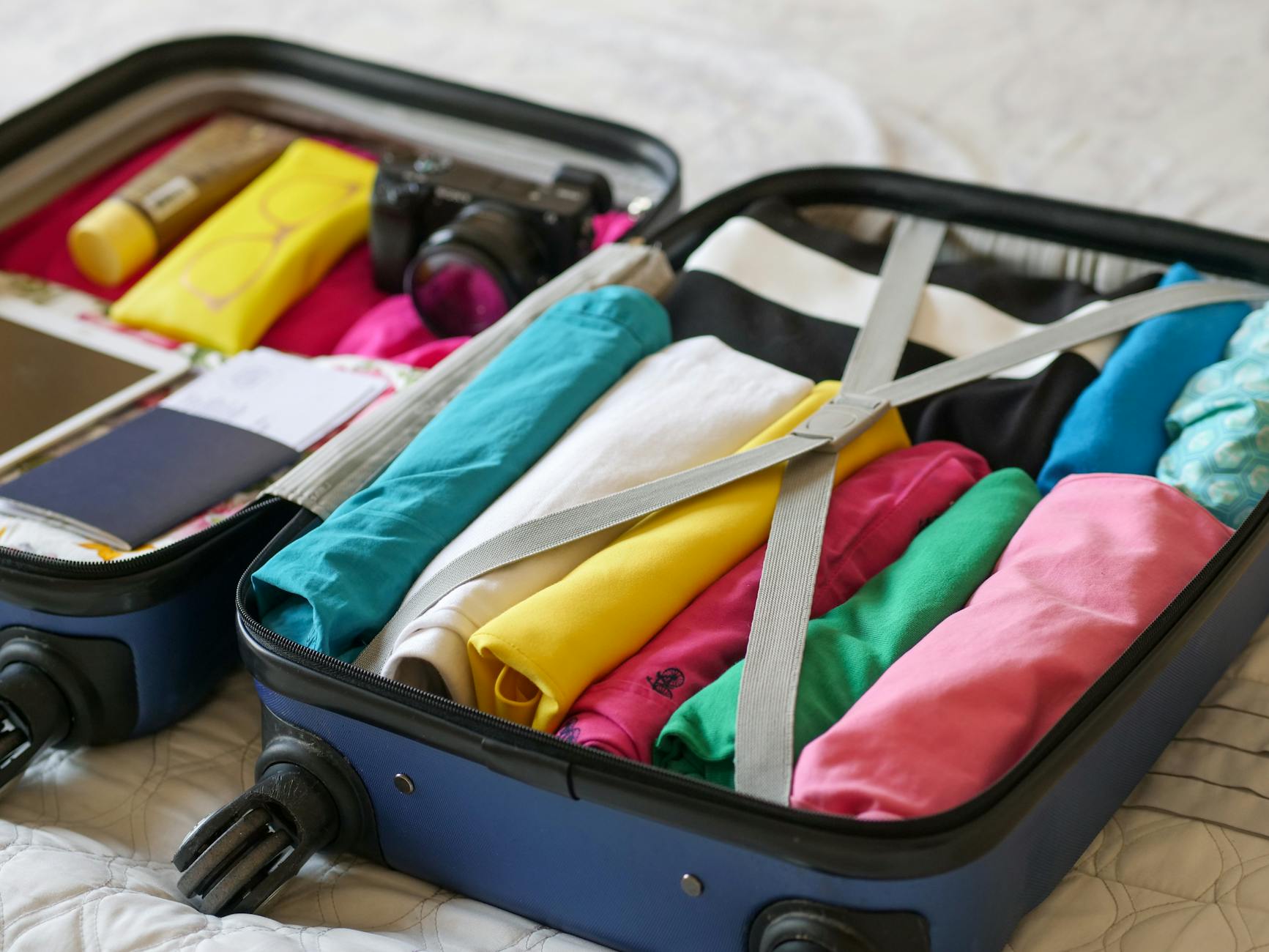
Packing for Florence is partly about weather and partly about context — this is a city where you will walk several kilometres a day on uneven stone surfaces, visit sacred spaces with dress codes, and also want to look presentable for dinner at a proper Florentine trattoria. The following Florence Italy travel tips for packing apply across all seasons, with seasonal additions noted.
The Non-Negotiables (All Seasons)
- Comfortable walking shoes with grip: This is the single most important packing decision. The cobblestone streets will destroy flat-soled fashion shoes and can cause ankle injuries. Choose low-heeled, well-cushioned shoes with a rubber sole — walking trainers, quality sneakers, or leather walking shoes. Expect to cover many kilometres on foot every day.
- Modest clothing for churches: Florence’s major churches — the Duomo, Santa Croce, Santa Maria Novella, San Miniato al Monte — require covered shoulders and knees for entry. This applies to all visitors regardless of gender. Keep a light scarf or a layer in your bag. Some churches provide disposable wraps, but it is better not to rely on this.
- Power adapter: Italy uses Type C and Type L plugs and 230V electricity. UK and US plugs will not fit without an adapter. A universal travel adapter is the safest choice if you are visiting multiple European countries.
- Reusable water bottle: Florence’s fontanelle (public drinking fountains) provide free, cold, clean water throughout the city. A refillable bottle eliminates the need to buy plastic bottles and saves money.
- EU plug power bank: Long sightseeing days drain phone batteries quickly; offline maps, translation apps, and museum tickets all require charge.
Seasonal Packing
Spring (March–May)
Pack layers: mornings can be cool while afternoons warm considerably. A light jacket or mid-layer and a compact umbrella for April showers. Light trousers or jeans and comfortable walking shoes. A small day-pack for carrying extra layers.
Summer (June–August)
Light, breathable fabrics — linen and cotton perform well in Florentine heat. A wide-brim hat is genuinely useful during midday sightseeing. High-SPF sunscreen (the Mediterranean sun is intense on reflective stone surfaces). A refillable water bottle is non-negotiable. A lightweight cardigan or layer for air-conditioned museums. Note: while you want to stay cool, the church dress code means you cannot wear spaghetti straps or shorts on their own — plan accordingly.
Autumn (September–October)
September is still warm (similar to summer) but October can shift noticeably. Layers are the answer — a light sweater or mid-layer and a packable rain jacket for October showers. This is perhaps the most forgiving season for packing, as moderate temperatures mean almost anything comfortable will work.
Winter (November–February)
A genuinely warm coat is necessary — January and February can be cold (near 0°C/32°F at night) and damp. Waterproof shoes or boots are advisable in November and December. A compact umbrella, thermal layers for extended outdoor sightseeing (the queue for the Uffizi, even in winter, can be in the open air). Lighter packing is possible since you will not be carrying summer weather layers — but do not underestimate how cold Italian stone cities feel in winter.
Safety Tips & Common Scams in Florence
Florence is, by any measure, a safe city for tourists. Violent crime targeting visitors is rare. The risks that do exist are primarily property-related — pickpocketing and scams — and are entirely avoidable once you know what to look for. This section of our Florence travel guide covers the practical safety information every visitor should know.
Pickpocketing
Pickpocketing is the most common crime affecting tourists in Florence. The highest-risk locations are:
- The Uffizi and Accademia queues: Crowded, stationary lines are ideal for pickpockets. Keep bags closed and in front of you.
- Crowded buses: Particularly routes serving tourist areas, and especially the T2 tram between the airport and centre. Keep your bag on your front or between your feet.
- Santa Maria Novella station: The main train station and its surrounding area attract thieves. Be particularly vigilant on arrival with luggage.
- The Ponte Vecchio and Mercato Centrale: Very busy areas where the jostling of crowds provides cover.
Practical prevention: use a bag with a zip, not an open tote. Keep your phone in a front pocket or a zipped bag pocket. Do not put your wallet in your back pocket. A money belt worn under clothing is useful if you are carrying significant cash.
Common Scams
The Friendship Bracelet
A person approaches you, often near the Duomo or on the Ponte Vecchio, and ties a woven bracelet onto your wrist before you can refuse — then demands payment for it. The bracelet often cannot be removed quickly. Solution: spot the approach early and walk past without making eye contact. A firm “no” or “no grazie” while continuing to walk is effective.
The Fake Petition
A person (sometimes posing as deaf-mute) approaches with a clipboard asking you to sign a petition. Once you have signed, they demand a donation and can become aggressive. Do not sign anything; do not stop.
Restaurant Overcharging
Some tourist-facing restaurants near the Duomo and the Ponte Vecchio charge inflated prices, add items to the bill that were not ordered, or charge extortionately for bread (coperto is a legitimate cover charge of €1.50–3, but it should be shown on the menu, and one that appears only on the bill can be challenged). Before ordering from anywhere that does not display prices, ask for the menu with prices. Check your bill carefully. Legitimate establishments will have no issue correcting mistakes. See our Florence food guide for recommended restaurants that offer genuine value.
The “Rose for Your Lady”
A vendor approaches a couple and hands the woman a flower, then demands payment from the man. The social awkwardness is the mechanism. Decline firmly; any vendor doing this knows what they are doing.
Emergency Numbers
Italy operates on standard EU emergency numbers:
- 112: EU-wide emergency number (police, ambulance, fire). Works from any phone, including without a SIM card.
- 113: Italian national police (Polizia di Stato)
- 115: Fire brigade (Vigili del Fuoco)
- 118: Medical emergency / ambulance
To report a theft, go to the nearest Carabinieri (military police, distinctive dark blue uniform with red stripe) or Polizia di Stato station to file a denuncia (police report). A police report is required for travel insurance claims. What that policy should cover in the first place is in our Florence travel insurance guide.
Practical Information for Visiting Florence
The details that make the difference between a smoothly managed trip and a frustrating one. This practical section of our Florence travel guide covers the everyday logistics that guidebooks sometimes skim over.
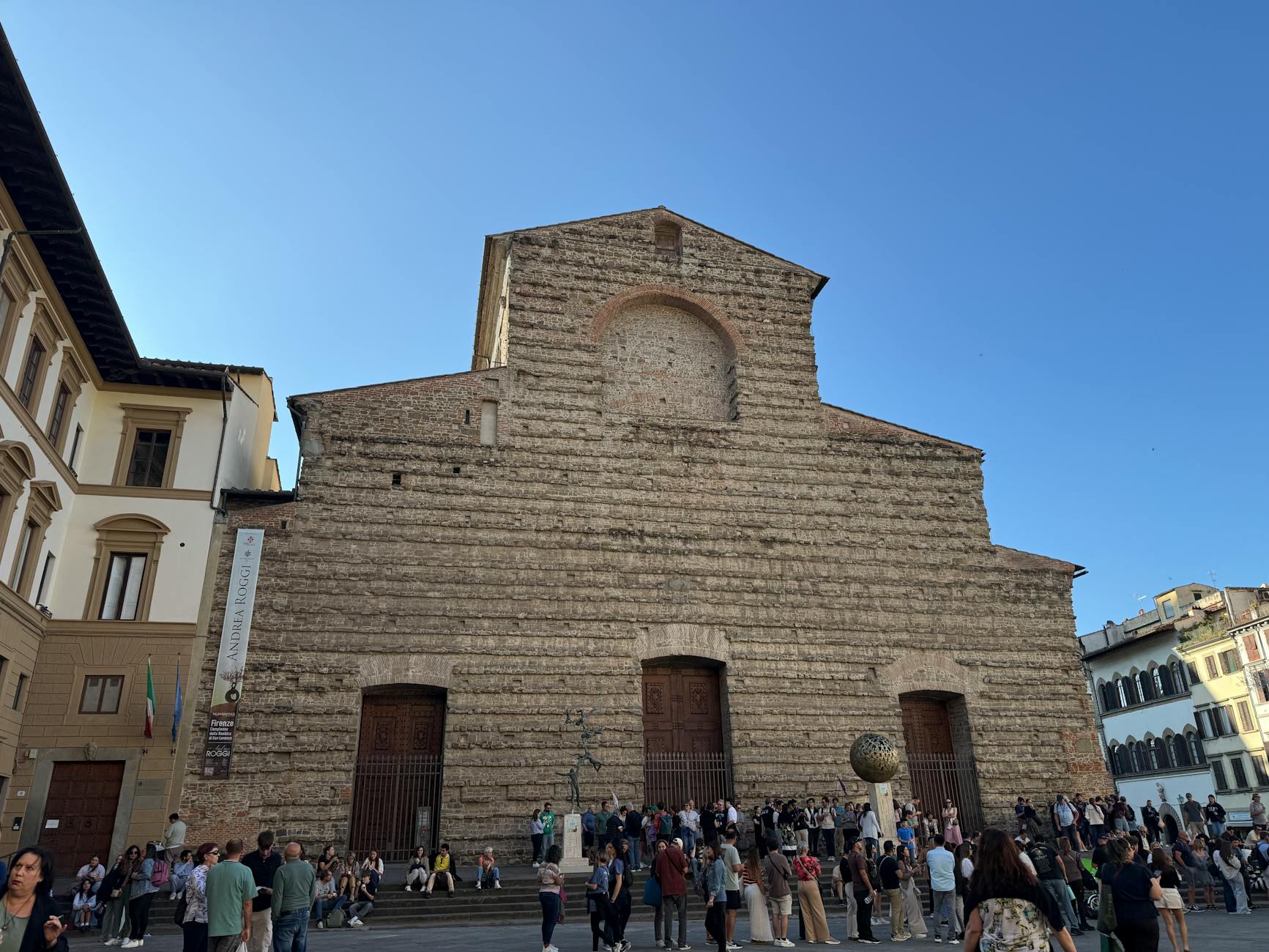
Currency
Italy uses the Euro (€). Cards (Visa and Mastercard) are accepted almost universally in hotels, restaurants, and shops. American Express has lower acceptance. Contactless payment is standard. However, carry some cash for small purchases: street food vendors, small market stalls, some smaller family-run trattorias, and tipping all go more smoothly in cash. The tourist accommodation tax is sometimes collected in cash.
ATMs (bancomat) are widely available throughout the city centre. Use bank ATMs rather than standalone fee-charging machines. Notify your bank before travelling to avoid card blocks.
Language
Italian is the official language. English is widely spoken in the tourist industry — hotels, major restaurants, museum staff, and most shops in the historic centre. However, learning a handful of Italian phrases — buongiorno (good morning), per favore (please), grazie (thank you), un caffè, per favore (a coffee, please), il conto, per favore (the bill, please) — is genuinely appreciated by locals and improves interactions noticeably.
Water
Tap water in Florence is safe to drink and is of good quality. Florence also maintains a network of public drinking fountains (fontanelle) — small wall-mounted taps found throughout the city — which provide free, cold drinking water. Bring a refillable bottle; there is no reason to buy bottled water. Asking for a jug of tap water (acqua del rubinetto) at a restaurant is entirely acceptable and free.
SIM Cards and Mobile Data
Italy’s main mobile networks are TIM, Vodafone, and WindTre. Tourist SIM cards with data are available at network stores and at some tabacchi near SMN station; expect to pay €10–20 for a month’s data allowance. EU citizens benefit from EU roaming rules (no roaming charges within the EU). UK and non-EU visitors should check their home network’s roaming rates or buy a local SIM on arrival.
Free Wi-Fi is available at most hotels, many cafés (ask for the password), and throughout SMN station.
Pharmacies
Italian pharmacies (farmacie) display a green cross sign — the same internationally. They stock prescription and over-the-counter medications, and pharmacists are trained healthcare professionals who can advise on minor ailments without an appointment. Outside standard hours, pharmacies operate on a rotating after-hours schedule; a list of the nearest open pharmacy is posted on the door of any closed pharmacy. There is also an on-call pharmacy system overnight and on weekends.
Shop Hours
Italian shop hours differ from Northern European norms. Most shops in Florence are open Monday–Saturday, from morning to early evening, and smaller ones often close for a few hours at lunchtime (though this is less universal in central tourist areas). Some smaller shops and restaurants are closed on Sunday. Sundays in the historic centre can feel quieter as a result. Supermarkets and large stores in central areas often stay open on Sundays, as do restaurants and bars.
In August, some smaller restaurants and businesses close around Ferragosto (the Italian summer holiday centred on 15 August), so check ahead before setting out for one. The major museums and tourist sites remain open.
Tipping
Tipping is not the cultural expectation in Italy that it is in the United States, but it is appreciated. A practical guide:
- Restaurants: Rounding up or leaving 5–10% for good service is standard. Note that coperto (cover charge, €1.50–3) and sometimes a servizio (service charge, 10–15%) may already be included in the bill — check before adding more.
- Coffee bars: No expectation of tipping at the bar. If seated at a table, €1 is generous.
- Taxis: Round up to the nearest euro. For longer journeys, leaving an extra euro or two is appreciated but not required.
- Tour guides: €5–10 per person for a half-day guided tour; more for excellent private guides.
- Hotel staff: €1–2 per bag for porters; €2–5 per night for housekeeping if you wish.
First-Timer’s Florence Checklist
This Florence trip planner checklist summarises everything you need to do before you go and after you arrive. Use it as a final review before your departure.
Top 10 Experiences Every First-Timer Should Have
- The Uffizi Gallery — Botticelli’s Birth of Venus, Leonardo’s Annunciation, and more Renaissance masterpieces per corridor than anywhere on earth. See our museums guide for the essential rooms to prioritise.
- Michelangelo’s David — The Galleria dell’Accademia. Reserve your slot; it sells out weeks ahead.
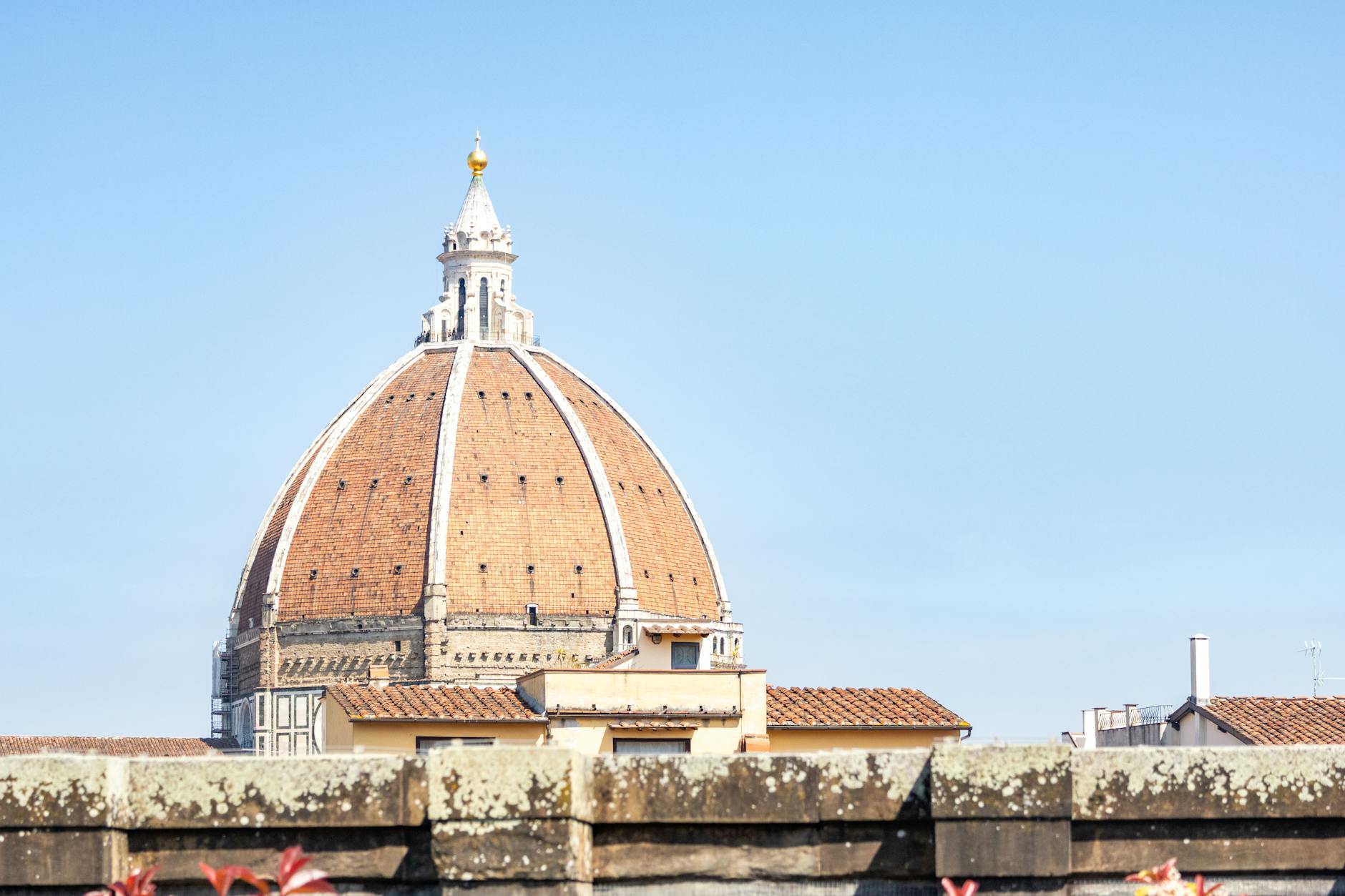
- Climb Brunelleschi’s Dome — The 463-step ascent to the lantern of the Duomo rewards with the best view in Florence. Book online; the dome fills quickly.
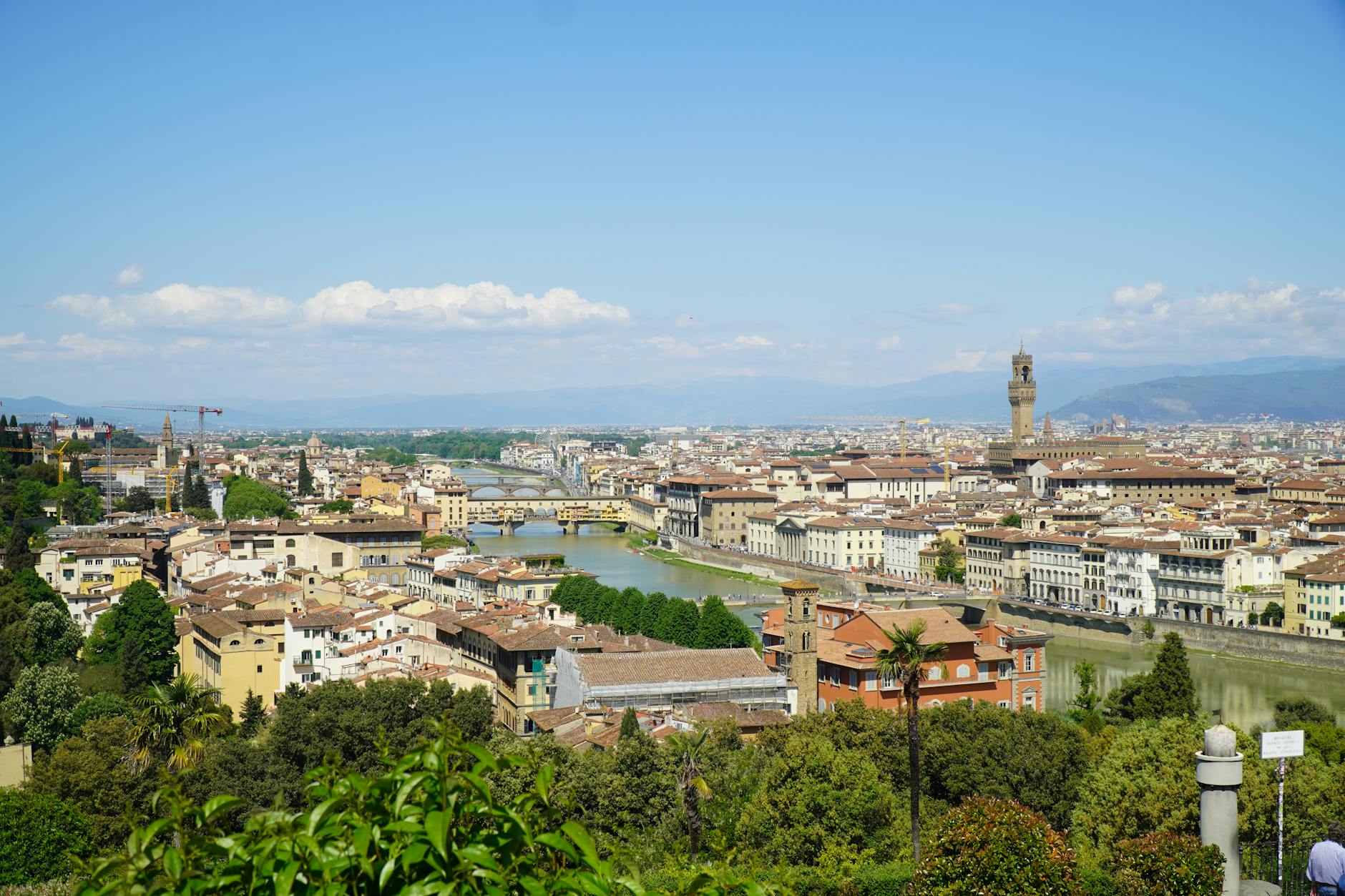
- Sunset from Piazzale Michelangelo — Free. Perfect. Non-negotiable.
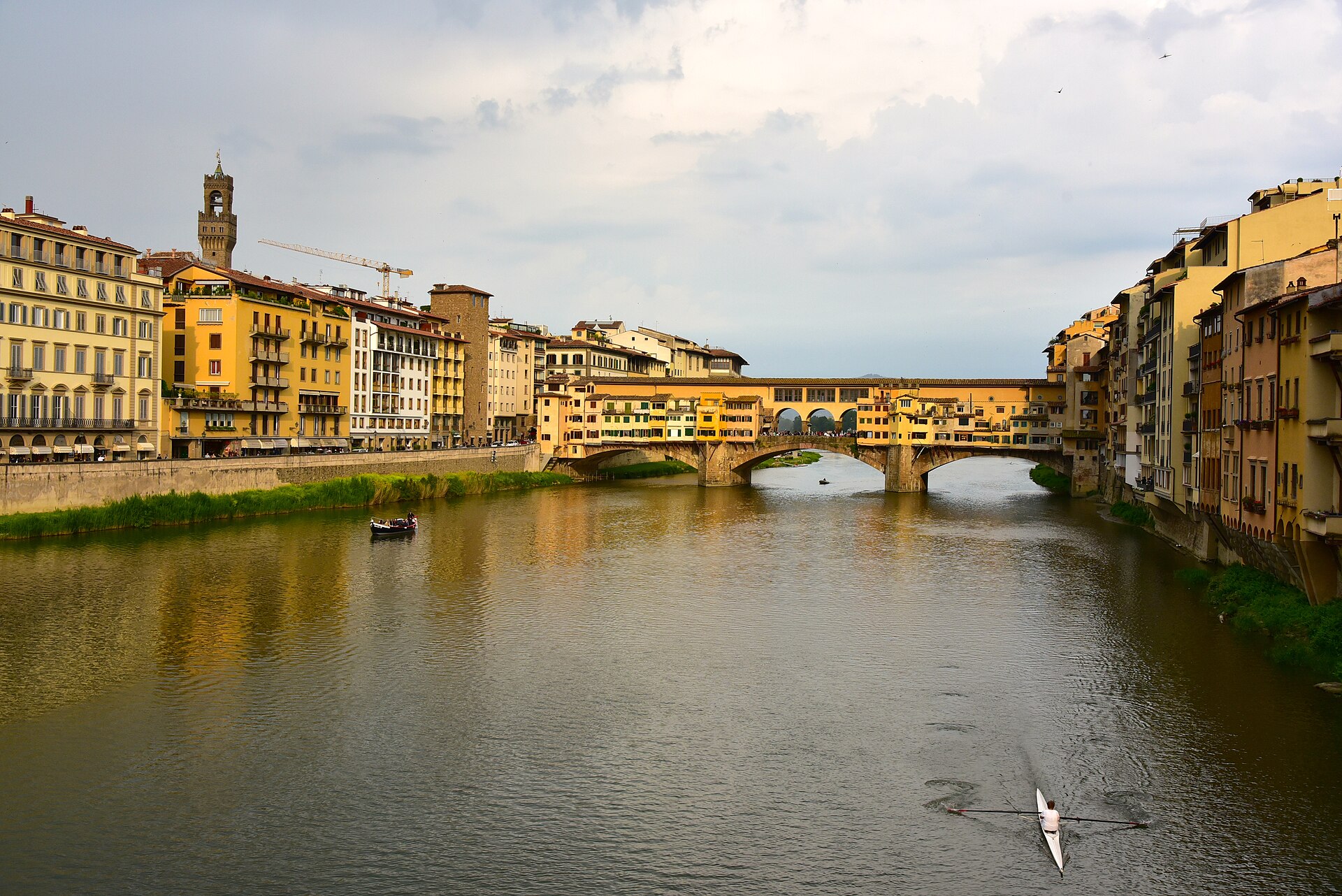
- Cross the Ponte Vecchio at dusk — The medieval bridge lined with goldsmiths, lit amber in the evening light, with the Arno flowing beneath.
- Eat a bistecca alla fiorentina — The definitive Florentine meal. See our food guide for where to eat it properly.
- Explore the Oltrarno — The neighbourhood on the south bank of the Arno that most tourists walk through without stopping. Spend an afternoon in its craft workshops, book-lined cafés, and wine bars.
- Visit San Miniato al Monte — The Romanesque basilica above Piazzale Michelangelo, arguably the most beautiful church interior in Florence.
- Have a coffee at a traditional bar, standing at the counter — Order an espresso, stand at the bar, drink it in two sips, pay €1–1.50. This is how Florentines do it.
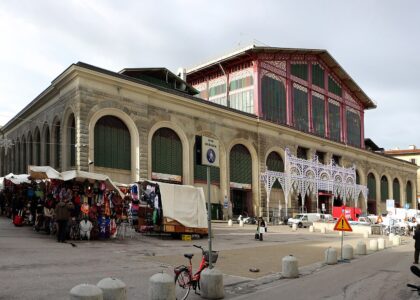
- Spend a morning at the Mercato Centrale — The covered food market in San Lorenzo, where Tuscany’s best produce, cheese, cured meats, and street food come together under a beautiful iron-and-glass roof.
Booking Timeline: What to Reserve and When
| When to Book | What to Reserve | Notes |
|---|---|---|
| 3–6 months ahead | Flights, accommodation, Uffizi tickets (peak season) | Uffizi tickets are released gradually; book as early as you can for busy peak-season (Apr–Jun) days |
| 6–8 weeks ahead | Accademia (David) tickets, Duomo dome climb, Vasari Corridor | These fill quickly; earlier is always better |
| 4–6 weeks ahead | Highly-rated restaurants, private guided tours, cooking classes | The best trattorias and experience providers book up fast |
| 2–4 weeks ahead | Palazzo Pitti, Bargello, day trip transport (Trenitalia/buses) | Less urgent but advance booking secures better prices |
| 1–2 weeks ahead | Check ETIAS status, sort travel insurance, download offline maps | Final prep; confirm all reservations |
| Day before | Confirm restaurant bookings, check museum opening hours for the day | Some venues have irregular hours on national holidays |
Frequently Asked Questions About Florence
The most common questions visitors ask when planning a trip to Florence, answered concisely.
What is the best time of year to visit Florence?
September and October are the best months to visit Florence for most travellers. Temperatures are mild (average highs of about 27°C/81°F in September and 22°C/71°F in October), crowds are significantly reduced compared to peak summer, and accommodation prices drop. May is the best spring option if you can avoid Easter week. Winter (January–February) is excellent for budget-conscious art lovers who do not mind cold weather — museums are nearly empty and prices are at their lowest.
How many days should I spend in Florence?
Three days is the minimum for a satisfying first visit to Florence — enough to see the Uffizi, the Accademia, the Duomo complex, the Oltrarno, and a handful of smaller churches and piazzas. Five days is ideal, allowing time for depth beyond the main sights and a day trip to Siena or the Chianti wine country. Two days works if your schedule is tight, but it will feel rushed. A week or more is perfect if you plan to use Florence as a base for exploring Tuscany.
Do I need ETIAS to visit Florence in 2026?
No. ETIAS is not in operation and will not start before 2027; the EU will announce the start date several months ahead, and transitional and grace arrangements will then run for at least 12 months. If you are a non-EU citizen from a visa-exempt country (including the US, UK, Canada, and Australia), you will eventually need an ETIAS authorisation to enter the Schengen Area — which includes Italy and Florence. Check the official EU ETIAS website for the start date and apply once applications open, well before your travel dates. The fee will be €20 for applicants aged 18–70, and an authorisation lasts up to three years or until your passport expires, whichever comes first.
Is Florence safe for tourists?
Yes, Florence is generally very safe for tourists. Violent crime targeting visitors is rare. The main risks are pickpocketing (particularly in crowded tourist areas, at the main train station, and on buses) and low-level street scams such as the friendship bracelet trick or fake petitions. Keep bags closed and zipped, avoid keeping your phone or wallet in back pockets, and be aware of your surroundings at busy tourist spots. In an emergency, call 112 (EU-wide emergency number).
What airport should I fly into for Florence?
Florence has its own small airport (FLR/Peretola) that is ideal if it serves a direct route from your departure city — the T2 tram connects it to the city centre in about 20 minutes for €2.00. For more international routes, Pisa Airport (PSA) is linked to Florence by the PisaMover and a regional train for €16.30 in all, with the journey time depending on the connection. Long-haul travellers often fly into Rome Fiumicino (FCO), take the 32-minute Leonardo Express to Roma Termini, and then a high-speed train that reaches Florence in about 90 minutes. Bologna Airport (BLQ) is another option: from Bologna Centrale, high-speed trains take just 37 minutes.
What is the ZTL in Florence and how do I avoid a fine?
The ZTL (Zona a Traffico Limitato) is Florence’s restricted traffic zone covering the historic centre. All entry points are monitored by automatic cameras that read every licence plate. Driving into the ZTL without advance authorisation — even briefly — results in a fine of around €80 or more for each gate you pass, plus notification costs, usually passed on through your rental car company. The practical advice is simple: do not drive in the historic centre. Use public transport, taxis, or walk. If your hotel is within the ZTL, contact them in advance for specific instructions on how to access it legally.
How much does it cost to visit Florence per day?
Budget travellers can manage Florence on €80–120 per day (hostel dorm, street food and markets, one paid museum). Mid-range travellers should budget €150–250 per day (3-star hotel, two restaurant meals, two museums or experiences). Luxury travel starts at €400 per day. Do not forget to factor in the tourist accommodation tax, charged per person per night according to the type of accommodation, for up to seven nights.
Do I need to book Florence museums in advance?
Yes — for the Uffizi Gallery and the Galleria dell’Accademia (Michelangelo’s David), advance booking is essential, particularly from March through October when slots can sell out weeks ahead. The Duomo dome climb also requires advance booking. Other museums (Bargello, Palazzo Pitti, Palazzo Vecchio) have more walk-up availability but benefit from pre-booking in peak season. See our Florence museums guide for booking links and strategies.
What should I wear to visit churches in Florence?
Florence’s major churches require covered shoulders and covered knees for entry — this applies to all visitors regardless of gender. The simplest solution is to carry a light scarf or wrap in your bag, which can be draped over your shoulders and lap as needed. In summer, this is particularly important as you will likely be wearing light clothing. Some churches provide disposable wraps, but do not rely on this. Wearing modest clothing when you know you are visiting churches avoids the awkwardness of being turned away at the door.
Is it easy to get around Florence on foot?
Yes — Florence’s historic centre is compact and walkable. Santa Maria Novella station, the Duomo, the Uffizi and the Ponte Vecchio are an easy walk from one another, and most major sights in the centre can be reached on foot. The key requirement is comfortable, grippy walking shoes — the cobblestone streets are beautiful but hard on feet and can be slippery when wet. Public buses and trams are available for destinations outside the historic centre, using a €2.00 ticket valid for 90 minutes.