This article contains advertising. Our booking links are routed through a partner that adds commission tracking automatically, so if you book through one we earn a commission from the provider, at no extra cost to you. It never affects what we recommend. Affiliate disclosure
The official tour route through Florence — Duomo, Uffizi, David, Ponte Vecchio — is the route four million visitors a year already follow. After your second day in town, the real reward is leaving it. This guide rounds up 20 hidden gems in Florence that locals actually use: secret view terraces, half-empty Renaissance churches, frescoed cloisters most tour groups skip, neighbourhood markets, an anatomical wax museum, and three artisan workshops where you can watch craftsmen who learned the trade from their grandfathers. If you’ve been to Florence before, start here. If it’s your first trip, save these for days three and four when you’re done with the headliners.
Everything below is tested by us, walking distance from the centre, open in 2026 (we’ve checked), and either free or under €15. We’ve tried not to repeat anything you’ll find on a typical “Top 10 Florence” list — if a place is famous enough to feature on a postcard rack, it’s not on this page.
Several of the spots below reward being paired with something better known nearby — the frescoed cells at San Marco sit minutes from the Accademia queue, the Bargello is a two-minute detour off Piazza della Signoria, and the quieter churches around the city are free to enter and almost always empty.
1. Giardino Bardini & its wisteria tunnel
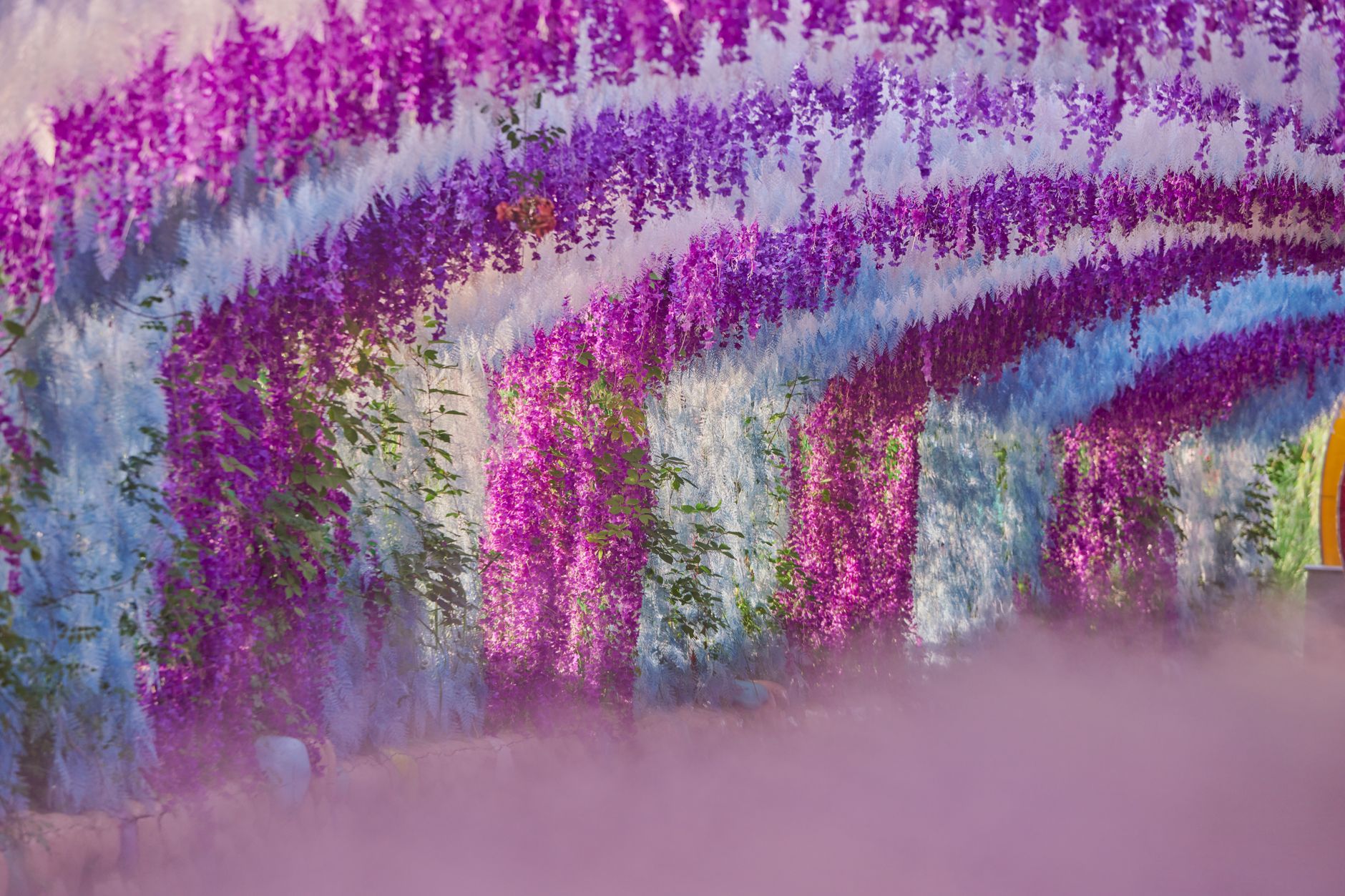
The Boboli Gardens are Florence’s celebrity park; the Giardino Bardini next door is everything Boboli is, but with one-tenth the visitors. The 4-hectare terraced garden climbs a ridge above San Niccolò, ending at the Belvedere terrace — the prettiest dome panorama in town and a pleasant alternative to Piazzale Michelangelo. The 60-metre wisteria pergola blooms for a fortnight at the end of April; the rose garden peaks in May; the camellia avenue holds the line in February.
Combined ticket with Boboli €10. Open 08:15–18:30 (winter) to 20:30 (high summer). Closed first and last Mondays of every month.
2. Museo Nazionale del Bargello
The first national museum of Italy (1865) holds the most important Renaissance sculpture collection in the world, yet sees about one-fifth the daily visitors of the Uffizi. Inside: Donatello’s two Davids (the marble one is the calmer; the bronze one is the first freestanding nude since antiquity), Verrocchio, Andrea della Robbia, the two competing 1401 baptistery-door panels by Brunelleschi and Ghiberti, and a ferocious collection of medieval armour. €9 full price; ticket queues are routinely under five minutes. Book online if you must, but you’ll usually walk straight in. Closed Tuesdays.
3. Sant’Ambrogio market & Trattoria da Rocco
Florence’s working-class market, ten minutes east of Santa Croce, is where neighbourhood nonne actually shop. Tuesday-to-Saturday mornings the covered hall and the surrounding stalls fill with cheese, bread, fish, vegetables and cured meat. Inside the market hall, Trattoria da Rocco serves a daily menu of working-Italian classics — pasta, ribollita, bollito di lampredotto — for €8–€12. No reservations, no English menu, no concessions to tourist palate. It’s also one of the best lunches in Florence.
4. Gregorian vespers at San Miniato al Monte
The 11th-century basilica above Piazzale Michelangelo holds sung Gregorian vespers at 17:30 on weekdays (16:30 in winter). The Benedictine monks have been chanting here since the 12th century. Free, fifteen minutes, an experience more affecting than any paid concert. Sit on the right side near the apse for the best acoustics. Allow 25 minutes to climb up from Piazzale Michelangelo (or take bus 12 to Salviatino).
5. Florence’s secret last-supper rooms — the cenacoli
Refectories of dissolved monasteries that hold large fresco depictions of the Last Supper. They’re scattered across the city, almost all are free, and almost all are empty.
- Cenacolo di Sant’Apollonia (Via XXVII Aprile) — Andrea del Castagno’s 1447 fresco, the first dramatic perspective last-supper, free entry, closed Mondays.
- Cenacolo del Fuligno (Via Faenza) — Perugino, Raphael’s master. Free, hours irregular; check the Polo Museale website.
- Cenacolo di Ognissanti — Domenico Ghirlandaio’s lush 1480 version, in a quiet refectory off the basilica’s cloister. Free.
- Cenacolo di San Salvi (Via San Salvi 16) — Andrea del Sarto’s masterpiece, with thirteen seated apostles instead of twelve. Free.
None of these are signposted; ring the bell or ask the church custodian. Maximum five visitors at a time.
6. The Brancacci Chapel — the Renaissance’s birthplace
Inside Santa Maria del Carmine in the Oltrarno, Masaccio’s frescoes (1425–28) of Saint Peter’s life — including the gut-punching Expulsion from Paradise — are where Renaissance painting begins. Michelangelo, Raphael and Botticelli all came here as young apprentices to study. Restored in 2024, with new under-glass display walks giving visitors close-up access to fresco details. €10 timed entry; book online.
7. The Vasari Corridor
The kilometre-long elevated walkway commissioned by Cosimo I de’ Medici in 1565, linking Palazzo Vecchio to Palazzo Pitti via the Uffizi and over the top of Ponte Vecchio. Closed since 2016, partially reopened in stages from 2024, and selling timed-entry tickets through the Uffizi portal at €43 in 2026. Limited 25-person groups, 75-minute experience. Book at least four weeks ahead. Walking it is genuinely magical — windows over the Arno that no normal Ponte Vecchio visitor will ever see.
8. Giardino Torrigiani — Europe’s largest private city garden
A 6.5-hectare private 19th-century romantic park in the heart of the Oltrarno, owned by the Torrigiani family. Visitable only by guided tour, ~€20, booked in advance on their website. You walk past pavilions, an octagonal tower, a stone temple and centuries-old umbrella pines, all behind anonymous walls just south of Porta Romana. Almost no tourist sees this.
9. Scuola del Cuoio (leather school)
Since 1950, behind Santa Croce in what was once the Franciscans’ dormitory designed by Michelozzo. Founded to teach orphaned WWII boys a trade. Today it’s still a working leather workshop where you can watch master cutters and stitchers turn hides into wallets, bags and jackets. Free to enter; the workshop floor is open during shop hours. €10 lets you do a 90-minute hands-on stitching session at one of the benches. Items here are 30–40% cheaper than at the surrounding leather shops and incomparably better quality. Entry through Via San Giuseppe 5R.
10. Officina Profumo-Farmaceutica di Santa Maria Novella
The oldest pharmacy in continuous operation in the world (founded 1221 by Dominican friars). The frescoed sales rooms behind Santa Maria Novella basilica look more like a Vatican chapel than a shop. Free to enter, browse and smell. Their rose water (the original from 1500) and Acqua di Santa Maria Novella perfume have devoted followings — though prices are now luxury. The free side rooms and small museum on the right are the actual draw. Open daily 09:30–20:00.
11. La Specola — Italy’s oldest science museum
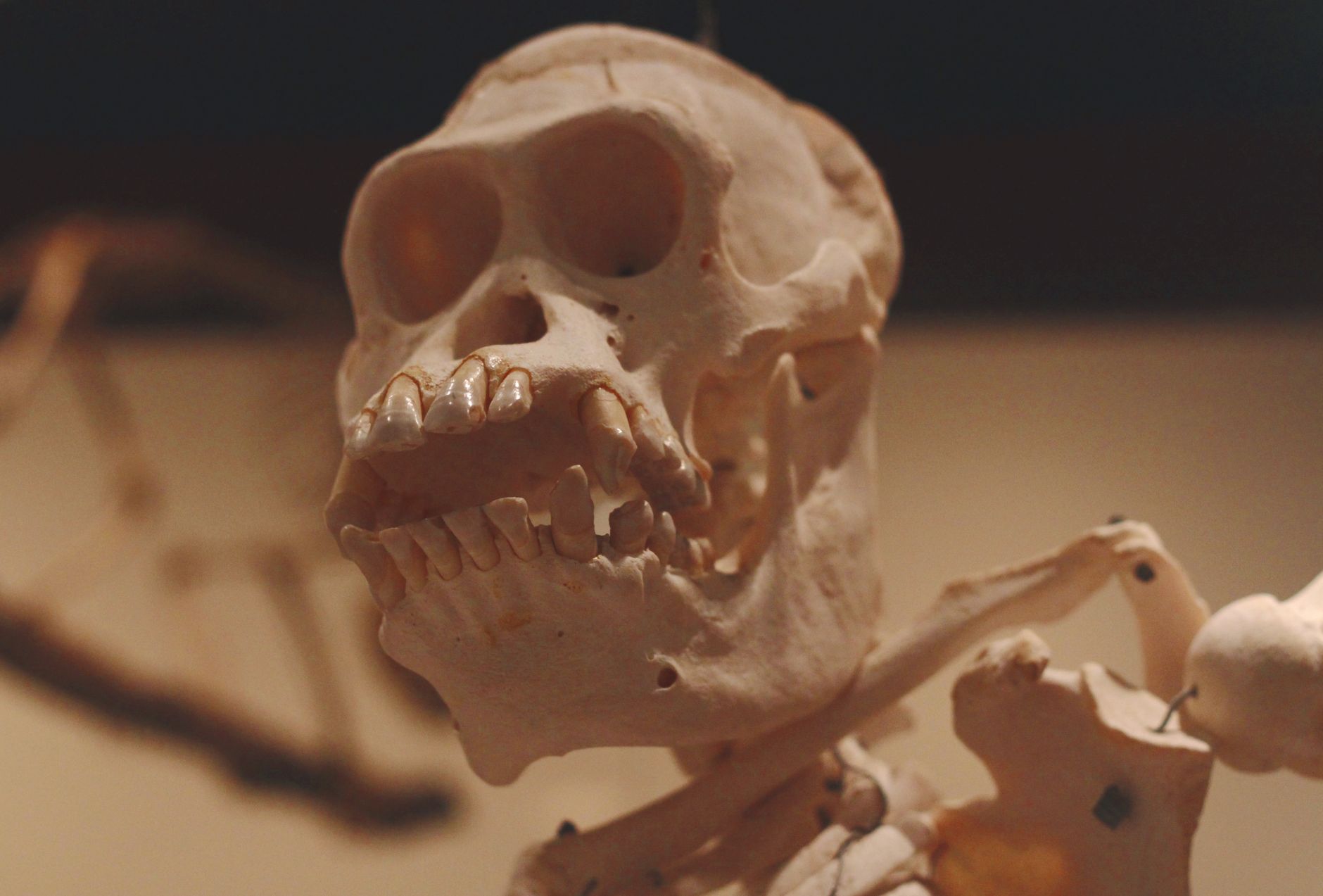
Inside Palazzo Torrigiani, five minutes from Palazzo Pitti, sits Europe’s oldest public science museum (1775). The 34 rooms of stuffed mammals are a 19th-century time capsule, but the prize is the collection of 18th-century anatomical wax models commissioned by Grand Duke Pietro Leopoldo. Each layered wax body — there are over 1,400 — was sculpted from an actual cadaver. The Mary Shelley vibe is real. Reopened in 2024 after a six-year restoration. €10 entry, allow 90 minutes. Closed Mondays.
12. Boboli’s Kaffeehaus terrace
The pink rococo pavilion (1776) at the highest point of the Boboli Gardens. Most visitors march past on the way to the Buontalenti Grotto and miss it entirely. Climb the staircase to the upper terrace for one of the best free dome panoramas in the city — and a tiny espresso bar that turns into a hidden aperitivo spot in summer. Boboli ticket €10; first Sunday of the month free.
13. Photographing Ponte Vecchio from Ponte Santa Trinita
An open secret among photographers. The bridge most travellers take to Ponte Vecchio is itself the better photo platform looking back. Stand on the south-east corner of Ponte Santa Trinita 30 minutes before sunset; Ponte Vecchio glows in profile with the Tuscan hills behind. Free, sublime, and — somehow — never crowded.
14. Fra Angelico’s frescoed cells at San Marco
A Dominican monastery turned national museum. Every monk’s cell on the upper floor is decorated with a meditative fresco by Fra Angelico (1438–45). It’s the only place in the world to see an entire artist’s body of work in its original setting. Savonarola lived (and preached fire-and-brimstone sermons) in the prior’s quarters here before his 1498 execution. €8 full price, €6 reduced. Often empty even in high season because most travellers don’t realise it exists. Closed Wednesdays.
15. Bartolomeo Ammannati’s Neptune fountain workshop trail
A walking quirk: every block of marble Ammannati used for his Neptune fountain (Piazza della Signoria) was finished in his Borgo Pinti studio. The studio’s stone-carved doorway is still visible at Borgo Pinti 80 — the inscribed Latin motto reads “Tutto e nulla” (“All and nothing”). The route from there past the fountain itself takes you through the lesser-known eastern quarter of the centre, past Santa Maria Maddalena dei Pazzi (with its sublime Perugino frescoes inside), Sant’Ambrogio market and Piazza dei Ciompi (former flea market). 1 hour, free, basically empty.
16. Museo di Antropologia ed Etnologia
Founded 1869, on the upper floor of Palazzo Nonfinito (Via del Proconsolo). Italy’s oldest anthropology museum: shrunken Amazonian heads, Pacific Islander bark cloths, Tibetan ritual masks. €5, fifteen-minute walk from Piazza Signoria. Open weekdays 09:00–17:00, weekends 10:00–18:00. Often you’ll be the only person in the rooms.
17. Oltrarno’s working artisan workshops
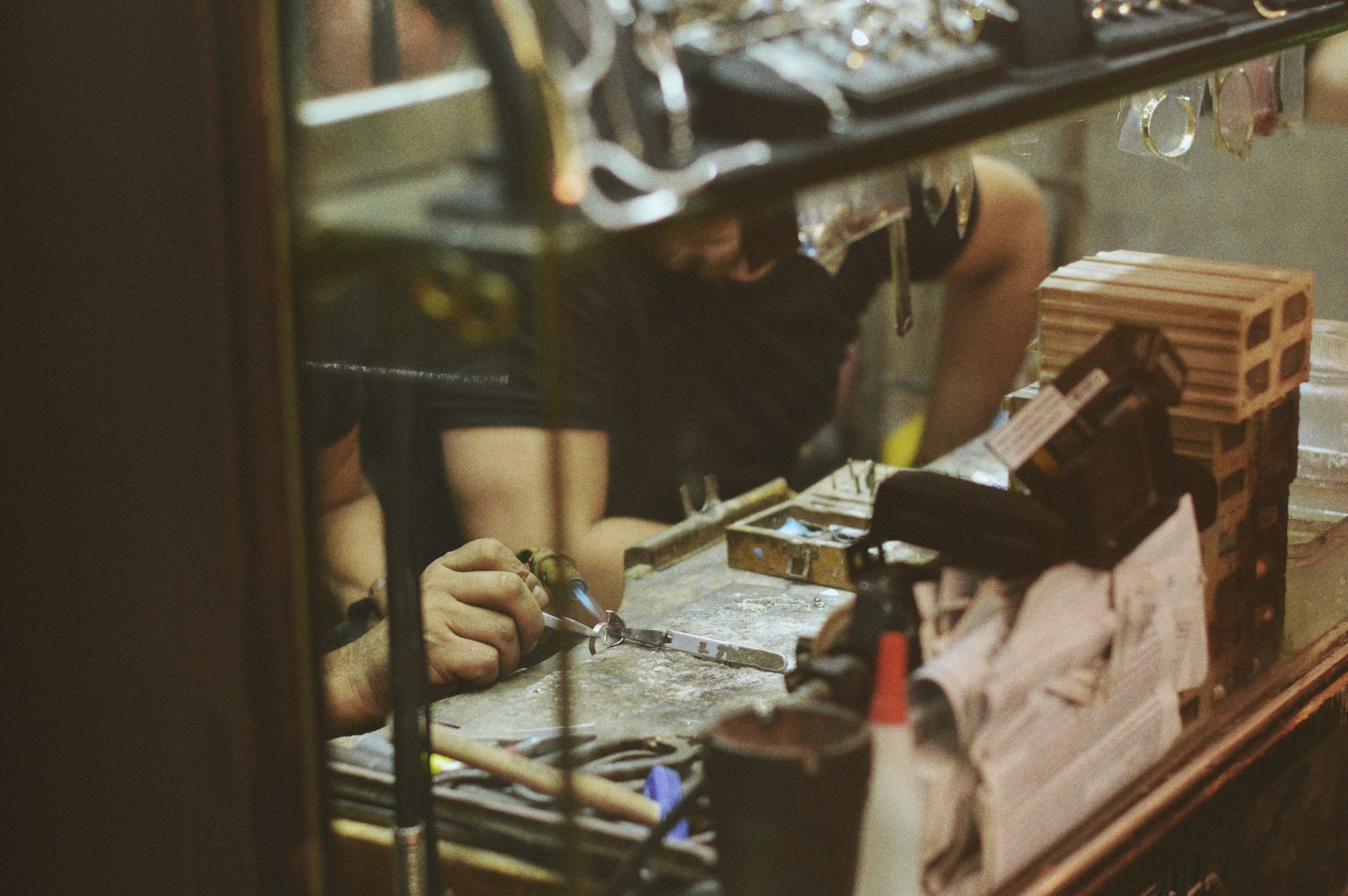
The Oltrarno is Florence’s living artisan district. Standout workshops welcoming respectful visitors:
- Alberto Cozzi (Via del Parione 35r) — marbled paper since 1908. Watch a sheet being made for free.
- Giuliano Ricchi (Borgo San Frediano 12r) — fourth-generation gilder.
- Stefano Bemer (Via di San Niccolò 2r) — bespoke shoes since 1983; learn the trade in their academy.
- Bottega della Carta (Lungarno Corsini) — handmade leather-bound notebooks.
- Madova (Via Guicciardini 1r) — five generations of leather-glove makers; their store has a viewing window onto the workshop.
For a guided tour weaving through them, see our self-guided walking routes.
18. Gelateria della Passera
Tucked into a tiny piazza two blocks from Palazzo Pitti. No tourist-coloured artificial pyramids, just dense, low, properly hand-stirred batches. The pear-and-caramel and the rosemary-and-honey are the must-orders. €3 for two scoops. Closed Mondays.
19. Piazza Santo Spirito at sunset

The Brunelleschi-designed basilica’s deliberately unfinished façade overlooks an almost-perfect Oltrarno square, alive with families, students and aperitivo crowds from 18:30 onwards. Sit at Volume (Piazza Santo Spirito 5r) for a €5 spritz, or grab a slice of pizza from Gusta (next door) and sit on the basilica steps. Eight pm any Friday is the most Italian moment of your trip.
20. Torre San Niccolò sunset climb
The southern gate of Florence’s medieval city walls (1324) — once a defensive watchtower, now opens for short summer-evening climbs (June 21 to October 1, daily 17:00–19:30). Six flights of stone steps, no lift, panoramic terrace at the top with a 360° view far prettier than Piazzale Michelangelo’s. €4. Almost no one knows it’s open.
Hidden gems by neighbourhood
If you’re staying in or focusing on a particular part of Florence, here’s how the secret stuff clusters:
Centro storico (the historic core)
The most-visited part of Florence still hides a surprising number of quiet sights. The Bargello is a one-minute walk from the Palazzo Vecchio queue, the Cenacolo di Sant’Apollonia is two blocks east of the Accademia, and the Officina Profumo Santa Maria Novella‘s frescoed entry rooms are 90 seconds from the SMN station crowd. The Loggia del Bigallo at Piazza San Giovanni (across from the Baptistery) is a free 14th-century covered arcade with frescoes most travellers walk past entirely. Inside Orsanmichele on Saturdays only, the upstairs sculpture museum is empty and free.
Oltrarno (San Frediano, Santo Spirito, San Niccolò)
This is hidden Florence’s spiritual home. Within 800 metres of Ponte Vecchio you’ll find the Brancacci Chapel, the Giardino Bardini, the Scuola del Cuoio (well, technically just over the river, behind Santa Croce), Piazza Santo Spirito, the Torre San Niccolò and a dozen artisan workshops. Spend an entire morning crossing the river, doing a 2-hour Oltrarno walk, and lunching at Trattoria 4 Leoni or Il Santo Bevitore.
Sant’Ambrogio & Santa Croce east
Florence’s working-class district. The Sant’Ambrogio market, Trattoria da Rocco, Cibreo (one of Florence’s most famous restaurants), the Cenacolo di San Salvi 15 minutes east of here, and a string of small contemporary art galleries on Via dei Pilastri. Quiet on Sundays.
San Marco & San Lorenzo
Within four blocks: the Museo di San Marco (Fra Angelico’s frescoed cells), the Cappelle Medicee (Michelangelo’s Sagrestia Nuova tombs, often less crowded than the Accademia), the Cenacolo del Fuligno (Perugino fresco, free), and the Biblioteca Medicea Laurenziana staircase by Michelangelo (visible without a library ticket from the San Lorenzo cloister).
North of the centre — Fortezza, Cure, Stibbert
A 15-minute walk or short bus ride beyond the historic centre puts you in residential Florence. The Museo Stibbert, the Giardino dell’Orticoltura (with its 1880 cast-iron Tepidarium), the Cimitero degli Inglesi (Elizabeth Barrett Browning’s grave) and the Russian Orthodox Church (Via Leone X) are all worth the detour for travellers on their second or third Florence trip.
Hills (Fiesole, Settignano, Bellosguardo, San Miniato)
Bus 7 from Piazza San Marco gets you to Fiesole in 20 minutes — Roman amphitheatre, Etruscan walls, the Convento di San Francesco, and a parvis with the best free reverse view of Florence. Just east, Settignano is the village where Michelangelo grew up; little of it is on tourist itineraries. Bellosguardo (south-west hills) holds villas where Henry James and Hawthorne stayed and panoramic walks along Via San Carlo. San Miniato al Monte above Piazzale Michelangelo deserves repeating.
Five more hidden gems for repeat visitors
21. Casa Buonarroti
The house Michelangelo bought for his nephew, kept by the family until 1858 when it was donated to the city. Inside: two of Michelangelo’s earliest sculptures — the marble Madonna of the Stairs (carved aged 16) and the Battle of the Centaurs (carved aged 17) — plus the only architectural drawings in his hand still in Florence. €8 entry, almost no crowd. Open Wednesday–Monday. Via Ghibellina 70.
22. Museo Marino Marini
A 20th-century sculpture museum inside the deconsecrated Church of San Pancrazio. The 1467 Holy Sepulchre Chapel by Leon Battista Alberti — a perfect Renaissance miniature reconstruction of Christ’s tomb in Jerusalem — is the unmissable highlight. €6, ten minutes from Santa Maria Novella station, never crowded.
23. The English Cemetery (Cimitero degli Inglesi)
An oval island in the middle of Piazzale Donatello’s busy traffic ring. Buried here: Elizabeth Barrett Browning, Walter Savage Landor, Frances Trollope, Theodore Parker, and roughly 1,400 other British, American and Russian Protestants who died in Florence between 1827 and 1877. €3 donation; the long-time custodian is delighted to have visitors and gives small free walking tours. Open Mondays 09:00–12:00 and Tuesday–Friday 14:00–17:00.
24. Museo della Specola Astronomical Observatory
Adjacent to the wax-anatomy museum but rarely opened to the public. Friday and Saturday evenings between November and February the observatory runs free guided observation sessions of the moon, Saturn and Jupiter from the 19th-century dome. Booking essential via the museodisamarinese.unifi.it website.
25. Via Pisana street art trail
Walk south-west out of San Frediano along Via Pisana for 800 metres. Every block hides a Clet Abraham repurposed road sign, a Blub “art is everywhere” stencil, or a giant Hopnn fish mural. Free, technically not a “tour” but a wonderful 45-minute walk.
How to thread these into a trip
For a four-day visit, slot the secret-Florence list into your second half:
- Day 3 morning: Bargello → Cenacolo di Sant’Apollonia → San Marco → Mercato Centrale lunch.
- Day 3 afternoon: Oltrarno walking tour through Santo Spirito, the artisan workshops, Brancacci Chapel and Giardino Bardini → vespers at San Miniato.
- Day 4 morning: La Specola → Officina Santa Maria Novella → Cenacolo di Ognissanti.
- Day 4 afternoon: Vasari Corridor (book ahead) or Scuola del Cuoio → Sant’Ambrogio market dinner.
For a longer self-guided route through Oltrarno alone, see our walking tours of Florence guide. For broader context on first-time top sights, return to Top 25 Florence Tourist Attractions or our pillar Things to Do in Florence: The Ultimate Guide.
Three off-the-beaten-path day itineraries
Itinerary 1 — The Renaissance underground (one full day)
An itinerary for art-history nerds who already know the Uffizi inside out. 09:00 open the Bargello (€9) — Donatello’s two Davids, Verrocchio’s Boy with a Dolphin, the 1401 baptistery-door competition panels by Brunelleschi and Ghiberti. 11:00 walk 12 minutes north to Museo di San Marco — the Fra Angelico cells, Savonarola’s library, the Crucifixion fresco in the chapter house. 13:00 lunch at Trattoria Mario (Via Rosina 2r, lunch only, no reservations, €15 for the menu). 15:00 walk to Cenacolo di Sant’Apollonia (Andrea del Castagno’s Last Supper, free). 16:00 south to the Casa Buonarroti for Michelangelo’s earliest sculptures. 18:00 aperitivo at Procacci on Via Tornabuoni — truffle-butter sandwiches and a glass of Antinori. 20:30 dinner at the small bistro Trattoria Cibreo.
Itinerary 2 — The Oltrarno artisan day
The hands-on, working-Florence day. 09:00 espresso at Caffè Cibreo (Via del Verrocchio). 09:30 cross Ponte alle Grazie south, walk through San Niccolò and up to Giardino Bardini; spend an hour wandering the terraces. 11:30 down via Costa San Giorgio to the Officina Santa Maria Novella perfumery. 13:00 lunch on Piazza Santo Spirito — Gusta Pizza or 5e Cinque. 14:30 visit the Brancacci Chapel (€10, book 24 hours ahead). 16:00 walk west on Borgo San Frediano stopping at gilders, frame-makers and bookbinders along the way; aim for Madova gloves (Via Guicciardini 1r) and Stefano Bemer shoes (Via di San Niccolò 2r). 18:30 aperitivo at Volume on Piazza Santo Spirito. 20:30 dinner at Il Santo Bevitore.
Itinerary 3 — Quiet hill day for repeat visitors
The day for travellers who know Florence well and want to escape the centre entirely. 09:00 bus 7 from Piazza San Marco to Fiesole. 09:30–11:30 Roman amphitheatre, Etruscan walls, the Convento di San Francesco panorama. 12:00 walk down the cypressed road via Settignano — pause at Bar Roma in Piazza Tommaseo (where Michelangelo learned stonecutting from the Topolino family). 13:30 lunch at La Capponcina (Via San Romano), or pizza at Aurora. 15:00 bus or walk back via San Domenico, dropping into the Cimitero degli Inglesi for Elizabeth Barrett Browning’s grave. 17:00 climb to San Miniato al Monte for vespers. 19:00 sunset wine on the steps of the basilica, watching Florence light up below.
Hidden Florence by season
Spring (March–May) — the wisteria moment
The Bardini wisteria pergola peaks roughly April 20–May 5; the Iris Garden opens for two weeks late April; the Rose Garden hits full bloom late May. Spring is also when the Cenacolo del Fuligno tends to extend its limited hours. The Vasari Corridor’s queue is shortest now (post-Easter slump) — book ahead.
Summer (June–August) — what’s still open
The Torre San Niccolò opens its summer evening climbs (June 21–October 1, daily 17:00–19:30, €4). The Forte di Belvedere typically opens with a contemporary art exhibition. Estate Fiorentina (June–September) puts free outdoor cinema in courtyards across town. August in Florence is genuinely empty — many trattorias close mid-month, but the museums all stay open and the morning light at Piazzale Michelangelo before the heat becomes intolerable is unbeatable.
Autumn (September–November) — the connoisseur’s window
Tuscany’s most beautiful three months. The Casa Buonarroti‘s autumn-only family archive viewings; truffle festivals begin in San Miniato (the town, an hour west); the European Heritage Days weekend in late September opens dozens of normally-closed Florentine palazzi to the public for free. Wine harvest in nearby Chianti from mid-September.
Winter (December–February) — local Florence
Cold but rarely freezing; perfect for the indoor cenacoli, La Specola, the Bargello and the Officina Santa Maria Novella. Christmas markets on Piazza Santa Croce and Piazza Santissima Annunziata; Befana parades on January 6; Carnival processions in early February. Pricing is at year-low — boutique 4-star hotels drop to €120/night, the Vasari Corridor is bookable two weeks ahead instead of six, and you’ll find empty terraces at sunset that in May would hold 200 people.
Five practical tips for hidden Florence
- Buy the Firenze Card if you’ll do five+ paid sights in 72 hours — €85 covers the Bargello, Brancacci, Pitti, Bardini, Boboli, San Marco, Medici Chapels and most of the cenacoli, with priority entry.
- Cenacoli all close on Sundays. Plan your hidden-Florence circuit for Tuesday–Saturday.
- Most museums close on either Monday or Tuesday. Bargello Tuesdays, San Marco Wednesdays, La Specola Mondays. Always check the day before.
- Walk to all of these in good shoes. The Oltrarno cobbles and the climb to San Miniato beat up flimsy footwear fast.
- Bring small euro coins. The cenacoli ring-and-enter system, the English Cemetery donation jar and several free churches use coin-only honour systems.
Hidden gems in Florence — FAQ
What are the lesser-known places to visit in Florence?
Florence’s most rewarding under-the-radar sights are the Bargello (Renaissance sculpture), the Brancacci Chapel (Masaccio frescoes that birthed the Renaissance), Giardino Bardini and its wisteria tunnel, the Cenacolo di San Salvi (Andrea del Sarto’s Last Supper), La Specola’s wax-anatomy collection, the Scuola del Cuoio leather school behind Santa Croce, the Vasari Corridor, and the Officina Profumo Santa Maria Novella.
Where do locals go in Florence?
Florentines hang out in the Sant’Ambrogio market for groceries and lunch at Trattoria da Rocco, evenings at Piazza Santo Spirito for aperitivo, mornings at Cascine for a run, and Sundays at Le Cure or Campo di Marte for daily life. The Oltrarno (especially San Frediano and San Niccolò) is the most lived-in central neighbourhood. Most locals avoid the strip between Piazza Duomo and Ponte Vecchio outside of work hours.
Is Florence too touristy?
The Duomo–Uffizi–Ponte Vecchio strip is overrun in peak season, but Florence is small (1.5 km² historic centre) and you only need to walk three streets in any direction to find quiet courtyards, half-empty churches and lived-in piazze. Aim for shoulder season (March–April, October–November) and balance the famous sights with the hidden gems above.
What’s the best off-the-beaten-path neighbourhood in Florence?
The Oltrarno — specifically the streets between Piazza Santo Spirito, San Frediano and San Niccolò. It’s a 10-minute walk from the Uffizi but feels worlds away. Working artisan workshops, family trattorias, the Brancacci Chapel and Giardino Bardini are all here. Sant’Ambrogio (east of Santa Croce) is the second-best option — quieter still, with the city’s best non-touristy food market.
Are there free hidden gems in Florence?
Plenty. The Cenacolo di Sant’Apollonia (Andrea del Castagno fresco, free), Cenacolo di San Salvi (Andrea del Sarto, free), Officina Santa Maria Novella entrance halls, the Mercato Centrale ground floor, Piazza Santo Spirito at sunset, San Miniato vespers, Ponte Santa Trinita’s Ponte Vecchio view, and the Loggia dei Lanzi sculptures are all free. See our companion guide Free Things to Do in Florence.
Can you visit the Vasari Corridor in 2026?
Yes — partially reopened in 2024, it now runs phased timed-entry visits at roughly €43, bookable through the official Uffizi ticketing portal. Slots sell out 4–6 weeks ahead. Groups of 25, 75 minutes long, walking from Palazzo Vecchio to Palazzo Pitti.
When is the best time to visit hidden Florence?
Shoulder season (March–April and October–November) is ideal: mild weather, peak crowds gone, full hours at all the small museums. February and the first week of March are surprisingly good — many small sites are open, hotel prices drop 30–40%, and you’ll often have entire rooms to yourself. August is the local-emptied-Florence experience: Florentines decamp to the seaside, many small shops close mid-month, but the big museums and the major hidden gems all remain open and feel weirdly tranquil.
Are these hidden gems suitable for a first-time Florence visit?
Some are, some aren’t. For a 3-day first visit, prioritise the headliners (Duomo, Uffizi, Accademia, Pitti) and slot in three or four hidden gems: Bargello as your Renaissance sculpture stop, Brancacci Chapel for art-history depth, Bardini Garden as your sunset alternative to Piazzale Michelangelo, and the Officina Profumo Santa Maria Novella as a free 20-minute aside. For a 5+ day trip, dig deeper into the cenacoli, La Specola, the Vasari Corridor and the Oltrarno artisans.
Do hidden Florence sights need advance booking?
Most don’t. The Vasari Corridor (€43, 4–6 weeks ahead), the after-hours Uffizi tours and the Casa Buonarroti’s occasional family-archive tours are the exceptions. Almost everything else here is walk-up: cenacoli, San Marco, Bargello, La Specola, Officina Santa Maria Novella, the Oltrarno workshops. Book the Uffizi and Accademia in advance regardless and use those as your fixed anchors; everything else flexes around them.
What’s the best hidden viewpoint in Florence?
The Belvedere terrace at Giardino Bardini gives the same panorama as Piazzale Michelangelo with one-tenth the people. The Kaffeehaus terrace inside Boboli is even quieter. Torre San Niccolò (open summer evenings only, €4) gives the highest unobstructed view of the city.