This article contains advertising. Booking links on this site can be turned into paid links automatically by our partner Travelpayouts: if you book through one, we earn a commission from the provider, at no extra cost to you. It never affects what we recommend. Affiliate disclosure
Arno River Boat Tours: Barchetti, Sunset Trips & Rowing
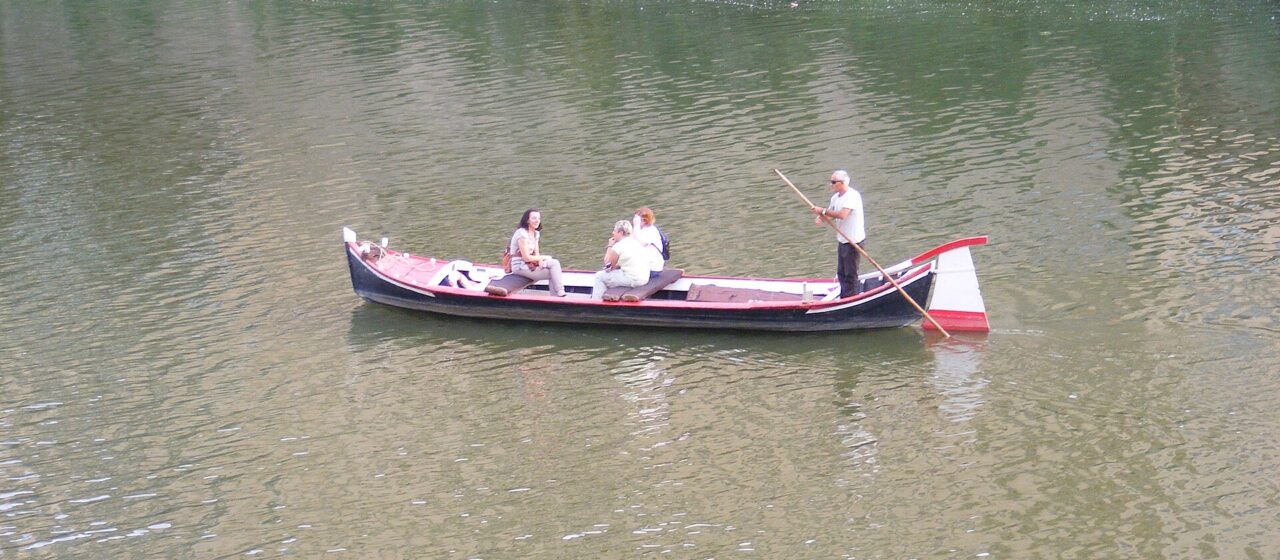
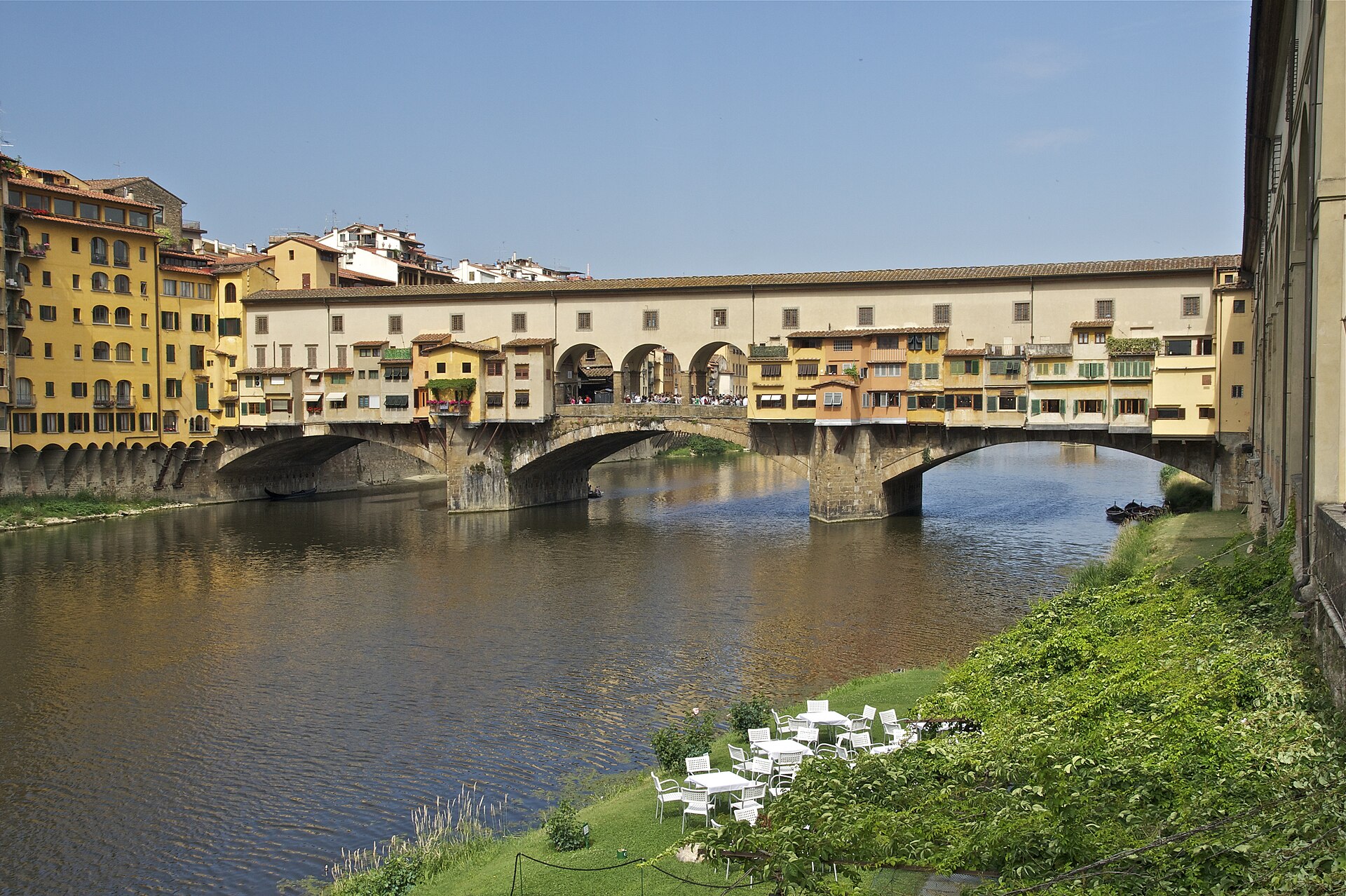
An Arno river boat tour Florence visitors imagine usually involves something like a Venetian gondola, and the reality is stranger and better than that. The Arno is too shallow and too weired for anything with an engine, so what you go out in is a barchetto — a flat-bottomed wooden boat that used to haul sand, poled by hand under Ponte Vecchio. Forty-five minutes on one is the only way to look up at Florence rather than across at it.
This is one of the few genuinely unusual things to do here — see unique experiences in Florence for the rest, and Florence tours and tickets for how it fits the budget.
Why There Are No Big Boats
The first thing to understand is a piece of hydrology. The Arno through Florence is shallow, seasonal and interrupted by weirs — the pescaie, low stone barriers built centuries ago to raise the water for mills and to slow the current. They still cross the river, and they mean the navigable stretch inside the city is short and broken into sections.
So there is no Seine-style cruise boat here, no glass-topped river bus, and no evening dinner cruise, and anyone selling you one is selling you something on another river. What the Arno supports is small, flat, hand-propelled craft, which is exactly what it has always supported.
This turns out to be the whole appeal. You are three feet above the water in an open wooden boat with four other people, being poled along by someone who does this for a living, and Florence is above you rather than around you. The bridges look completely different from underneath. It is quiet in a city that is not.
The Renaioli and Their Barchetti
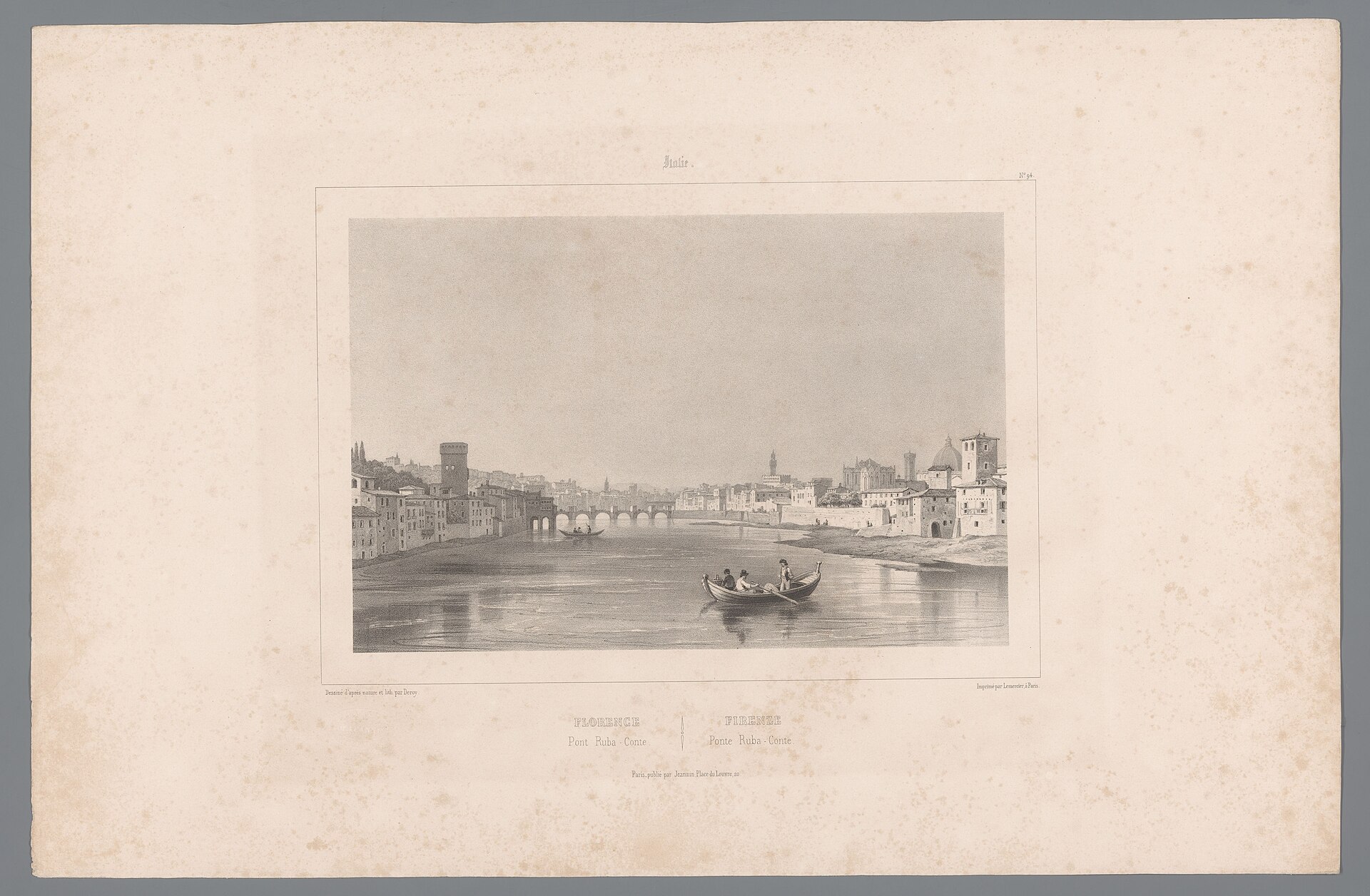
The renaioli were the Arno’s sand men. For centuries they dredged sand and gravel from the river bed and carried it to the banks in flat-bottomed boats, supplying the raw material for a great deal of the city you are looking at. They fished too. It was hard, cold, badly paid work and it disappeared within living memory.
The Associazione Renaioli keeps the boats and the trade alive. Their trips leave from Piazza Mentana, on the north bank just downstream of Ponte alle Grazie, run for about 45 minutes, and pass under Ponte Vecchio, Ponte Santa Trinita and Ponte alla Carraia. They operate May to September, by reservation only, and you book by contacting the association directly rather than through a platform.
The guide talks, and what they talk about is the river rather than the architecture: what the work was, how the boats are built, what the floods did. It is the most genuinely local thing on offer to visitors in central Florence, and it is not marketed as such.
The Options and What They Cost
| Option | Typical price | Length | Notes |
|---|---|---|---|
| Associazione Renaioli | On request | 45 min | May–Sept, book direct, Piazza Mentana |
| Semi-private barchetto cruise | From about €49 pp | 1 hour | Shared boat, often with wine |
| Private barchetto, larger group | From about €80 pp | 1 hour | Per-head cost falls as the boat fills |
| Private barchetto, two people | Up to about €225 pp | 1 hour | You are paying for the whole boat |
| Guided kayak | Varies | 1–2 hours | Seasonal, water-level dependent |
| Soft rafting under Ponte Vecchio | Varies | 1–2 hours | Seasonal |
Read the third and fourth rows together, because that spread is the thing to understand before booking. A private barchetto is priced per boat and then divided among however many of you there are. Two people pay a great deal each; six people pay about a third of that. If you are a couple, the semi-private option at around €49 is the sane choice, and the “private” upgrade is a romance tax.
Sunset Trips
The evening trip is the one to book if you are only doing one, and the reason is geography. The Arno runs roughly east–west through the city, so at sunset you are looking straight down a corridor of water at the light, with Ponte Santa Trinita and Ponte alla Carraia in silhouette and the whole surface gone copper.
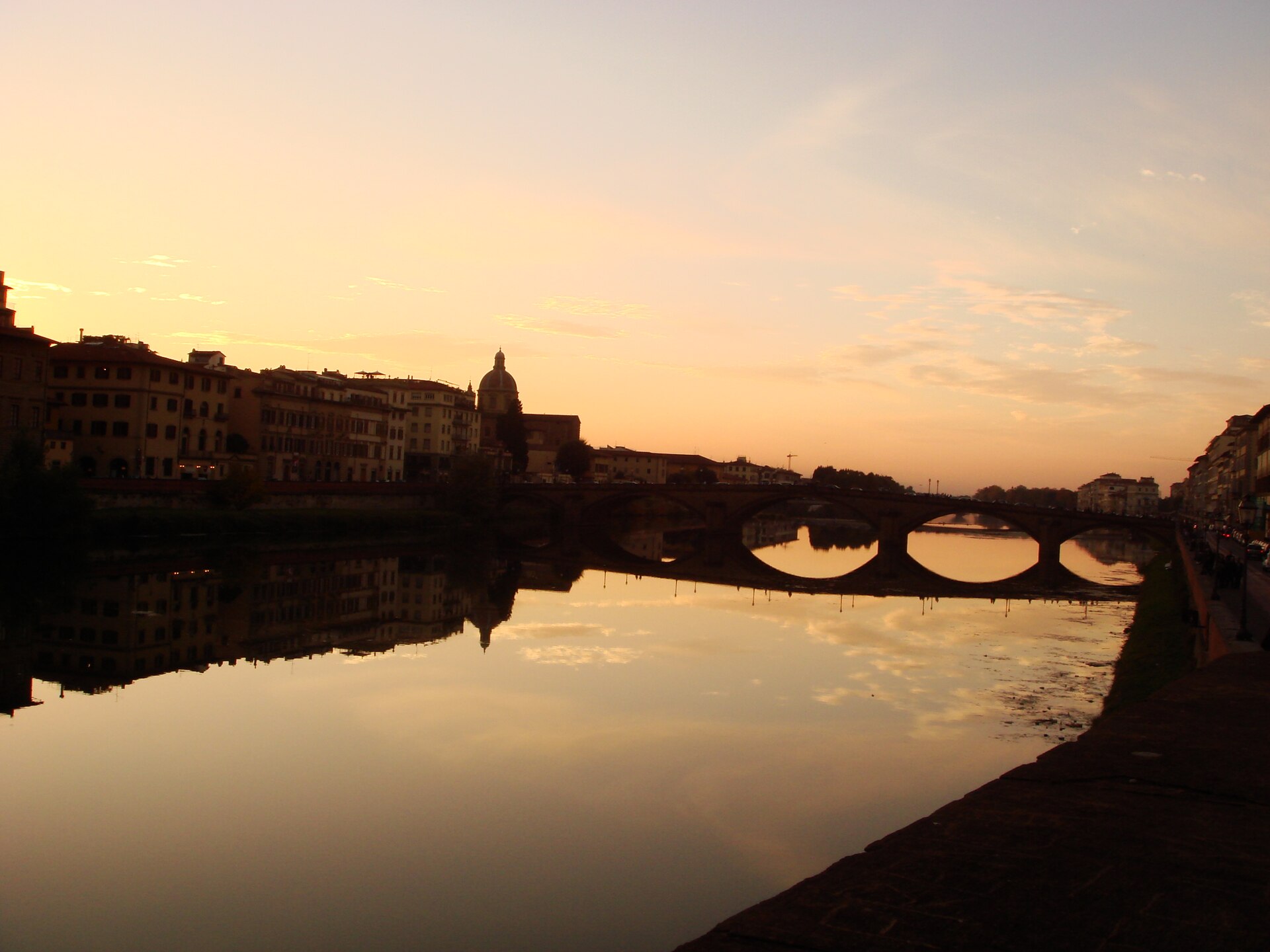
Two practical points. Book the slot that starts about an hour before sunset rather than at sunset, because you want to be on the water as the light changes rather than arriving into the last ten minutes of it. And check the actual sunset time for your dates — it moves by nearly three hours between June and December, and operators schedule to the season rather than to a fixed clock.
Our guide to sunset in Florence covers the alternatives, several of which cost nothing. The honest comparison is this: Piazzale Michelangelo gives you a better panorama and the boat gives you a better hour. They are different pleasures and the free one is not the lesser one.
Rowing Clubs and Kayaks
Florence is a rowing city, which visitors almost never notice. There are clubs on the Arno with boathouses tucked into the embankment arches — including under the Uffizi itself — and on a calm morning you will see eights and single sculls working the flat water between the weirs.
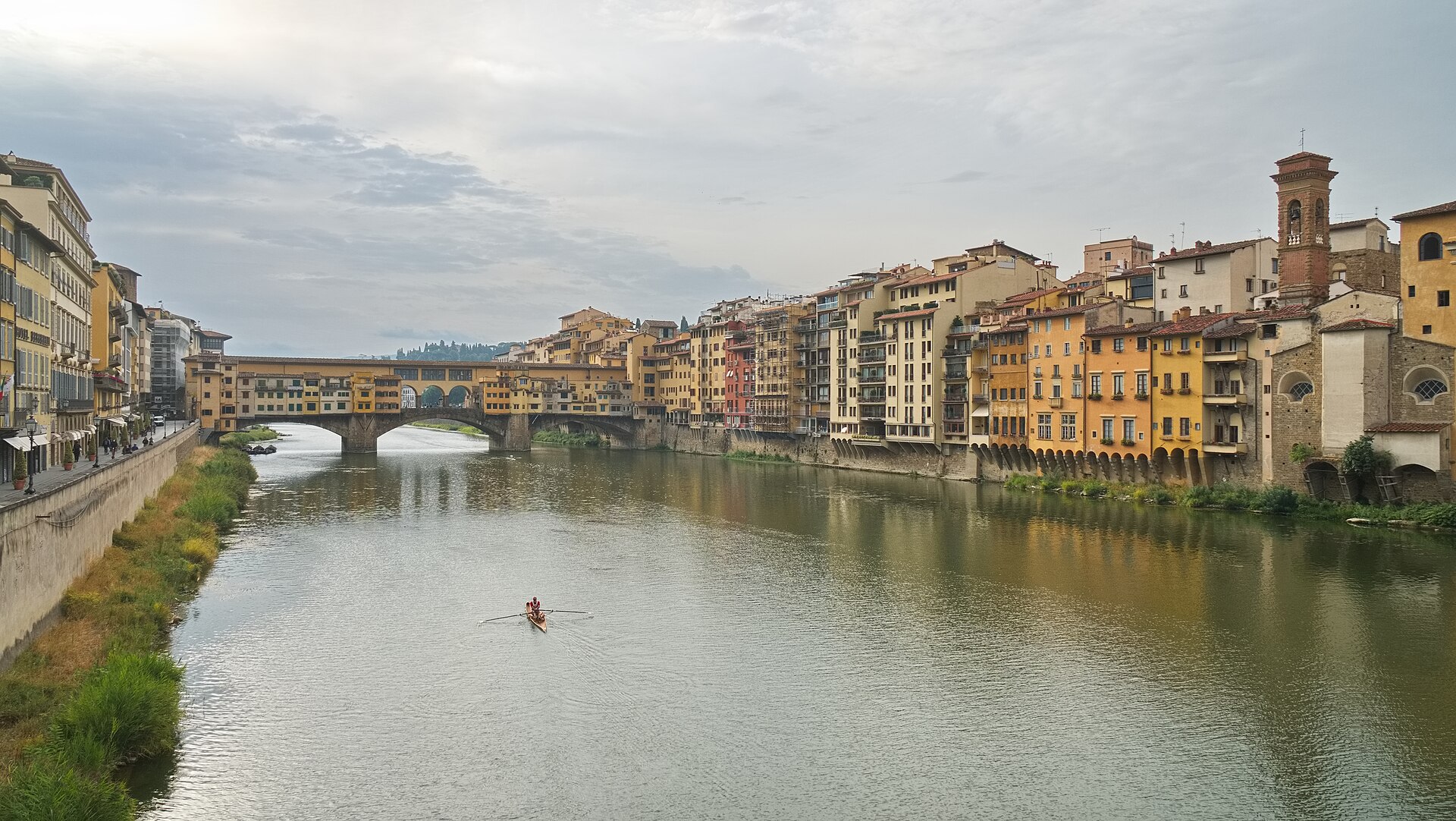
Clubs are members’ organisations rather than tourist operators, so you cannot simply turn up and hire a boat. Some run introductory sessions and some will accommodate visiting rowers from an affiliated club with advance notice, which is worth an email if rowing is your sport — it is a memorable place to do it. For everyone else, the clubs are a thing to watch rather than to join.
Kayaking and soft rafting are the participatory version, run commercially and seasonally. Both go under Ponte Vecchio, both depend on water level, and both are cancelled when the river is low in high summer or fast after autumn rain. If you want to be on the water under your own power, these are the way, and they suit people who would find forty-five minutes of being poled about slightly passive. See outdoor activities in Florence for the wider range.
What It Is Actually Like
Honest expectations, because this is a small pleasure sold with large adjectives.
The boat is open, wooden, low and not especially comfortable — plank seats, no backs. The river is green rather than blue, with weed visible in the shallows and, in a dry August, a certain amount of exposed gravel. You will pass litter. It is a working urban river, not a mountain stream, and anyone expecting the Venetian lagoon will spend the first ten minutes recalibrating.
What you get in exchange is genuinely unusual. The bridges from beneath, which almost nobody sees. The backs of the Lungarno palaces, which face the water and were built to be seen from it. Herons and cormorants, which do very well on the Arno. And forty-five minutes of quiet, in the middle of a city where quiet is the single scarcest commodity.
Is it worth €49? For a couple on a longer trip who have already done the museums, yes — it is one of the few things in Florence that is not also being done by four thousand other people that afternoon. For a family on a tight three-day schedule, probably not; it is an hour and the money buys a lot of gelato. It is not a sight, and it is not an activity. It is a mood, and you should book it knowing that.
When to Go
Season. The barchetto operators run roughly May to September; the Renaioli are explicit about it. Outside that window the water is too high, too fast or too cold, and most operators simply stop. If you are here in November, this is not on the list.
Water level. The Arno is a seasonal river and it can be genuinely low by late August, at which point trips shorten or stop. It can also come up fast after autumn rain. Neither is predictable more than a few days out, so keep the booking flexible and expect the operator to know better than the forecast.
Time of day. Late afternoon and sunset for the light; early morning for the quiet and the rowers. The middle of the day is hot, flat and the least interesting of the three.
Booking window. A few days in shoulder season, a week or more for a sunset slot in July. Boats hold five or six people, so capacity is genuinely tiny and the good evening slots go.
What to bring. A hat, water, and something to sit on if you have a difficult back. Getting in and out is a step down into an unstable boat from a low quay, which is worth thinking about if mobility is limited — ask the operator directly rather than assuming, and see our accessibility guide.
Frequently Asked Questions
How much is a boat tour on the Arno?
Semi-private barchetto trips start at about €49 per person for an hour. Private boats are priced per boat, so they work out from around €80 per person for a full boat up to about €225 each for a couple. The Associazione Renaioli quotes on request and is booked directly.
Are there gondolas in Florence?
No. The Arno boats are barchetti — flat-bottomed wooden craft originally used to dredge and carry sand. They are poled rather than rowed like a gondola, and the river is too shallow and too weired for anything larger or engine-driven.
Where do the boats leave from?
The Renaioli depart from Piazza Mentana on the north bank, just downstream of Ponte alle Grazie, and pass under Ponte Vecchio, Ponte Santa Trinita and Ponte alla Carraia. Commercial operators use similar landings on the same central stretch.
When do Arno boat trips run?
Roughly May to September. Outside that window the water is usually too high, too fast or too cold and operators stop. Trips can also be cancelled at short notice when the river is very low in late summer or in spate after heavy rain.
Can I kayak on the Arno?
Yes, on guided trips, seasonally and subject to water level. Soft rafting under Ponte Vecchio is sold on the same basis. Independent hire is not really a thing in the city centre, and the weirs make going where you like a bad idea.
Can I row with a Florence club as a visitor?
Not casually — the clubs are members’ organisations rather than rental operations. Some run introductory sessions, and a visiting rower from an affiliated club can sometimes be accommodated with advance notice. Email well ahead rather than turning up.
Is the sunset trip worth the extra?
Yes, if you book a slot starting about an hour before sunset rather than at it. The river runs roughly east to west through the city, so you are looking straight down the water at the light. Check sunset times for your dates — they shift by nearly three hours across the year.
Where to Go From Here
The river is best understood from both sides of it: our Ponte Vecchio guide covers the bridge you pass beneath, and the Vasari Corridor is the enclosed passage running along the top of it. For the free version of the same view, best views in Florence and the best photo spots cover where to stand.
If you want to be on the water rather than looking at it, outdoor activities in Florence has the kayaking and rafting options, and romantic things to do puts the sunset trip alongside the alternatives.