This article contains advertising. Booking links on this site can be turned into paid links automatically by our partner Travelpayouts: if you book through one, we earn a commission from the provider, at no extra cost to you. It never affects what we recommend. Affiliate disclosure
The Vasari Corridor: Tickets, Tours & Is It Worth It?
The Vasari Corridor reopened in December 2024 after eight years shut, and it is not the corridor people remember. The famous self-portrait collection has gone. What is there instead is 750 metres of raised passage, Roman marbles, and a view down the Arno from above Ponte Vecchio. This page covers what it costs, how the booking actually works, and whether the supplement is money well spent.
You enter through the Uffizi, so read this alongside our Uffizi tickets guide; the wider question of what is worth booking in Florence is covered in Florence tours and tickets.
What the Vasari Corridor Is
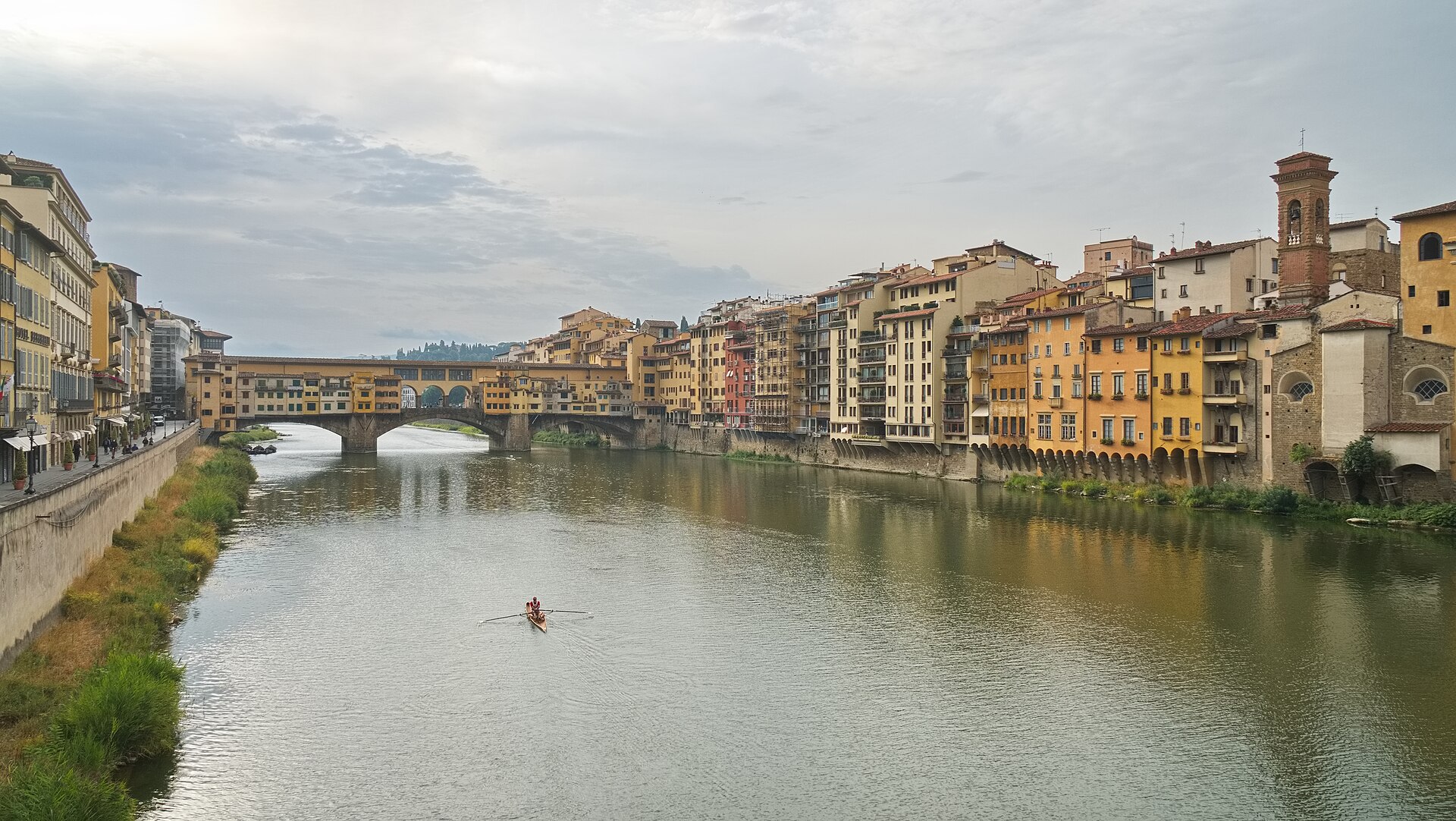
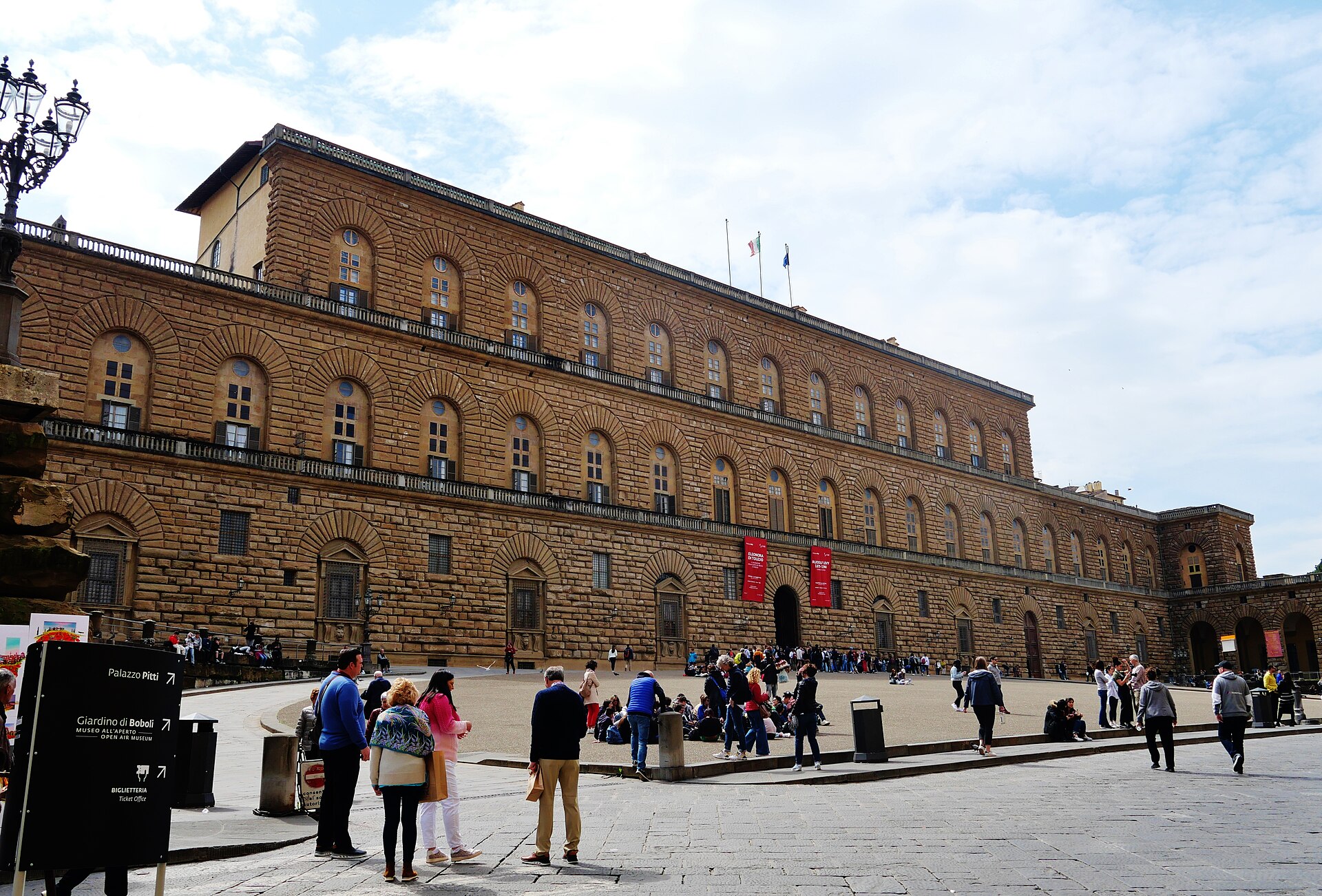
In 1565 Cosimo I de’ Medici’s son was getting married and the duke wanted a way to move between the seat of government and his new home on the far bank without walking through the streets among his own subjects. Giorgio Vasari built him one in five months: an enclosed passage running from Palazzo Vecchio, through the Uffizi, along the river, over the top of Ponte Vecchio and into Palazzo Pitti. Seven hundred and fifty metres, entirely private, entirely above the city.
It is a remarkable object for what it says as much as what it is. A ruler who needed a covered route across his own capital was telling you something about how secure he felt. When the corridor was routed over the bridge, the butchers who had traded there for centuries were evicted and replaced with goldsmiths, because Cosimo did not want to walk above the smell — which is why Ponte Vecchio sells jewellery to this day.
It closed in 2016 and stayed shut for eight years while fire safety and accessibility work was carried out; the building works began in 2022 and cost about €10 million. It reopened on 21 December 2024, structurally sound, fully step-free, and restored to its original bareness, with a display of Roman portrait busts added in July 2025.
Tickets and Prices
The corridor is priced as part of the Uffizi Galleries and there are four ways in.
| Ticket | On the day | Booked ahead |
|---|---|---|
| Vasari Corridor alone (special Friday evenings, 3 July–20 November 2026) | €20 | €24 |
| Uffizi + Vasari Corridor | €43 | €47 |
| 5-day PassePartout + Corridor | €58 | |
| Corridor supplement for annual pass holders | €20 | |
Read the first two rows together, because the difference is the whole decision. On ordinary days the corridor comes only with an Uffizi ticket: the combined ticket is €47 booked, which is €18 on top of the €29 you would pay for the Uffizi anyway. The corridor on its own, €24 booked, is sold only for the special Friday-evening openings, so for most visits the real cost is the €18.
How the Booking Actually Works
This is where people come unstuck, so it is worth being precise about the sequence.
You do not walk up to a corridor entrance. You enter through the Uffizi, on a ticket that carries the corridor supplement, and you make your way through the gallery to a meeting point where an Uffizi staff member collects your group. That means two timings matter: your Uffizi entry slot and your corridor slot, and you need enough of a gap between them to get through security, deal with the cloakroom and walk the length of the building.
Allow two hours between the two if you also want to see the paintings. Allow forty-five minutes even if you do not, because the Uffizi is a very long building and the meeting point is not by the entrance. If you miss your corridor slot you lose the corridor entirely, and the rule is unusually blunt: be at the meeting point five minutes before your time or forfeit entry.
Groups are capped at twenty-five, including any carers and private guides, plus two Uffizi staff. The group walks together and stays together. The staff are there to shepherd, not to explain — there is no commentary included, so this is a self-guided visit in convoy.
Corridor slots run from 10:15, with the last group leaving at 16:45. Closed Mondays, along with the rest of the Uffizi. Book through the official Uffizi ticketing site; slots are limited and in high season they go two to three weeks ahead, faster than standard Uffizi entry.
What Is Inside Now
Here is the thing most articles about the Vasari Corridor still get wrong, including a good many written since it reopened. The self-portraits are not in it any more.
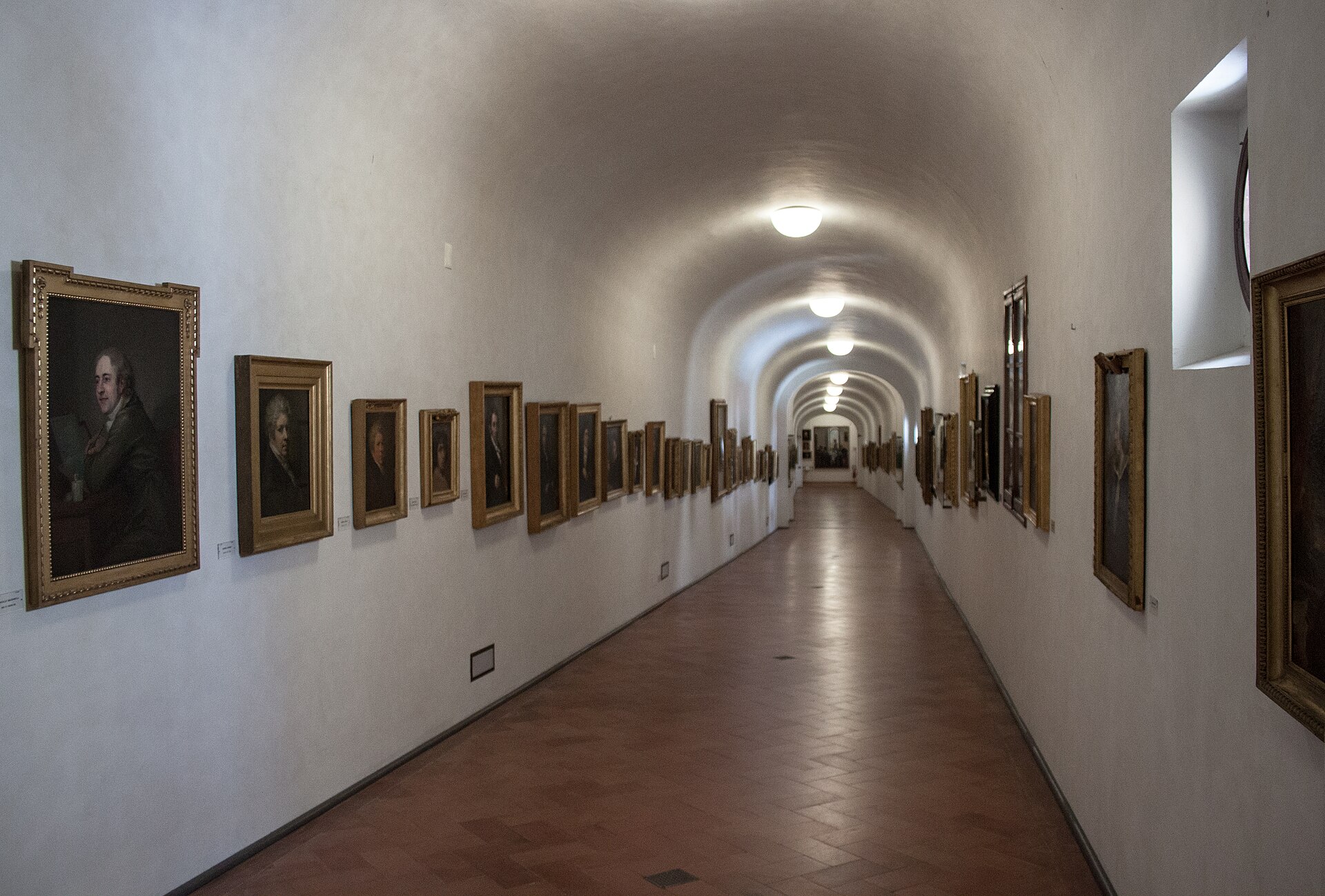
For decades the corridor’s draw was that hang: hundreds of artists’ self-portraits, Vasari to Chagall, stretching away down a tunnel. It was the reason the corridor had a reputation. The eight-year closure ended it — the collection was moved and the corridor was re-conceived. If you have booked expecting the portraits, adjust now rather than at the door.
What occupies it instead:
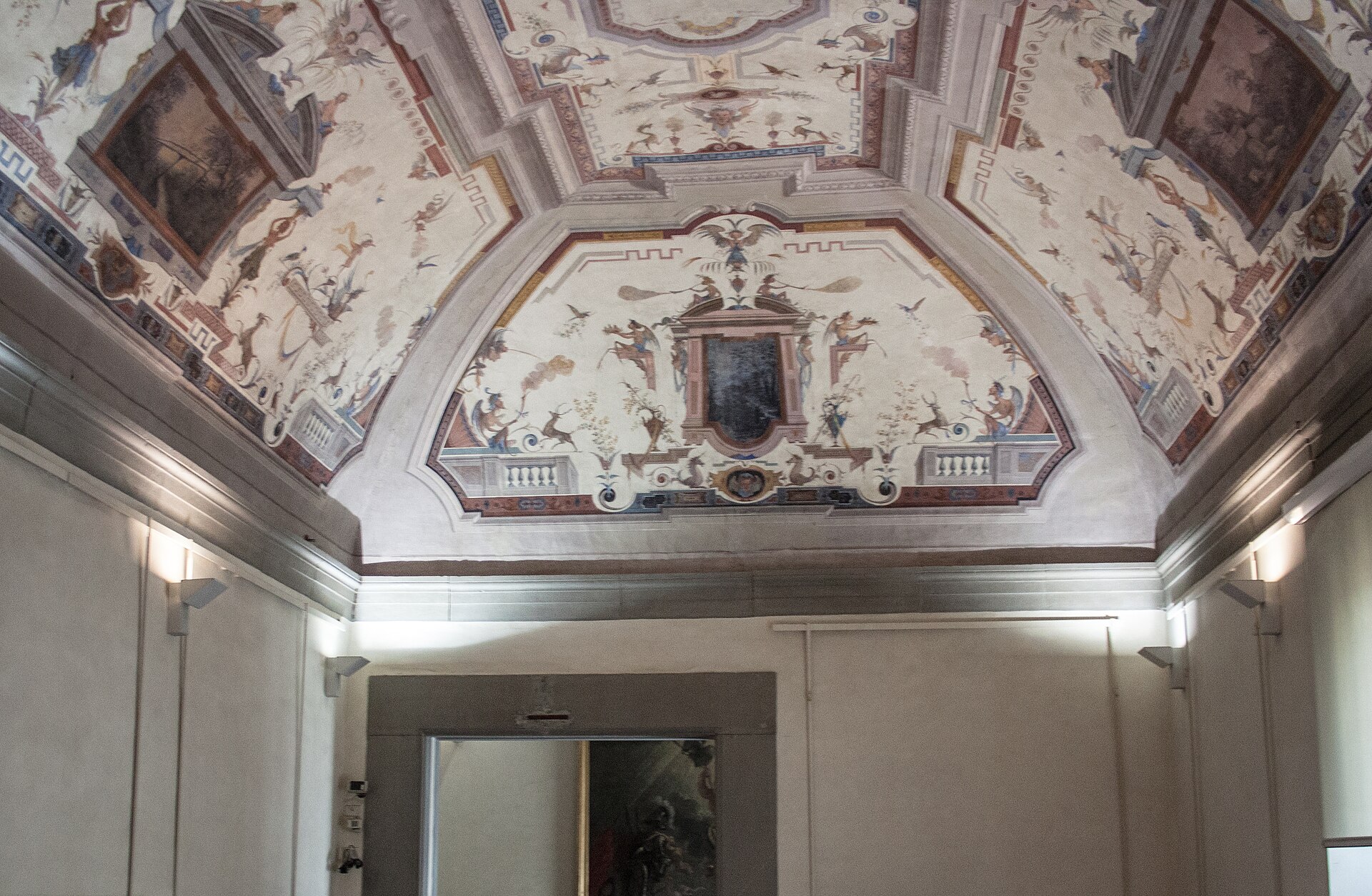
- Sixteenth-century frescoes that originally decorated the outside of the passage on the Boboli stretch, detached in the nineteenth century, stored for a hundred and fifty years and now shown indoors.
- Hellenistic and Roman sculpture, plus Roman epigraphs and marble portrait busts from the Medici antiquities collection.
- Ponte Vecchio, the one bridge that survived the Night of the Bridges, 4 August 1944, when the retreating German army destroyed every bridge in Florence except Ponte Vecchio — and demolished the medieval streets at both ends of it instead, which is why the approaches look the way they do.
- A memorial to the Georgofili bombing of 27 May 1993, the Mafia car bomb that killed five people beside the Uffizi and blew out a long stretch of the corridor’s windows.
Those last two are the strongest thing in it. The corridor is a physical survivor of both events, and standing inside the structure while reading about what happened to it is a different experience from reading a plaque in a museum.
The Route, Metre by Metre
The visit takes about thirty-five minutes at a walking pace, and it goes like this.
You leave the Uffizi and drop into the passage, which follows the Arno. The corridor threads along the top of the buildings on the Lungarno, bending around the Mannelli tower on stone brackets because the family opposed pulling it down. That detour is still there, four and a half centuries later, as a monument to somebody saying no to a Medici.
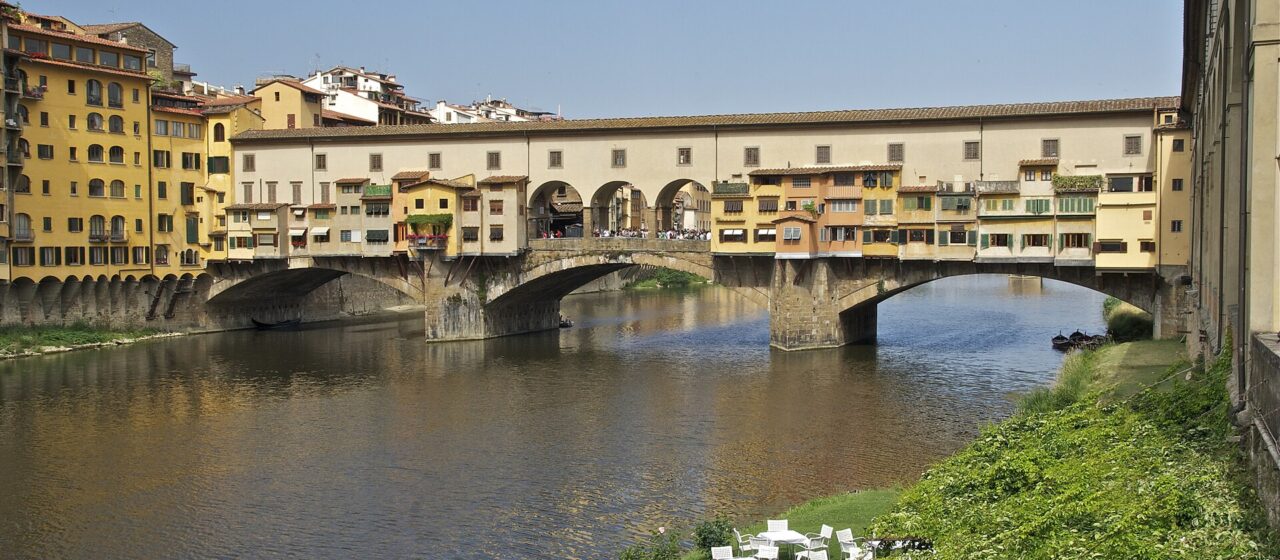
Then Ponte Vecchio, and this is the moment the ticket is for. You are directly above the shops, with windows on both sides — upstream towards Ponte alle Grazie, downstream towards Santa Trinita, with the water below and the crowd on the bridge deck audible but invisible underneath you. Cosimo’s windows were small and few; the three large central ones took their present form in 1860, for the celebrations welcoming Victor Emmanuel II. It is the only stretch of the walk where people stop talking.
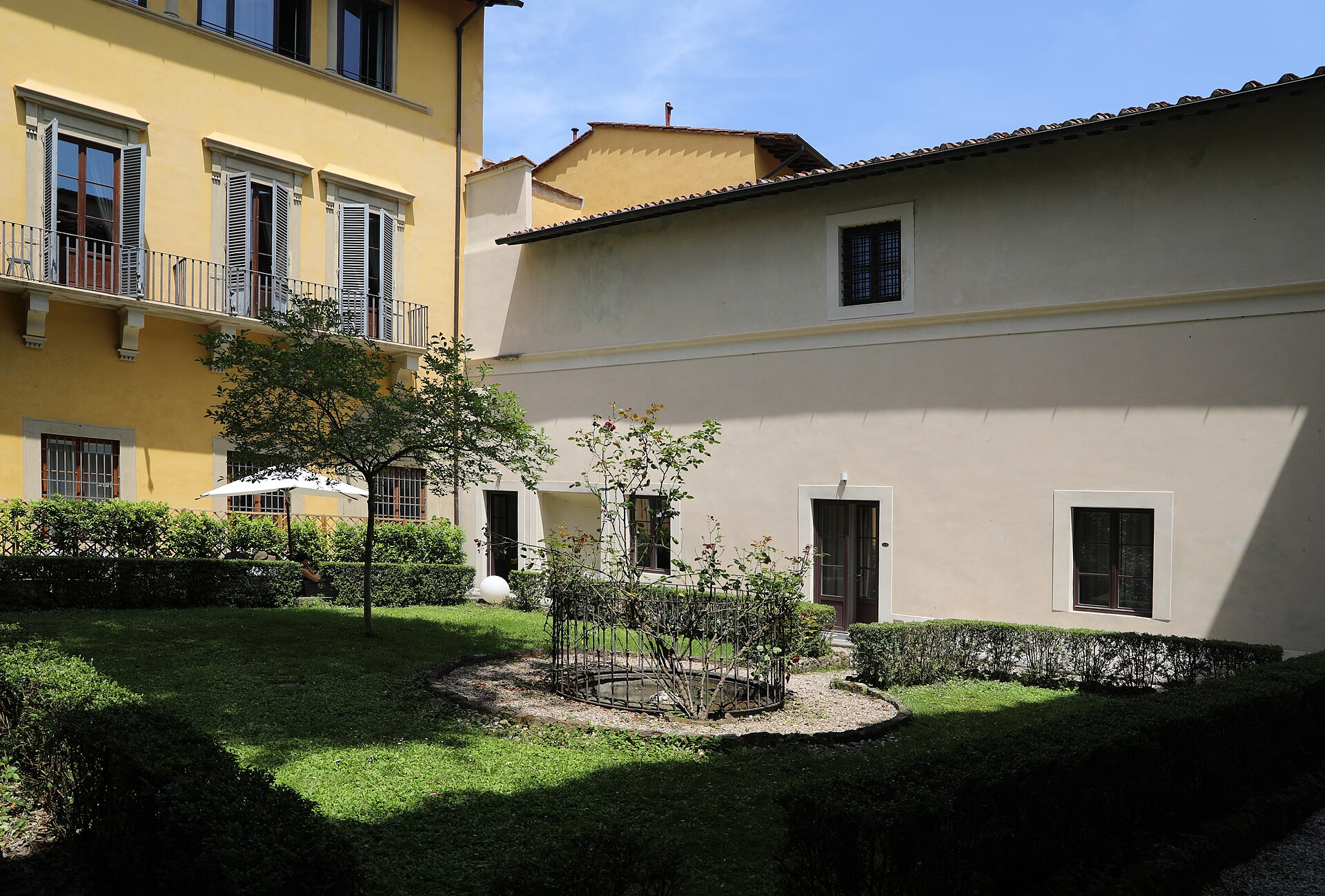
Beyond the bridge the corridor passes the church of Santa Felicita, where a private balcony let the Medici attend Mass without entering the building or being seen by the congregation. Then it runs through the Oltrarno at first-floor height, past and through private houses and gardens, before descending into the Boboli side of Palazzo Pitti.
The Rules That Catch People Out
The access rules are stricter than most Florentine attractions and they are enforced, largely because twenty-five people in a narrow passage leaves no margin.
- Five minutes before, not one minute after. Late arrival forfeits entry and there is no refund.
- No bulky items at all. Suitcases of any size, backpacks, rucksacks and large umbrellas are refused. This is stricter than the Uffizi’s own cloakroom policy, and the day-bag you carried round the gallery may not come with you.
- The group stays together for the full thirty-five minutes. You cannot linger at the bridge windows and catch up.
- No corridor-only walk-up. You must be on a ticket that includes Uffizi admission, even if you have no intention of looking at a painting.
Is It Worth €18?
Honestly: it depends entirely on which visitor you are, and the answer flips hard between two groups.
Worth it if you have been to Florence before, or you are here for four days or more, or the Medici and their machinery genuinely interest you, or you are the sort of person who finds a 1565 solution to a 1565 political problem more compelling than another Madonna. The bridge crossing is the high point, and the fact of the thing — a private road through a city, built for one family — lands properly when you are inside it.
Not worth it if this is a first trip of three days. Eighteen euros on top of the Uffizi ticket and the better part of an hour, on a schedule that also constrains your Uffizi slot, is a real cost against a city where you have not yet seen the Bargello, climbed anything, or eaten a proper lunch. The corridor is a long white passage with windows and some Roman marbles. It is interesting; it is not the Sistine Chapel, and the reopening publicity was rather better than the thing itself.
And be clear about the disappointment risk. A significant number of the people who come out unimpressed booked expecting the self-portraits, which were the corridor’s reputation for fifty years and are no longer there. Go for the architecture and the view and you will enjoy it. Go for the paintings and you will feel short-changed.
If You Decide Against It
You can see a great deal of the corridor without buying anything. From Ponte Santa Trinita, one bridge downstream, the whole run along the Lungarno and over Ponte Vecchio is laid out in front of you, and it is the best way to understand the shape of it — better, in some ways, than being inside, where you cannot see what you are walking through.
The stretch along the north embankment is visible from the riverside path, the Mannelli tower detour is obvious once you know to look for it, and the row of small windows above the bridge shops is unmistakable from either bank. Our guide to the best views in Florence covers where to stand, and the jewellers of Ponte Vecchio explains how the goldsmiths came to be there in the first place — which is, of course, entirely the corridor’s fault.
Spend the eighteen euros on the Bargello and a plate of pasta instead. That is a defensible trade and nobody will think less of you for it.
Frequently Asked Questions
How much does the Vasari Corridor cost?
On special Friday evenings (3 July–20 November 2026) the corridor alone is €20 on the day or €24 booked ahead. On ordinary days it comes with the Uffizi: combined it is €43 on the day or €47 booked — an €18 premium over an Uffizi ticket you were buying anyway. The 5-day PassePartout plus corridor is €58.
Can I visit the Vasari Corridor without going into the Uffizi?
No. Access is through the Uffizi and your ticket must include gallery admission, even if you go straight to the meeting point without stopping to look at anything. Allow forty-five minutes to cross the building, or two hours if you also want to see the paintings.
Are the self-portraits still in the Vasari Corridor?
No. The self-portrait collection was moved out during the eight-year closure and is not part of the reopened corridor. Inside now you will find a display of Roman portrait busts in the section over Ponte Vecchio.
How long does the visit take?
Allow about 45 minutes for the regular daytime visit of the 750-metre route, or about 35 minutes on the special Friday-evening openings. Groups of up to twenty-five move together, accompanied by Uffizi staff who shepherd rather than guide, so there is no commentary and no lingering.
What happens if I am late for my slot?
You lose the corridor. Visitors must be at the meeting point five minutes before their entry time, and failure to appear forfeits the right to enter with no refund. The Uffizi part of your ticket remains valid.
Is the Vasari Corridor wheelchair accessible?
Yes. The 2016–2024 works installed ramps, platforms and lifts along the whole route, with toilets at the far end. The Uffizi provides courtesy wheelchairs and walkers free on request, subject to availability. Note that carers count towards the twenty-five-person group cap.
Can I take a bag in?
Nothing bulky — no suitcases of any size, no backpacks or rucksacks, no large umbrellas. A small handbag is fine, and a small folding umbrella that fits inside it is allowed. The restriction is tighter than for the Uffizi itself, so plan for it.
Where to Go From Here
Book the Uffizi first and slot the corridor around it — our Uffizi tickets guide covers the fares and the doors, and the Uffizi Gallery guide walks the collection. At the far end, Palazzo Pitti is on the same PassePartout and makes an obvious afternoon.
For the politics behind the passage, our Medici family history explains why a duke needed a private road, and the history and architecture guide puts Vasari’s five-month build in context.