This article contains advertising. Booking links on this site can be turned into paid links automatically by our partner Travelpayouts: if you book through one, we earn a commission from the provider, at no extra cost to you. It never affects what we recommend. Affiliate disclosure
Florence Itinerary: The Complete Day-by-Day Guide for Every Trip Length (2026 Edition)
The ultimate Florence itinerary guide — fully planned days for 1-day visits through 1-week stays, plus specialist itineraries for families, art lovers, and honeymooners. Every schedule includes specific timings, insider tips, and the booking advice you need to actually pull it off. Fully updated for 2026.
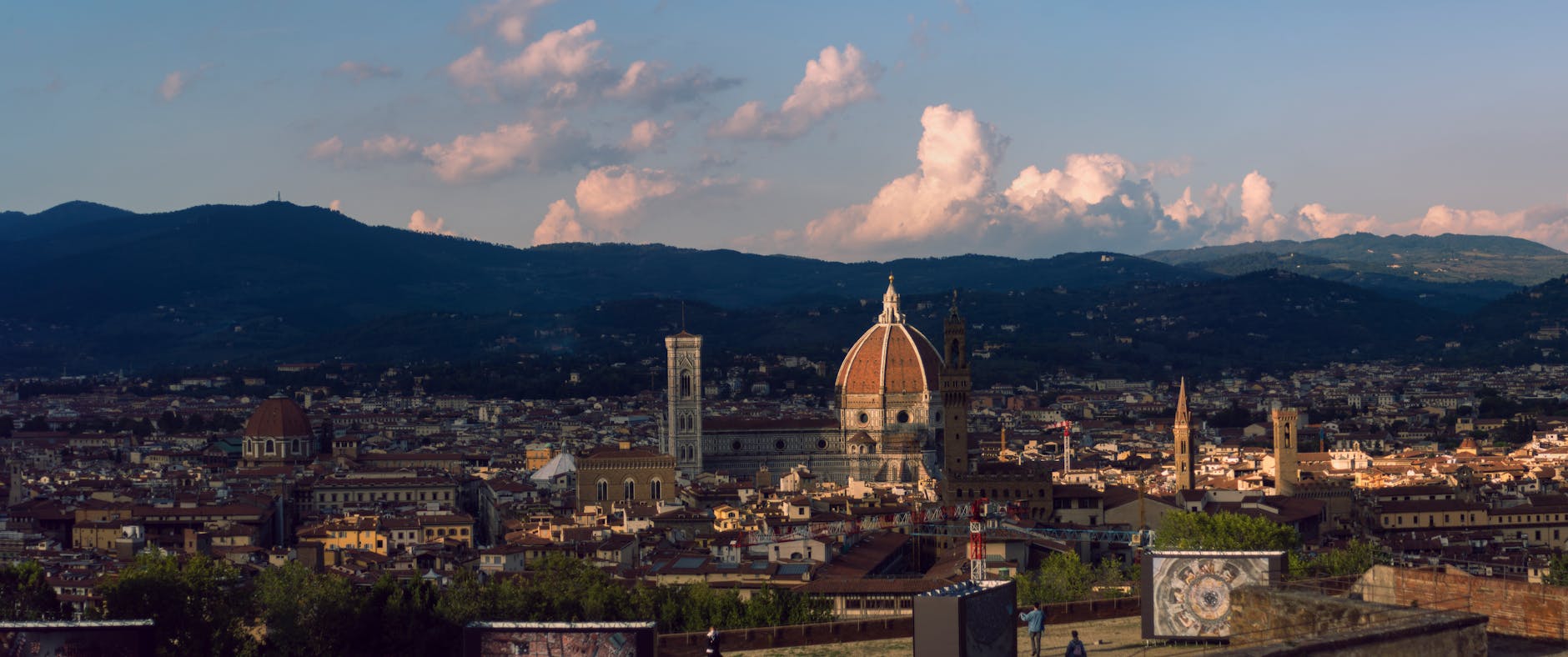
The right itinerary length depends less on how much you want to see than on whether you plan to leave the city. Two or three days covers Florence properly; add a fourth or fifth and you can fold in Chianti or Siena. Our how many days in Florence guide walks through the trade-offs.
How to Plan a Florence Trip: The Essentials First
A well-crafted Florence itinerary starts with one reassuring fact: this is a remarkably compact city. The historic centre, a UNESCO World Heritage Site since 1982, is small enough to cross on foot without thinking twice. The Duomo to the Uffizi Gallery is a ten-minute walk. The Accademia to Ponte Vecchio takes about twenty minutes on foot. You will spend far less time commuting between attractions here than in Rome, Paris, or London — which means a Florence trip is extraordinarily efficient, and even a single day in Florence can yield experiences that would take three days in a more spread-out city.
That said, the quality of your experience depends almost entirely on how well you prepare before you arrive. Florence’s major museums — the Uffizi, the Accademia (home to Michelangelo’s David), the Bargello, the Palazzo Pitti — draw enormous crowds, so check availability and reserve timed entry as soon as your dates are fixed. The Accademia and Uffizi in particular should be booked as early as you can during peak season (April through October). Arriving at the Accademia at 9am without a ticket and facing a long wait in the queue is one of the most avoidable disappointments in Italian tourism. This guide will tell you exactly what to book and when.
How Many Days Do You Need in Florence?
Here is an honest answer to the question every Florence vacation plan wrestles with:
- 1 day: You can see the iconic highlights — David, the Duomo, Ponte Vecchio, Piazza della Signoria — but it will feel rushed. Best for stopovers or travellers who have genuinely limited time.
- 2 days: Enough for the main museums and the Oltrarno neighbourhood. You will leave satisfied but aware of what you missed.
- 3 days: The sweet spot for first-time visitors. You get everything important plus breathing room, a day trip option, and time to simply wander and eat well.
- 5 days: Ideal for those who want depth — hidden museums, artisan workshops, wine country, and the slower rhythms that make Florence unforgettable rather than merely impressive.
- 7+ days: Florence as a base for Tuscany immersion. Day trips to Siena, Cinque Terre, Chianti, and beyond.
Before diving into the day-by-day plans, a few structural notes. All these itineraries are designed around walking and public transport — Florence’s historic centre is largely traffic-restricted, meaning a car is more liability than asset within the city walls. For staying in the right neighbourhood to make these itineraries work smoothly, see our guide to Where to Stay in Florence. And for planning the overall shape of your trip — seasons, budgets, visas — the Florence Travel Planning Guide covers every logistical detail.
1-Day Florence Itinerary
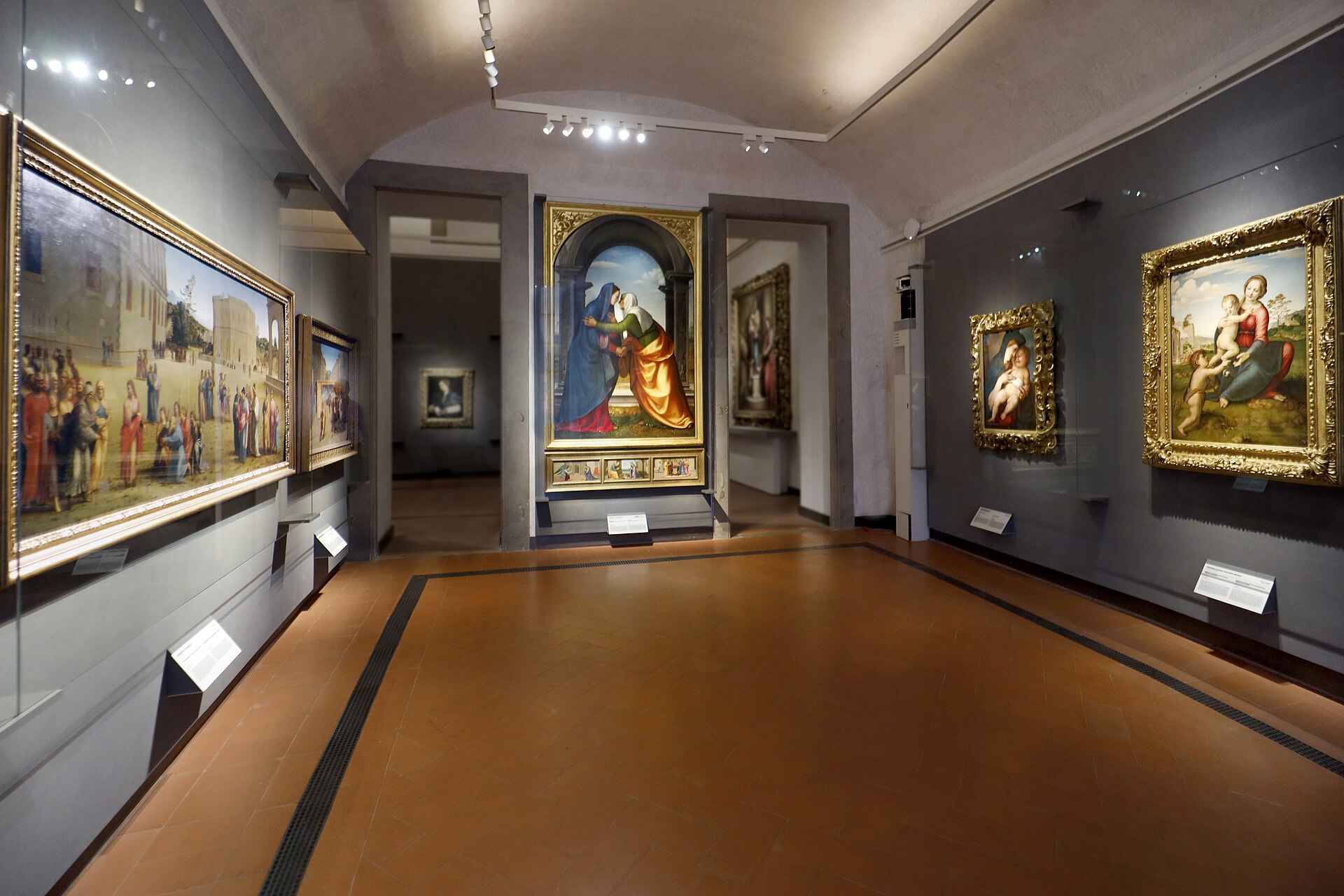
One day in Florence is tight but absolutely doable if you plan with precision. The key is to accept the constraint and work with it: this is a highlights day, not a deep-dive day. You will not have time for the Uffizi and the Accademia and the Bargello. Pick your priorities, pre-book everything, and build in no more than two significant museum stops. The rest of this day is about the streets, the squares, and the atmosphere — which is, in many ways, the real Florence anyway.
Morning: Accademia Gallery and the Duomo Complex
Start at 9:00am at the Accademia Gallery (Via Ricasoli 58). With a pre-booked timed ticket, you walk straight past any queue. Allow 60 to 75 minutes — the museum is small but worth taking slowly. Michelangelo’s David is housed in the purpose-built Tribune at the end of the main gallery hall, and no photograph prepares you for the physical reality of it: 5.17 metres of white Carrara marble, carved between 1501 and 1504 by a man who was twenty-six years old when he started. Take time with the unfinished Prisoners (Prigioni) in the corridor leading up — they are often overlooked but reveal Michelangelo’s working method with haunting clarity.
By 10:30am, walk eight minutes south to the Duomo complex. Book the Brunelleschi Pass ahead: it covers the dome climb, Giotto’s Campanile, the Baptistery, the Opera del Duomo Museum and Santa Reparata over three calendar days, and the Cathedral itself is free. The dome climb — 463 steps up Brunelleschi’s masterpiece — takes about 45 minutes and passes interior galleries right beside the Last Judgment frescoes by Vasari and Zuccari before reaching the lantern, with panoramic views from the top. Book the first available morning slot when you pre-purchase your tickets; the dome gets crowded by mid-morning. After the dome, allow 15 minutes or so inside the Cathedral to see the nave in its full Gothic length, then cross the piazza to the Baptistery for the replicas of Lorenzo Ghiberti’s bronze “Gates of Paradise” doors (the original panels are in the museum).
Afternoon: Uffizi, Ponte Vecchio, and Piazza della Signoria
By 12:30pm, walk fifteen minutes south through the historic centre toward the Uffizi Gallery. Stop for a quick lunch en route — a schiacciata sandwich from one of the alimentari shops along Via dei Servi, or a bowl of ribollita at a stand-up bar, is faster and often better than a sit-down meal at this point in the day. Your Uffizi ticket (pre-booked, timed entry) should be for 1:00 or 1:30pm.
Allow 90 minutes in the Uffizi. This is not enough to see everything — the collections fill two floors, from medieval altarpieces through the Renaissance to later European painting — but it is enough for the essential rooms. Walk directly to Rooms A11 and A12, where Botticelli’s Primavera and Birth of Venus face one another. Then continue to Room A35 for Leonardo da Vinci’s Annunciation, Room A38 for Raphael and Michelangelo, and Room D23 for Titian’s Venus of Urbino. End in the long corridor with its Roman sculpture collection and the view over the Arno from the windows. Do not try to see everything; try to see the things you came to see.
By 3:00pm, exit into Piazzale degli Uffizi and walk the short distance to Piazza della Signoria, Florence’s great outdoor civic salon. The loggia on the east side — the Loggia dei Lanzi — is an open-air sculpture gallery with originals including Cellini’s bronze Perseus and Giambologna’s Rape of the Sabine Women. The copy of David outside the Palazzo Vecchio marks where the original stood until 1873. Have a coffee at one of the square’s cafes (tourist-priced but unbeatable for the setting) and soak it in.
At 3:30pm, walk five minutes to Ponte Vecchio. The bridge lined with goldsmiths’ shops is Florence’s most photographed landmark, and for good reason — it is genuinely medieval (mostly 14th-century in its current form), and the view from the bridge upstream and downstream catches Florence at its most picturesque. If you have budget for it, the gold shops sell everything from delicate everyday pieces to significant jewellery; even window-shopping is pleasure enough.
Evening: Oltrarno Dinner and Piazzale Michelangelo
Cross Ponte Vecchio into the Oltrarno neighbourhood — literally “beyond the Arno” — Florence’s artisan quarter and the locals’ preferred part of the city. Wander through Via Maggio and Piazza Santo Spirito (the square that functions as Oltrarno’s living room) before settling in for an early dinner at 7:00pm. The Oltrarno has the city’s best ratio of quality to authenticity in its restaurants; look for a trattoria on the backstreets, not on the main thoroughfares, and order bistecca if the budget allows, ribollita if it does not.
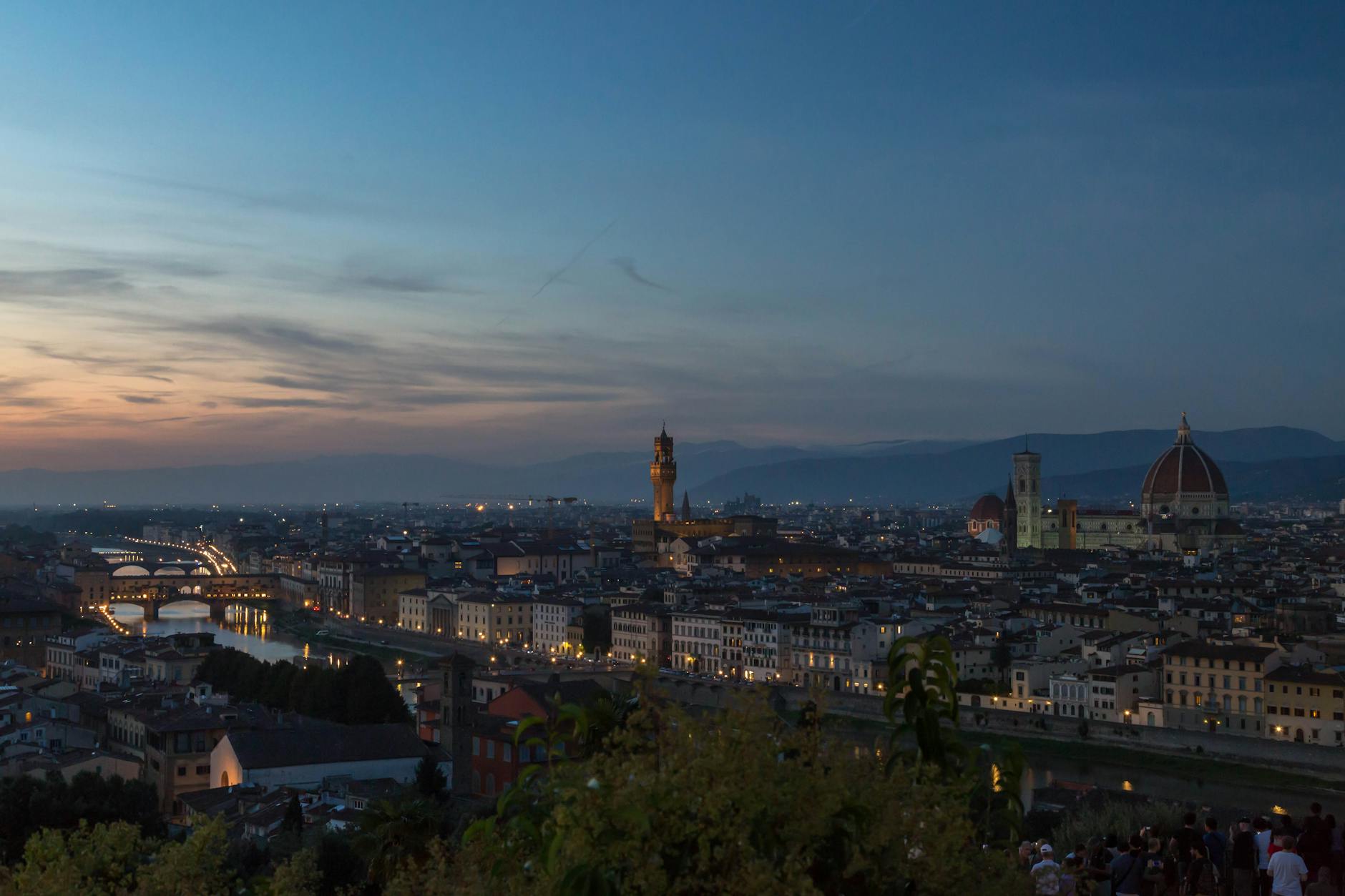
After dinner, at roughly 8:30 or 9:00pm (depending on the season and sunset time), walk twenty minutes uphill — or take a taxi the first time — to Piazzale Michelangelo. The broad terrace above the south bank of the Arno gives the definitive panorama of Florence: the Duomo dome, Palazzo Vecchio’s tower, the bridges, the hills. At sunset it is genuinely spectacular. At night, with the city lit below you, it is the best free experience in Florence. Linger here, then walk back down Via de’ Bardi along the river to your hotel.
2-Day Florence Itinerary
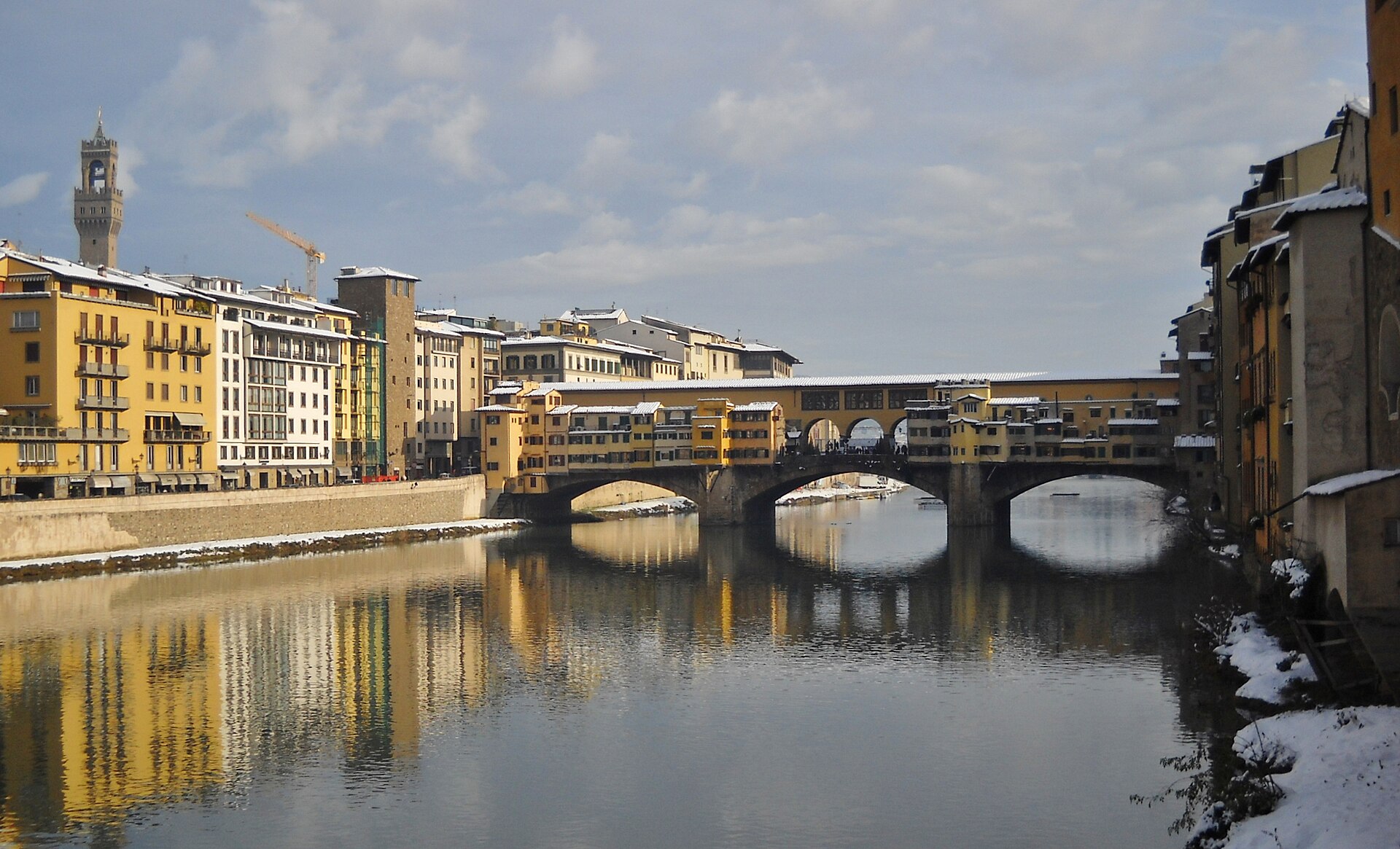
Two days transforms a highlights dash into a genuine experience. You have time to pace yourself, eat properly, and begin to feel the texture of a city that rewards lingering. The structure below separates the major Duomo complex into Day 1 and the Oltrarno into Day 2, giving each neighbourhood its full due.
Day 1: The Duomo, San Lorenzo, and Accademia
Begin at 8:30am at the Duomo complex. The Cathedral itself opens early and the dome queue builds quickly — book the earliest available dome slot. Allow the full morning here: dome climb (45 minutes), Baptistery (30 minutes), then the outstanding Opera del Duomo Museum (Piazza del Duomo 9, behind the cathedral), which most visitors skip entirely. This is a mistake. The museum contains original panels from Ghiberti’s Gates of Paradise (the doors on the Baptistery are now high-quality replicas), Donatello’s wooden Mary Magdalene — one of the most emotionally devastating sculptures in Italy — and Michelangelo’s late unfinished Pietà, known as the Bandini Pietà, which he intended for his own tomb. Budget 90 minutes; this museum alone justifies a trip to Florence.
At 12:00pm, walk north five minutes to Mercato Centrale for lunch. The ground floor is a working covered market selling cheese, meat, olive oil, and produce; the upper floor is a modern food court where you can eat legitimate Florentine food — lampredotto sandwiches, tripe, ribollita, fresh pasta — at market prices. It is tourist-friendly in the best sense: good food at fair prices in an atmospheric setting. Eat here.
After lunch, spend thirty minutes in the outdoor San Lorenzo Market — the leather-goods stalls sprawling along the streets around the Mercato Centrale. The quality varies enormously; look for stalls where the leather smells like actual leather, not vinyl. Prices are negotiable.
At 2:00pm, walk to the Accademia Gallery (10-minute walk from San Lorenzo). Follow the approach described in the one-day itinerary above. Allow 90 minutes so you can take your time with the Prisoners as well as David.
By 4:00pm, the afternoon light is often at its best over the city. Walk south through the historic centre, stopping in Piazza della Repubblica (Florence’s 19th-century civic heart, with its triumphal arch and famous old cafes) and then along Via dei Calzaiuoli — Florence’s main pedestrian street — to Piazza della Signoria. Spend the late afternoon here and on the Ponte Vecchio, then have an aperitivo in Piazza Santo Spirito across the river before dinner in the Oltrarno.
Day 2: Uffizi, Santa Croce, and the Oltrarno
Day 2 begins with the Uffizi Gallery at your pre-booked 9:00am slot — always the first slot of the day if possible, before group tours arrive en masse. Give yourself two full hours. On Day 2, you have time to be more thorough: work through the chronological hang properly, from Cimabue and Duccio in the early rooms through Giotto’s revolutionary three-dimensionality, the 15th-century Florentine masters, Botticelli’s twin masterpieces, and the full sweep of the High Renaissance galleries. Exit through the bookshop and take the riverside loggia view as you leave.
By 11:30am, walk east along the Arno to Santa Croce — about 20 minutes on foot, or 10 minutes if you cut through the backstreets. The Basilica of Santa Croce is Florence’s Pantheon: Michelangelo is buried here, as are Galileo, Machiavelli, and Ghiberti. The interior is vast and Gothic, with Giotto’s extraordinary fresco cycles in the Bardi and Peruzzi chapels to the right of the high altar — whitewashed and painted over in later centuries, then uncovered and restored, but still riveting. The adjoining leather school and cloisters are worth the extra ten minutes.
Lunch near Santa Croce: the streets south of the basilica, particularly Via dei Benci and Borgo Santa Croce, have several good trattorias that cater more to residents than tourists.
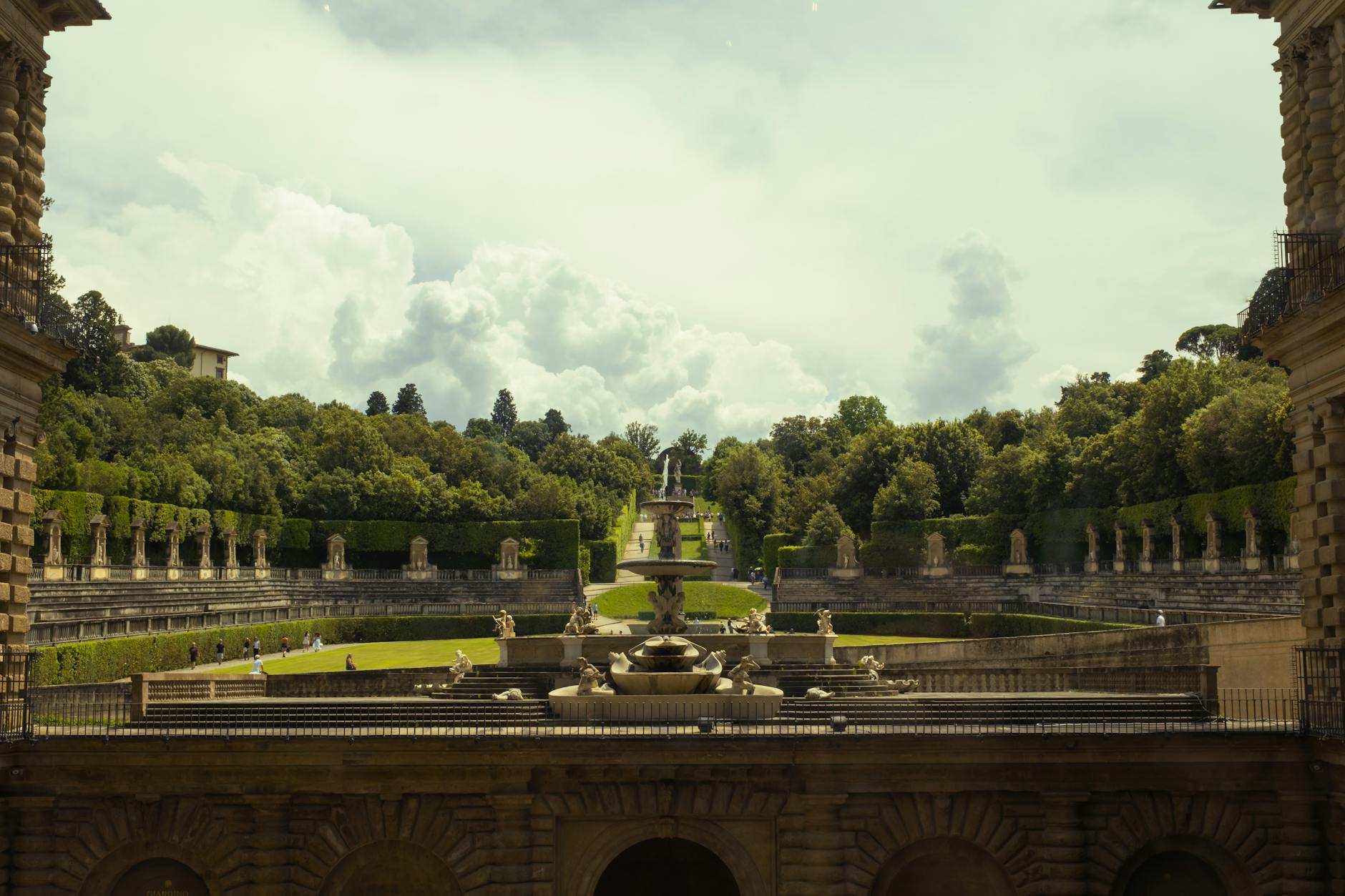
At 2:30pm, cross the Arno into the Oltrarno for the afternoon. The Palazzo Pitti and its Boboli Gardens deserve at least two hours together. The Pitti is a vast Renaissance palace built to out-Medici the Medicis — the Palatine Gallery inside (first floor) contains room after room of Raphaels and Titians hung in the manner of the great 17th-century princely galleries: dense, floor-to-ceiling, frame against frame. The Boboli Gardens behind the palace are among Italy’s finest formal gardens, with fountains, grottos, and views over the Florentine hills. Pick up a gelato from the kiosk near the amphitheatre.
End the day at San Miniato al Monte. Walk uphill from the Boboli Gardens to this Romanesque church, built between the 11th and 13th centuries on a hill above Piazzale Michelangelo. If you time it right — and you should — the Benedictine monks sing Gregorian chant vespers every day at 6:30pm. Sitting in the candlelit interior while monks chant the same liturgy that has been sung here for nine centuries is one of those experiences that makes Florence feel genuinely medieval rather than merely old. The church’s 13th-century inlaid marble floor and the view from the forecourt over the city afterward are both magnificent. Admission is free; a donation is appropriate.
3-Day Florence Itinerary (The Sweet Spot)
Three days is the ideal Florence itinerary for first-time visitors — the recommendation you will find from every honest travel writer who has actually spent real time in the city. Days 1 and 2 follow the structure above. Day 3 unlocks the less-visited Florence that often produces the strongest memories: smaller museums of tremendous quality, the artisan workshops that still line the Oltrarno backstreets, and the Renaissance churches that most itineraries sacrifice to tick off another major museum.
If you need convincing: on a three-day Florence trip, you will leave feeling you have had a real encounter with the city rather than processed it. On two days, most visitors leave with the feeling that they have seen Florence’s greatest hits but not Florence itself. The extra day is the one that does it.
Day 3: Bargello, Via Tornabuoni, Brancacci Chapel
Start at 9:00am at the Bargello Museum (Via del Proconsolo 4). This is Florence’s overlooked masterpiece — a medieval palace containing what many art historians consider the finest collection of Italian Renaissance sculpture in the world, and yet it draws perhaps a tenth of the Accademia’s visitors. Donatello’s David (the bronze one, the first freestanding nude since antiquity) and his earlier marble David are here. So is Ghiberti’s original competition panel for the Baptistery doors, displayed alongside Brunelleschi’s losing entry — an extraordinary comparison that reveals exactly why the competition’s outcome in 1401 mattered so much. Allow 90 minutes.
At 10:30am, walk a few minutes north to Orsanmichele (Via dell’Arte della Lana), Florence’s strangest and most interesting church — a medieval grain warehouse converted into an oratory in the 14th century, its exterior niches filled with sculptures commissioned by the city’s major guilds. The bronze St George in the interior (a copy; the original is in the Bargello) is Donatello’s and captures a psychological directness entirely new in Western art at that date. The church is small and seldom crowded; spend 30 minutes.
By 11:00am, work your way west toward Via Tornabuoni, Florence’s luxury shopping street. Even if high fashion is not your interest, the street itself is architecturally magnificent — wide, lined with Renaissance palaces now occupied by the big fashion houses, Ferragamo among them — and the Museo Ferragamo is an excellent small museum about the designer and his craft. Browse, window-shop, or simply walk it end to end.
Lunch in this part of the centre: try Buca Mario (serving Florentines since 1886) or the lampredotto cart on Via dei Neri for the city’s definitive street food — tripe sandwich, Florentine style, with salsa verde and hot pepper sauce. It is an acquired taste that most visitors are glad they acquired.
At 2:30pm, make your way to the Oltrarno for the Brancacci Chapel (Piazza del Carmine, inside the Chiesa del Carmine). Entry is timed, groups are small (no more than 10 people, for up to 30 minutes), and the experience is unlike any other in Florence. Booking is recommended, and Firenze Card holders must reserve a slot. The chapel walls hold the fresco cycle of the life of Saint Peter that Masolino and Masaccio began in the 1420s, and Masaccio’s share marks a turning point in Western art: his perspective, his light and his solid, naturalistic figures, with real weight and real emotion, helped transform Renaissance painting. The Expulsion of Adam and Eve from Paradise is on the left wall — Adam covering his face, Eve’s mouth open in a cry of anguish — and it is one of the most powerful images in all of European painting. Filippino Lippi completed the cycle fifty years later, and the contrast in styles in the same room is its own lesson in art history. Your slot lasts up to 30 minutes, so know what you want to look at before you go in.
End the day with an evening cooking class (check how long it runs and whether dinner is included when you book) or a glass of Chianti in an Oltrarno wine bar. Both make excellent final evenings that double as culinary education. For further recommendations on eating and drinking in Florence, see our Florence Food Guide.
Alternative Day 3: Day Trip to Fiesole
If the weather is good and you have already seen a considerable amount of interior art, consider spending Day 3 in Fiesole, the ancient hilltop town about 5 kilometres northeast of Florence as the crow flies. Bus 7 runs there from Libertà (Porta San Gallo) to Piazza Mino in Fiesole; check departure times on Autolinee Toscane’s line 7 page. Fiesole is older than Florence — Etruscan first, then Roman — and its archaeological area contains a remarkably intact Roman theatre (1st century BC), Roman baths, and an Etruscan temple, with a small museum collecting finds from the site. The views over the Florentine valley from the town square and from the walk up to the monastery of San Francesco are exceptional. Have lunch in Fiesole (much cheaper and less touristy than in Florence) and take the late afternoon bus back. This is a genuinely restorative day when Florence’s crowds begin to feel like too much.
5-Day Florence Itinerary
Five days in Florence is the Florence vacation plan that converts visitors into devotees. Days 1 through 3 follow the framework above. Days 4 and 5 open up Tuscany and the hidden Florence that most itineraries never reach.
Day 4: Day Trip to Siena or Chianti Wine Country
Florence’s greatest strength as a base is proximity to Tuscany, and on Day 4 you should use it. The two best single-day options from the city are Siena and the Chianti wine region — very different but equally rewarding.
Siena is reachable by the 131R rapida express bus from Florence’s Autostazione (bus station, next to Santa Maria Novella train station) in about 1 hour 15 minutes. Tickets are not sold online: buy them at an Autolinee Toscane ticket outlet or from the driver, and expect the fare to be set by distance. Siena’s Piazza del Campo, its great fan-shaped medieval square, is one of the finest public spaces in Europe. The Duomo’s striped marble interior is more flamboyantly decorated than Florence’s Cathedral, and the Maestà by Duccio in the Museo dell’Opera is worth the trip by itself. Spend a full day, but check the time of the last return bus before you set out; it leaves earlier on Sundays.
Chianti is a wine region rather than a town — a stretch of gentle hills, olive groves, and vineyards between Florence and Siena that produces the famous Chianti Classico wines (black rooster label). The best way to experience it without a car is on a guided tour departing Florence; these usually include at least one winery visit with a tasting, plus lunch, and the hills around villages such as Greve in Chianti and Panzano are classic Chianti Classico country. Half-day and full-day options exist. This is an unhurried, sensory, deeply Tuscan experience best enjoyed after you have had a few days to properly arrive. For a full breakdown of both options and how to plan them, see our Day Trips from Florence guide.
Day 5: Hidden Florence — Palazzo Medici, Stibbert Museum, Oltrarno Workshops
Day 5 is for the Florence that most visitors never find, and it is, for many people, the best day of the trip.
Begin at 9:00am at the Palazzo Medici-Riccardi (Via Cavour 3), a landmark of Renaissance civic architecture, commissioned by Cosimo de’ Medici (the Elder) in 1444 and designed by Michelozzo. The palace interior is largely taken up by government offices today, but the Chapel of the Magi on the piano nobile is a room that stops most visitors cold. Its walls are covered floor-to-ceiling with Benozzo Gozzoli’s Procession of the Magi, frescoed from 1459 — a painting so detailed and vivid it functions almost as a documentary of Florentine society, with the Medici family riding among the Magi and the Tuscan landscape unscrolling behind them in miniature. Admission is €15 (€10 reduced for ages 18-25 and students). Allow 45 minutes.
Mid-morning, consider a journey to the Stibbert Museum (Via Federigo Stibbert 26): from Santa Maria Novella, take the T1 tram towards Careggi to the Muratori stop and walk up from there. Frederick Stibbert was an eccentric 19th-century collector who amassed an extensive collection of European, Islamic and Japanese arms and armour and displayed it in a villa he redesigned as a theatrical stage. The centrepiece room features a mounted cavalry procession of mannequins in full armour, which children find thrilling and adults find either magnificent or unsettling. It is one of the most unusual museums in Italy. Book ahead; entry is by guided tour only.
After lunch, return to the Oltrarno for an afternoon among artisan workshops. The neighbourhood still sustains a remarkable concentration of working craftspeople: bookbinders using centuries-old techniques on Via Guicciardini, leather workers stitching by hand on Borgo San Jacopo, picture framers gilding in the old way on Via dei Serragli, and marble-paper (carta marmorizzata) makers whose workshops you can step into and watch. Most welcome visitors and many sell directly. This is Florence’s living craft heritage — a world that has survived precisely because tourists have continued to value it — and spending an afternoon here supports it directly.
End the day at Giardino Bardini (Costa San Giorgio), a terraced garden climbing the hillside above the Oltrarno with exceptional views over the city. Less visited than the Boboli, more intimate, and particularly beautiful in April when the wisteria pergola is in flower. The Bardini villa at the top of the garden also contains a small museum of Florentine applied arts.
1-Week Florence Itinerary
Seven days in Florence gives you one of the richest travel experiences available in Europe. Days 1 through 5 follow the framework above — adjusting pace and depth as you settle in. Days 6 and 7 extend your Tuscany reach and let Florence itself slow down for you.
Day 6: Day Trip to Cinque Terre or Pisa and Lucca
Day 6 is your most ambitious day-trip day. Cinque Terre — the five clifftop fishing villages above the Ligurian coast — is about 3 hours by train from Florence: roughly 2.5 hours to La Spezia, where you change for the villages. Take an early train to maximise your time there (a daily regional leaves Santa Maria Novella at 6:08am and reaches La Spezia at 8:59am), and check the onward connection to your first village. The coastal path between the villages varies in difficulty; the stretch between Vernazza and Monterosso is the most spectacular. Buy a Cinque Terre Card at La Spezia station for unlimited train travel between the villages and coastal path access. Return by 8pm — it is a long day but extraordinarily beautiful.
Alternatively, combine Pisa and Lucca in a single day. Pisa is an easy regional train ride from Florence (€9.80 each way in second class; check the journey time of your train). The Piazza dei Miracoli — the square containing the Cathedral, Baptistery, and Leaning Tower — is genuinely extraordinary; the Tower is smaller than expected but the lean more dramatic. Allow 2 hours in Pisa, then take a regional train of about half an hour to Lucca. Its perfectly preserved Renaissance walls now serve as a 4-kilometre cycling and walking path around the city’s perimeter. Rent a bike at the walls, cycle the circuit, explore the intact medieval centre, eat the local tordelli pasta, and return to Florence by early evening. This Pisa-Lucca combination is one of the most enjoyable and unhurried days out from Florence.
Day 7: Return Favourites, Gelato Crawl, Cascine Park
The last day of a Florence trip should not be structured like the first. You know where you are now. You know which bar makes the best espresso, which square is most beautiful in morning light, which church you passed on Day 2 and meant to enter. Day 7 is for all of that.
Start with a morning walk through the San Lorenzo Market — the outdoor leather market around the Mercato Centrale — for any remaining souvenir shopping. Florence’s best food souvenirs are: extra virgin olive oil (look for DOP Toscano designation), dried porcini mushrooms, small jars of truffle paste, and Baci di Dama biscuits. Leather items are everywhere; quality varies widely — feel the grain and smell the material.
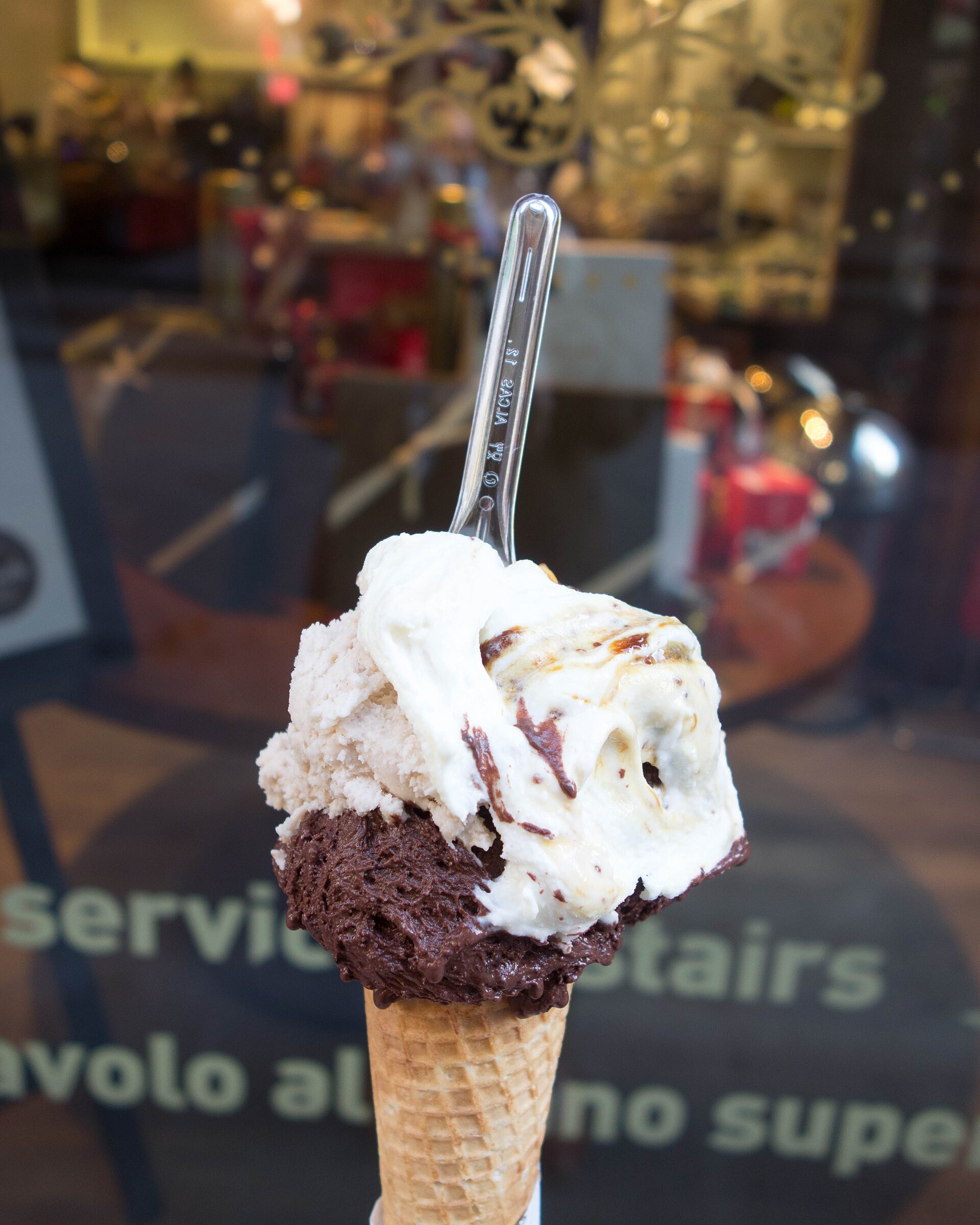
Late morning: gelato crawl. Florence’s gelato is genuinely the best in Italy (Florentines claim to have invented it, citing a 16th-century court ice-cream maker named Buontalenti). The three stops for a serious gelato circuit: Gelateria dei Neri, Gelateria Il Procopio and Sbrino; look up each shop’s current address before you set out. Flavours to try: pistachio, stracciatella, crema fiorentina, and whatever the seasonal fruit is.
Afternoon: Cascine Park (Parco delle Cascine), Florence’s largest public park, stretching 3.5 kilometres along the north bank of the Arno west of the historic centre. Once the Medici family’s working farm (cascine means dairy farms), now a beloved city park used for jogging, cycling, picnics, and Tuesday morning markets. It is where Florentines go when they are not performing Florence for visitors — a genuinely local experience on your final afternoon.
End the trip with a final dinner in the Oltrarno, at the same table you liked on Day 1 or somewhere new discovered on Day 4. Order the bistecca fiorentina if you have not yet — the T-bone steak from Chianina cattle, cooked rare over oak charcoal, served simply. It is Florence’s great civic dish, and ending a week in the city with it feels exactly right.
Florence and Rome Itinerary
Florence and Rome are a natural pairing in Italian travel — two cities a short high-speed train ride and several centuries in temperament apart, each illuminating the other by contrast. Florence is intimate, walkable, and Renaissance; Rome is vast, layered, and overwhelmingly ancient. Together they form what most travellers would recognise as “Italy” at its most essential.
Getting Between Florence and Rome
The Frecciarossa high-speed train (Trenitalia) covers Florence to Rome in around 1 hour 30 minutes, depending on the train — city centre to city centre, with no airport hassle, no security queues, and no baggage restrictions beyond what you can lift. Trains run frequently through the day, though not at even intervals, so check the timetable for your date. Book in advance for fares from €30 to €50 one-way; standard open tickets are €80+ but rarely necessary. The journey is comfortable and scenic through the Apennines.
6-Day Florence and Rome Itinerary
For a combined trip, allocate a minimum of 3 nights per city. Florence first is the recommendation of most experienced Italy travellers: Florence’s compactness and manageable pace make it an easier city to arrive into, settle, and begin to understand Italy. Rome’s scale and intensity are better appreciated after a few days of Italian travel have calibrated your senses.
Days 1–3: Florence — Follow the 3-day Florence itinerary above. Priorities: Accademia, Duomo complex, Uffizi, Oltrarno, San Miniato vespers.
Day 4 morning: Take a mid-morning Frecciarossa to Rome (arrive Rome Termini by midday). Check into your hotel (best areas: Trastevere, Prati, or Monti for first-timers) and spend the afternoon exploring the neighbourhood on foot. Evening at the Piazza Navona or Campo de’ Fiori.
Day 4 afternoon / Day 5 in Rome: The Vatican Museums and Sistine Chapel (morning; book timed entry online in advance). St Peter’s Basilica and dome climb in the afternoon. This is a full and tiring day.
Day 6 in Rome: Ancient Rome — the Colosseum, Roman Forum, and Palatine Hill (one combined ticket covers all three; book ahead). Afternoon at the Capitoline Museums — the world’s oldest public museums, with the original Marcus Aurelius equestrian statue and extraordinary views over the Forum below. Evening at Trastevere for dinner.
For a 10-day trip, add the Amalfi Coast (3 nights in Positano or Ravello) either before or after Rome. To reach the Amalfi Coast, take a high-speed train from Roma Termini to Napoli Centrale (a little over an hour; check your departure, as times vary by train), then a ferry or SITA bus along the coast. This Florence-Rome-Amalfi structure is the classic Southern Italy circuit.
10-Day Italy Itinerary
Ten days is the minimum for a genuinely satisfying first Italy trip — long enough to include four major destinations without feeling like a rushed box-ticking exercise. The classic circuit below uses trains throughout (no car needed, no domestic flights required) and keeps Florence at its heart.
The Classic 10-Day Italy by Train
Rome: 3 nights (Days 1–3)
Arrive into Rome Fiumicino (FCO), the main international gateway. Day 1: Trastevere, Piazza Navona, Campo de’ Fiori — orientation and walking. Day 2: Vatican Museums, Sistine Chapel, St Peter’s (all morning, pre-booked). Afternoon: Castel Sant’Angelo. Day 3: Colosseum, Roman Forum, Palatine Hill, Capitoline Museums. Packed days, but Rome’s greatest sites are genuinely unmissable at first encounter.
Florence: 3 nights (Days 4–6)
Day 4: Take a mid-morning Frecciarossa from Roma Termini; leave around 9:30am and you reach Florence shortly after 11:00am. Check in, walk the Oltrarno in the afternoon. Days 4–6 follow the 3-day Florence itinerary above. Florence is the heart of this trip — the shift in scale from Rome’s grandeur to Florence’s intimacy is one of Italy’s great contrasts.
Cinque Terre: 2 nights (Days 7–8)
Day 7: Morning train from Florence to La Spezia (2.5 hours), then local train into the villages. Vernazza is the best base village — most beautiful, reasonable accommodation options. Day 8: Coast path hiking between villages, swimming at Monterosso beach (the only extensive sandy beach in the five villages), seafood dinner overlooking the sea.
Venice: 2 nights (Days 9–10)
Day 9: Train from La Spezia to Venice, a long day by train with changes (around 5 hours). Arrive mid-afternoon. Walk from Santa Lucia station directly across the Grand Canal by vaporetto (water bus) to your hotel. Evening on the Rialto Bridge or in the Dorsoduro neighbourhood. Day 10: St Mark’s Basilica (pre-book timed entry), Doge’s Palace, gondola ride (expensive but worth it once), final dinner in a bacaro (Venetian wine bar) with cicchetti (small plates). Day trip from Venice: Murano or Burano for glass and lace workshops.
This circuit — Rome, Florence, Cinque Terre, Venice — by high-speed and regional train is achievable with standard Trenitalia tickets booked in advance. Buy tickets on the Trenitalia website 60 to 90 days ahead for the best Frecciarossa fares. The entire journey can be done for under €100 in rail fares if booked early.
For more detail on Florence’s role as a hub for regional travel, including train connections and side trip options, see our Day Trips from Florence guide.
Florence with Kids Itinerary
Florence with children is more rewarding than most parents expect and more manageable than most planning guides suggest. The city is compact and walkable; Italian culture is genuinely child-welcoming in a way that Northern European cities often are not; and several of Florence’s greatest attractions are, for children, genuinely thrilling rather than merely educational. The key is structuring each day around a mix of indoor and outdoor time, keeping museum visits focused rather than exhaustive, and leaning into the activities that children actually find exciting.
Kid-Friendly Highlights
Climb the Duomo dome — 463 steps up a spiral staircase that narrows dramatically near the top, emerging onto an external gallery with a city-wide view. For children who enjoy physical challenges and slightly scary things, this is magnificent. The Campanile (Giotto’s bell tower, 414 steps, slightly easier) is an alternative if the dome feels too claustrophobic.
Leonardo da Vinci Interactive Museum (Via dei Servi 66/r) — working models of machines reconstructed from Leonardo’s drawings: flying machines, armoured vehicles, hydraulic systems. Everything is built to scale and most exhibits can be touched and operated. For children aged 6 to 14, this is often the highlight of a Florence trip. Allow 2 hours.
Palazzo Vecchio Children’s Programme — the medieval fortress-palace on Piazza della Signoria runs a dedicated children’s activity programme called “Museo dei Ragazzi” (Museum for Young People) with costumed storytelling, workshops, and trails through the palace’s secret passages. Book ahead; sessions run in multiple languages.
The Porcellino Fountain (Mercato Nuovo) — a bronze wild boar whose nose is polished silver from centuries of being rubbed. The legend: if you rub the boar’s nose and drop a coin through the grille beneath it, you will return to Florence. Children take this extremely seriously.
Gelato-making class — Antica Gelateria Fiorentina runs a one-hour class where participants make a flavour of proper artisan gelato together. Naturally a highlight for all ages but particularly for children aged 5 and up.
Cascine Park — Florence’s biggest park is ideal for a half-day break from historic centre intensity: playgrounds, a paddling pool in summer, cycling path, and a Tuesday morning street market.
Practical Tips for Families
First Sunday of the month: Florence’s state museums (including the Uffizi, Accademia, and Bargello) are free on the first Sunday of each month. The trade-off is longer queues — arrive at opening time, ideally 30 minutes before.
Museum strategy: Children under 18 of any nationality enter the Uffizi Galleries free with a passport or ID card, and most other Florence museums let them in free or at reduced rates. Focus museum time on one or two major institutions per day rather than trying to cover more. The Uffizi with children works best if you choose six to eight specific paintings to find as a kind of treasure hunt rather than attempting a chronological tour.
Food: Italian restaurants are genuinely family-friendly; pasta, pizza, and grilled meat are universally available and rarely challenge children’s palates. Ribollita (the Tuscan bean and bread soup) is often a hit with children who like hearty food. Gelato is always a hit. For more ideas on what and where to eat, see the Florence Food Guide.
Pacing: Build a rest period of 1 to 2 hours into each afternoon — this is when Italian children (and adults) rest, and it saves families from the meltdown that mid-afternoon overheating and overstimulation produces. A late-afternoon museum visit can work well as a second activity after the rest; check closing times first.
Florence for Art Lovers Itinerary
For visitors who have come to Florence specifically for the art, three to five days is the minimum to do justice to what the city holds. Florence is not just the location of great art — it is, more than any other city on earth, the place where the visual language of the modern Western world was invented. The artists working here in the 14th, 15th, and 16th centuries were not decorating existing ideas; they were creating new ones. A Florence itinerary for art lovers needs enough time to absorb that properly.
Day 1: The Uffizi — A Full Day
The Uffizi Gallery deserves a full day for serious art lovers — not the 90-minute highlight reel, but 5 to 6 hours with the permanent collection. Book a 9:00am entry. Begin at the beginning: Cimabue and Duccio’s Madonnas in the first rooms, which set the pre-Renaissance baseline from which everything else departs. Follow the chronological hang through Giotto (whose Madonna of Ognissanti shows for the first time a Madonna who occupies real space and a throne with actual depth), the 15th-century Florentine masters, the extraordinary Botticelli rooms, and the High Renaissance galleries. Book a lunch slot at the Uffizi’s own cafe — the terrace has a view directly onto the Palazzo Vecchio. Return to the rooms you want to revisit in the afternoon. Exit at 4:30pm. This is a complete day and enormously rewarding.
Day 2: Accademia, Bargello, and San Marco
Morning at the Accademia Gallery — see the earlier description, but add the Gipsoteca (plaster cast gallery) on the upper floor, which shows Michelangelo’s working models and less-visited paintings. Then walk 15 minutes to the Bargello Museum for Donatello, Verrocchio (whose bronze David preceded Michelangelo’s by decades), and the competition panels.
After lunch, walk to the Convent of San Marco (Piazza San Marco 3). Fra Angelico and his assistants painted the cells of this Dominican friary in the 1440s — 44 individual frescoes, each painted directly on the cell wall as a devotional aid for the friar who lived there. Every cell is a separate intimacy: an Annunciation, a Nativity, a Transfiguration, each distilled to its emotional essence. The large Annunciation at the top of the stairs (one of the most reproduced religious paintings in history) is magnificent, but the individual cell frescoes are even better. Savonarola’s cell is preserved intact; Cosimo de’ Medici’s double cell (he used it for private retreats) shows how political patronage and religious devotion coexisted.
Day 3: Palazzo Pitti, Brancacci Chapel, Santa Maria Novella
The Palazzo Pitti’s Palatine Gallery is the Uffizi’s equal in quality of holdings but entirely different in presentation: paintings hung four high as they were in the 17th century, creating a density of Raphaels, Titians, and Rubenses that is almost overwhelming. Allow a full morning.
Afternoon: Brancacci Chapel (see Day 3 of the 3-day itinerary for full description) — essential for understanding Masaccio’s revolution. Then, if time permits, Santa Maria Novella (Piazza di Santa Maria Novella) for Ghirlandaio’s fresco cycle of the lives of the Virgin and John the Baptist in the Tornabuoni Chapel — commissioned by Giovanni Tornabuoni in 1485 and completed 1490, containing disguised portraits of the Medici circle and some of the finest fresco technique of the late 15th century. The church also contains Masaccio’s Trinity, one of the first and finest examples of Renaissance perspective. Admission covers the church, the cloisters, and the Spanish Chapel.
Days 4 and 5: Churches, Chapels, and the Oltrarno
Florence’s greatest art is not only in museums. Day 4 for art lovers: Santa Croce (Giotto’s Bardi and Peruzzi chapel frescoes, plus the tombs), Santissima Annunziata (Pontormo, Andrea del Sarto), and Cappella dei Pazzi in the Santa Croce cloister (Brunelleschi’s perfect geometric chapel). Day 5: the quieter Oltrarno churches — Santo Spirito (Brunelleschi’s most serene interior, with a Michelangelo Crucifix), Santa Felicita (Pontormo’s Deposition, a painting of such strange emotional intensity and Mannerist distortion it makes the Renaissance seem almost conservative by comparison), and San Miniato al Monte for the afternoon.
For a comprehensive guide to everything Florence’s museums contain, ticketing, and which institutions suit which interests, see our Florence Museums and Art Guide.
Florence Honeymoon Itinerary
Florence is one of Europe’s great romantic cities — not in the manufactured way of Paris’s tourist infrastructure, but in the more genuine sense that it is extraordinarily beautiful, filled with excellent food and wine, and scaled for slow walking rather than rushing. A Florence honeymoon itinerary should be built around unhurried days, exceptional meals, and the kind of private experiences that feel like the city opened itself specifically for you.
Where to Stay for a Florence Honeymoon
The Oltrarno for atmosphere: a boutique hotel on one of the neighbourhood’s quiet streets gives you both proximity to the main sights and the sensation of living like a Florentine. The Lungarno Collection hotels (Portrait Firenze, Hotel Lungarno) offer serious luxury with Arno views. The Four Seasons Florence (in the 15th-century Palazzo della Gherardesca, with its own enclosed 4.5-hectare park) is the most extravagant option in the city. For boutique romance at lower cost, small hotels and B&Bs in the streets around Piazza Santo Spirito offer character and quiet that larger properties cannot match. Full accommodation recommendations by budget and neighbourhood in our Where to Stay in Florence guide.
Romantic Experiences in Florence
Private Uffizi tour: Several licensed guides offer early-morning private tours before the gallery officially opens (pre-arranged through specialist operators at €200–400 per couple above admission costs). Walking through the Botticelli rooms alone before any other visitors arrive is an experience of almost unfair privilege.
Couples cooking class: Florence has dozens of cooking schools; for a honeymoon, choose a small-group or private class that includes a morning market visit (Mercato Centrale) before cooking. Scuola di Arte Culinaria Cordon Bleu and Cucina Lorenzo de’ Medici are two of the most respected. The evening meal you cook and eat together afterward is consistently rated by couples as one of their best travel memories.
Chianti wine tour: A private guided drive through the Chianti wine country — stopping at two or three small-production estates for tastings, with a picnic lunch among the vines — is the quintessential Tuscan romantic day. April through October; book directly with a tour operator rather than a coach tour aggregator.
Hot air balloon over Tuscany: Several operators offer dawn balloon flights over the Chianti hills and Val d’Orcia, typically including a Prosecco toast on landing and breakfast in a farmhouse. Seasonal (April–October). Book months in advance.
Sunset at Piazzale Michelangelo: Free, undeniably beautiful, and reliably affecting. Bring a bottle of Chianti Classico purchased from a Florentine enoteca and find a spot on the outer wall of the terrace, away from the gelato queues.
Fine dining: Florence’s restaurants with Michelin stars in the 2026 guide include Enoteca Pinchiorri (three stars, Via Ghibellina 87 — book well ahead and check availability directly with the restaurant) and Il Palagio at the Four Seasons for formal grandeur. For a romantic riverside atmosphere without the starred formality, try Golden View Open Bar by the Arno. For something less formal but equally excellent, the Oltrarno’s mid-range trattorias often outperform their starred neighbours on the pleasure-per-euro metric that matters most on a honeymoon.
Sample 4-Night Honeymoon Structure
Day 1: Arrive, afternoon stroll through Oltrarno, aperitivo in Piazza Santo Spirito, dinner at a top Oltrarno trattoria.
Day 2: Private early Uffizi tour (9am), late morning at leisure, afternoon Duomo dome climb, sunset at Piazzale Michelangelo with wine.
Day 3: Chianti wine tour (full day, private driver), return for dinner at Enoteca Pinchiorri or similar.
Day 4: Morning couples cooking class with market visit, afternoon at Boboli Gardens and Palazzo Pitti, final dinner at the cooking-class table.
Practical Planning Tips for Your Florence Itinerary
Best Time to Visit Florence
April to June and September to October are Florence’s best months — warm enough for outdoor enjoyment, not so hot as to make museum queues and afternoon walking genuinely unpleasant. April is exceptional: the city emerges from winter, the Bardini Garden’s wisteria blooms, and crowds have not yet reached summer intensity. June brings the Feast of St John (June 24, Florence’s patron saint day) with fireworks over the Arno and the calcio storico historic football match — extraordinary to witness if you happen to be in the city.
July and August are the peak months: hottest, most crowded, and most expensive. The city does not empty as much as some other European destinations — Florence’s museums are perennial draws — but August weekends and the Ferragosto holiday (August 15) see the city simultaneously full of tourists and drained of locals. If you visit in summer, start all outdoor activities before 10am and after 5pm.
November through March are the quietest months, with shorter opening hours at some sites (the Boboli Gardens closes at 4:30pm from November to February) and occasional rain. Compensations: lower prices, no queues at major sites, and a chance to see Florence as a working city rather than a museum. Winter light in Florence is famously beautiful — low-angled gold in the late afternoon, dramatic cloudscapes over the dome.
Booking Museum Tickets
Book Uffizi tickets through the official ticket service (tickets.uffizi.it) and Accademia tickets through the B-Ticket link on the gallery’s own visit page, as early as possible in peak season. Third-party booking platforms charge higher fees and occasionally oversell. The booking fee is €4 per ticket, a small price for skipping the summer queues. The Brunelleschi Pass (the dome plus the other ticketed Duomo monuments) is booked on the official store at tickets.duomo.firenze.it; dome climb slots fill up quickly, so reserve yours ahead and watch live availability. The Brancacci Chapel uses a separate booking system (bigliettimusei.comune.fi.it), and booking is recommended because groups are small.
The Firenze Card
The Firenze Card (€85, valid 72 hours from the first museum entry) provides access to more than 60 participating museums including the Uffizi, Accademia, Bargello, Palazzo Vecchio and Santa Croce, plus the ability to skip regular queues (sites that require a timed reservation still need one booked). It makes financial sense for visitors spending 3 or more days doing intensive museum visiting; less clear value for visitors who plan to visit only 2 or 3 institutions. Calculate against your specific itinerary. The card does not include the Duomo complex (separate ticket required); it does cover the Brancacci Chapel, but holders must reserve a slot.
Getting Around Florence
The historic centre is walkable; most itinerary items in this guide are within 20 minutes on foot of each other. For longer distances — to Fiesole, Cascine Park, or the Stibbert Museum — Florence’s buses, run by Autolinee Toscane (formerly ATAF), are inexpensive and frequent. Buy bus tickets at tabacchi shops or newsagents before boarding (€2, valid 90 minutes). Taxis are metered, and Uber also operates in the city. Bicycles are useful for longer flat routes along the Arno. A car is actively counterproductive inside the ZTL restricted zone covering the historic centre — significant fines are automatically photographed and mailed to rental companies who pass them on. For complete transport options, see our Getting Around Florence guide.
Where to Stay for Different Itineraries
First-time visitors: Stay within the historic centre (sestieri of Santa Maria Novella or San Giovanni) for maximum proximity to major sites. Art lovers: Oltrarno for proximity to Brancacci Chapel, Pitti Palace, and the neighbourhood’s own artistic character. Families: Near Santa Croce (slightly quieter, with the market square close by) or Oltrarno. Honeymooners: Oltrarno boutique hotels or Lungarno hotels with Arno views. Budget: Santa Croce area and north of the Duomo tend to offer better value than the prime tourist areas. Complete neighbourhood guide and hotel recommendations at Where to Stay in Florence.
Budget Planning
Florence is not cheap, but it is more manageable than Rome or Venice if you plan sensibly. Approximate daily budgets:
- Budget (hostel, self-catering lunch, one paid attraction): €60–80 per person per day
- Mid-range (3-star hotel, restaurant lunch and dinner, 2 attractions): €150–250 per person per day
- Comfort (4-star boutique hotel, good restaurants, flexible museum access): €300–500 per person per day
- Luxury (5-star hotels, Michelin dining, private tours): €600+ per person per day
Cost-saving tips: eat lunch standing at a bar (a legitimate Italian habit, and often better food than table-service restaurants nearby), buy wine and snacks from alimentari shops for aperitivo hour, and take advantage of free church visits — several of Florence’s most extraordinary artistic sites (Santa Trinita, Orsanmichele, San Miniato) charge nothing or very little.
What to Pack
Comfortable walking shoes — prioritise this above everything else. A compact crossbody bag or daypack with zip closures (pickpocketing is real in crowded museums and markets). A lightweight scarf or shawl (required for entry to churches with bare shoulders or knees). Sunscreen from May onwards. A portable phone charger. Downloaded offline maps (Google Maps offline or maps.me) in case of data issues. One smart outfit for fine dining if you have booked anywhere formal. See the Things to Do in Florence guide for seasonal activity planning.
Frequently Asked Questions About Florence Itineraries
How many days in Florence is enough?
Three days is the sweet spot for first-time visitors — enough to see all the major highlights (David, the Duomo complex, Uffizi Gallery, Ponte Vecchio, Oltrarno) at a relaxed pace with time to eat well and wander. Two days is adequate if you are efficient and pre-book everything. Five or more days allows you to visit smaller museums, explore Tuscany on day trips, and experience Florence at the slower rhythm that makes it genuinely memorable rather than merely impressive.
Is 2 days enough for Florence?
Two days in Florence is enough to see the essential highlights if you plan carefully and pre-book all museum tickets. Day 1 covers the Duomo complex (including dome climb), Accademia Gallery, and the Oltrarno neighbourhood. Day 2 covers the Uffizi Gallery, Santa Croce, Palazzo Pitti, and Boboli Gardens, ending at San Miniato al Monte for Gregorian chant vespers. You will leave satisfied but aware that there is considerably more to discover — most two-day visitors find themselves planning a return trip.
What is the best month to visit Florence?
April and May are usually the best months: average daytime highs of about 20°C in April and 24°C in May, the city at its most photogenic with spring light and flowers, and crowds that have not yet reached summer intensity. September and October are an excellent second choice: summer heat fades, tourists thin out after mid-September, and the harvest season brings excellent food and wine across Tuscany. July and August are manageable but hot and crowded; November through March are quiet and inexpensive but some sites have reduced hours.
Can you see Florence in one day?
Yes — but only the highlights, and only with pre-booked timed tickets and a tight schedule. A well-planned one-day Florence itinerary can cover Michelangelo’s David at the Accademia, the Duomo dome climb, the Uffizi Gallery’s key rooms, Ponte Vecchio, Piazza della Signoria, and an evening at Piazzale Michelangelo. It is a full and satisfying day, but it will feel rushed compared to what Florence reveals with more time. Reserve the major museums ahead wherever you can, especially in busy periods: availability and booking windows vary by museum and date, and a day without timed entries can lose hours to queues.
Is Florence walkable?
Florence is one of the most walkable cities in Italy. The UNESCO historic centre is compact: allow roughly 10 minutes on foot from the Duomo to the Uffizi, and about 20 from the Accademia to Ponte Vecchio. Most itinerary items are within easy walking distance of each other, and the centre is largely traffic-restricted, making walking not just pleasant but the fastest way to move around. Wear comfortable shoes — the streets are cobblestone — and bring a refillable water bottle for the public drinking fountains (nasoni) throughout the centre.
What should you see first in Florence?
Start with the Accademia Gallery (Michelangelo’s David) on the first morning of your trip — the experience sets the tone for everything else and benefits from being seen with fresh eyes rather than museum fatigue. Follow with the Duomo complex (dome climb, Baptistery, Opera del Duomo Museum) in the same morning. This combination — which covers roughly four hours with pre-booked tickets — is the strongest possible opening to a Florence itinerary and gives you an immediate sense of the city’s artistic and architectural ambition.
Should you visit Florence or Rome first?
Florence first, then Rome — this is the recommendation of most experienced Italy travellers. Florence’s compact scale and quieter pace make it an easier city to arrive into and begin to understand Italy. Rome’s vastness, noise, and intensity are better absorbed once you have your Italian bearings from a day or two in Florence. Practically, most long-haul flights arrive into Rome’s Fiumicino airport, which makes Rome the natural starting point for an international trip; a Florence-first structure means you take the train to Florence after landing and return to Rome at the end for your departure flight.
What is the best area to stay in Florence?
For first-time visitors, the area between Santa Maria Novella station and the Duomo (sestiere of San Giovanni and the western part of Santa Croce) offers the best balance of location, walkability, and accommodation choice. The Oltrarno neighbourhood south of the Arno is the most atmospheric and locally characterful area, preferred by repeat visitors and those who want a less tourist-saturated base. For luxury stays with views, the Lungarno hotels on the south bank near Ponte Vecchio are among the finest in the city. Avoid staying immediately around the train station unless the price differential is significant — it is the least characterful part of the centre.
How much does Florence cost per day?
Budget travellers can manage Florence on €60–80 per person per day (hostel accommodation, eating at market stalls and stand-up bars, one paid attraction). Mid-range visitors typically spend €150–250 per day (3-star hotel, restaurant meals, two attractions). Comfortable travel with a 4-star boutique hotel, good restaurants, and flexible museum access runs €300–500 per day. The biggest variables are accommodation (ranging from €30 in a hostel dormitory to €500+ in a luxury hotel) and dining (a lampredotto sandwich from a market cart is €4; a bistecca fiorentina at a good restaurant is €40–60 for the steak alone). Museum entrance fees are reasonable: the Uffizi is €25 (€29 booked) and the Accademia €20 (€24 booked), while the Duomo passes run from €15 (Ghiberti) through €20 (Giotto) to €30 (Brunelleschi, with the dome), and the cathedral itself is free.
Do you need to book Florence museum tickets in advance?
Yes — emphatically. The Uffizi Gallery and Accademia Gallery (home to Michelangelo’s David) should be booked as far ahead as you can for April through October, when walk-up queues can be long. Reserve a Duomo dome slot ahead too, and check live availability. The Brancacci Chapel takes groups of no more than 10, so book it ahead as well. Other museums (Bargello, Palazzo Pitti, San Marco) are generally bookable a week ahead without difficulty. Book through the official channels (tickets.uffizi.it for the Uffizi, the B-Ticket link on the Accademia’s visit page, tickets.duomo.firenze.it for the Duomo) to avoid third-party fees; the Uffizi and Accademia charge a €4 booking fee per ticket, which is money very well spent.