This article contains advertising. Booking links on this site can be turned into paid links automatically by our partner Travelpayouts: if you book through one, we earn a commission from the provider, at no extra cost to you. It never affects what we recommend. Affiliate disclosure
Getting Around Florence Italy: Complete Transportation Guide (2026 Edition)
Everything you need to know about getting around Florence Italy — from walking the compact historic centre on foot and riding the airport tram to understanding the ZTL restricted zone, hailing a taxi, and catching a high-speed train to Rome. Fully updated for 2026 with ticket prices, tram routes, parking advice, and a complete FAQ.
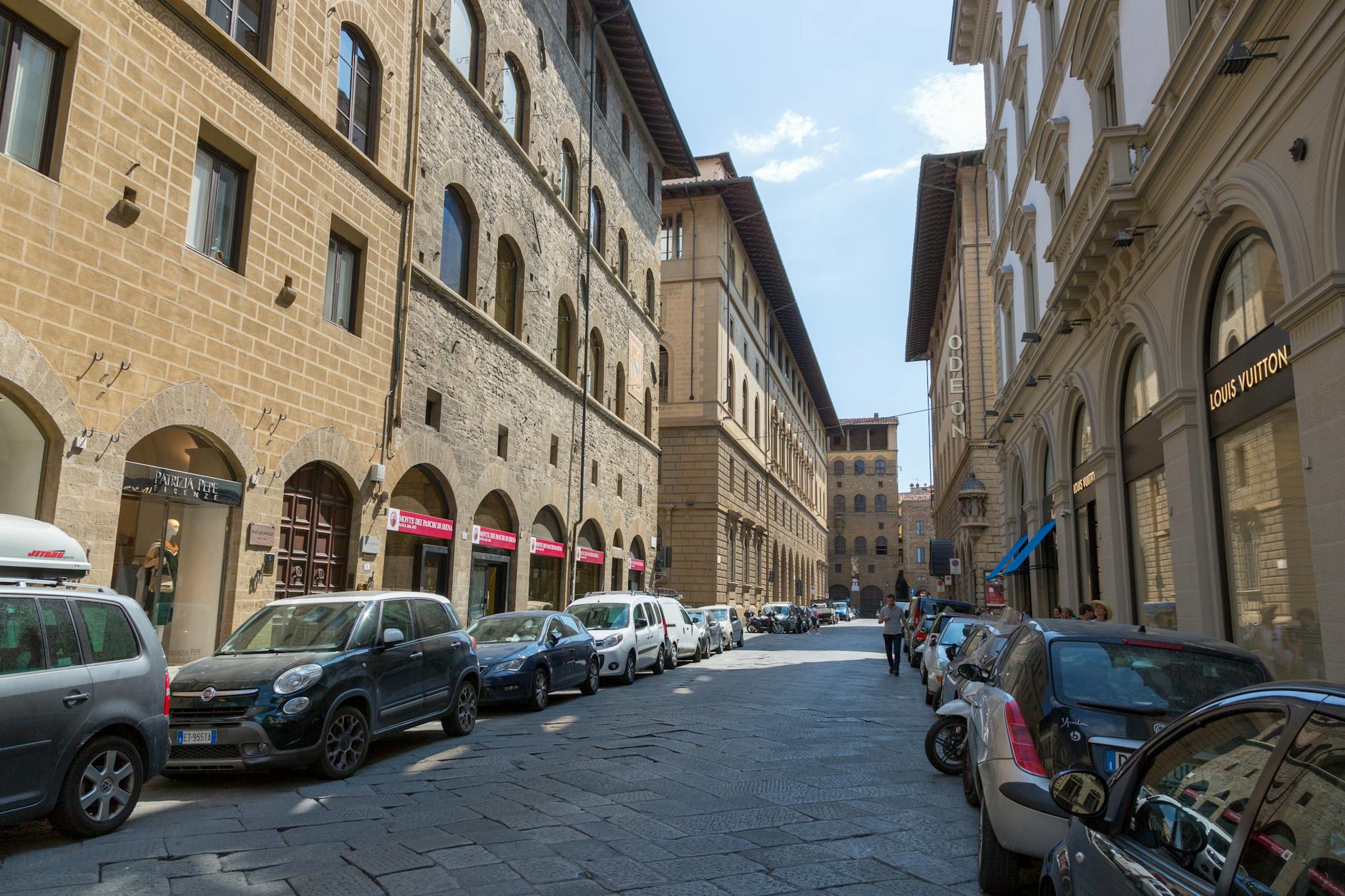
Most visitors need surprisingly little transport in Florence — the historic centre is compact enough that walking covers almost everything. Where you do need wheels is arriving and leaving: the airport transfer takes about 20 minutes by tram, and the Autolinee Toscane bus and tram network handles the outlying sights.
Wondering about the sightseeing bus? Our hop-on hop-off Florence guide explains why the limited traffic zone keeps it out of the centre, and which four kinds of visitor should buy a ticket anyway.
Thirty-plus camera gates ring the historic centre and each crossing is a separate fine. Our guide to the Florence ZTL and parking covers the sectors, the summer night restriction and the park-and-ride that removes the problem entirely.
Florence’s airport sits about four kilometres from the city centre, and the tram stop is a two-minute walk from the terminal. Our Florence airport guide covers the terminal, the lounge, the car hire desks and how long a layover has to be before leaving is worth it.
Arriving at Pisa rather than Florence changes the first ninety minutes of a trip completely. Our guide to getting from Pisa airport to Florence compares all four routes, including which coaches actually reach the centre.
A lot of visitors arrive by sea without realising the port is Livorno, more than an hour away by train. Our guide to getting from Livorno to Florence on a cruise day has the shuttle, the direct trains and the all-aboard maths.
Siena is one of the few places where the coach beats the train from Florence. Our guide to Florence to Siena explains why, where the rapid coach leaves from, and when the train is the better bet.
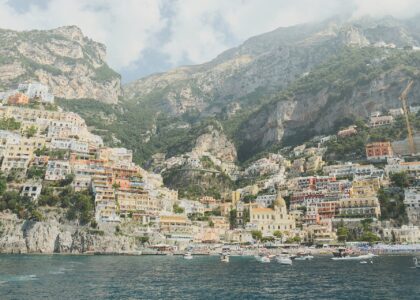
The Amalfi Coast has no railway station, which surprises people planning to go on from Florence. Our guide to Florence to the Amalfi Coast compares the Salerno ferry route with the Naples and Sorrento alternatives.
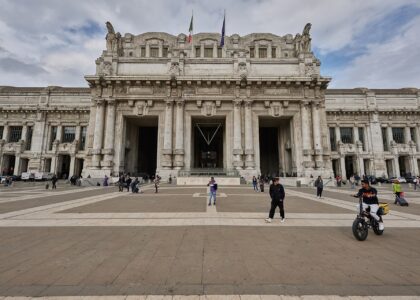
For long-haul flights, many travellers leave Italy through Milan rather than Florence or Pisa. Our guide to the Florence to Milan train covers the trains and the onward links to Malpensa and Linate.
Before you drive anywhere near the centre
Florence’s ZTL is guarded by electronic camera gates, active Mon–Fri 07:30–20:00 and Sat 07:30–16:00 (not on public holidays), plus Thursday, Friday and Saturday nights 23:00–03:00 in the summer season, which in 2026 ran from 2 April to the night of 3–4 October. The city sets each season’s dates by ordinance, so check the current rules with Servizi alla Strada, which handles ZTL permits. Each unauthorised entry can bring a fine of around €80 or more, plus notification costs, and your hire company may add its own administration fee when it identifies you. A hotel can only exempt you if it has entered your plate on the whitelist in advance. Full detail in our guide to the Florence ZTL and parking.
Florence Transportation: The Big Picture
The single most important thing to understand about getting around Florence Italy is this: you will walk. The entire UNESCO-listed historic centre covers about 505 hectares (roughly 1.95 square miles) — a compact pocket of medieval streets, piazzas, and Renaissance palazzi that is both largely pedestrianised and best experienced on foot. The Duomo, the Uffizi, Ponte Vecchio, Piazza della Signoria, and the Mercato Centrale are all within walking distance of each other. No taxi, bus, or tram will get you between these sites faster than your own two legs.
That said, Florence transportation becomes considerably more complex once you factor in arriving from the airport, reaching attractions outside the historic core, making day trips to Tuscany’s hill towns, or connecting to other Italian cities. A tram now links the airport directly to the train station. A ZTL camera network covers every entry point to the centre and issues automatic fines to anyone who drives in without a permit. High-speed trains make Rome, Venice, and Bologna shockingly close. And a modest but functional bus network reaches the hills and suburbs that walking cannot.
This guide covers every layer of Florence’s transport system in practical, no-nonsense detail — prices, routes, apps, and the mistakes that catch visitors out. Whether you are arriving tomorrow or planning months ahead, you will find everything you need here to move around the city with confidence.
Walking in Florence: The Best Way to See the City
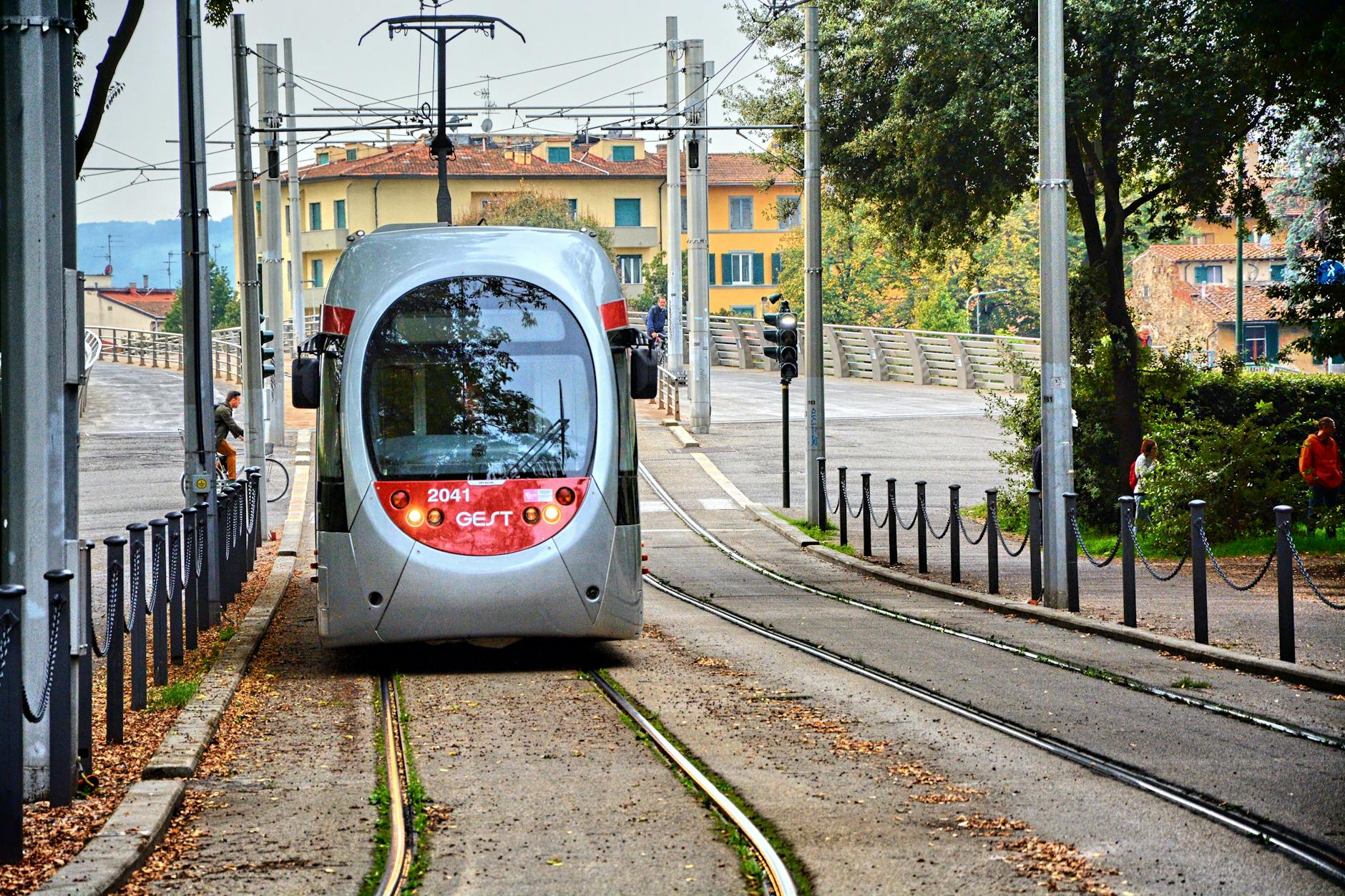
No mode of transport in Florence beats walking — not for the historic centre, not for efficiency, and certainly not for the experience of the city. Florence’s medieval street grid was not designed for motor vehicles; it was designed for pedestrians, merchants, and the occasional Medici procession. Walking it slowly, with time to look up at the carved stone facades and duck into church doorways, is how the city reveals itself.
What Is Walkable — and How Long Does It Take?
The core concentration of sights in Florence — from the train station at Santa Maria Novella in the northwest to the Uffizi and Ponte Vecchio in the south — is small enough to cross on foot without giving transport a thought. This table compares the main sights from the most common reference point, the Duomo (Cathedral of Santa Maria del Fiore), which sits roughly at the centre of the historic area; for the exact route and time from your hotel, check a map:
| Destination | On Foot | Notes |
|---|---|---|
| Piazza della Signoria / Uffizi | Close | Via dei Calzaiuoli — Florence’s main pedestrian street |
| Ponte Vecchio | Short walk | Continue south from Piazza della Signoria |
| Santa Croce Basilica | Short walk | East through the backstreets |
| Firenze SMN Train Station | Short walk | Along Via dei Cerretani |
| Mercato Centrale / San Lorenzo | Close | In the San Lorenzo district |
| Accademia Gallery (David) | Close | On Via Ricasoli |
| Palazzo Pitti / Boboli Gardens | Longer walk | Cross Ponte Vecchio into Oltrarno |
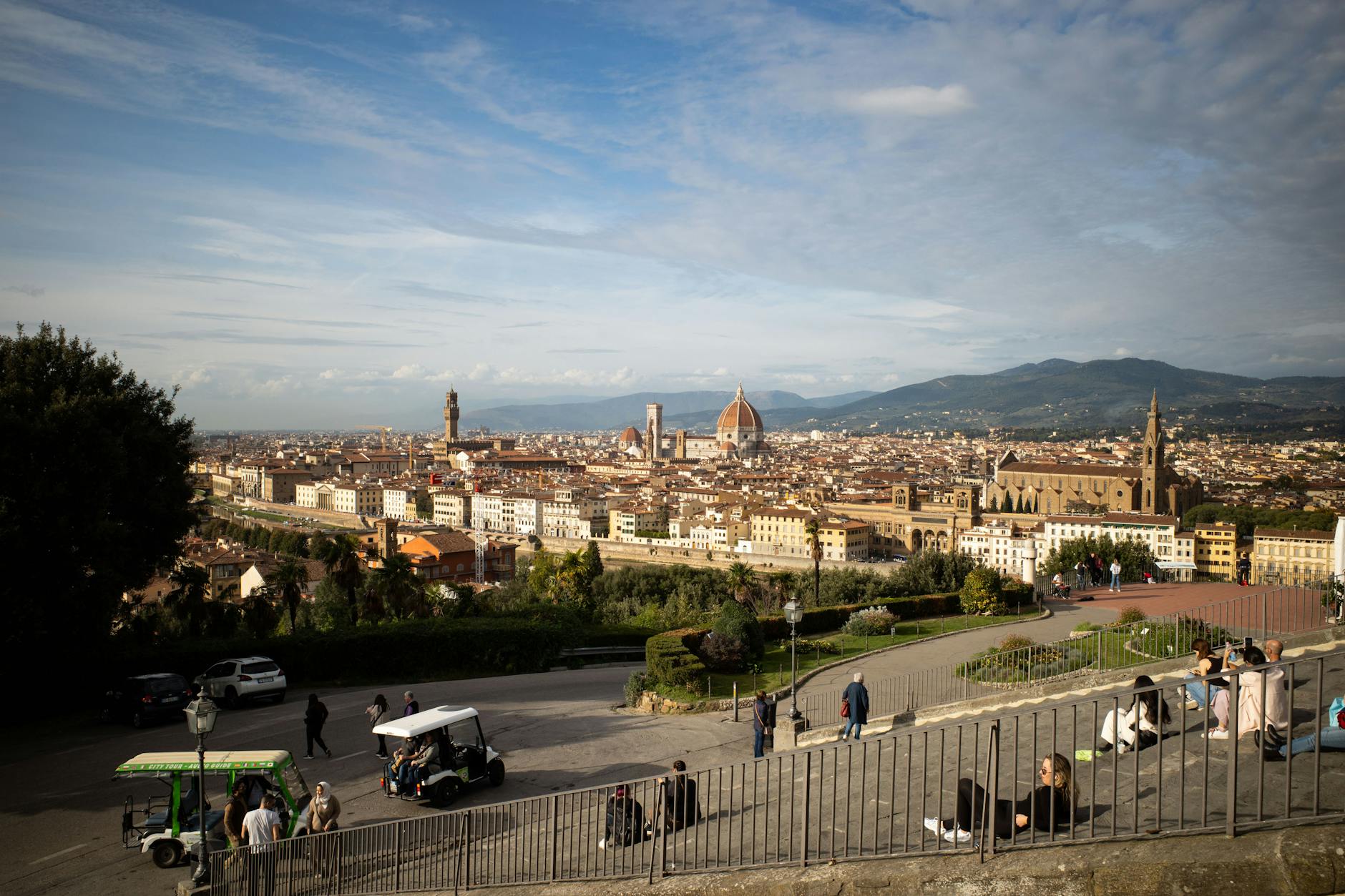
| Piazzale Michelangelo | Longest, uphill | Uphill — return by bus 12 or 13 if legs are tired |
| Piazza Santo Spirito (Oltrarno) | Longer walk | Across the Arno; follow a map through the Oltrarno |
Cobblestones: The Reality
Florence’s streets are beautiful and merciless. The sampietrini — the square stone cobbles that pave virtually every street in the historic centre — are irregular, often slippery when wet, and genuinely demanding on feet and ankles over the course of a long sightseeing day. This is not a minor inconvenience; it is the single most common cause of blistered, aching visitors who did not plan accordingly.
The advice is simple and non-negotiable: do not wear heeled shoes, new shoes, or sandals without ankle support. Comfortable, well-worn trainers or proper walking shoes with cushioned soles make an enormous difference over a five-hour day of getting around Florence. Wheeled luggage is similarly punishing on cobblestones — if possible, use a backpack or soft bag when moving through the city, and save the hard-sided suitcase for the station.
Pedestrian Zones and Street Safety
Most of the historic centre is closed to private vehicles thanks to Florence’s ZTL (Zona a Traffico Limitato — covered in full detail later in this guide). Via dei Calzaiuoli, the main artery between the Duomo and Piazza della Signoria, is fully pedestrianised. However, be aware that Florentine delivery vehicles, taxis, and — most importantly — cyclists and e-scooter riders do operate in many pedestrian areas and on narrow streets. Keep to the sides of lanes and look both ways even on streets that appear closed to traffic.
The Best Walking Routes in Florence
For first-timers, the classic sweep from Santa Maria Novella station east to the Duomo, south to Piazza della Signoria and the Uffizi, and then west along the Arno to Ponte Vecchio covers the essential Florence in one morning walk of about 90 minutes at a sightseeing pace. Cross into Oltrarno (the quieter south bank) via Ponte Vecchio, walk up through Piazza dei Pitti to the Boboli Gardens entrance, and you have a full first day on foot without ever needing a bus.
For a different perspective on getting around Florence Italy, the walk from the Duomo up Via Ricasoli to the Accademia, then north through the San Marco neighbourhood and back down through the leather market stalls of San Lorenzo, covers a less-photographed but deeply local side of the city.
Our Complete Things to Do in Florence guide contains detailed neighbourhood-by-neighbourhood walking itineraries.
Florence Bus & Tram System (Autolinee Toscane)
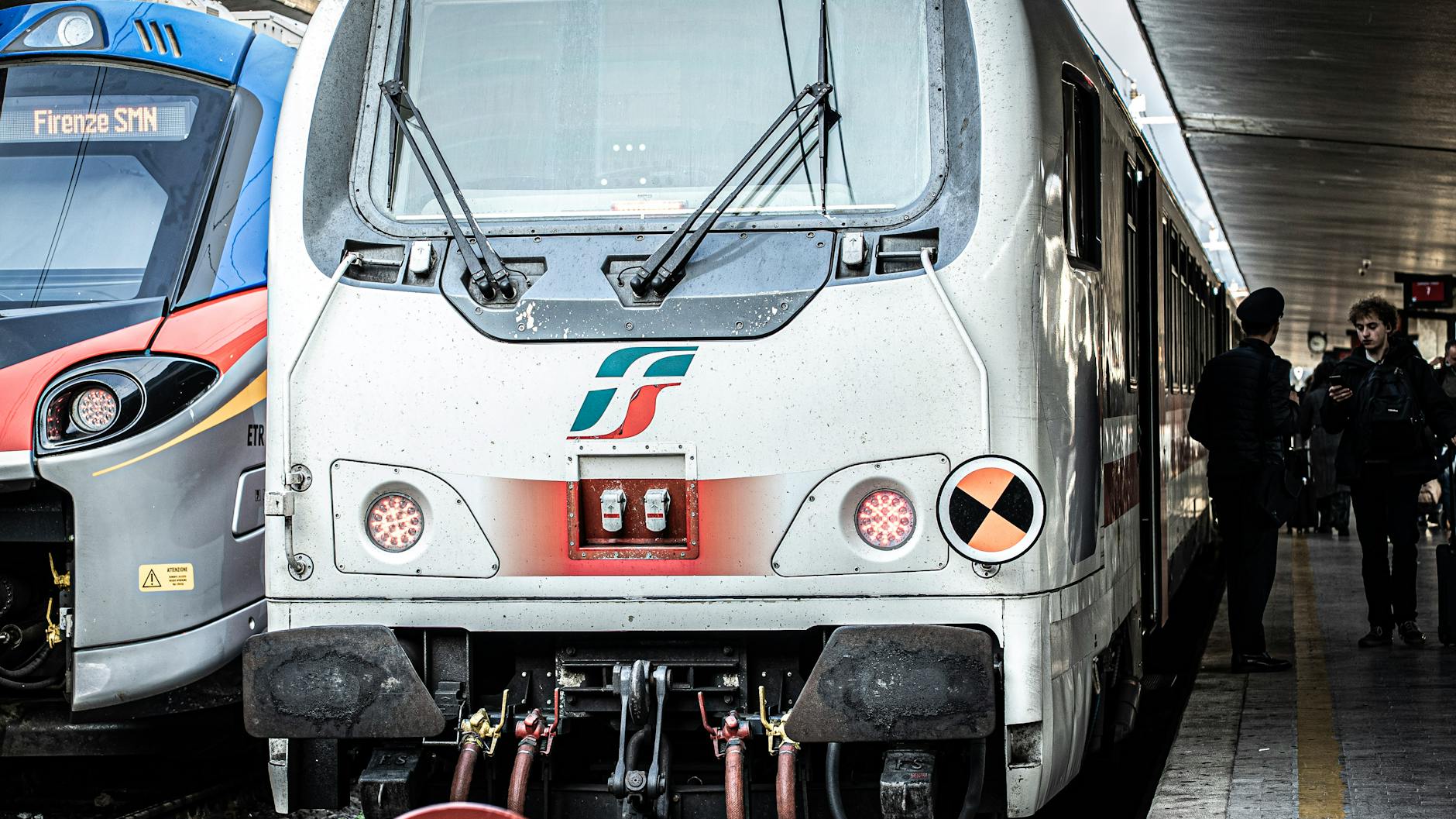
Florence’s public transport network — buses and trams — is operated by Autolinee Toscane and covers the city reasonably well once you know which lines to use. For most visitors staying in or near the historic centre, the bus and tram system becomes relevant in specific situations: reaching Piazzale Michelangelo without the uphill climb, getting to the hill town of Fiesole, or arriving from the airport via the T2 tram.
Tickets and Passes: What to Buy
Florence public transport tickets are standardised across all buses and trams. A single ticket costs €2.00 and is valid for 90 minutes from the moment you validate it — meaning you can transfer between buses and trams within that window without buying a new ticket. There is no day or three-day pass; if you are using Florence public transport extensively, the ten-ride carnet (€18.20) saves you buying tickets one at a time.
| Ticket Type | Price | Validity | Best For |
|---|---|---|---|
| Single ticket | €2.00 | 90 minutes from validation (transfers included) | Occasional single trips |
| 10-ride carnet | €18.20 | Ten rides | Several trips over a stay |
| T2 Airport Tram (single) | €2.00 | Same urban ticket, 90 minutes from validation | Airport transfer |
How to Validate Your Ticket
Every bus and tram has yellow or orange validation machines near the doors. When boarding, insert or tap your ticket against the reader — it will stamp the time. This is your proof of valid travel. If you are using the app, show the digital ticket on screen; some stops have NFC readers for contactless app validation.
Key Bus Routes for Visitors
Most of Florence’s bus routes serve residential suburbs and are of limited use to tourists. These are the routes that genuinely matter for getting around Florence:
- Bus 12 and 13 — Piazzale Michelangelo: These two lines run in opposite directions around one loop linking the Arno’s south bank hilltop viewpoint with the Santa Maria Novella station area and Rotonda Barbetti. Check the Autolinee Toscane timetable for the stop nearest you and the journey time from there. Essential if you have visited the viewpoint and do not want the steep walk back down.
- Bus 7 — Fiesole: The most practical way to reach the hilltop Etruscan and Roman town of Fiesole, 8 km northeast of the centre. It starts at Libertà (Porta San Gallo) and ends in Fiesole’s Piazza Mino. A single ticket (€2.00) covers the trip.
- Bus C1, C2, C3, C4 — City circular routes: The lettered “C” routes weave through the historic centre and connect key piazzas. Useful for short hops when your legs need a rest.
Florence Trams: T1 and T2
Florence currently operates two tram lines, with a third under construction.
Tram T1 (Villa Costanza – Careggi): The T1 runs northwest–northeast through the city, connecting the out-of-town car park and bus interchange at Villa Costanza (near the A1 motorway) through the city centre to the Careggi hospital complex. It passes through Piazza dell’Unità Italiana (immediately adjacent to Santa Maria Novella station) and is mainly used by commuters and hospital visitors rather than tourists.
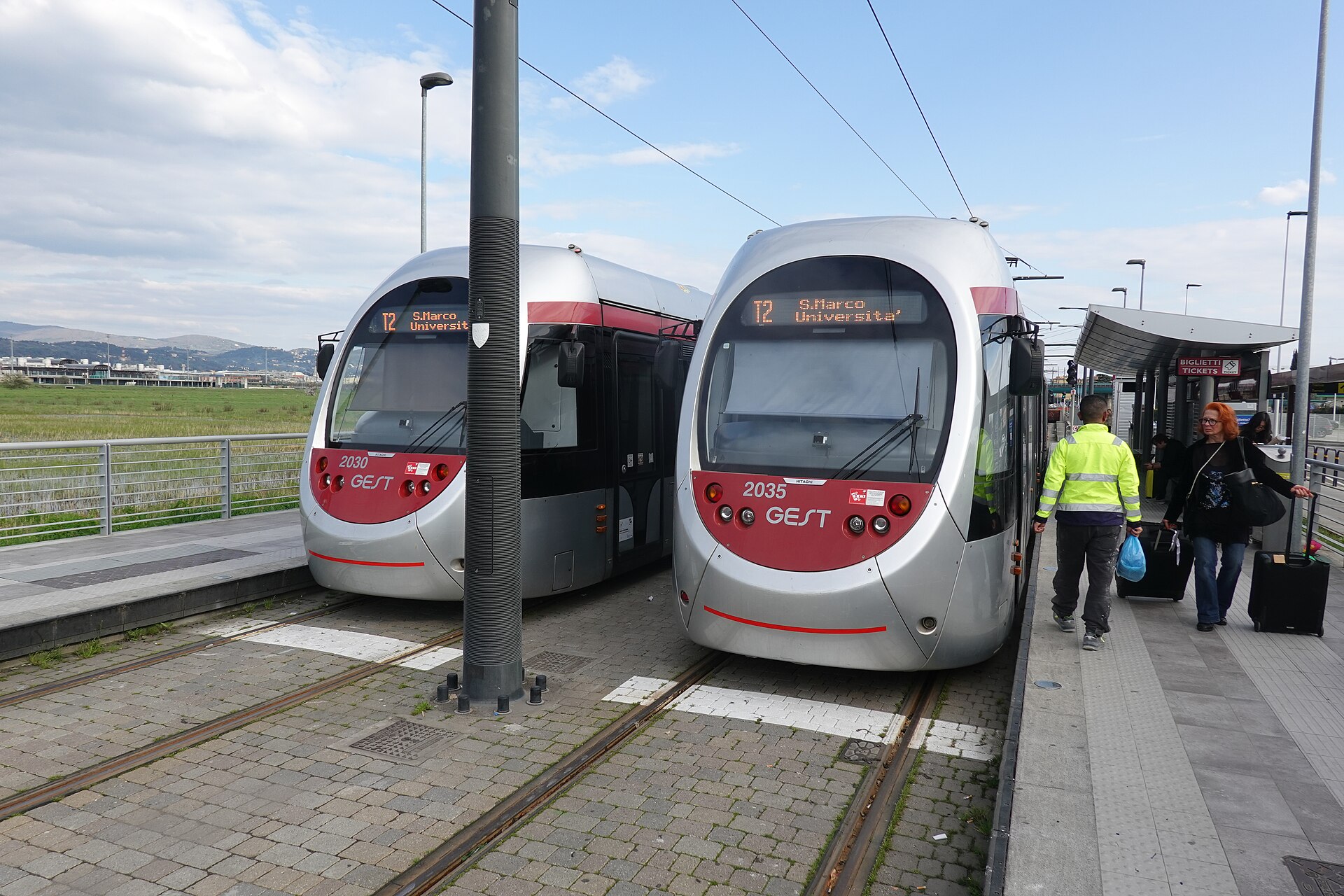
Tram T2 (Airport – Piazza San Marco): This is the tram line that links Florence Airport with the city centre. The T2 runs from Florence Airport (Peretola) to Piazza della Stazione at Firenze Santa Maria Novella — a journey of approximately 20 minutes — and on to Piazza San Marco, where it has terminated since the extension in January 2025. Trams come every 4–5 minutes on weekday daytimes in school term and less often early, in the evening and late at night, when the gap can reach 22 minutes; service runs from around 5:00am to 12:30am (until 2:00am on Fridays and Saturdays), and the GEST timetable gives first and last departures for each stop. The ticket is the standard €2.00 urban ticket, the same one you use on the buses. The “Peretola – Aeroporto” stop is a two-minute walk from the terminal. This is by far the cheapest and easiest way to get from Florence Airport to the city centre, covered in full detail in the Airport Transfers section below.
T3 Tram: Under Construction 2025–2026
A third tram line, T3, is currently under construction and scheduled to connect Piazza della Libertà (north of the historic centre) with Bagno a Ripoli to the southeast. Works are still under way, so check the Autolinee Toscane website for current service updates and any diversions on routes near the works.
Getting to Florence from the Airport: FLR vs PSA Comparison
Florence is served by two airports: Florence Amerigo Vespucci Airport (FLR), which sits 4 km northwest of the city centre, and Pisa Galileo Galilei Airport (PSA), which is about 80 km west. Understanding which airport your flight uses — and how to get from each to the city — is one of the first practical decisions in planning Florence transportation.
| Feature | Florence FLR (Peretola) | Pisa PSA (Galileo Galilei) |
|---|---|---|
| Distance to Florence centre | 4 km | About 80 km |
| Transfer time to Florence | 20 min (tram) | PisaMover plus train; depends on the connection |
| Transfer cost | €2.00 (tram) / €28–32 fixed fare (taxi) | ~€15–27 (train combo) / from €14.99 (bus) |
| Main airlines | Vueling, EasyJet, Ryanair (selected routes), Lufthansa | Ryanair, Wizz Air, easyJet, full-service carriers |
| Intercontinental flights | Very limited | Some long-haul via connections |
| Terminal complexity | Small, easy to navigate | Larger, two terminals |
Florence Airport (FLR / Peretola): Transfer Options
Florence Amerigo Vespucci Airport is small by international standards — essentially a single terminal with clear signage and manageable crowds. Getting from the airport to the city centre is straightforward, with three practical options:
Tram T2 (Recommended)
The T2 tram stop “Peretola – Aeroporto” is a two-minute walk from the terminal exit — just follow the tram signs outside the arrivals hall. Departures are most frequent on weekday daytimes and thin out early in the morning, in the evening and late at night; the first trams leave around 5:00am and the last around 12:30am (2:00am on Friday and Saturday nights). The journey to Piazza della Stazione (Santa Maria Novella) takes approximately 20 minutes. Cost: €2.00, the standard urban ticket, valid for 90 minutes. Buy your ticket at the vending machine at the tram stop before boarding — the machine accepts cash and cards. Validate immediately upon boarding.
This is the best airport-to-Florence option for the vast majority of travellers: cheap, fast, frequent, and it deposits you directly at the main train station, which is walking distance from most central hotels. The only scenario where it falls short is with very heavy luggage and a hotel far from SMN.
Taxi from Florence Airport
Official white taxis queue outside the arrivals exit. The fixed fare from Florence Airport to any address inside the ring roads (the viali) is €28 on weekdays by day, €30 on Sundays and holidays and €32 at night (22:00–06:00), plus €1.20 per piece of luggage. Journey time is approximately 15 minutes without traffic, longer during morning and evening peaks. Taxis are metered with the fixed airport fare applied automatically — no need to negotiate. Only use the official white taxi queue; avoid private drivers who approach you inside the terminal.
Rental Car from Florence Airport
All major rental companies have desks at FLR. However, be aware of the ZTL restrictions before choosing this option — see the ZTL section below. Renting a car at Florence Airport makes sense only if you are heading directly to the Tuscan countryside (Chianti, Siena, the Val d’Orcia) without stopping in the city centre.
Pisa Airport (PSA / Galileo Galilei): Transfer Options
Pisa Airport handles more airlines and international routes than Florence, making it the arrival point for many visitors who are nonetheless heading to Florence. The transfer requires two stages but is well-organised and not particularly difficult.
PisaMover + Trenitalia Train (Recommended)
From the Pisa Airport terminal, the PisaMover automated people-mover runs to Pisa Centrale train station. Tickets cost €6.50, the journey takes about 5 minutes, and trains run every 5–15 minutes depending on demand, from 6:00am to midnight (until 1:00am from 1 June to 30 September). At Pisa Centrale, board a Trenitalia regional train to Firenze Santa Maria Novella:
- Regionale train: €9.80 — journey times depend on the service; runs frequently throughout the day.
Total cost Pisa Airport to Florence: approximately €15–27. Total journey time depends on how the PisaMover and your train connect at Pisa Centrale. Buy Trenitalia tickets at the station machines or online at trenitalia.com.
Direct Coach: Pisa Airport to Florence
Caronna runs a direct coach service between Pisa Airport and Florence, where it stops at Guidoni on the T2 tram line; the tram takes you on into the centre. Tickets start at €14.99, the journey takes about 60 minutes, traffic permitting, and services run on a fixed timetable rather than on demand. This can be more convenient than the PisaMover-train combo for travellers with heavy luggage, but check timetables carefully — services are not as frequent as trains.
Taxi from Pisa Airport
Taxis from Pisa Airport to Florence are available but expensive — expect to pay €120–160 for the journey of about 80 km. A private transfer booked in advance through a licensed operator can be slightly cheaper and includes meet-and-greet service, which some travellers find worth the premium on long-haul arrival days.
Trains: Getting To and Around Florence
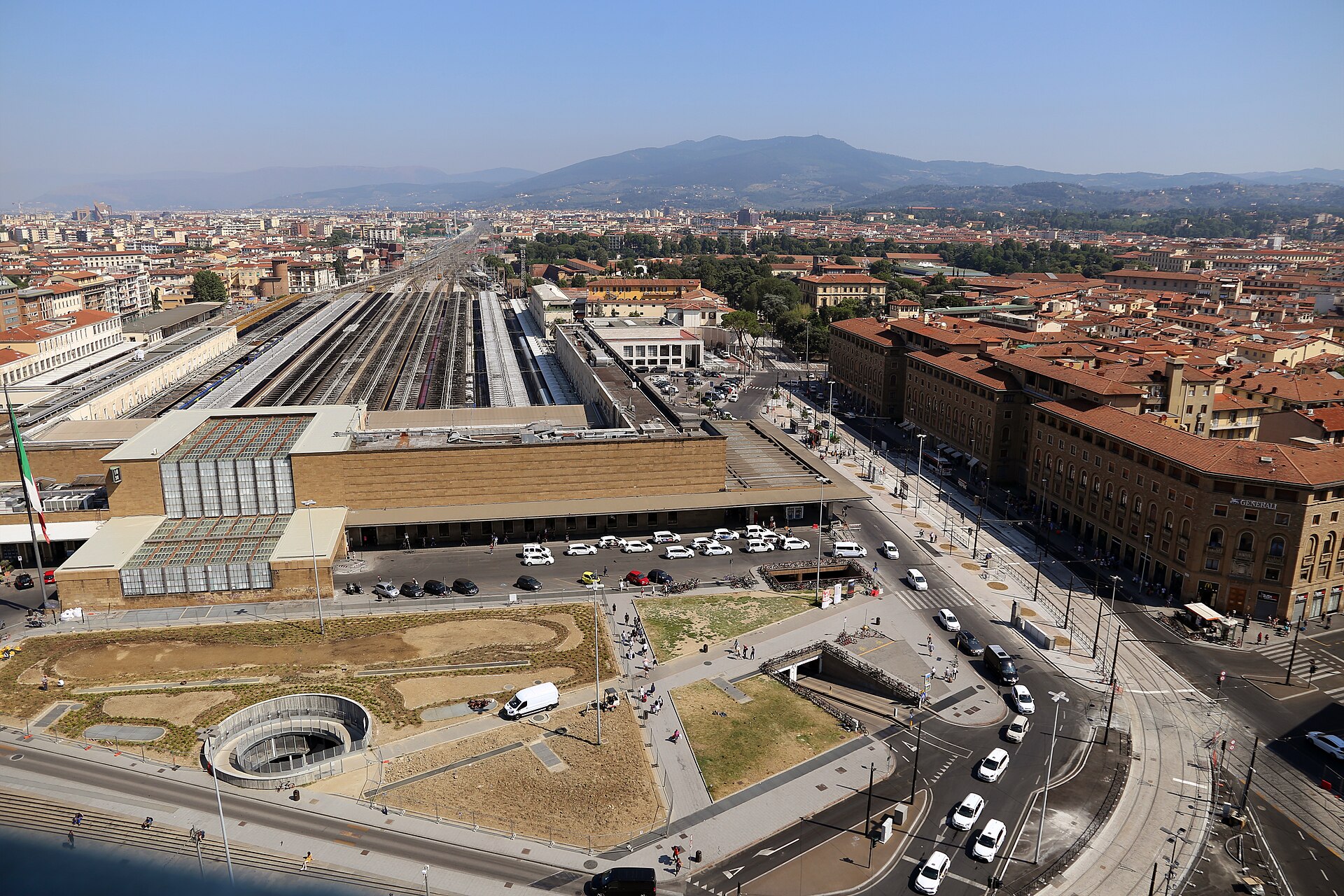
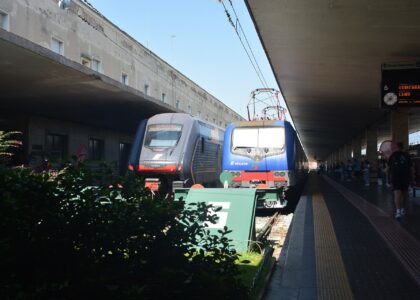
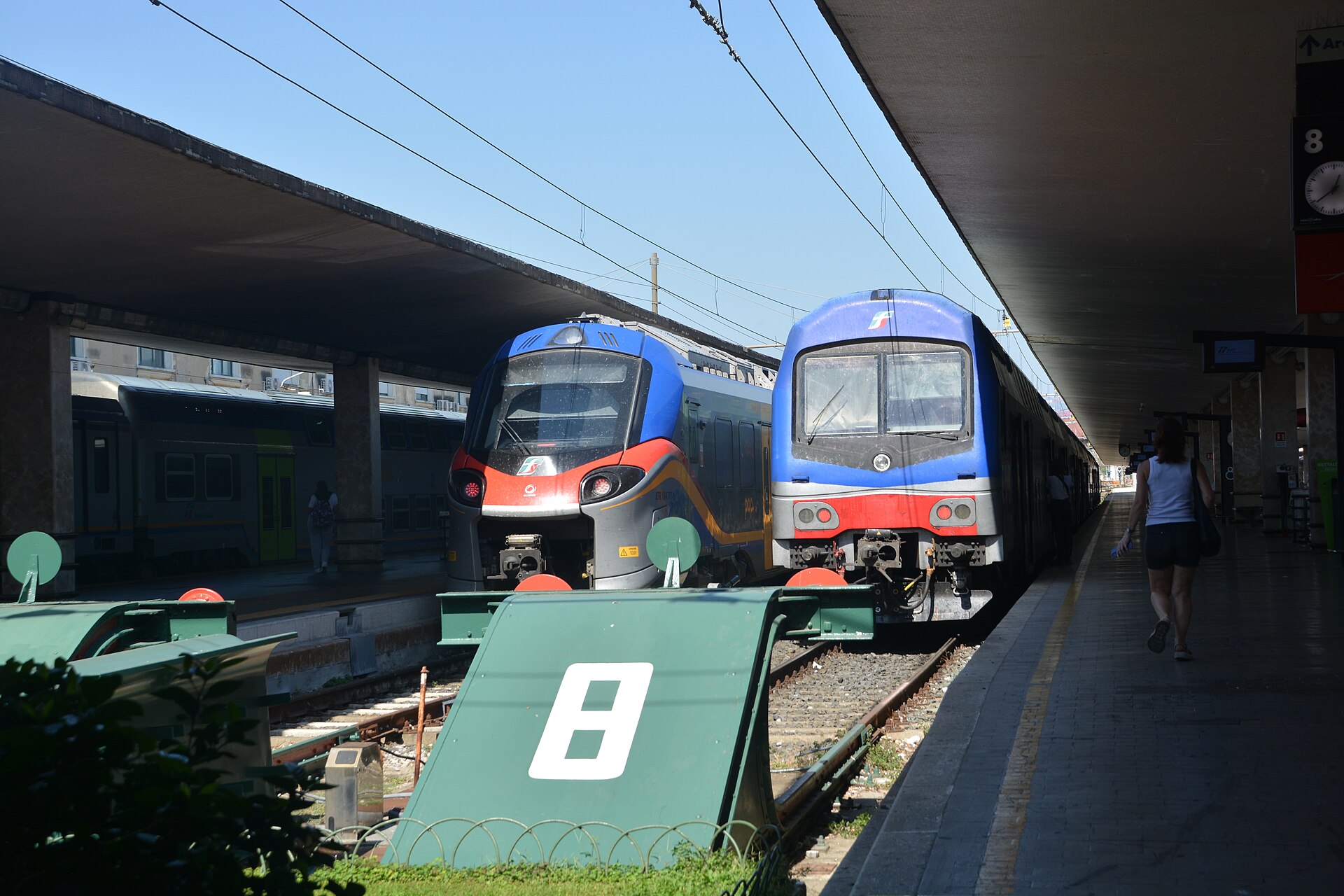
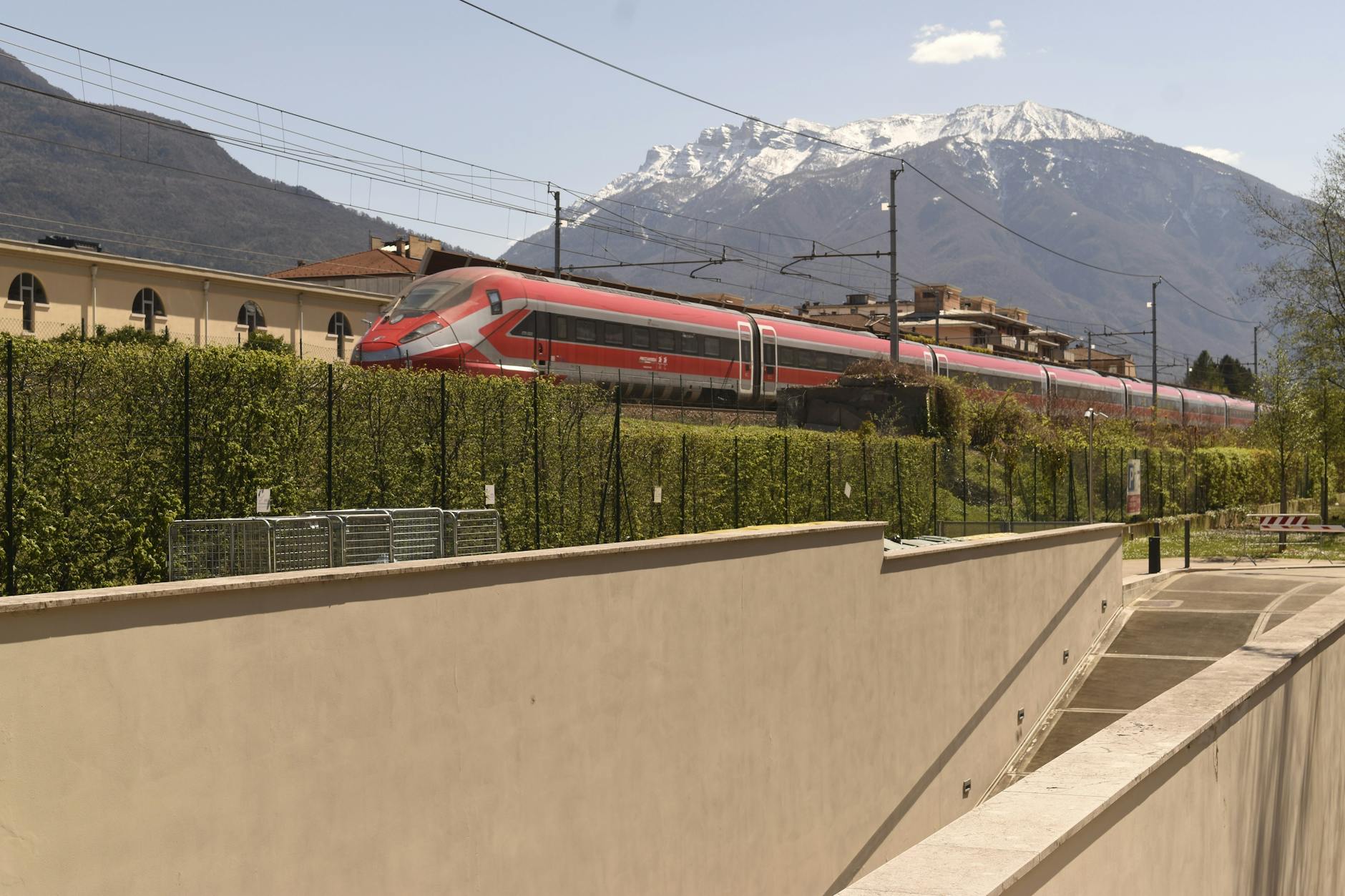
Italy’s train network is one of the best ways to travel between cities, and Florence sits at the crossroads of some of the country’s most useful routes. The high-speed Frecciarossa puts Rome less than two hours away, Venice less than two and a half, and Bologna under 40 minutes — making Florence an excellent base for day trips and multi-city itineraries.
Florence’s Train Stations
Florence has three train stations, but for most visitors, only one matters:
- Firenze Santa Maria Novella (SMN): The main station, located at the northwest edge of the historic centre. All major high-speed services and most intercity trains stop here. The station is within easy walking distance of the Duomo and has taxi ranks, tram stops (T1, T2), and good connections to the bus network directly outside. This is the station you want for arrivals and departures.
- Firenze Campo di Marte: A secondary station on the east side of the city, handling some regional services. Not useful for most tourists — avoid booking tickets to this station unless specifically intending to visit the eastern districts.
- Firenze Rifredi: In the northern suburbs, serving a handful of high-speed trains that bypass SMN. Unless you are staying in the Rifredi area, this is inconvenient — always verify that your train stops at SMN when booking.
Train Operators: Trenitalia vs Italo
Two operators compete on Italy’s main high-speed rail corridors, and this competition is good news for travellers: prices are reasonable by European standards, especially when booked early.
Trenitalia is the state operator. Its high-speed trains are called Frecciarossa (fastest, most frequent), Frecciargento (slightly slower), and Frecciabianca. For regional and intercity travel within Tuscany — Pisa, Siena, Arezzo, Cortona — Trenitalia’s regional services are the standard option. Book at trenitalia.com.
Italo is the private competitor, operating only high-speed routes between major cities. Often cheaper than Trenitalia on popular routes (Florence–Rome, Florence–Milan, Florence–Venice) when booked in advance, and the trains are generally comfortable. Book at italotreno.it.
Key Train Routes from Florence: Times and Prices
| Destination | Operator | Journey Time | Price Range | Frequency |
|---|---|---|---|---|
| Rome (Termini) | Trenitalia / Italo | 1 hr 30 min | €25–50 | Every 30–60 min |
| Venice (Santa Lucia) | Trenitalia / Italo | 2 hrs 5 min | €30–55 | Every 60–90 min |
| Bologna Centrale | Trenitalia / Italo | 37 min | €15–30 | Every 15–30 min |
| Milan (Centrale) | Trenitalia / Italo | 1 hr 40 min | €35–60 | Every 30–60 min |
| Naples (Centrale) | Trenitalia / Italo | 2 hrs 55 min | €40–70 | Every 60–90 min |
| Pisa Centrale | Trenitalia (regional) | Varies by train | €9.80 | Every 20–30 min |
| Siena | Trenitalia (regional) | ~90 min (via Empoli) | €8–12 | Every 60–90 min (consider bus — faster) |
| Arezzo | Trenitalia (regional) | 45–60 min | €8–12 | Every 30–60 min |
| Cinque Terre (La Spezia / Monterosso) | Trenitalia | About 2.5 hrs to La Spezia on a direct regional, plus the local train to the villages | €15–25 | Several per day |
Tips for Train Travel in Florence
- Validate regional tickets: High-speed (Frecciarossa, Italo) tickets are time-stamped at booking and do not need validation. But regional Trenitalia tickets must be stamped in the yellow machines on the platform before boarding, or you risk a fine.
- Platform (Binario) assignments: At SMN, platforms appear on the departure boards and in station announcements shortly before departure, so keep an eye on both. Do not queue at a platform before the assignment appears — it will change.
- Seat reservations: Included automatically on all high-speed trains. Optional on regional services. If buying a regional ticket at the machine and you want a specific seat, look for the seat reservation option.
- Left luggage (deposito bagagli): Available at SMN near the main exit — useful if you have a late train and want a final afternoon of sightseeing without dragging bags around.
Taxis & Ride-Hailing Services in Florence
Florence taxis are reliable, metered, and governed by city-set tariffs — there should be no negotiating over prices and no surprises if you use the official white taxis. They become genuinely useful when you have heavy luggage, are travelling with a group that makes the per-person cost comparable to public transport, need to reach somewhere outside the bus network, or are catching an early morning flight.
How to Identify an Official Taxi
Official Florence taxis are white and display the “TAXI” light on the roof. The taxi number and licence plate are displayed on the exterior. Always use licensed taxis from official ranks or called by phone or app — avoid anyone who approaches you in the street or at the airport offering a “taxi” service.
Taxi Fares in Florence 2026
| Fare Type | Amount | Notes |
|---|---|---|
| Base fare (daytime, Mon–Sat) | €3.80 | Applied at the start of every journey; minimum fare €5.80 |
| Base fare (evenings after 10pm) | €7.70 | Night rate applies 10pm–6am; minimum fare €9.70 |
| Base fare (Sundays & public holidays) | €6.10 | Daytime holiday rate; minimum fare €8.10 |
| Per kilometre | €1.10 (first two bands), €2.10 (third band) | The urban rate rises in three bands on the running meter |
| Florence Airport flat rate | €28 weekday day / €30 Sunday & holiday / €32 night | Fixed regardless of traffic; to/from the area inside the ring roads (viali) |
| SMN station to Piazzale Michelangelo | ~€15 | Approximate metered fare |
| Extra person (beyond the third passenger) | €1.20 per person | Surcharge applies |
| Luggage | €1.20 per piece | Up to seven pieces; luggage and extra-passenger supplements capped at €14.40 combined |
Taxi Ranks in Florence
The main taxi ranks where you can simply walk up and get a cab are:
- Firenze Santa Maria Novella station — outside the station, where taxis wait at most times, though fewer late at night
- Piazza della Repubblica — central location, frequent turnover
- Piazza Santa Croce — east side of the historic centre
- Piazza del Duomo — adjacent to the Cathedral
- Piazza San Marco — north of the centre, near the Accademia
Calling or Booking a Florence Taxi
You can phone for a taxi in Florence using these numbers:
- +39 055 4242 (Radio Taxi Firenze)
- +39 055 4390 (CO.TA.FI.)
The most convenient option for English-speaking visitors is the itTaxi app (ittaxi.it), which is the official app for licensed taxis across Italy. You can book, track your taxi, and pay by card through the app.
Uber in Florence: The Reality
Uber operates in Florence through Uber Black (licensed private hire vehicles), which the app offers as its local alternative to taxis. For everyday getting around Florence Italy, the official taxi app (itTaxi) books the city’s licensed white taxis directly.
The ZTL: Florence’s Traffic Restricted Zone Explained
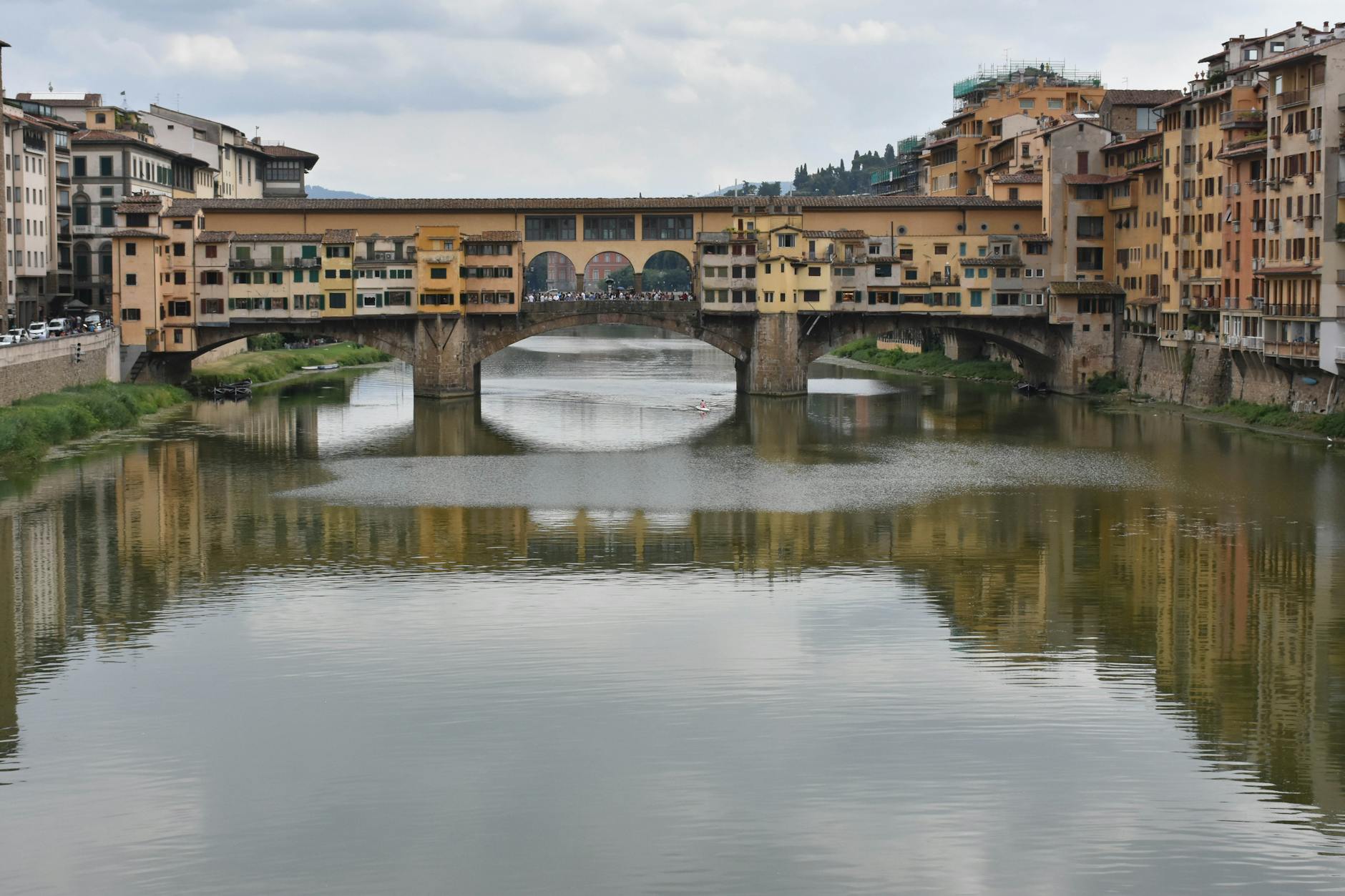
The ZTL — Zona a Traffico Limitato — is Florence’s traffic restricted zone covering virtually the entire historic centre. If there is one thing to understand about Florence transportation before you visit, it is this: do not drive into the ZTL without an authorised permit. The consequences are automatic, significant, and often arrive months after you have returned home.
How the ZTL Works
The ZTL is enforced by electronic gates with cameras at the entry points to the restricted zone, which monitor access during the restriction hours. Unauthorised vehicles receive a fine — around €80 or more per infraction, plus notification costs — issued through the Italian postal system.
If you are driving a rental car, the rental company will receive the fine notice and forward it to you with an additional administration fee. This can arrive two, three, or even six months after your trip, making it easy to forget until a bill for hundreds of euros lands in your inbox.
When Is the ZTL Active?
ZTL hours vary by zone within the city, and the rules have tightened over the years:
- Central ZTL (most of the historic centre): Active Monday–Friday 7:30am–8:00pm, Saturday 7:30am–4:00pm. Inactive Sundays and public holidays — but do not rely on this for navigation without checking.
- Oltrarno (sector O): Follows the same daytime hours as the central sectors, and the summer night restrictions too.
- Night ZTL: In summer, sectors A, B, O, F and G also close to unauthorised traffic on Thursday, Friday and Saturday nights from 11:00pm to 3:00am. In 2026 the season ran from 2 April to the night of 3–4 October; the city sets the dates each year.
The rules are complex enough that even Italian drivers sometimes get this wrong. The safest policy is simple: assume the entire historic centre is a ZTL at all times and do not drive into it under any circumstances unless you have arranged a verified permit.
Common Myths About the ZTL
Not quite. A hotel inside the ZTL can register your number plate so you can drive to the property, but only under the ZTL rules and only if it does so in advance. It does not give you permission to park in the ZTL or drive around it freely. Contact your hotel well in advance if you are arriving by car and need to drop bags at the property.
False. Entry is monitored by automated electronic gates during the restricted hours. There is no human element that might miss your car.
Where to Park Outside the ZTL
If you are arriving in Florence by car — whether from the airport, a rental pickup, or a road trip through Tuscany — park in one of the garages outside the ZTL and continue on foot or by public transport:
- Parking Stazione Fortezza Fiera (Fortezza da Basso): Piazzale Caduti nei Lager, beside the Fortezza da Basso. Large capacity, well-managed, good signage.
- Parking Beccaria: Piazza Ghiberti — on the east edge near Santa Croce, convenient for the Oltrarno side of the city.
- Parterre Parking: Piazza della Libertà — northeast of the centre, near the Viale ring road.
- Piazzale Michelangelo: Free parking available on the upper road, but extremely limited and often full. Only viable very early in the morning.
Paid garages in Florence typically cost €2–3 per hour or €15–25 for a full day. Budget this into your itinerary if you are arriving by car.
For a more in-depth overview of the ZTL in the context of overall trip planning, see our Florence Travel Planning Guide.
Renting a Car in Florence: When It Makes Sense (and When It Doesn’t)
The short answer: do not rent a car if you are spending your entire trip in Florence city. The ZTL, the cobblestones, the narrow medieval streets, the scarcity and cost of parking, and the excellent train connections to other major Italian cities all make driving in Florence both unnecessary and actively frustrating.
The case for renting a car changes entirely if your itinerary includes the Tuscan countryside — winding through Chianti vineyards, exploring the Val d’Orcia, reaching hilltop towns like Montalcino, Montepulciano, or Volterra that have no practical public transport connection. For that kind of trip, a rental car is genuinely excellent.
Where to Pick Up a Rental Car
The most practical rental car pickup points in Florence are:
- Florence Airport (FLR): All major operators (Hertz, Europcar, Avis, Sixt, Enterprise) have desks in the terminal. Ideal if arriving by air and heading directly to the countryside.
- Firenze SMN area: Europcar has an office close to the station at Borgo Ognissanti 153/R. Useful if picking up mid-trip after arriving by train.
Avoid picking up a car in the centre — you will immediately face ZTL cameras on the way out.
Driving in Tuscany: Essential Information
- Motorways (Autostrada): The A1 motorway runs north–south through Italy, connecting Florence north to Bologna and Milan, south to Rome. The Fi-Pi-Li (Florence–Pisa–Livorno) is the main westbound route to the coast. Tolls apply on autostrada — Florence to Rome costs approximately €20 in tolls.
- Fuel costs: Petrol in Italy costs approximately €1.80–2.00 per litre (2026). Diesel is slightly cheaper. Most stations are self-service; look for “fai da te” pumps that accept cards.
- International Driving Permit: Drivers with a licence from outside the EU/EEA (including US, UK, and Australian licence holders) need their national licence plus either an International Driving Permit or an official Italian translation of the licence.
- Speed limits: 130 km/h on motorways, 110 km/h on main extra-urban roads, 90 km/h on other roads outside towns, 50 km/h in towns, unless signs say otherwise. In rain, the motorway and main-road limits drop to 110 and 90 km/h. Variable speed limits with camera enforcement are common.
- White lines, blue lines: White road markings indicate free parking; blue markings indicate paid parking (look for a meter or pay-by-phone sign). Yellow markings are restricted zones.
Bikes, E-Scooters & Alternative Transport in Florence
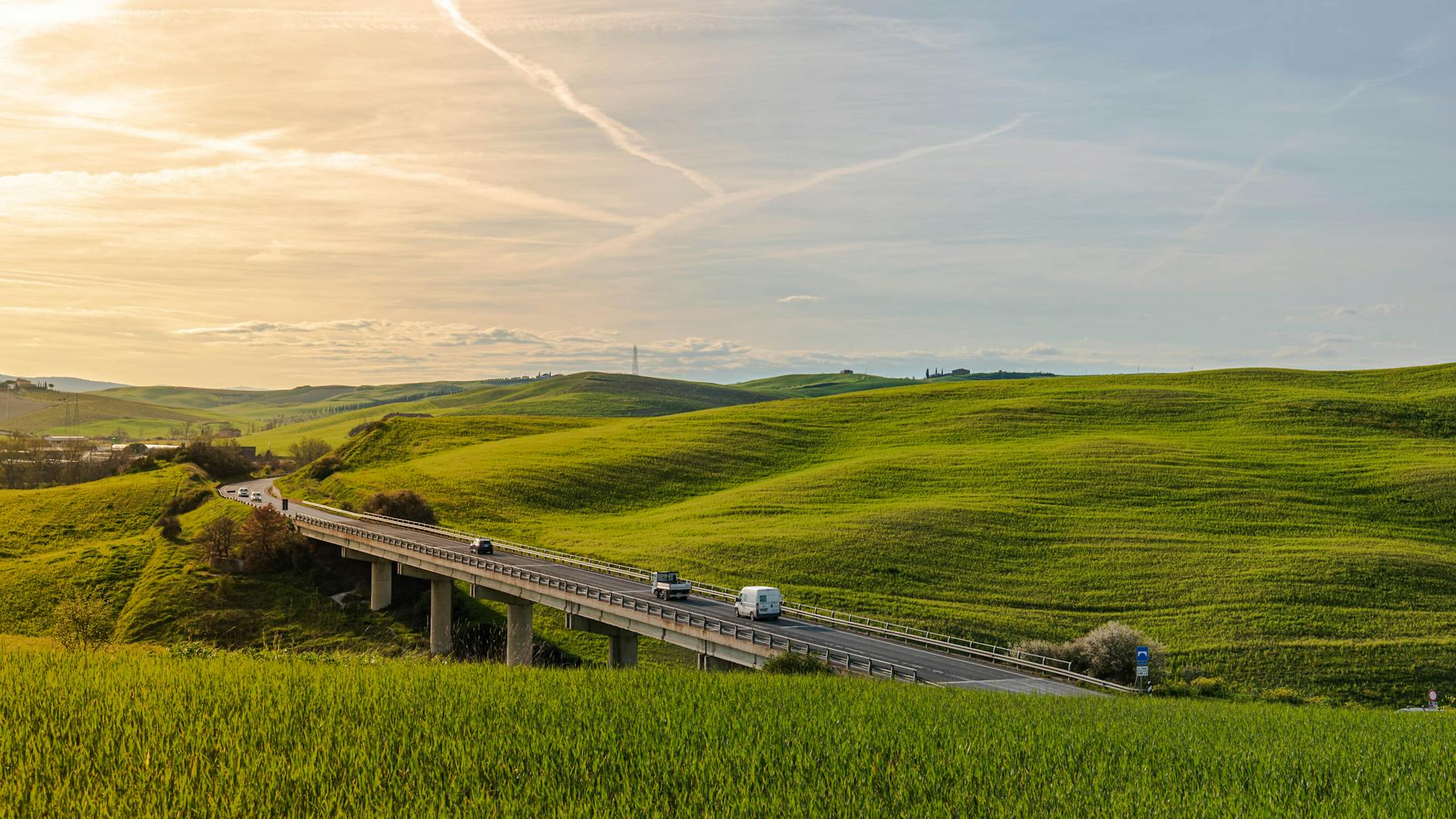
Cycling in Florence is improving year by year — dedicated bike infrastructure is limited but growing, and certain routes through and around the city are enjoyable by bike. These options sit somewhere between walking and public transport: faster than walking over longer distances, more flexible than buses, and a pleasantly different perspective on the city.
Bike Sharing in Florence
Florence’s bike-sharing services operate through dockless systems, meaning you pick up and leave bikes at any permitted location rather than at fixed stations:
- Mobike: One of the main operators, with red bikes available throughout the city. Download the Mobike app to locate and unlock bikes.
- Ridemovi: The other major provider, offering both standard and electric bikes. App-based with pricing starting at around €1.50 per 30 minutes.
Both services allow you to park bikes at any designated parking area — not in the middle of the pavement or blocking doorways, which is enforced with fines to the user’s account.
E-Scooter Services
Florence ended its municipal e-scooter sharing programme on 31 March 2026, so shared scooters are no longer part of getting around the city. For short hops beyond comfortable walking distance, the bike-sharing services above and the buses and trams do the same job.
Practically speaking, a bike is most useful for medium distances outside the main tourist core — getting from a residential neighbourhood to the centre, or exploring the Oltrarno. In the dense historic centre, narrow streets, pedestrian traffic, and cobblestones make cycling awkward.
Best Cycling Routes in Florence
- Arno Riverside Path (Lungarni): Both banks of the Arno have wide lungarni (riverside roads) that are relatively flat and pleasant for cycling or scootering. Heading east from Ponte Vecchio on the south bank takes you toward the quieter residential districts of San Niccolò and eventually out toward the hills.
- Cascine Park: The large public park stretching west from the centre along the north bank of the Arno has dedicated bike paths and is a genuine pleasure for cyclists. Popular with local families on weekends.
- Via Senese route south: Cyclists and e-bikers who want to explore the Florentine hills head south via Via Senese, climbing through the village of Galluzzo toward the Certosa di Firenze monastery. Rewarding but steep.
Guided E-Bike Tours
For visitors who want to explore Florence’s surrounding hills without the effort of self-guided cycling, organised e-bike tours have become extremely popular. Tours from operators based near SMN or the Ponte Vecchio area typically take riders through the Chianti hills south of the city, with stops at viewpoints, olive groves, and wineries. Half-day tours cost approximately €60–90 per person and include the e-bike, helmet, guide, and usually a tasting stop. Worth considering as an alternative day-trip option to the standard bus tour format.
For details on the best day trips from Florence by all transport types, see our Things to Do in Florence guide.
Getting to Nearby Cities: Day Trip Transport from Florence
Florence’s central position in northern Italy makes it an excellent base for day trips throughout Tuscany and beyond. Getting around Florence Italy is one challenge — but reaching the broader region by train, bus, or car opens up an extraordinary range of destinations within easy reach.
| Destination | Best Transport | Journey Time | Approx. Cost | Notes |
|---|---|---|---|---|
| Siena | Bus (Autolinee Toscane, line 131R) | Varies by departure | €8–10 return | Arrives at Via Tozzi in Siena; departs from Florence bus station (autostazione) |
| Pisa | Train (Trenitalia regional) | Varies by train | €19.60 return | Frequent departures from SMN |
| Lucca | Train (Trenitalia regional) | 80–90 min | €8–14 return | Change at Pisa Centrale; or direct train on some services |
| Bologna | Train (Frecciarossa) | 37 min | €15–30 return | Fastest intercity option from Florence; Bologna’s food scene makes this an excellent half-day |
| Rome | Train (Frecciarossa) | 1 hr 30 min | €25–50 each way | Technically a day trip but a long one; better as an overnight or dedicated stay |
| Venice | Train (Frecciarossa) | 2 hrs 5 min | €30–55 each way | Feasible as a day trip but requires early start; overnight strongly recommended |
| Cinque Terre | Train (Trenitalia, change La Spezia) | Around 2.5 hrs to La Spezia, plus the hop to the villages | €15–25 each way | Allow full day; arrive at Riomaggiore or Monterosso and check which sections of the coastal path are open |
| Chianti Wine Region | Rental car / organised tour | 30–45 min to first villages | Car rental from €40/day + fuel; tours from €60 | Public transport to Chianti villages is very limited; car or guided tour essential |
| San Gimignano | Bus (from Poggibonsi) or car | ~90 min by bus | €10–14 bus return | Bus to Poggibonsi then change; easier by car or organised tour |
| Fiesole | Bus 7 from Libertà (Porta San Gallo) | Check timetable | €2.00 single | Florence’s most accessible day trip; Etruscan ruins and panoramic city views |
Florence Bus Station (Autostazione)
Intercity buses for Siena and other Tuscan destinations depart from Florence Autostazione, on Via Santa Caterina da Siena, a short walk from SMN train station. Autolinee Toscane runs the regional coaches, including line 131R to Siena via Poggibonsi. FlixBus uses its own Florence stops, including Villa Costanza and Piazzale Montelungo, so check the stop on your ticket. Buy tickets at the autostazione ticket windows or online.
Accessibility & Special Needs Transport in Florence
Honest, upfront assessment: Florence is a challenging city for visitors with mobility impairments. The historic centre was built in the medieval era, and its cobblestone streets, narrow lanes, steep hills, and absence of elevators in most older buildings create real obstacles that no amount of planning entirely removes. That said, there have been significant improvements in recent years, and understanding what is accessible — and what is not — allows for much better trip planning.
Trams and Buses
Both the T1 and T2 trams are fully low-floor and wheelchair accessible, with wide doors, ramp boarding, and dedicated wheelchair spaces inside. This makes the airport transfer by T2 tram genuinely accessible for wheelchair users. Florence’s newer bus fleet is also largely low-floor, though older vehicles on some routes are not. The Autolinee Toscane website lists accessible routes; alternatively, call their accessibility service line in advance.
Firenze Santa Maria Novella Station
SMN has elevators to all platforms and a dedicated assistance service for passengers with reduced mobility. RFI’s Sala Blu service provides free assistance for disabled passengers at major Italian stations, including SMN — book in advance through SalaBlu Online or on +39 02 32 32 32.
Cobblestones and the Historic Centre
The cobblestone streets (sampietrini) of Florence’s historic centre are extremely difficult to navigate in a manual wheelchair, and challenging even with powered chairs. The main pedestrian artery Via dei Calzaiuoli has been partially smoothed and has a walkable central strip, but most side streets are uneven. The Piazza della Signoria and Piazza del Duomo have wide open stone surfaces that are more manageable. Mobility scooters and electric wheelchairs are used in the city, but visitors should plan routes carefully and expect some detours around particularly rough sections.
Accessible Attractions
The major museums have made significant accessibility improvements. The Uffizi Gallery has elevators and accessible routes through the collection. The Accademia (home of Michelangelo’s David) is largely accessible. The Duomo complex and its associated museums have varying accessibility — the Cathedral itself is accessible, but the climb to Brunelleschi’s Dome is 463 steps with no lift. The Baptistery has step-free access.
For museum booking and accessibility information, see our Complete Florence Museums Guide, which notes accessibility details for each major attraction.
Taxis for Accessible Travel
Florence’s taxi fleet includes some wheelchair-accessible vehicles. When calling for a taxi, specify that you need an adapted vehicle (“un taxi per disabili” / “ho bisogno di un veicolo accessibile”). The itTaxi app also allows you to filter for accessible vehicles. Allow extra time for booking, as adapted taxis are fewer in number.
Frequently Asked Questions: Getting Around Florence Italy
Is Florence easy to get around on foot?
Yes — Florence is one of the most walkable cities in Europe. UNESCO puts the historic centre at 505 hectares, about 1.95 square miles, and the major attractions (Duomo, Uffizi, Ponte Vecchio, Accademia, Santa Croce) are all close enough to walk between. Most visitors find that they rarely need to use any other transport within the city centre. The main challenge is the cobblestone streets, which require comfortable, supportive shoes. Pack good footwear and you will find walking the most efficient and enjoyable way to explore the city.
How do I get from Florence Airport to the city centre?
The easiest and cheapest option is the T2 tram, which runs from the airport stop (a 2-minute walk from the terminal) directly to Firenze Santa Maria Novella station in about 20 minutes. Trams come every few minutes on weekday daytimes and less often early and late, from around 5am to 12:30am (until 2am on Fridays and Saturdays). It takes the standard €2 urban ticket, purchased from the vending machine at the tram stop. Taxis from the airport to the city centre charge a fixed fare of around €30 (€28 on weekday daytimes, €32 at night) and take approximately 15 minutes, depending on traffic.
What is the ZTL in Florence and how do I avoid a fine?
The ZTL (Zona a Traffico Limitato) is Florence’s traffic restricted zone covering the entire historic centre. Electronic gates monitor access to the zone. If you drive into the ZTL without an authorised permit, expect a fine of around €80 or more for each unauthorised entry, plus notification costs, and your rental company may add its own administration fee. The solution is simple: do not drive into the ZTL. Park at a garage outside the zone (such as Parking Stazione Fortezza Fiera or Parking Beccaria) and continue on foot or by public transport. Your hotel cannot give you general ZTL access — a hotel inside the zone can only register your plate for driving to the property, which must be arranged in advance.
How much does a Florence bus ticket cost, and where do I buy one?
A single Florence bus or tram ticket costs €2.00 and is valid for 90 minutes from validation, including transfers. There is no day or three-day pass, but a ten-ride carnet costs €18.20. Buy tickets before boarding at tabacchi shops, newsstands, vending machines at major stops, or via the Autolinee Toscane app; a ticket bought from the driver costs €3.00. Always validate paper tickets in the machine on board as soon as you get on.
Should I rent a car in Florence?
No, if you are spending your time in Florence city. The ZTL restrictions, limited parking, one-way streets, and cobblestones make driving in the city centre more trouble than it is worth. However, renting a car makes excellent sense if your itinerary includes the Tuscan countryside — Chianti, the Val d’Orcia, Montalcino, Volterra — areas that are difficult or impossible to reach by public transport. Pick up the car at the airport or at the end of your Florence stay, after you have finished with the city itself.
How do I get from Pisa Airport to Florence?
The standard route is PisaMover automated train from the airport to Pisa Centrale station (€6.50, about 5 minutes, every 5–15 minutes) then a Trenitalia regional train from Pisa Centrale to Florence SMN (€9.80; journey times vary by train). The two tickets come to about €15–20, and the total time depends on your connection. The alternative is Caronna’s direct coach from Pisa Airport to Florence’s Guidoni stop on the T2 tram line, from €14.99 and taking about 60 minutes, traffic permitting — useful with heavy luggage. Taxis from Pisa Airport to Florence are available but expensive at €120–160.
Does Uber work in Florence?
Uber is available in Florence through Uber Black (licensed private hire vehicles), which Uber offers as its local alternative to taxis. To book one of the city’s white taxis by app, use the official itTaxi app (ittaxi.it), which connects you with licensed white taxis, offers card payment, and shows estimated journey times and fares upfront. You can also simply hail a white taxi from the street or from the ranks at SMN station, Piazza della Repubblica, and other central points.
How do I get to Piazzale Michelangelo from the centre of Florence?
You have three options. Walking from the historic centre is a pleasant route south across a bridge and up through the San Niccolò neighbourhood, though the final stretch is a steep climb. Bus 12 links the Santa Maria Novella station area with Piazzale Michelangelo on the standard €2.00 urban ticket. Bus 13 runs the same loop in the opposite direction. Many visitors walk up for the view and take the bus back down — a very sensible plan that saves the legs without missing the uphill neighbourhood experience.
What is the fastest way to get from Florence to Rome?
The Frecciarossa high-speed train from Firenze SMN to Roma Termini takes a little over an hour and a half, depending on the service, and is by far the fastest and most practical option. Trenitalia and Italo both operate frequent services, with tickets costing €25–50 depending on how far in advance you book and which class you choose. The train is significantly faster than flying once you factor in check-in, security, and transit time from Rome’s airports to the city centre. Book at trenitalia.com or italotreno.it as early as possible for the best prices.
Is Florence public transport good enough to get around without a taxi?
For most visitors, yes — particularly because the best way of getting around Florence Italy within the historic centre is walking, which costs nothing. The T2 tram handles airport transfers efficiently at minimal cost. Buses 12 and 13 cover the Piazzale Michelangelo viewpoint, Bus 7 reaches Fiesole, and the intercity bus network connects Siena and other Tuscan towns. Taxis are a supplement for convenience (late nights, heavy luggage, early morning flights) rather than a necessity. Most visitors to Florence find they spend very little on transport within the city itself.
Florence Transport Planning by Trip Type
Every visitor to Florence arrives with a different itinerary, and the right transport strategy depends heavily on how long you are staying, where you are based, and what you plan to see. Here is a practical breakdown of the best approach to getting around Florence Italy based on common trip profiles.
Two to Three Days in Florence (City Only)
If your entire trip is within Florence city and you are staying centrally — anywhere from Santa Maria Novella south to the Oltrarno — you will almost certainly walk everywhere and spend next to nothing on transport. The T2 tram handles your airport arrival and departure at €2.00 each way. Within the city, the pay-as-you-go single ticket is fine; if you expect to ride often, a ten-ride carnet (€18.20) saves queuing at the tabacchi. You will not need a taxi unless you have a very early morning flight or are travelling with children and heavy luggage.
Key transport moments in a short city trip: airport tram arrival (T2, €2.00), possibly Bus 12 up to Piazzale Michelangelo and Bus 13 back down (€2.00 per journey), and perhaps one taxi on departure day. The tram and buses together come to well under €20; a taxi to the airport adds a fixed fare of around €30.
One Week in Florence with Day Trips
A week-long stay with day trips to Siena, Pisa, Lucca, and perhaps Cinque Terre changes the calculation. In this scenario, a ten-ride carnet (€18.20) covers your city bus and tram rides for part of the week, while intercity trains and buses add to the budget. A typical week might look like this:
- Day 1: Arrival by T2 tram, €2.00
- Days 2–4: Walking and occasional city buses; a ten-ride carnet covers this, €18.20
- Day 3 or 4: Day trip to Siena by bus, €8–10 return
- Day 5: Day trip to Pisa by train, €19.60 return
- Day 6: Day trip to Bologna by Frecciarossa, €15–30 return
- Day 7: Departure by T2 tram, €2.00
Total transport budget for a week: approximately €68–81. Excellent value for the ground covered.
Florence Plus Tuscany Countryside (Combined City and Car Trip)
The most common hybrid itinerary: three or four days in Florence by foot and public transport, then pick up a rental car and head into Chianti, the Val d’Orcia, or the Maremma coast. This is the ideal structure and avoids all ZTL complications:
- Arrive by T2 tram from Florence Airport.
- Spend three to four days in the city, entirely on foot with occasional buses and trains for day trips.
- Pick up rental car from Florence Airport or SMN area on the day you leave for the countryside.
- Return the car at the end of the Tuscan section, either at Florence Airport for onward travel, or at another city’s airport if your itinerary continues (e.g., Rome or Pisa).
This eliminates parking headaches in the city entirely while giving you full flexibility in rural Tuscany. It is the approach recommended by most experienced Florence travellers.
Multi-City Italian Rail Trip (Florence as Hub)
Florence’s position makes it a natural anchor for a broader Italian rail itinerary. A classic two-week trip might move through Rome (Frecciarossa, a little over 1hr 30min) – Florence (3–4 nights) – Bologna (Italo, 37min, afternoon excursion) – Venice (Italo, about 2hrs) – Milan (Italo, 2hrs 15min). All of this is feasible on booked train tickets at reasonable advance-purchase prices. The key is booking the high-speed legs early: Rome–Florence–Venice are the most popular and expensive if left to last minute.
Within each city stop, the pattern remains the same: walk in the historic centres, use public transport for airport connections, save taxis for specific convenience moments. Getting around Florence Italy is the template for the entire Italian train trip — walk first, transit when necessary.
Florence with Children or Older Travellers
Families with young children and travellers with limited mobility face the cobblestone challenge most acutely. Practical transport adjustments for this profile include:
- Taxis more freely: The per-person cost of a taxi becomes more reasonable when shared by four, and the door-to-door convenience eliminates the cobblestone issue for tired legs and pushchairs.
- Bus 12/13 for Piazzale Michelangelo: The view is unmissable, but the walk up is genuinely steep with a buggy or for anyone with knee problems. Take the bus both ways without guilt.
- Avoid cobblestone routes with prams: The main pedestrian artery Via dei Calzaiuoli has a smoothed central section; stick to this rather than the side lanes. The Lungarno (riverside roads) on both banks of the Arno also have smoother surfaces and are pushchair-friendly.
- Accommodation choice matters: Staying within the historic centre itself means shorter walking distances to all major sights. See our Where to Stay in Florence guide for neighbourhood-by-neighbourhood analysis.
Quick Transport Reference: Florence at a Glance
For visitors who want a rapid cheat sheet for getting around Florence Italy, here is the essential information in one place:
- Within the historic centre: Walk. Every time. It is faster and better than any alternative.
- Florence Airport to city: T2 tram, €2.00, about 20 min to SMN station. Taxi: fixed fare of around €30.
- Pisa Airport to city: PisaMover (€6.50) + Trenitalia regional (€9.80); time depends on the connection. Direct Caronna coach: from €14.99, about 60 min to Guidoni (T2 tram).
- City buses and trams: €2.00 single, €18.20 ten-ride carnet. Buy at tabacchi BEFORE boarding. Validate when you board.
- Piazzale Michelangelo: Bus 12 or 13; bus 12 also serves the SMN station area. €2.00.
- Fiesole: Bus 7 from Libertà (Porta San Gallo). €2.00.
- Siena: Bus from autostazione. €8–10 return, 75 min. Faster than train.
- Rome: Frecciarossa from SMN. €25–50, 1hr 30min.
- Venice: Frecciarossa from SMN. €30–55, 2hrs 5min.
- Taxi: Base fare €3.80 on weekday daytimes, then €1.10–2.10/km; night, holiday and luggage supplements apply. App: itTaxi. Ranks at SMN, Piazza della Repubblica.
- ZTL: Do not drive in. Fines of around €80 or more, plus costs. Park outside at Fortezza Fiera or Beccaria.
- Car rental: Only if going to the Tuscan countryside. Pick up at airport or end of city stay.