This article contains advertising. Booking links on this site can be turned into paid links automatically by our partner Travelpayouts: if you book through one, we earn a commission from the provider, at no extra cost to you. It never affects what we recommend. Affiliate disclosure
Florence’s neighborhoods (called “quartieri” or “rioni”) have distinct personalities that affect everything—where to stay, where to eat, what time of day to visit, and what kind of experience you’ll have. The tourist-heavy historic center north of the Arno feels different from the artisan Oltrarno; San Frediano feels different from Santa Croce. This guide covers every major Florence neighborhood, what makes each special, what to do there, where to stay, and how they fit together for visitors planning their trip.
Each quarter has a distinct character worth matching to your trip: the artisan Oltrarno in our Oltrarno guide, the art-and-nightlife mix of Santa Croce, and the market streets covered in our San Lorenzo and San Marco guide.
The Oltrarno is the part of Florence that changes most in August, because the workshops that define it close for a fortnight. Our guide to Florence in August is clear about which parts of the city go on holiday and which do not.
Florence’s Six Main Neighborhoods
| Neighborhood | Vibe | Best For |
|---|---|---|
| Centro Storico (Duomo area) | Tourist-heavy, busy | First-time visitors, museum focus |
| Santa Maria Novella | Train station, central | Quick stays, business travelers |
| Santa Croce | Lively, dining-focused | Foodies, evening dining |
| San Lorenzo | Market and Medici area | Budget travelers, market lovers |
| Oltrarno (Santo Spirito) | Artisan, bohemian, evening life | Authentic Florence experience |
| Oltrarno (San Frediano) | Hip, less touristy | Local culture, nightlife |
| San Niccolò | Quiet, residential, hilly | Sunset spots, less crowded |
| Piazzale Michelangelo / Bellosguardo | Hill views, residential | Drives and views, not stays |
Centro Storico (Historic Center / Duomo Area)
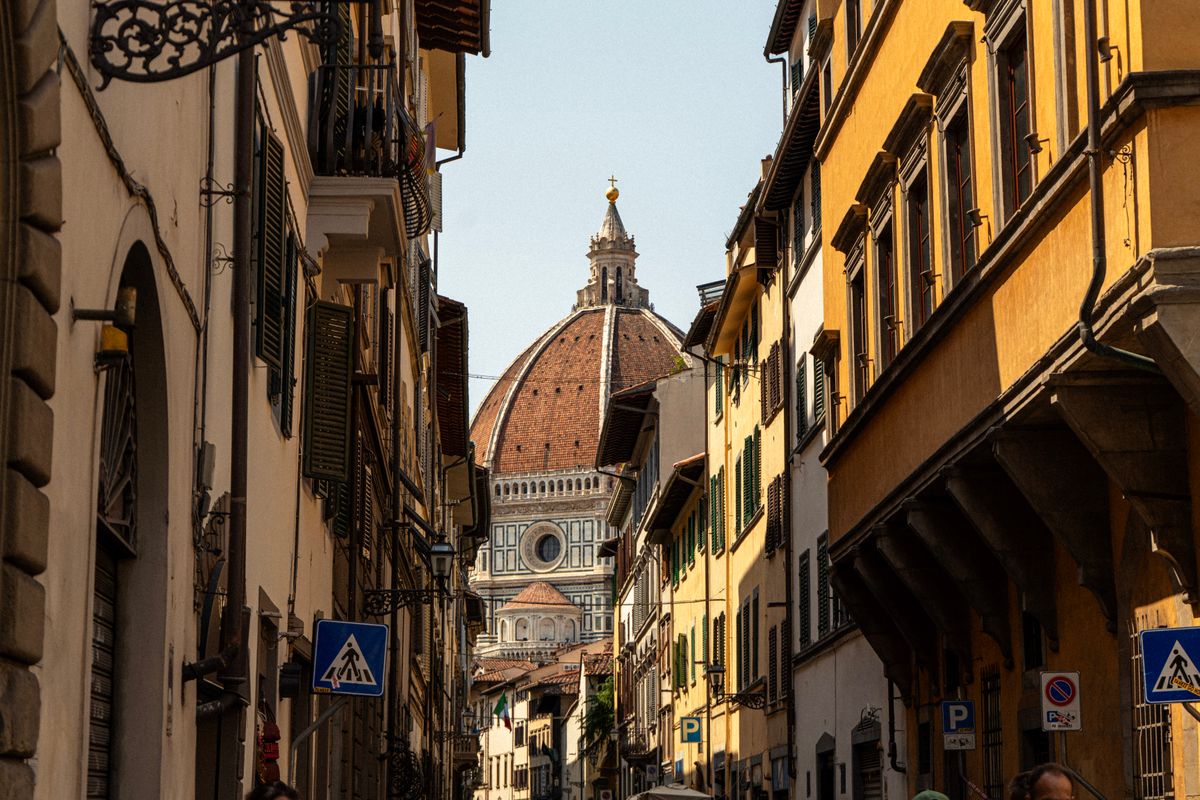
The historic core north of the Arno surrounding the Duomo, Piazza della Signoria, and Ponte Vecchio. This is “Florence” for most visitors—the postcard area, the pedestrian zone, and home to many of the major attractions.
Character
Tourist-saturated. Beautiful architecture, world-class museums, but crowded year-round. Restaurants are a mix of tourist-trap and excellent—careful selection matters. Lots of luxury shopping on Via Tornabuoni and Via dei Calzaiuoli. Quiet at night, busy by day.
What’s Here
- Florence Duomo and Baptistery
- Uffizi Gallery
- Palazzo Vecchio and Piazza della Signoria
- Ponte Vecchio (Arno crossing)
- Bargello National Museum
- Orsanmichele
- Major luxury shopping
Where to Stay (Centro Storico)
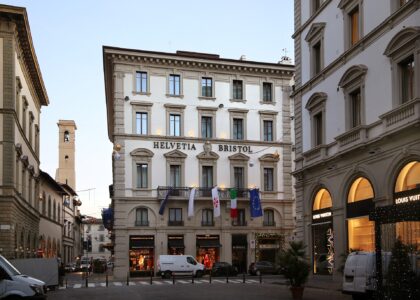
Hotels: Hotel Brunelleschi (built around a medieval tower), Helvetia & Bristol, Hotel Calzaiuoli (in the old city centre). Expect €250-€500/night for mid-range rooms. The most expensive Florence area but the most convenient for first-time visitors.
Santa Maria Novella
The area immediately around Florence’s main train station. Mix of business hotels, the basilica of Santa Maria Novella, and easy connections to the rest of the city.
Character
Functional rather than romantic. Hotels are practical, restaurants are mid-range, and the area is busy with travelers coming and going. The basilica is a major attraction with Masaccio’s Trinity.
Where to Stay
Good area for budget hotels and quick stays where convenient train access matters. Plus Florence Hostel, Hotel Cosmopolitan, NH Firenze, and other practical options. €100-200/night typical.
Santa Croce
The eastern district centered on Piazza Santa Croce. Mix of churches, restaurants, leather workshops, and historic palazzi.
Character
Lively dining scene, especially in the evening. The piazza is an active social space (and the venue for Calcio Storico in June). Slightly off the main tourist path but walking distance to the historic center.
What’s Here
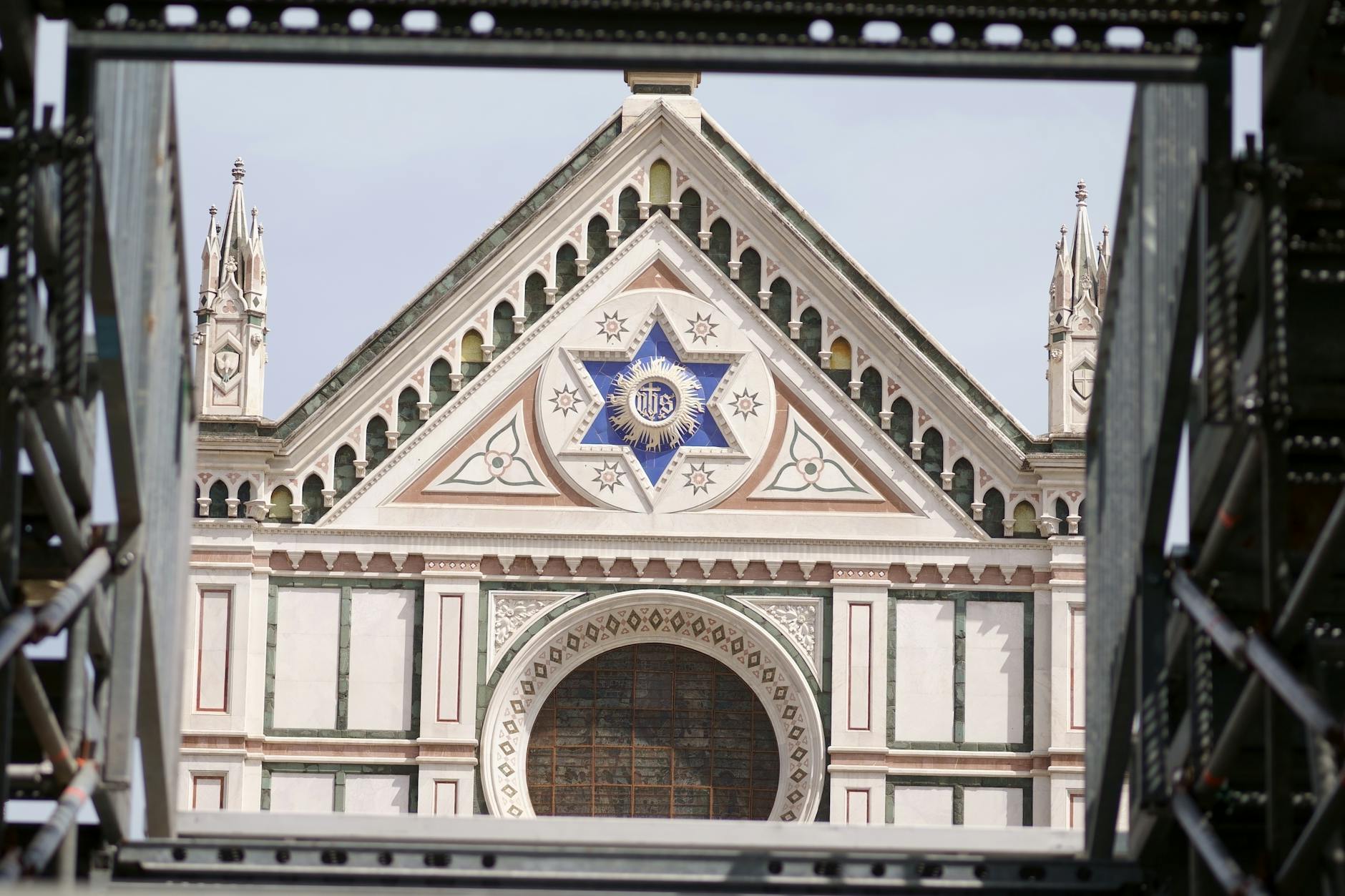
- Basilica of Santa Croce (with Michelangelo, Galileo, Machiavelli tombs)
- Pazzi Chapel by Brunelleschi
- Sant’Ambrogio market (one of Florence’s best food markets)
- Many traditional Tuscan trattorias
- Leather schools and workshops
- Lively evening squares
Where to Stay
Hotel Bernini Palace (luxury), Hotel Roma, Antica Torre di Via Tornabuoni. €150-€300/night typical. Slightly cheaper than Centro Storico but still walkable to all major attractions.
San Lorenzo
The neighborhood around the San Lorenzo basilica and the Mercato Centrale, north of the Duomo.
Character
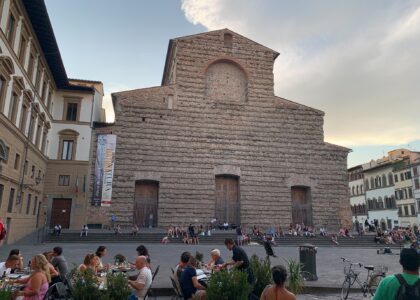
The Medici family quarter—their parish church is here, their palace is here. Today it’s a mix of tourist market activity (San Lorenzo outdoor leather market), the food-focused Mercato Centrale, and budget accommodation.
What’s Here
- Basilica of San Lorenzo (Brunelleschi)
- Medici Chapels (with Michelangelo’s New Sacristy)
- Palazzo Medici Riccardi
- Mercato Centrale (food court and grocery market)
- San Lorenzo outdoor market (leather goods, scarves)
- Trattoria Mario (legendary lunch spot)
Where to Stay
Mid-range hotels and budget accommodations. Hotel Cellai, Hotel Botticelli, B&B options. €80-€200/night. Good location for budget travelers wanting access to everything.
Oltrarno (Santo Spirito and San Frediano)
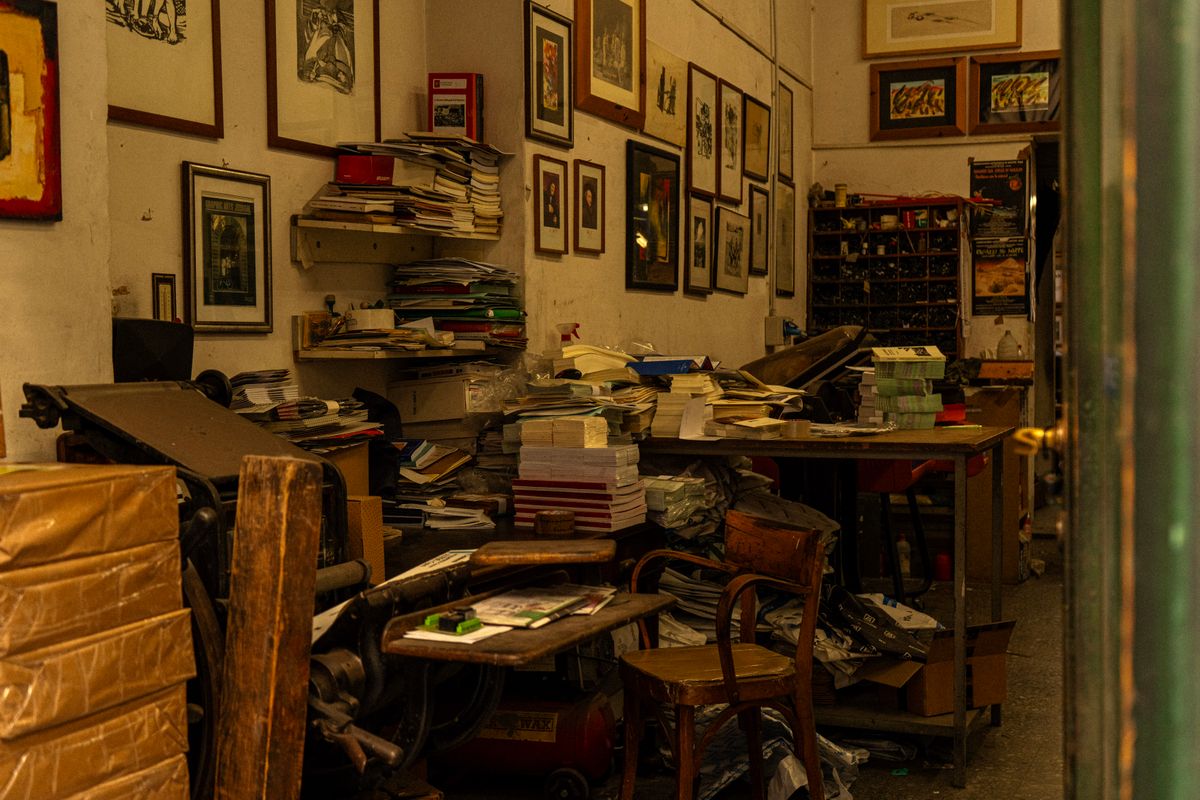
The “other side of the Arno”—the south bank of the river. This is where many Florentines live and where the city’s most authentic neighborhood character survives.
Character (Santo Spirito)
Bohemian-artisan with strong evening life. The piazza is a social hub with cafes, restaurants, and weekend markets. Brunelleschi’s Santo Spirito basilica anchors it. Romantic in evenings, lively but not overcrowded.
Character (San Frediano)
The hipper, less touristy western Oltrarno. Home to artisan workshops and small bars and restaurants. Featured in Lonely Planet’s “Best Neighborhoods in the World” lists multiple times.
What’s Here
- Pitti Palace and Boboli Gardens
- Santo Spirito basilica (Brunelleschi)
- Santa Maria del Carmine and Brancacci Chapel (Masaccio frescoes)
- Artisan workshops (paper, leather, ceramics, gold)
- Mad Souls & Spirits cocktail bar
- Rasputin speakeasy
- Best of Florence’s evening atmosphere
Where to Stay
Boutique hotels and apartment rentals. Palazzo Magnani Feroni (luxury), Hotel Palazzo Guadagni (Piazza Santo Spirito, mid-range), Hotel Lungarno (luxury Arno-side). €150-€500/night. Excellent for repeat visitors and travelers seeking authenticity.
San Niccolò
The eastern Oltrarno neighborhood at the foot of the hills leading to Piazzale Michelangelo and San Miniato al Monte.
Character
Quieter, more residential. Beautiful narrow streets and pre-WWII palazzi. The hike up to Piazzale Michelangelo starts here. Some good restaurants and a relaxed local atmosphere.
What’s Here
- Porta San Niccolò (medieval city gate)
- Trail up to Piazzale Michelangelo and San Miniato al Monte
- Quieter restaurants and trattorias
- Some artisan workshops
Outside the Historic Center
Bellosguardo Hill
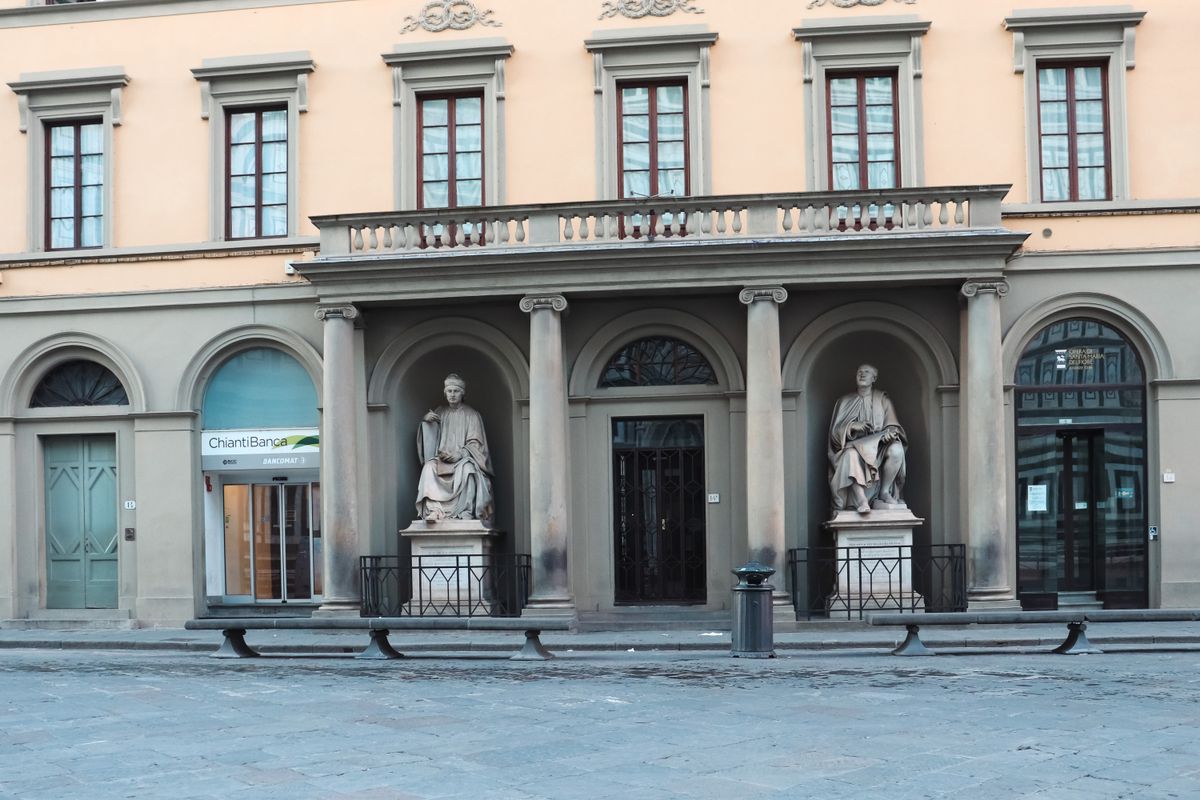
Residential hilltop area south-west of the historic center. Stunning views, very quiet, requires car or taxi for access. Several boutique hotels and B&Bs (Villa Bardini, Villa Belvedere). Best for travelers wanting a “country-in-the-city” feel.
Cascine Park Area
Western edge along the Arno. Includes the Maggio Musicale opera house. Less central but more affordable; some travelers stay here for the larger park access and quieter setting.
Rifredi (Northern Suburb)
Working-class neighborhood north of the historic center, near the major hospital and outlets. Affordable hotels and authentic local restaurants. Tram line connects to the center. Best for budget travelers willing to commute.
Coverciano and Eastern Suburbs
Florence’s eastern outskirts. Quieter residential areas with affordable Airbnbs and B&Bs for travelers wanting a more local experience. Bus connections to historic center.
How to Choose Your Florence Neighborhood
- First-time visitor with limited time: Centro Storico (Duomo area). Pay the premium for convenience.
- First-time visitor on a budget: Santa Maria Novella or San Lorenzo. Walking distance to attractions.
- Foodies focused on Tuscan cuisine: Santa Croce or Sant’Ambrogio area. Best dining concentration.
- Authentic Italian experience: Oltrarno (Santo Spirito or San Frediano). Most local feel.
- Repeat visitors: Oltrarno definitely. Discover the artisan culture and evening life.
- Romantic stays/honeymoons: Lungarno (riverside) hotels or Bellosguardo Hill villas.
- Family with kids: Centro Storico for proximity to attractions; Oltrarno for parks and quieter atmosphere.
- Solo travelers: Anywhere in Centro Storico or Oltrarno; both are safe and well-connected.
- Business travelers: Santa Maria Novella for train access.
Walking Distances Between Neighborhoods
- Duomo to Ponte Vecchio: a short walk
- Duomo to Santa Croce: a short walk
- Duomo to San Lorenzo: a few minutes on foot
- Duomo to Santa Maria Novella station: a short walk
- Ponte Vecchio to Pitti Palace: a short walk across the river
- Pitti Palace to Santo Spirito: a few minutes on foot
- Santo Spirito to San Frediano: a short walk
- San Niccolò to Piazzale Michelangelo: a steady climb uphill
Between the historic center and Oltrarno, you can walk anywhere within an hour. Florence’s compact size is one of its best features.
Frequently Asked Questions
Where should I stay in Florence for the first time?
Centro Storico (the historic center around the Duomo) for first-time visitors. You’re walking distance to all major attractions. Costs more (€250-500/night for mid-range), but the convenience justifies it for a 3-4 day visit.
What’s the best Florence neighborhood for foodies?
Santa Croce for traditional Tuscan trattorias and the Sant’Ambrogio market. Mercato Centrale (San Lorenzo area) for the food court. Oltrarno for the dining-with-locals experience. The Centro Storico has fancy restaurants but Santa Croce has the deeper traditional food culture.
Is Oltrarno safe for tourists?
Yes, very safe. Oltrarno is mostly residential with a strong local community presence. It’s quieter than the Centro Storico but completely walkable day or night. Some streets are narrow and dimly lit, so use main routes after dark.
How are Florence neighborhoods connected?
By walking primarily. The historic center plus Oltrarno is small enough to cross on foot. Autolinee Toscane (AT, formerly ATAF) buses and trams connect outlying areas. The Arno River separates Centro Storico (north) from Oltrarno (south); several bridges, including Ponte Vecchio and Ponte Santa Trinita, cross between them.
What’s the difference between Santa Croce and Oltrarno?
Both lively with strong dining scenes, but on opposite sides of the river. Santa Croce is more central, more touristy, with the famous basilica and Sant’Ambrogio market. Oltrarno is more authentically local, with Pitti Palace, artisan workshops, and the bohemian Piazza Santo Spirito atmosphere.
Where do Florentines live?
Many residents have moved out of the saturated Centro Storico. Active local neighborhoods include Oltrarno (Santo Spirito and San Frediano), San Niccolò, and the suburbs (Rifredi, Coverciano). The Centro Storico is increasingly populated by short-term rentals and luxury residences.
Is San Frediano touristy?
Less so than Centro Storico, but tourism has grown. San Frediano was named one of the world’s coolest neighborhoods by Lonely Planet in 2017, attracting attention. It still feels more local than the historic center but has gentrified with new restaurants and bars.
Can I stay outside the historic center and still see everything?
Yes. Florence’s historic center is small enough that staying in Oltrarno, San Lorenzo, or even outer Santa Maria Novella areas gives easy walking access to all major attractions. Hotels in outlying neighborhoods are often cheaper than Centro Storico rates.
Where do I find authentic Florentine restaurants?
Oltrarno (Santo Spirito and San Frediano) has the most authentic local restaurants. Sant’Ambrogio (Santa Croce area) and the streets around San Lorenzo also have excellent traditional places. Avoid restaurants directly on the main tourist piazzas (especially around the Duomo) for traditional cuisine.