This article contains advertising. Booking links on this site can be turned into paid links automatically by our partner Travelpayouts: if you book through one, we earn a commission from the provider, at no extra cost to you. It never affects what we recommend. Affiliate disclosure
Florence to Naples by Train: Times, Fares & Which Service
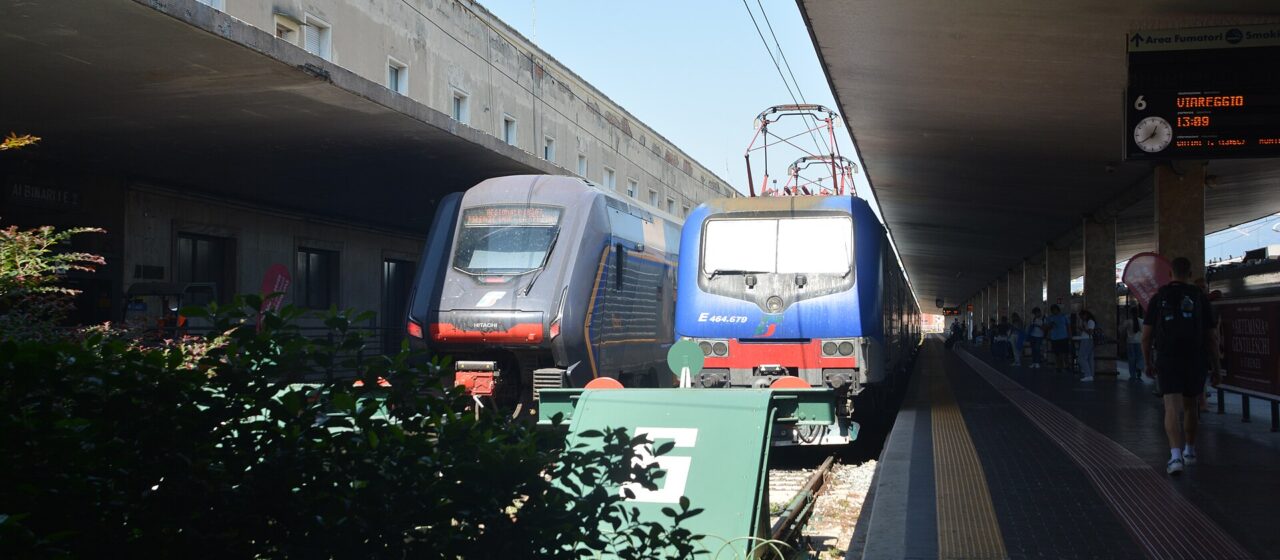
The Florence to Naples train is one of the great conveniences of travelling in Italy: you board at Santa Maria Novella in the morning, sit down, and step out into Piazza Garibaldi about three hours later, with Rome flashing past somewhere in the middle. Two companies run the route, Trenitalia with its Frecciarossa and the private operator Italo, and between them there are dozens of direct trains a day. The journey is easy. The price is not: the same seat on the same train can cost more than twice as much depending on when you buy it. This guide covers both operators, what each fare actually buys you, and how not to pay €76 for a ticket you could have had for €29.90.
This is the southbound leg of the classic Italian rail route. For the stretch between Rome and here, see our guide to Rome to Florence by train, and for the station you leave from, our Florence train station guide.
The Short Version
- Direct high-speed trains run all day from Firenze Santa Maria Novella to Napoli Centrale. On a November weekday Trenitalia’s timetable has 25 direct Frecciarossa services, from 06:00 to 20:48, and Italo runs about twenty more.
- The fastest Frecciarossa trains take 2 hours 59 minutes; most take a little over three hours. Italo’s own timetable shows its trains taking roughly 3 hours 10 to 3 hours 50.
- Book three weeks or more ahead and the cheapest Standard fares on a Frecciarossa were €29.90 for a November weekday. Leave it until the week before and the same train started at €58.90. The fully flexible fare is €76.
- Standard class is perfectly comfortable for three hours. Pay for Business if you want space; skip Executive unless someone else is paying.
- Check that your ticket says Napoli Centrale, not Napoli Afragola, which is a separate station outside the city.
Either operator will get you there in comfort. The choice between them comes down to which has the cheaper seat at the time you want, and the honest answer is to look at both on the same screen before you buy.
Frecciarossa vs Italo
| Trenitalia Frecciarossa | Italo | |
|---|---|---|
| Direct trains a day | 25 on a November weekday | About 20 (Italo lists 21 daily on its route page) |
| Journey | 2h59 fastest, most 3h00–3h05 | About 3h10–3h50 in Italo’s October timetable |
| Florence station | Santa Maria Novella | Santa Maria Novella |
| Naples station | Napoli Centrale | Napoli Centrale |
| Classes | Standard, Premium, Business, Executive | Smart, Prima Business, Club Executive |
| Cheapest fares | FrecciaDAYS and Super Economy, if bought early | “From €23.90” on Italo’s route page |
| Flexible fare | Base: €76 in Standard | Flex; check the price for your date |
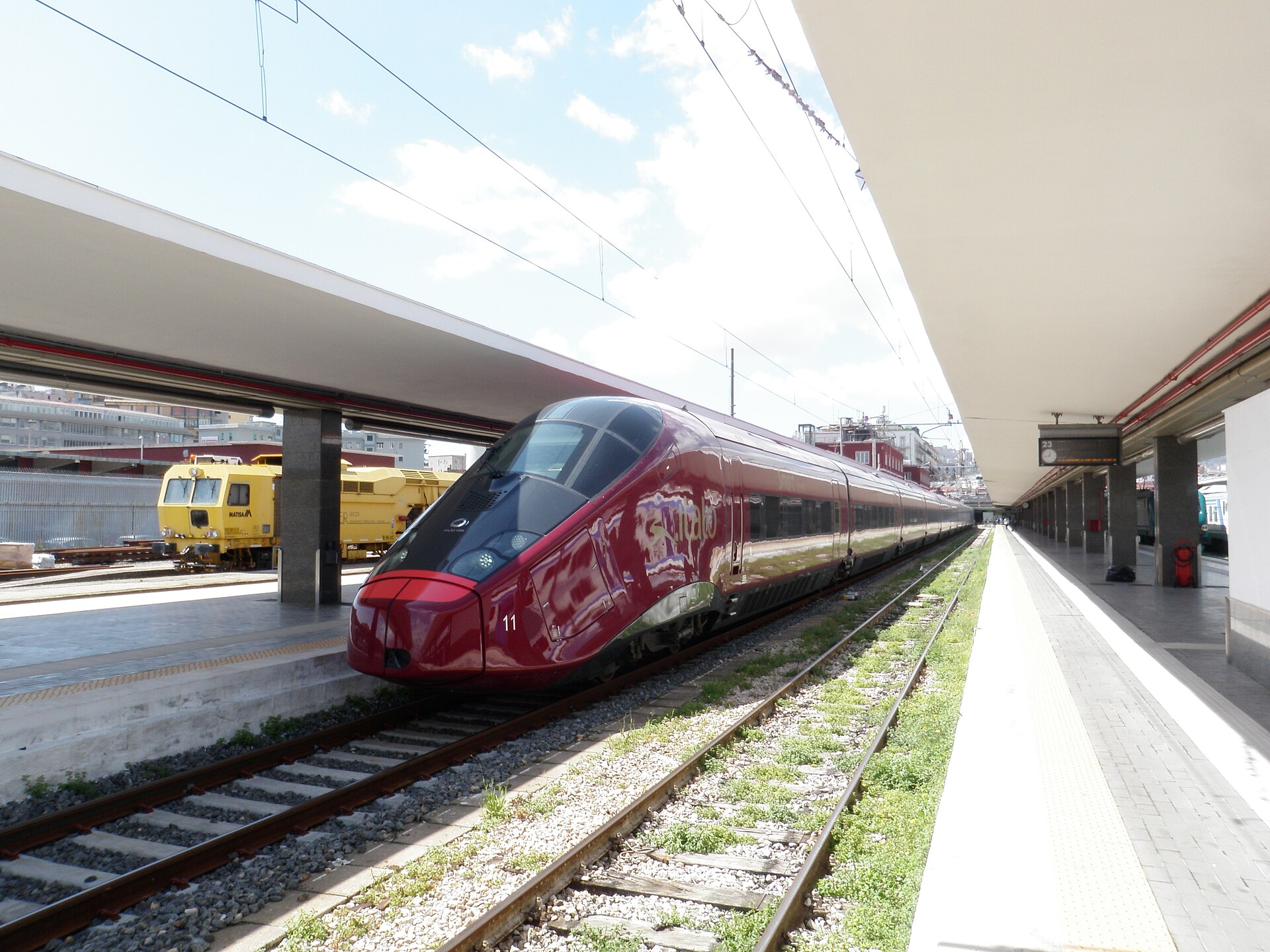
On the trains themselves there is less between them than either company’s marketing suggests. Both are modern and fast, with reclining seats, power sockets and free Wi-Fi. The Frecciarossa has the edge on frequency and on the very fastest timings. Italo’s advertised starting fare is lower. The only reliable way to choose is to compare actual prices for your date.
Times and Frequency
Every direct train runs south through Rome, and the number of stops it makes on the way is most of the difference between a three-hour run and a slower one. Here is the Frecciarossa timetable for a typical November weekday:
| Morning | Middle of the day | Afternoon and evening |
|---|---|---|
| 06:00, 07:14, 08:48, 09:14, 09:48, 10:14, 10:48, 10:59, 11:14, 11:59 | 12:14, 12:48, 13:14, 14:14, 15:14, 15:48 | 16:14, 16:48, 17:48, 18:14, 18:33, 18:48, 18:59, 19:14, 20:48 |
The pattern is easy to remember: through most of the day there is a departure at fourteen minutes past the hour, which is usually the fastest at 2 hours 59, and another at forty-eight minutes past, at almost exactly three hours. Fill in the gaps with the others and you rarely wait more than an hour.
Running times vary a little from week to week as engineering works come and go. The same trains were timed between 3 hours 4 and 3 hours 28 minutes on 20 October 2026, for example. Check your own date in the Trenitalia or Italo app rather than assuming the fastest timing.
Is a day trip to Naples from Florence realistic?
Technically yes: the 06:00 gets you to Naples by about a quarter past nine. In practice six hours on trains for an afternoon in Naples is a poor trade. Naples deserves at least two nights, and with Pompeii and the coast nearby most people want more. Treat this as a one-way journey with a stay at the end of it.
Trenitalia Fares, Explained With Real Prices
Trenitalia sells each Frecciarossa seat at several price levels at once, and the cheap ones run out. Here is what the fare grid showed in mid-October 2026 for one train, the 09:14 Frecciarossa from Florence to Naples on Tuesday 10 November, three and a half weeks ahead:
| Fare | Price | What you give up |
|---|---|---|
| Base | €76.00 | Nothing: unlimited changes before departure; refundable with a deduction |
| Economy | €58.90 | No refund; a change before departure is allowed; limited seats |
| Super Economy | €35.90 | No refund unless you add the tiRimborso option |
| FrecciaDAYS | €29.90 | No changes, no refund; on sale only until 21 days before travel |
| FrecciaYOUNG (under 30) | €29.00 | Needs free CartaFreccia membership; on sale until the 11th day before |
| FrecciaSENIOR (60 and over) | €39.00 | Needs CartaFreccia; on sale until the 11th day before |
Now the same train, booked five days ahead for Tuesday 20 October: Base €76, Economy €58.90, and nothing cheaper on offer. The flexible fare does not move; the discounts disappear. That is the whole fare strategy in two sentences.
The higher classes on the 10 November train followed the same pattern. The Base fare was €93 in Premium, €114 in Business and €225 in Executive, with discounted levels well below that for the early bird: Business FrecciaDAYS was €45.90, cheaper than a last-minute Standard ticket.
The rule of thumb: once your dates are fixed, book. If your plans might change, Economy is usually the best compromise: it keeps a change before departure, costs less than Base, and the difference over the cheapest fares is the price of flexibility. FrecciaDAYS is the cheapest headline fare, but it cannot be changed at all, so buy it only for a journey you are certain of.
Children
On Trenitalia’s national trains, children under 4 travel free if they do not take a seat (or at 50% off with one), and children from 4 to under 15 pay half the Base fare. Trenitalia also runs a FrecciaFAMILY offer on the Frecce; check its current conditions when you book, because for a family it can beat the standard child discount.
How far ahead to book
The cheapest levels on popular trains can sell out well before the 21-day FrecciaDAYS cut-off. For travel around Easter, in summer or over a bank-holiday weekend, look as soon as your dates are firm; check each operator’s app for how far ahead sales are open for your date.
Italo Fares and Classes
Italo works the same way in principle, with a fully flexible Flex fare at the top and cheaper, more restricted fares below it that sell out as the date approaches. Its route page for Florence–Naples advertises fares from €23.90; as with any “from” price, that is the lowest it sells, not what you will pay on a Friday afternoon. Check the fare conditions on Italo’s booking page before you pay, especially whether changes and refunds are allowed.
Italo has three classes:
- Smart — the standard class: reclining leather seats with power outlets, free Wi-Fi, and vending machines in a snack area. One catch: luggage larger than 75 × 53 × 30 cm is not allowed in Smart, so a big suitcase means booking Prima.
- Prima Business — wide leather seats with extra legroom, snacks and drinks brought to your seat, fast-track entry at the station, and no restriction on large luggage.
- Club Executive — the top class, with access to Italo’s station lounges, fast track and catering on board; it includes a four-seat enclosed compartment, the Salotto.
Italo’s discount schemes broadly mirror Trenitalia’s: children under 36 months travel free, and a Family offer lets under-14s travel free with an adult. Italo also sells Young and Senior fares. Conditions change, so read them on Italo’s own site at the time of booking.
Which Class Is Worth It
For a three-hour journey, the honest answer for most people is Standard on the Frecciarossa or Smart on Italo. The seats recline, there is power at your seat and the trains are smooth and quiet. You are not crossing a continent.
- Premium (Frecciarossa) buys leather seats and a snack on boarding. Worth a modest extra, not more.
- Business (Frecciarossa) is where you get real space: single and double seats, more than a metre apart. If you can buy it at a discounted level, it is a good-value upgrade. The Area Silenzio version bans mobile phone use, which some will find worth paying for in itself.
- Executive (Frecciarossa) is eight big single seats with leg rests and table service, at €225 Base on our sample train. For three hours, that is a lot of money for a nice chair.
- Prima Business (Italo) is the sensible upgrade on Italo, and the one to book if you have big luggage.
Seats, Luggage and the Journey Itself
Both operators assign you a seat when you book, and you can usually choose it. A few things worth knowing:
- The Frecciarossa café car is usually coach 5, on some trains coach 3. The seat map in the app shows where it is. If you want to wander for a coffee, sit near it; if you want quiet, sit well away from it.
- Luggage goes overhead or in the racks at the ends of each coach. On Italo the overhead racks take bags up to 53 cm high and 42 cm deep; Italo allows any number of items free, but in Smart nothing larger than 75 × 53 × 30 cm. On either operator, board early with a big case so you can claim rack space near your seat.
- Window or aisle? At full speed much of the countryside is a blur, and the high-speed line spends a fair amount of time in cuttings. Choose a window if you like watching Italy go past anyway, an aisle if you plan to work.
- Tables of four suit families and groups; solo travellers usually prefer the paired seats.
Keep your ticket on your phone in the operator’s app; it will be checked on board. And if there is a rail strike listed for your travel day, look at the operator’s strike notice: some long-distance trains are guaranteed to run during strikes, and the operator lists which.
Arriving in Naples
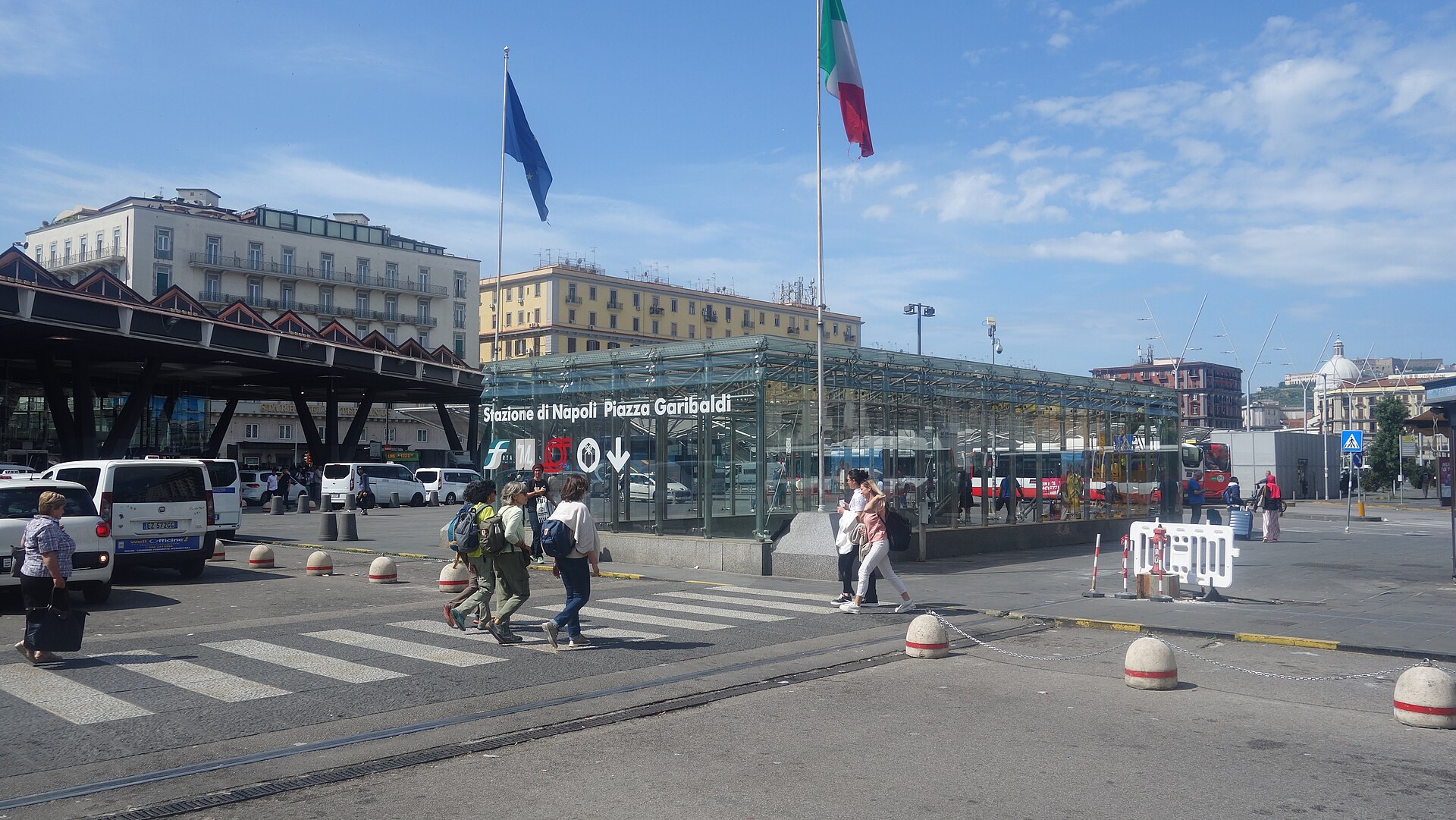
Your train arrives at Napoli Centrale, the city’s main station, on Piazza Garibaldi on the eastern edge of the historic centre. It is big and busy, and the square outside can feel chaotic on a first arrival. Keep your bags close, use the official taxi rank, and do not accept offers of help from strangers with your luggage.
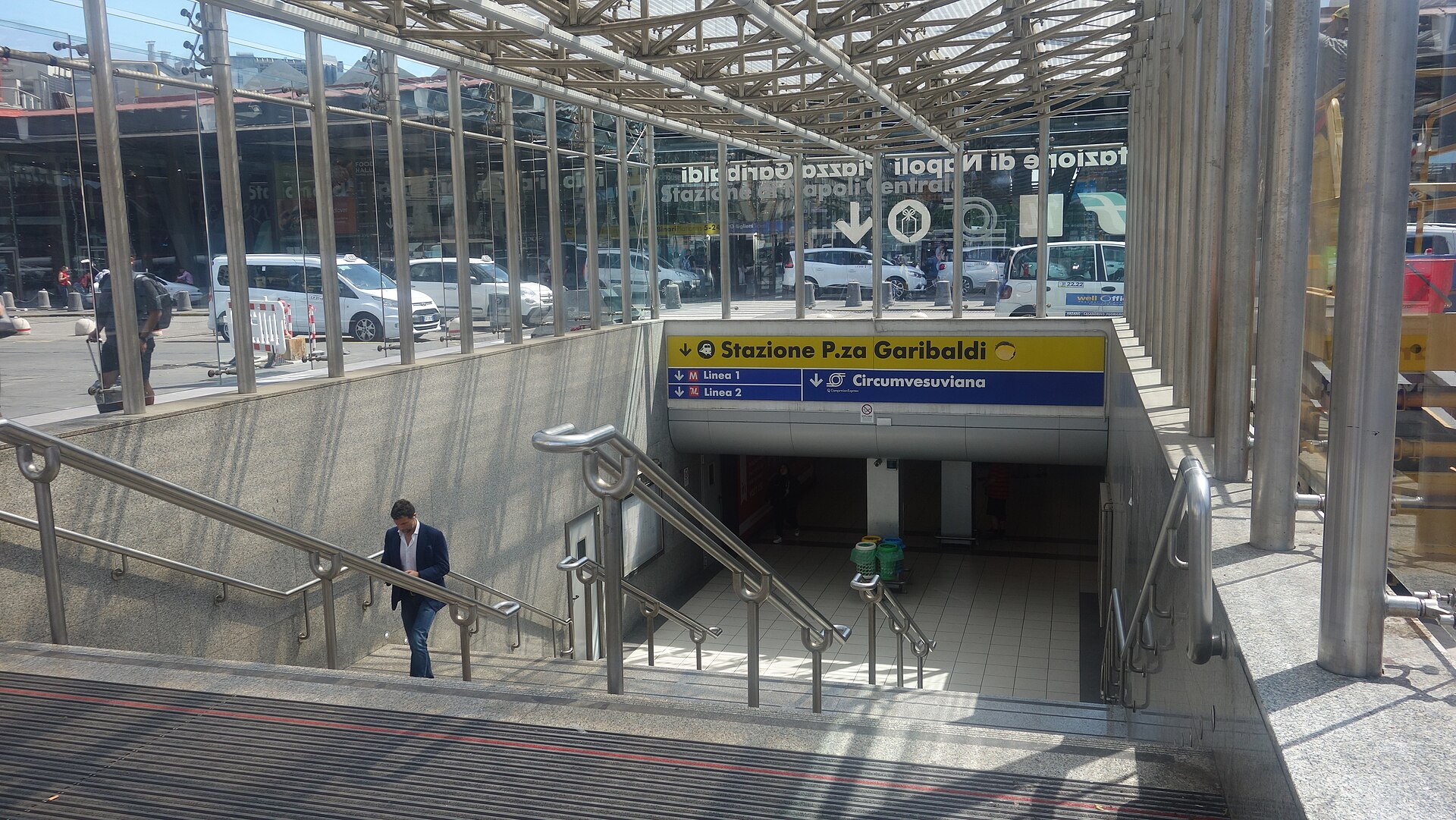
Underneath Centrale is a separate station, Napoli Piazza Garibaldi, with the city’s metro and suburban lines. Signs in the concourse also point to the Circumvesuviana, the regional railway run by EAV for Herculaneum, Pompeii and Sorrento. If Naples is just the change for Pompeii or the coast, that is where you are going next; check EAV’s own timetable for your connection.
Napoli Afragola: not the stop you want
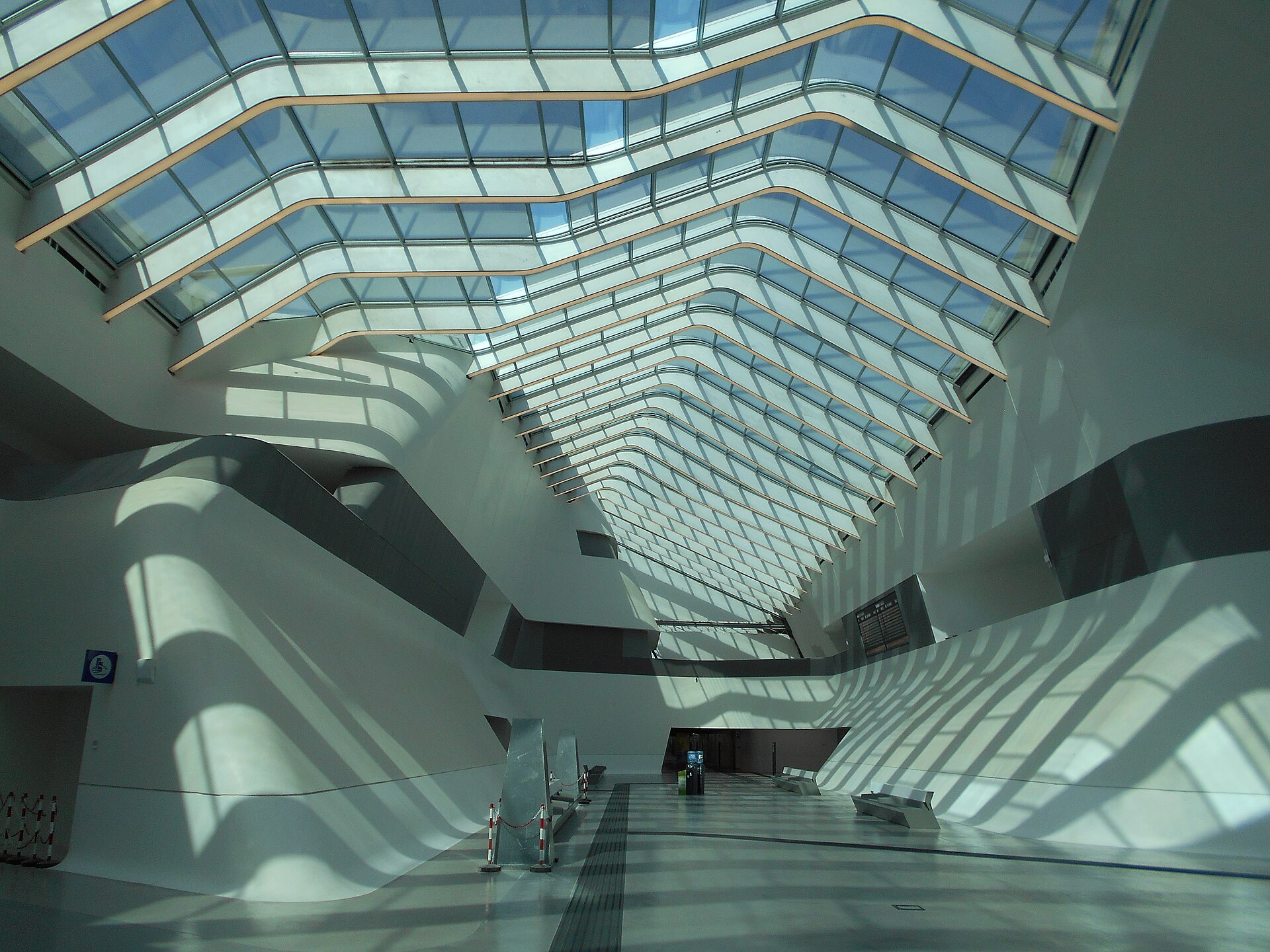
Some high-speed trains also call at Napoli Afragola, a striking station designed by Zaha Hadid that opened in 2017 on the high-speed line about 12 kilometres north of the city. It is a useful interchange for parts of Campania, but it is not in Naples. If your ticket ends there by mistake, you are a long way from your hotel. Always check that the arrival station reads Napoli Centrale.
Going on to the coast
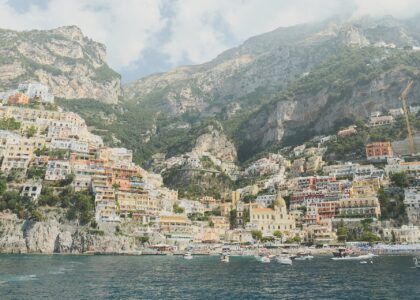
For Sorrento and Pompeii, the Circumvesuviana from Piazza Garibaldi is the cheap route. For Positano and Amalfi, the choice is between the Circumvesuviana to Sorrento and a bus or ferry, or carrying on by train to Salerno and taking the ferry from there.
Our guide to getting from Florence to the Amalfi Coast compares those routes in detail.
Frequently Asked Questions
How long is the train from Florence to Naples?
The fastest direct Frecciarossa trains take 2 hours 59 minutes from Firenze Santa Maria Novella to Napoli Centrale, and most take a little over three hours. Italo’s own timetable shows its direct trains taking roughly 3 hours 10 to 3 hours 50. All direct trains run via Rome.
How much is the Florence to Naples train?
On Trenitalia’s Frecciarossa, the fully flexible Base fare in Standard is €76. Booked three or more weeks ahead, discounted fares started at €29.90 for a November 2026 weekday; booked five days ahead, the cheapest was €58.90. Italo advertises fares from €23.90 on the route. Prices are dynamic, so compare both operators for your date.
Is Italo or Frecciarossa better from Florence to Naples?
Neither is clearly better. The Frecciarossa runs more direct trains and has the fastest timings; Italo advertises a lower starting fare and its trains are just as comfortable. Compare the actual fares for your train and choose on price and departure time. If you have a large suitcase, note that Italo’s Smart class does not allow luggage over 75 × 53 × 30 cm.
Do I need to book the Florence to Naples train in advance?
Not to get on a train, but to get a good price. High-speed trains have assigned seats, but the cheap fares go first. FrecciaDAYS fares are only sold until 21 days before travel, and FrecciaYOUNG and FrecciaSENIOR until the 11th day before.
Which station in Naples should I travel to?
Napoli Centrale, on Piazza Garibaldi, for almost everyone. It is the main station, with the metro and the Circumvesuviana to Pompeii and Sorrento underneath it. Avoid Napoli Afragola unless you specifically need it: it is on the high-speed line about 12 kilometres north of the city.
Keep Reading
- Rome to Florence by train — the northern half of the same line.
- Florence train station guide — Santa Maria Novella before you leave.
- Ten days in Italy — Florence, Venice and Rome in one trip.
- Florence transportation guide — every other way in and out.