This article contains advertising. Booking links on this site can be turned into paid links automatically by our partner Travelpayouts: if you book through one, we earn a commission from the provider, at no extra cost to you. It never affects what we recommend. Affiliate disclosure
Livorno Cruise Port to Florence: A Shore Day That Works
Getting from Livorno to Florence and back between breakfast and all-aboard is perfectly doable, and thousands of cruise passengers do it on their own every season. It is also the shore day that goes wrong most often, because the ship docks in Livorno, not Florence, and the city everyone actually came for sits more than an hour inland. The good news is that the train is direct, cheap and frequent. The bad news is that the clock starts the moment you walk down the gangway, and nobody on the ship is going to wait for a regional train that ran twenty minutes late. This is the plan that works, with the timings that make it work.
Arriving by sea is one of several ways into the city. Our Florence transportation guide covers the rest, and the Florence train station guide explains Santa Maria Novella, which is where this journey ends.
The Short Version
For an independent passenger on a normal call of nine or ten hours, the train is the right answer. Take the port shuttle into Livorno, get yourself to Livorno Centrale station, and catch a direct regional train to Firenze Santa Maria Novella. The fastest direct services take about an hour and twelve minutes, most of the others about an hour and twenty, and a standard single costs €11.40 (Trenitalia’s fare for this route in autumn 2026). There is roughly one direct train an hour each way through the day, and on weekdays often two.
That leaves you somewhere between four and five hours in Florence, which is enough for the cathedral square, one booked museum or a long walk to the river, and lunch. It is not enough for the Uffizi and the Accademia and the dome climb, and pretending otherwise is how people end up sprinting along a platform at four in the afternoon.
Book the ship’s excursion instead if your call is short (under eight hours alongside), if anyone in your party walks slowly, or if the idea of a missed connection would spoil the whole day for you. You pay a great deal more for it, but the ship waits for its own coaches and it does not wait for you.
And take a private driver if there are four of you and you would rather spend the money than the nerves. Split four ways, it can look less extravagant than it first sounds.
Your Four Options, Compared
| Option | Journey each way | Cost | Time in Florence | Main risk |
|---|---|---|---|---|
| Shuttle + train | About 1h12–1h21 on the train, plus the port and station legs | €11.40 each way per person, plus the shuttle and a taxi or bus to the station | Roughly 4–5 hours on a typical call | Delays and strikes are your problem |
| Ship’s coach transfer (“Florence on your own”) | Door to coach park, traffic permitting | Set by the cruise line, and much higher | Fixed by the coach timetable | Coach park on the edge of the centre; little flexibility |
| Ship’s guided tour | As above | Highest | Short, guided, in a group | Very little free time |
| Private driver | Door to door, traffic permitting | A fixed quote, agreed in advance | Whatever you negotiate | Motorway traffic; driver must wait legally outside the ZTL |
The column that matters most is the last one. On the train, every risk is yours. On the ship’s own excursion, the cruise line carries it. Everything else in this guide is about how to shrink the risk on the train until it is smaller than the price difference.
Getting Off the Ship and Out of the Port
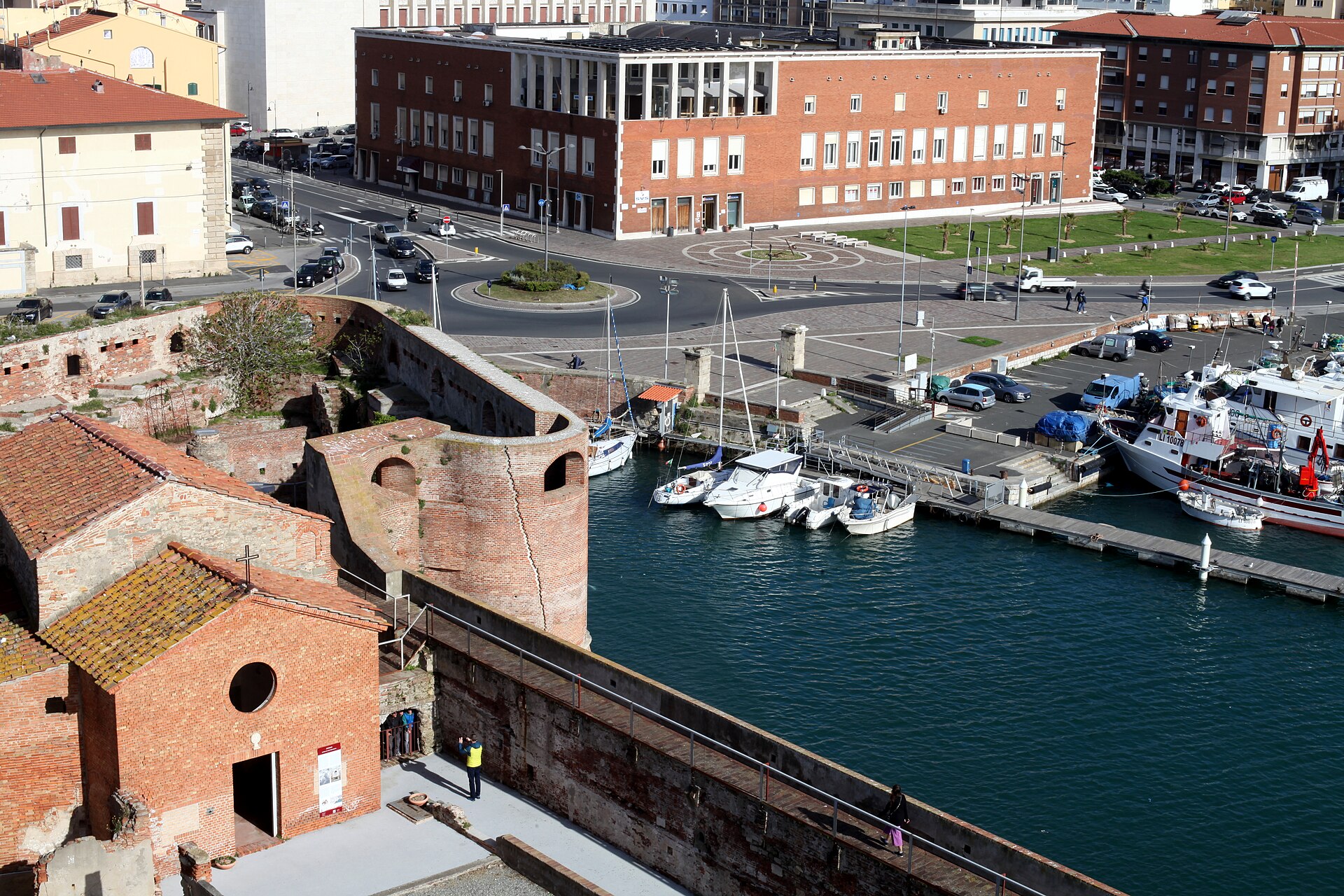
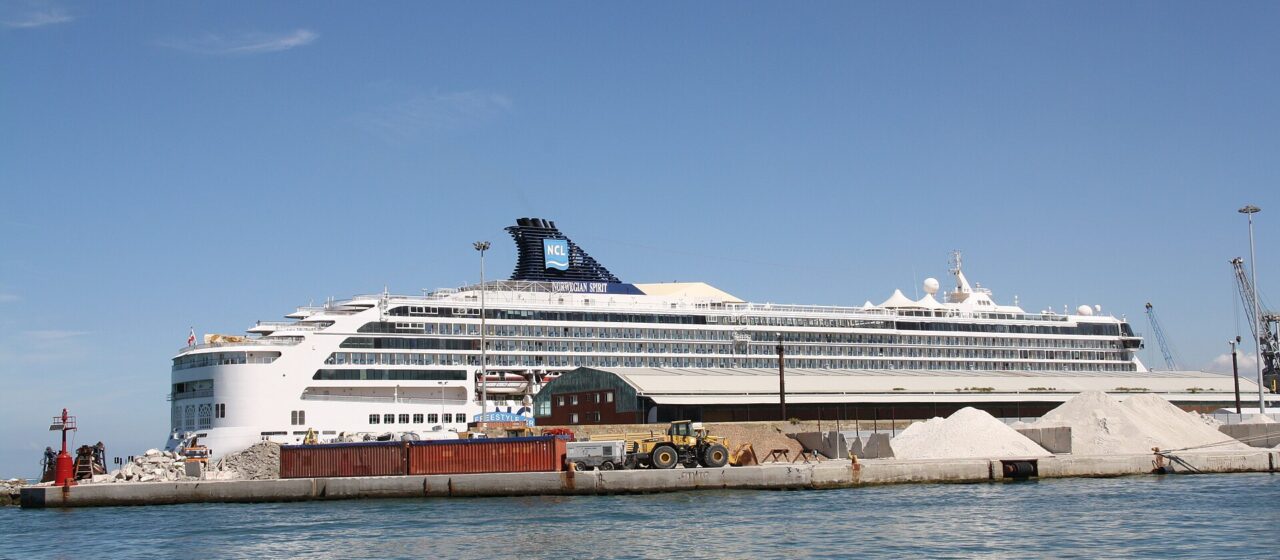
Livorno is a working port first and a cruise port second, and it feels like it. The cruise terminals are run by Porto di Livorno 2000, which puts information points next to the ship. Its berths can take cruise ships of more than 300 metres.
You cannot simply walk out of the port into town. It is a secure commercial area, and the route out is the shuttle bus that Porto di Livorno 2000 runs to the town centre for the whole time the ship is in port. Check in your daily programme whether the fare is included, and where the drop-off point is or at the information point by the gangway. Note where the shuttle drops you, because you will need to find the same stop again on the way back.
Before you leave the ship: photograph the page of the daily programme that gives the all-aboard time, the shuttle stop and the port agent’s phone number. If anything goes wrong in Florence, the port agent is the person who can actually help, and you will not have the paper with you.
From the shuttle stop to Livorno Centrale
The shuttle drops you in the centre of Livorno, not at the railway station. Livorno Centrale is on the inland side of the city, far enough away that walking it on a timed day is a false economy. You have two sensible choices:
- A taxi from the rank near the shuttle stop. It is a short ride, it is the quickest way, and if there are three or four of you the cost per head is trivial. Ask the fare before you get in.
- A city bus. Livorno’s urban buses are run by Autolinee Toscane, and several lines link the centre and the station. Check the route in the Autolinee Toscane journey planner the night before, and buy the ticket before boarding.
Budget forty-five minutes to an hour from walking off the ship to standing on the platform at Livorno Centrale. On a big ship disembarking several thousand people at once, the first shuttles fill quickly and that budget can stretch. This is the leg nobody plans for, and it is the reason the 08:49 train is more realistic than the 07:16 for most people.
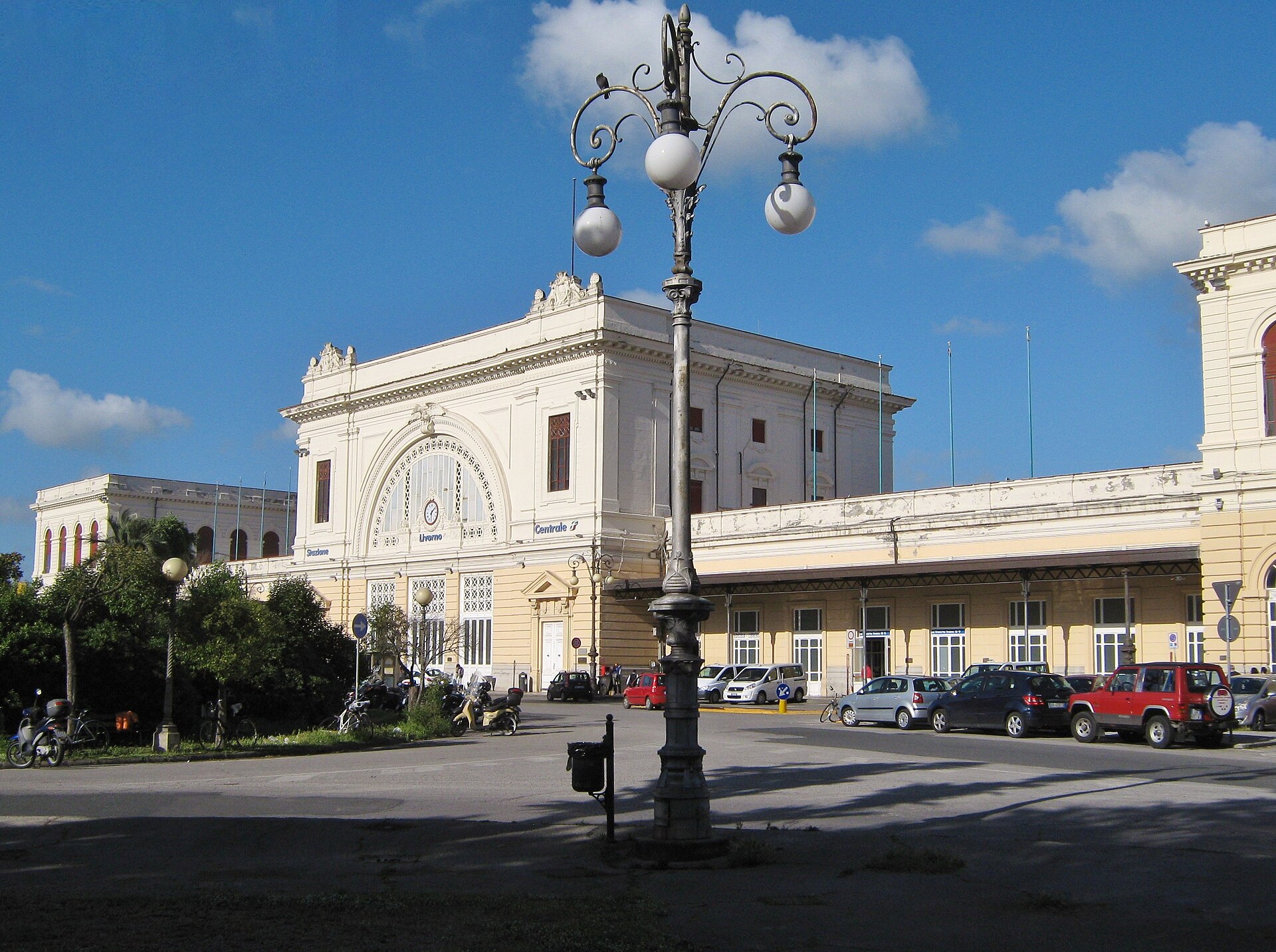
The Train: Livorno Centrale to Santa Maria Novella
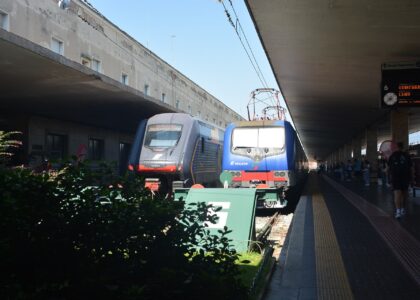
This is the easy part, and it is genuinely good. The line runs from Livorno up to Pisa and then east along the Arno valley to Florence, and through most of the day there is a direct regional train that does the whole journey without a change.
Times and frequency
On a weekday in autumn 2026, Trenitalia’s timetable shows a direct regionale veloce leaving Livorno Centrale at twelve minutes past most hours and taking about 1 hour 21 minutes, plus several departures at forty-nine minutes past that take about 1 hour 12. A typical morning looks like this:
| Depart Livorno | Arrive Florence | Journey | Train |
|---|---|---|---|
| 07:16 | 08:38 | 1h22 | Regionale veloce, direct |
| 08:12 | 09:33 | 1h21 | Regionale veloce, direct |
| 08:49 | 10:01 | 1h12 | Regionale veloce, direct |
| 09:12 | 10:33 | 1h21 | Regionale veloce, direct |
| 10:12 | 11:33 | 1h21 | Regionale veloce, direct |
Coming back, the direct trains on the same weekday leave Florence at twenty-eight minutes past most hours (about 1 hour 20) and, through the afternoon, on the hour as well (about 1 hour 11). So 15:00, 15:28, 16:28 and 17:00 are the trains most cruise passengers will be choosing between.
Timetables change, and weekends and holidays run a thinner service, particularly on Sunday mornings. Check your exact trains in the Trenitalia app the day before, for the date of your call. Planned engineering works can alter some Livorno–Florence regional times, which is a reminder that a timetable you found weeks ago may not be the one running on the day.
Fares and tickets
A standard single on a regional train between Livorno Centrale and Firenze S.M.N. is €11.40. Regional fares on this route are fixed rather than dynamic, so there is no advantage in booking weeks ahead, and no penalty for buying on the morning.
The simplest way is to buy in the Trenitalia app and keep the ticket on your phone. There are machines in the station hall if you prefer paper. If the planner offers a route with a change at Pisa onto an Intercity or a Frecciarossa, it will cost more and usually take longer; the direct regional trains are both the cheapest and, door to door, the quickest option on this line.
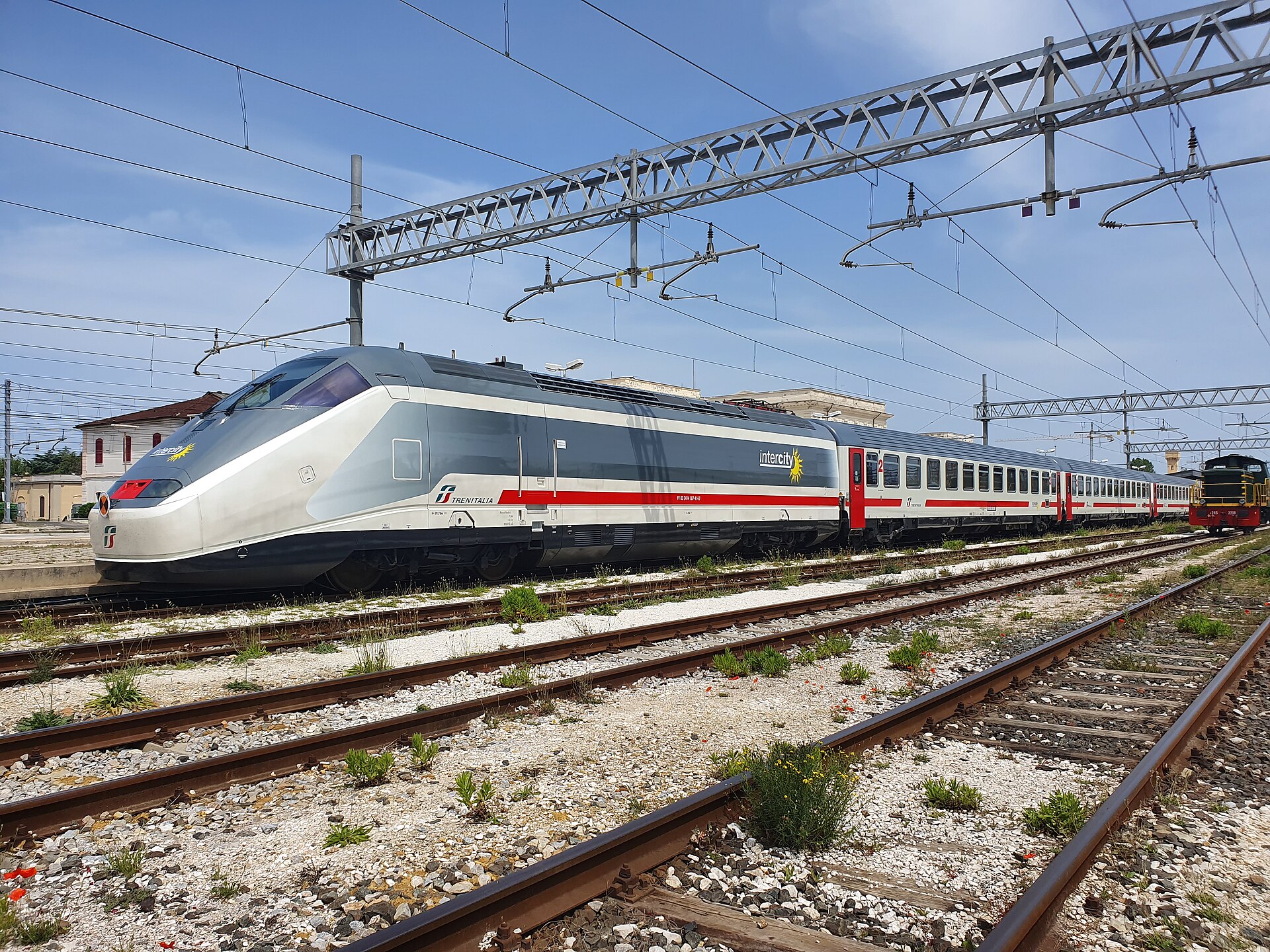
Where you arrive
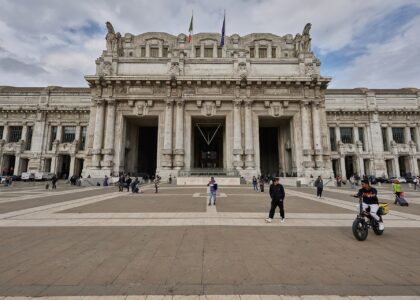
Firenze Santa Maria Novella is right in the centre of Florence. The basilica it is named after is across the road, and the Duomo is a short walk down Via dei Panzani and Via de’ Cerretani. Nothing else in this journey needs a vehicle. Our Florence train station guide covers the station itself, including left luggage and which exit to use.
The Ship’s Own Excursion
Big lines calling at Livorno typically sell two kinds of Florence trip: a fully guided tour, and a coach transfer sold under some version of “Florence on your own”, where the coach drops you in Florence, you spend a few hours as you like, and you meet it again at a fixed time.
The transfer is the one worth thinking about, because it does almost exactly what the train does at several times the price, with one very valuable difference: it is the cruise line’s problem if it is late. Check your line’s terms, but the usual arrangement is that the ship waits for its own excursions. If a coach is stuck in traffic on the motorway, departure is delayed. If your regional train is cancelled, the ship sails.
Against that, read the small print on where the coach parks. Tour coaches are kept out of Florence’s historic centre, so the drop-off is on the edge of it, and the walk in and back out eats into the time you are paying for. The meeting time is also usually earlier than you would choose for yourself, because the line builds in its own margin.
The fully guided version is worth it only if you genuinely want a guide and do not mind moving at the pace of a group of forty. For most people, a few hours of their own time in Florence beats a guided march past the outside of the Duomo, the Signoria and the Ponte Vecchio.
Private Driver or Taxi
A private car is the third route, and for a group of four it deserves a proper look. The driver meets you at the ship, takes the coast road and the dual carriageway to Florence, drops you as close to the centre as the rules allow, and brings you back to the gangway.
Three things to settle before you book:
- A fixed price, in writing, covering the round trip, waiting time and the number of passengers. A taxi from the rank at the port on the meter, for a day out to Florence, is the expensive way to do this.
- Where the drop-off actually is. Florence’s ZTL limited-traffic zone keeps unauthorised cars out of the centre. Licensed hire cars can usually get closer than tour coaches, but ask exactly where you will be set down and picked up.
- Who is responsible if the motorway jams. A good operator will build in a margin and tell you when you need to be back at the car. Treat that time as non-negotiable.
The honest weakness is the road itself. On a clear day the drive is comparable to the train; on a bad one the motorway around Florence turns slow and the train does not. If you go by car, do not shave the return.
A Timed Plan for a Typical Call
Assume the ship is alongside from 08:00 to 19:00, with all-aboard at 18:30. That is a common shape for Livorno. Adjust everything below to your own times, and use your own train times from the Trenitalia app.
| Time | What you are doing |
|---|---|
| 08:00–08:15 | Off the ship as early as you are allowed. Shuttle to town. |
| 08:15–08:40 | Taxi or bus from the shuttle stop to Livorno Centrale. Buy tickets in the app. |
| 08:49 | Direct train to Florence (arrives 10:01). |
| 10:01–14:45 | Florence. Just under five hours: see below for what to do with them. |
| 15:00 | Direct train back (arrives Livorno 16:11). The 15:28, arriving 16:48, is your fallback. |
| 16:11–17:00 | Taxi or bus to the shuttle stop, shuttle to the ship. |
| 17:00–17:30 | Back on board, with an hour in hand before all-aboard. |
The structure is the point, not the exact minutes. You aim for a train home that leaves you with a clear spare train behind it and still gets you back to the ship with an hour to go. If the 15:00 is cancelled, the 15:28 still works. If the 15:28 is cancelled too, you are now relying on luck, which is why you never plan to catch the last train that technically fits.
The All-Aboard Maths
The cruise line’s rule is simple: if you are not on board at all-aboard time, the ship can sail without you, and getting to the next port is at your own expense. That might mean a train or a flight to the next port, arranged on the day, with no help. Work backwards from that.
- Last train you should plan to catch: one that gets you to Livorno Centrale at least ninety minutes before all-aboard. The taxi or bus back to the shuttle stop, the shuttle, and the walk to the gangway take most of an hour on a good day.
- And a spare: the next direct train must also get you back in time. Since the direct trains are roughly an hour apart, your planned train is effectively the second-to-last one that works.
- Be at Santa Maria Novella fifteen minutes early. The departure board shows the platform late, the station is busy, and a few minutes lost buying a coffee on the concourse is how people watch their train leave.
Strikes. Italian rail strikes are announced in advance and listed on the Ministry of Transport’s strike calendar (scioperi.mit.gov.it). During a strike, Trenitalia guarantees regional trains in two bands: 06:00–09:00 and 18:00–21:00 on weekdays, and 07:00–10:00 and 18:00–21:00 on holidays. A strike that leaves your morning train running can still take out every train home in the afternoon. If a rail strike is listed for your port day, book the ship’s excursion or a driver instead.
None of this is meant to put you off. The train is reliable most days, and people do this journey happily every week of the season. It is just that the cost of being wrong is so far out of proportion to the €11.40 fare that a little paranoia is cheap.
What Fits Into Five Hours in Florence

Less than you hope, more than you fear. The centre of Florence is compact and almost everything a first-time visitor wants to see is within twenty or thirty minutes’ walk of the station. What eats time is queues, and the answer to queues is booking.
Pick one of these as the spine of the day, and fill the rest with walking:
- Michelangelo’s David at the Accademia. Book a timed slot online before you sail. A full ticket is €20 plus a €4 booking fee, under-18s go free, and the visit itself takes about an hour. Without a booking, the queue alone can take more time than you have.
- The dome or the bell tower. Both are on the Brunelleschi Pass, which also covers the Baptistery, the Museo dell’Opera and the crypt of Santa Reparata. The dome climb is 463 steps with no lift, needs a timed reservation, and requires ID at the entrance. Check current prices and slots on the Opera del Duomo’s own ticket site.
- Just Florence. Cathedral square, Piazza della Signoria, the Ponte Vecchio, across the river to Santo Spirito for lunch, and back. No tickets, no queues, and arguably the better day.
What does not fit is the Uffizi on top of anything else. It is a two- to three-hour museum done properly, and on a cruise day it is better as the single thing you do. Our one-day Florence itinerary was written for people with a full day; take the first half of it and stop.
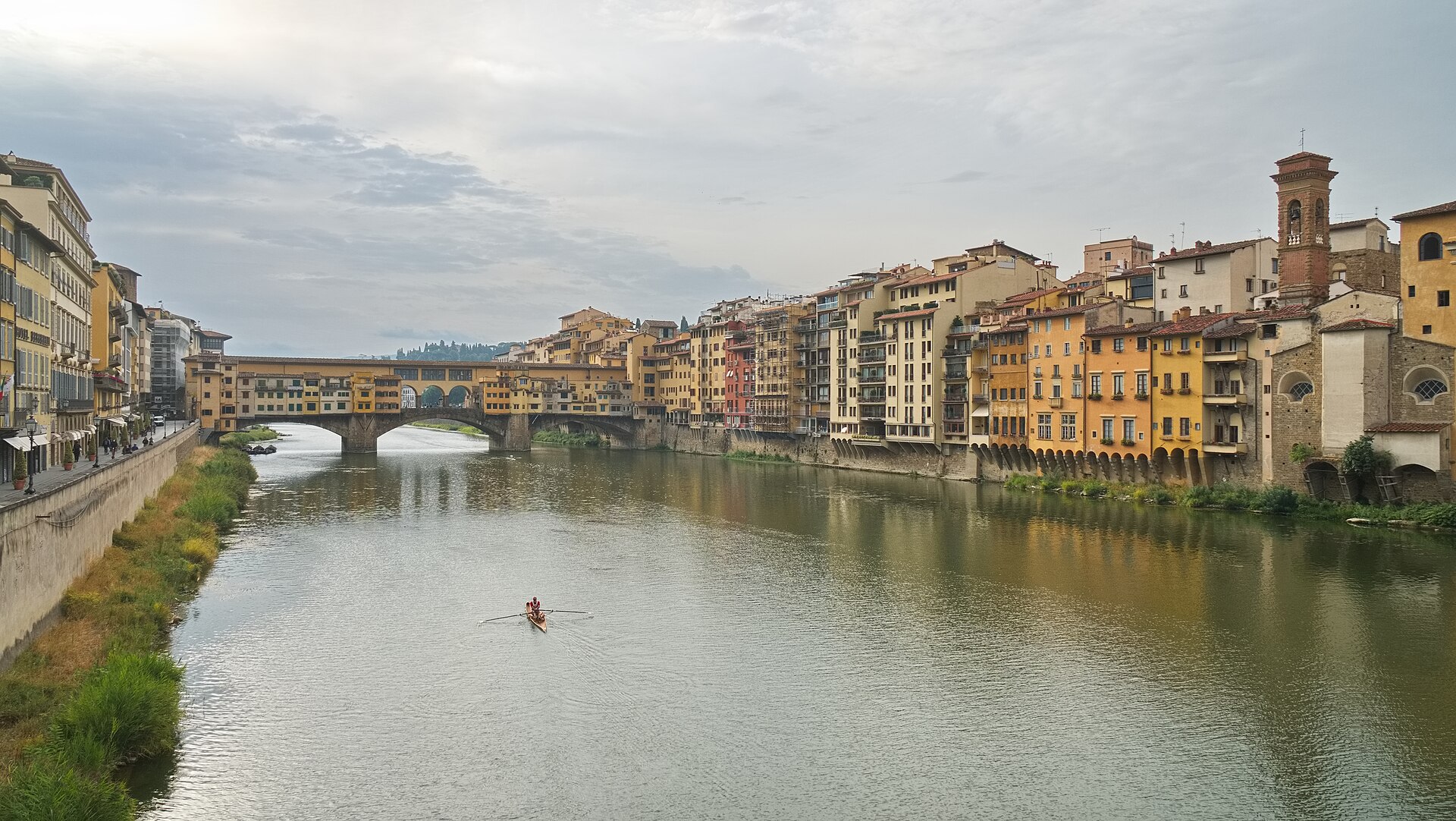
Lunch is where cruise passengers lose the most time without noticing. A sit-down Tuscan lunch takes ninety minutes if you let it. If the museum is the point of the day, eat standing up at a sandwich counter and save the long lunch for a day when there is no ship.
The Pisa Alternative
Pisa is on the same railway line, between Livorno and Florence, and the trains to Florence stop at Pisa Centrale on the way. That opens two other shapes for the day.
The first is Pisa instead of Florence. If the call is short, or a strike is listed, or you have been to Florence before, Pisa is much closer, and the Field of Miracles with the Leaning Tower, the cathedral and the Baptistery makes a complete half-day without any of the clock-watching.
The second is both, which the ship’s excursion desk will happily sell you and which we would steer most people away from. Two cities in one shore day means two lots of walking from station to sights and back, and you end up seeing the outside of a lot of famous buildings. Our guide to getting from Florence to Pisa covers that route in detail if you want to try it anyway.
Frequently Asked Questions
How long does it take to get from Livorno to Florence?
The direct regional train from Livorno Centrale to Firenze Santa Maria Novella takes about 1 hour 12 minutes on the fastest services and about 1 hour 20 on most others. Add the shuttle out of the port and the transfer to the station, and allow around two hours from the ship to Florence.
How much is the train from Livorno to Florence?
A standard regional single from Livorno Centrale to Firenze S.M.N. costs €11.40, so a day return is €22.80 per person. Regional fares are fixed, so you can buy on the day in the Trenitalia app or at the station machines. Routes that change at Pisa onto faster trains cost more and rarely save time.
Can I do Florence on my own from a cruise ship?
Yes, on most calls. Take the port shuttle into Livorno, get a taxi or bus to Livorno Centrale, and catch a direct train. On a 08:00 to 19:00 call this gives you roughly four to five hours in Florence. Plan to return on a train that still leaves a spare train behind it, because the ship will not wait for independent passengers.
Is the ship’s Florence excursion worth the money?
It is worth it when the call is short, when a rail strike is listed for the day, or when a missed ship would be a disaster for your party. The coach transfer does roughly what the train does at a much higher price, but with the cruise line carrying the risk of delay. On a long call with no strike, most independent travellers are better off on the train.
Can I walk from the cruise terminal to Livorno station?
Not sensibly. The cruise berths are inside the secure commercial port, and passengers leave on the port’s shuttle bus into the town centre. Livorno Centrale is on the far side of the city from the port, so take a taxi or a city bus from the shuttle stop rather than walking on a timed day.
Should I visit Pisa or Florence from Livorno?
Florence if you have a long call and have never been. Pisa if the call is short, if a strike is listed, or if you have seen Florence before: it is much closer and the Field of Miracles is a complete half-day. Trying to do both in one shore day mostly means seeing two cities from the outside.
Keep Reading
- One day in Florence — take the first half for a cruise day.
- Florence train station guide — Santa Maria Novella, where your train arrives.
- Florence to Pisa — the same line, if Pisa is the better shore day.
- Florence transportation guide — every other way in and around.