This article contains advertising. Booking links on this site can be turned into paid links automatically by our partner Travelpayouts: if you book through one, we earn a commission from the provider, at no extra cost to you. It never affects what we recommend. Affiliate disclosure
Florence is the city where opera was invented—the world’s first opera, Jacopo Peri’s Dafne, premiered here in 1597 in the salon of nobleman Jacopo Corsi. Today, Florence operates one of Europe’s oldest opera festivals (Maggio Musicale Fiorentino, founded 1933), maintains four historic concert halls, and hosts classical performances year-round in churches, theaters, and outdoor venues. This complete guide to opera in Florence Italy and classical music covers the major venues, the festival calendar, ticket strategies, dress codes, and how to plan the perfect classical music night in Renaissance Florence.
Florence invented opera, and the season still runs from the Teatro del Maggio through the church concert series. Check dates against our events calendar, see our live music guide for the jazz and contemporary side, and note that concerts in the city’s churches are often the cheapest tickets in town.
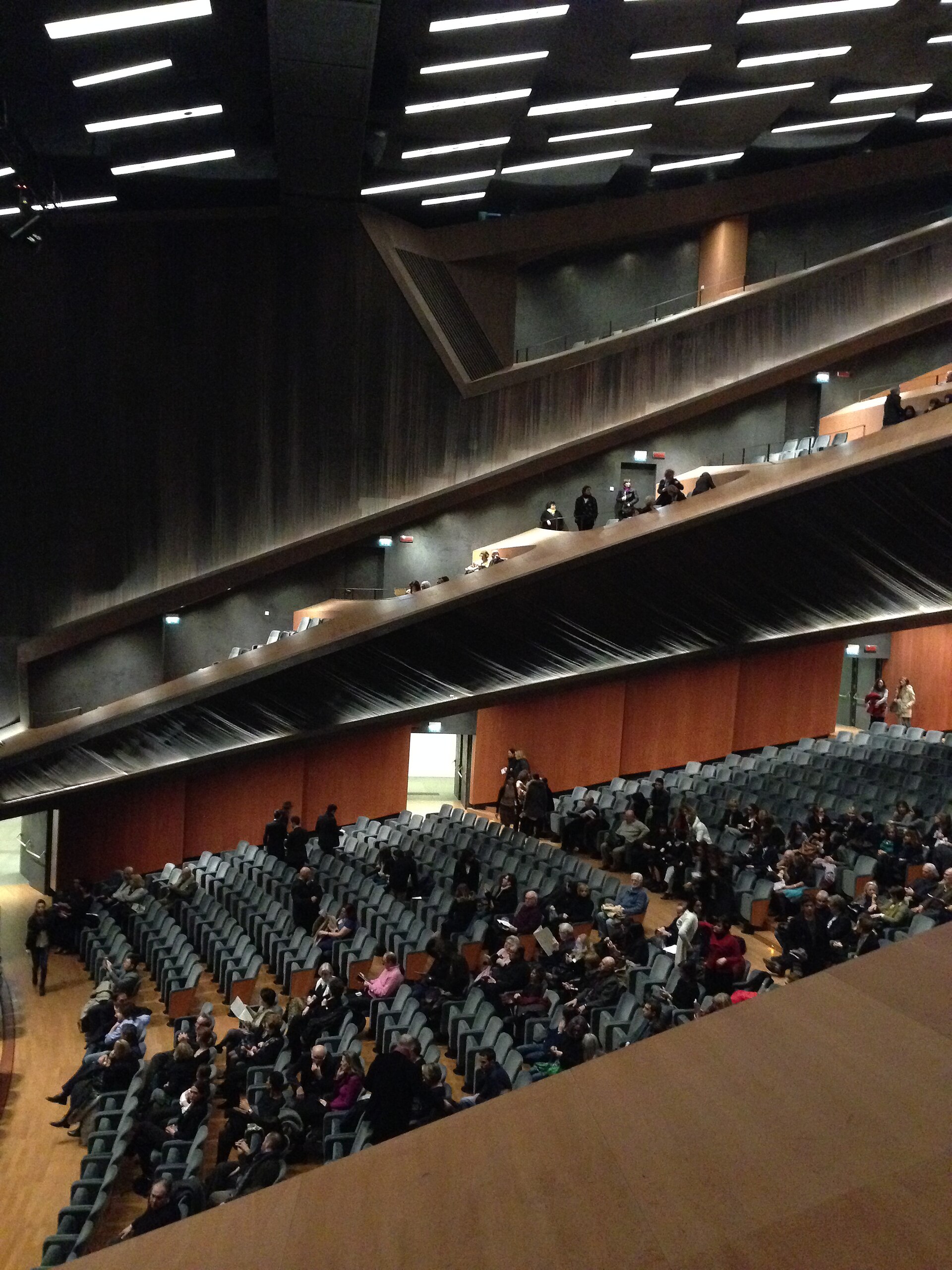
Florence Classical Music Quick Facts
| Detail | Information |
|---|---|
| Opera invented | 1597 in Florence (Peri’s Dafne) |
| Main opera house | Teatro del Maggio Musicale Fiorentino (modern, 2014) |
| Historic theater | Teatro La Pergola (1657) |
| Major festival | Maggio Musicale Fiorentino, May-June (founded 1933) |
| Opera tickets | €30-180+ depending on production |
| Classical concerts | €20-80 typical |
| Church concert tickets | €20-35 |
| Free outdoor concerts | Estate Fiorentina (June-September) |
The Birthplace of Opera
The first opera, in any meaningful sense, was performed in Florence in 1597. A small group of Florentine intellectuals known as the “Camerata Fiorentina” met in the homes of nobles like Giovanni de’ Bardi and Jacopo Corsi to debate Greek tragedy and how it was performed. They concluded that the ancient Greeks must have sung their plays, and they decided to attempt to recreate this. The result was Peri’s Dafne (premiered 1597 at Corsi’s home, music now lost) and Peri’s Euridice (1600, the earliest opera whose music survives complete).
Within a generation, opera spread from Florence to Mantua (where Monteverdi’s L’Orfeo in 1607 became the first masterpiece of the form), then to Venice, Rome, and across Europe. By the 19th century, Italian opera dominated European music. Florence retained its position as a center of opera throughout, hosting premieres of works by Verdi, Puccini, and Rossini at its various theaters.
Today, the heritage continues at the Maggio Musicale Fiorentino—one of the great European opera festivals—and at multiple venues throughout the city.
Major Venues
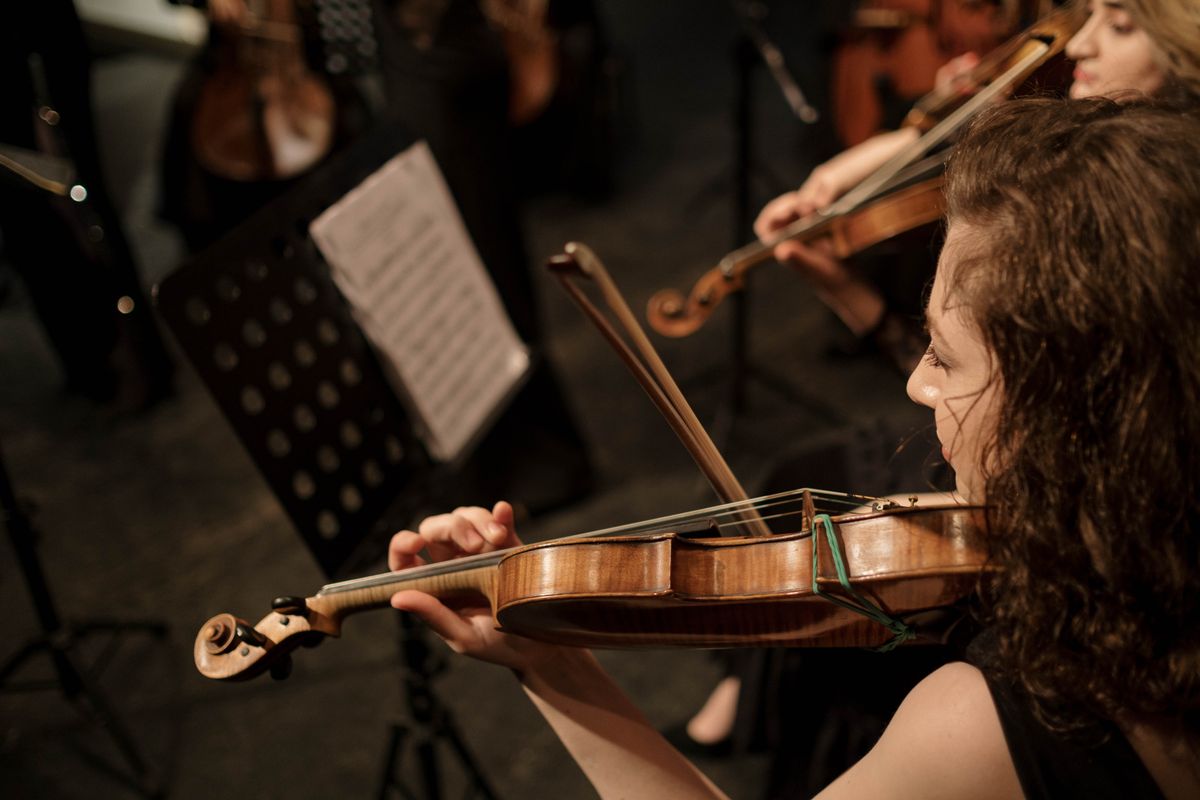
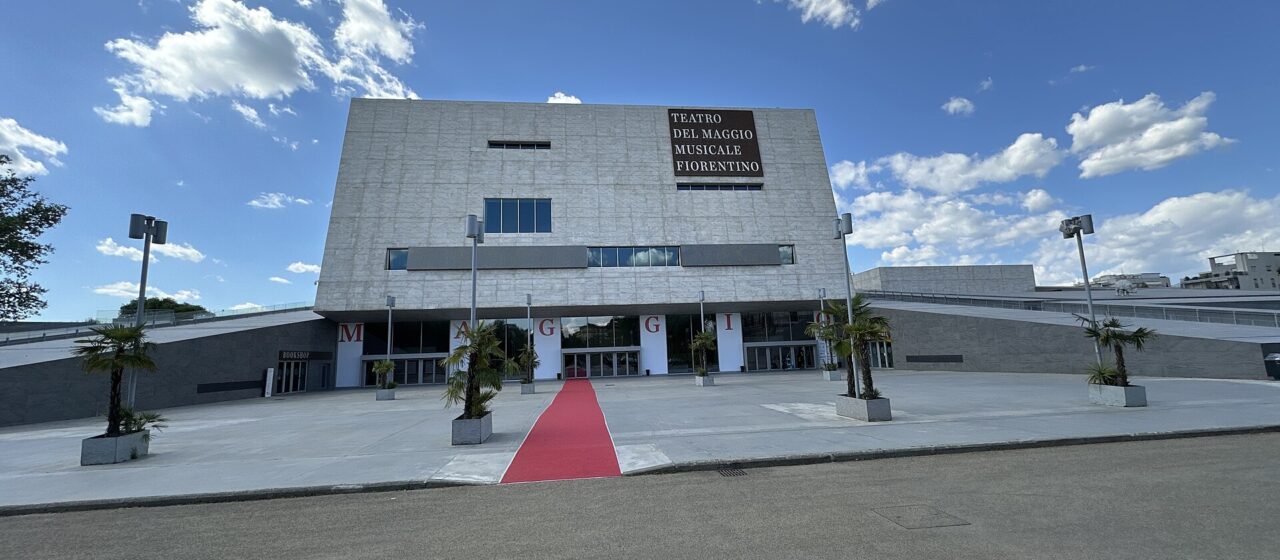
Teatro del Maggio Musicale Fiorentino
Florence’s main opera house and concert hall, opened in 2014 as a striking modern building at the Cascine park. The complex contains three concert halls of different sizes:
- Sala Grande (capacity 1,800): The largest hall, designed for full opera productions and orchestral concerts.
- Sala Mehta (capacity 1,000): Mid-sized hall for chamber concerts, smaller operas, and recitals.
- Cavea (open-air, capacity 2,000): Outdoor amphitheater used for summer performances.
The Maggio Musicale operates a year-round schedule of opera (typically 8-10 productions per season), orchestral concerts, ballet, recitals, and contemporary music. Past productions have featured Verdi’s Aida, Wagner’s Tristan und Isolde, Mozart’s Le nozze di Figaro, Puccini’s Madama Butterfly, and rare repertoire from the early opera period.
Tickets: €30 (gallery, partial view) to €180+ (premium stalls for major productions). Subscriptions available for residents and frequent attendees. Day-of discounted seats often available 2 hours before showtime at the box office. Address: Piazzale Vittorio Gui 1.
Teatro La Pergola
The oldest opera theater still operating in Italy (founded 1657). La Pergola was the venue for the first opera season ever held in Florence, where the city’s earliest opera audiences experienced the new art form. Today the theater focuses primarily on theatrical productions, but hosts classical music concerts, chamber music, and occasional opera throughout the year. The original 17th-century interior with horseshoe-shaped boxes, frescoed ceiling, and red velvet has been beautifully preserved.
Tickets: €18-€70. Address: Via della Pergola 12-32. Capacity 1,000. Worth visiting for the building alone if you can attend any production.
Teatro Verdi
An elegant 19th-century opera house near Santa Croce, Teatro Verdi hosts a varied program of opera, classical concerts, ballet, musicals, and pop music. The historic interior with red velvet, gold trim, and chandeliers is preserved in its original style. Tickets €15-€80 depending on event. Address: Via Ghibellina 99. Capacity 1,500.
ORT (Orchestra della Toscana)
The regional Tuscan orchestra, ORT performs symphonic concerts at Teatro Verdi and other venues throughout the year. The orchestra is excellent and tickets are more affordable than the Maggio Musicale (typically €15-€40). Programs combine classical favorites (Beethoven, Mozart, Brahms) with modern Italian and lesser-known repertoire. orchestradellatoscana.it for tickets.
Sala Vanni
A small concert hall (capacity 250) operated by the Musicus Concentus association. Hosts an excellent program of contemporary classical, jazz, and world music. Tickets €15-25 typical. Located near Santa Croce. Programs at musicusconcentus.com.
Concerts in Churches
Florence’s medieval churches offer extraordinary acoustic settings for classical music. The combination of period repertoire (Vivaldi, Monteverdi, Palestrina, Bach) with sacred-space settings is one of the most atmospheric experiences in the city.
- Auditorium Santo Stefano al Ponte: A converted medieval church near Ponte Vecchio. Daily classical and opera concerts year-round (9:00 PM most evenings). Vivaldi’s Four Seasons, Italian opera arias, classical chamber repertoire. Tickets €25-35.
- Santa Maria de’ Ricci: Small church on Via del Corso with daily 21:15 concerts of Italian classical and opera favorites. Tickets €20.
- St. Mark’s English Church: Anglican church on Via Maggio. Weekly chamber concerts and recitals featuring international touring musicians. Tickets €15-25.
- San Lorenzo Basilica: Occasional concert series featuring Renaissance and early Baroque repertoire. Tickets €25-35.
- Santo Spirito: Brunelleschi’s church hosts an annual Easter concert series and occasional special performances. Tickets €20-30.
Church concerts typically run 60-75 minutes. Audiences are mixed local and tourist; clothing is smart casual but covered for the sacred space. Photography during the performance is generally discouraged.
The Maggio Musicale Festival
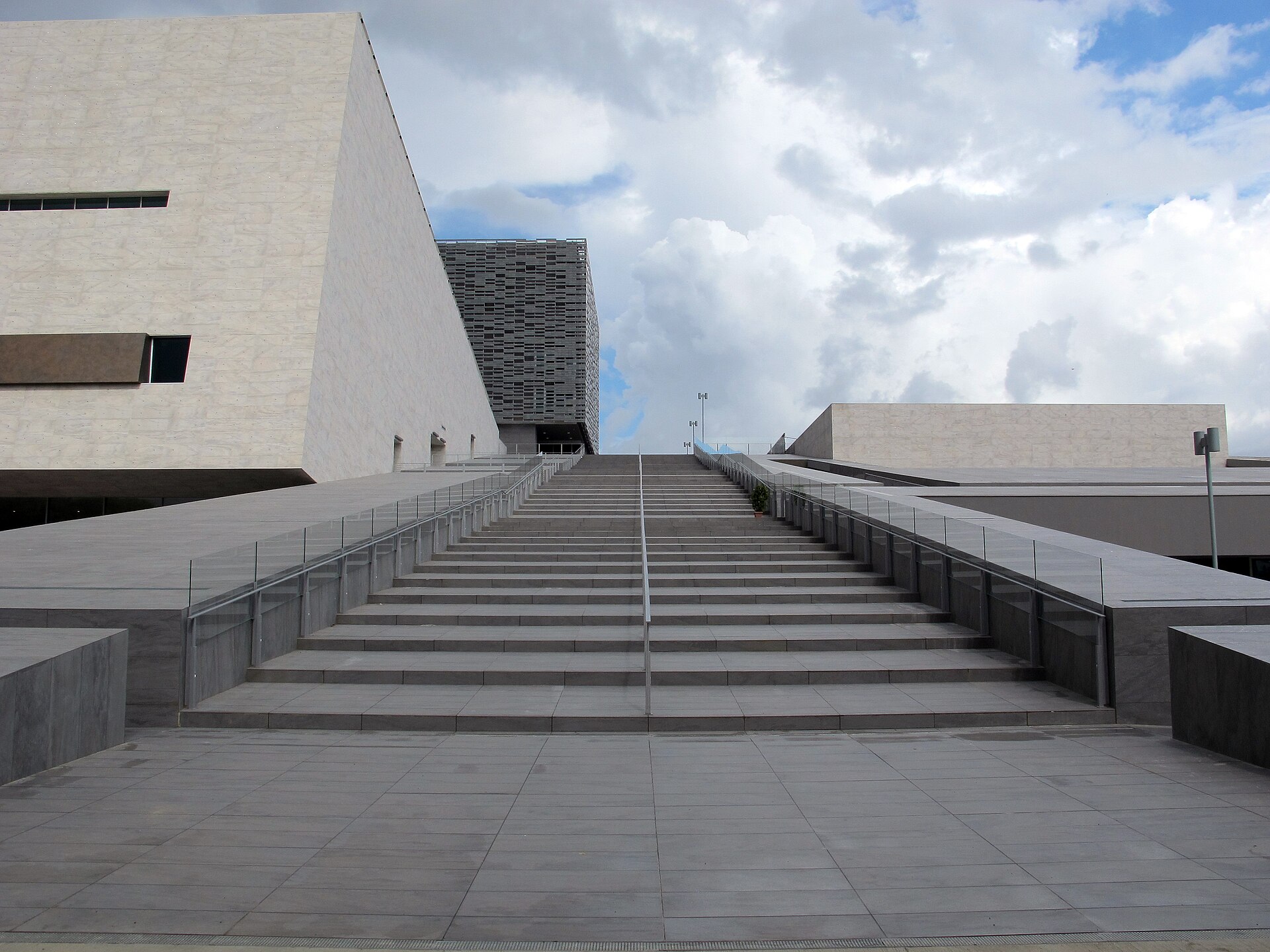
The Maggio Musicale Fiorentino is one of Europe’s oldest opera and music festivals (founded 1933). Each year from mid-May through late June, the festival presents a concentrated program of major operas, orchestral concerts, ballet, and recitals featuring international soloists and conductors.
Recent festival seasons have included productions of Verdi’s Don Carlo, Wagner’s Die Walküre, Bizet’s Carmen, Puccini’s Tosca, Mozart’s Cosi fan tutte, and contemporary Italian operas. Conductors have included Daniele Gatti, Zubin Mehta (former Music Director), Gianandrea Noseda, and Daniele Rustioni.
The festival also hosts evening concerts in the Boboli Gardens and outdoor performances at Forte Belvedere. The full season program is published at maggiofiorentino.com each January for the following May-June season. Ticket sales begin in February. The most popular nights (opening of major productions, gala concerts) sell out within weeks; less famous performances and weekday matinees often have last-minute availability.
Ticket Strategies
- Book early for festivals: Maggio Musicale tickets best at 2-3 months ahead. Last-minute deals exist for less-popular nights.
- Use the gallery: Cheapest seats often have surprisingly good acoustics, even at the Maggio. €30 gallery seats give you the same orchestral experience as €100 stalls if you can do without prime sightlines.
- Day-of seats: The Maggio Musicale releases unsold tickets at a discount 2 hours before showtime. Check at the box office in person.
- Subscriptions: Residents and visitors planning multiple performances can buy season subscriptions at significant savings (€200-€600 for 8-10 productions).
- Standing room: Some performances offer standing-room tickets for €15-25; check availability at the venue.
- Free outdoor concerts: Estate Fiorentina (city’s summer events program) includes many free classical concerts in piazzas, gardens, and at the Boboli Cavea—the year’s best free music opportunity.
Dress Code
Florence opera and classical music venues range in formality:
- Maggio Musicale opening nights: Cocktail/black-tie attire. Dark suits for men, evening dresses for women. The audience uses these as social occasions.
- Maggio Musicale weekday matinees and concerts: Smart casual is fine. Suit jackets common but not required. Avoid jeans, T-shirts, or casual sneakers.
- Teatro La Pergola, Teatro Verdi, ORT concerts: Smart casual standard.
- Church concerts: Smart casual with shoulders covered (sacred space etiquette). No tank tops or shorts.
- Outdoor festivals: Casual dress fine; bring a layer for evening cool.
Florence’s Classical Music Calendar
- January-March: Maggio Musicale concert season runs at Teatro del Maggio. Opera and orchestral concerts. Less crowded; good time to see the venue.
- April: Pre-festival programming begins; some preview events.
- May-June: Main Maggio Musicale festival. Most concentrated programming. International conductors and soloists. Book early.
- June-September: Estate Fiorentina includes outdoor classical concerts in Boboli Gardens, Piazza SS. Annunziata, Forte Belvedere.
- July-August: Most Maggio Musicale performances pause; outdoor concerts continue; church concert series active.
- September-October: Fall season opens at major venues. Florence Folks Festival; ORT begins new season.
- November: Florence Jazz Festival (jazz, not classical, but related). Chamber music series active.
- December: Christmas concerts; New Year’s Eve symphonic concert at Maggio Musicale.
Best Single Performance to Plan Around
If you have one classical music night in Florence and want a memorable experience, recommendations by interest:
- For first-time opera-goers: A popular Italian opera at the Maggio Musicale (Verdi’s Traviata, Puccini’s Bohème, or Bizet’s Carmen). Familiar music, accessible plot, full Italian production values.
- For atmospheric setting: A church concert at Auditorium Santo Stefano al Ponte or San Lorenzo Basilica. Italian baroque and Renaissance music in a Renaissance space.
- For historical experience: Anything at Teatro La Pergola—the building itself is part of the experience.
- For contemporary classical: Sala Vanni’s Musicus Concentus programs.
- For free experience: Estate Fiorentina concerts in summer at Forte Belvedere or Piazza SS. Annunziata.
Frequently Asked Questions
Where was opera invented?
Florence. The first opera in any meaningful sense, Jacopo Peri’s Dafne, premiered in 1597 in the home of Florentine nobleman Jacopo Corsi. The earliest opera with surviving music is Peri’s Euridice (1600), also Florentine.
Where can I see opera in Florence?
The Teatro del Maggio Musicale Fiorentino (modern, 2014) is the main opera house. Teatro La Pergola (1657, the oldest in Italy) and Teatro Verdi also host operas. The Maggio Musicale Fiorentino festival in May-June presents the most concentrated opera programming.
How much do opera tickets cost in Florence?
€30-€180+ for the Maggio Musicale, depending on production and seat. Cheaper galleries (€30) offer good acoustics; premium stalls (€100-180) offer better sightlines and the occasional black-tie social experience. Other theaters typically run €18-80.
Are there last-minute tickets?
Yes. The Maggio Musicale releases unsold tickets at a discount 2 hours before showtime. Day-of standing room tickets sometimes available for €15-25. Less popular performances often have availability within 1-2 weeks of the date.
What’s the dress code for opera in Florence?
Smart casual minimum; black-tie expected for opening nights and gala performances. Avoid jeans, T-shirts, and casual sneakers. Florentine opera audiences dress thoughtfully but rarely overdo it. For matinees, smart business attire is standard.
Are church concerts in Florence worth it?
Yes. The combination of Renaissance and medieval church acoustics, period repertoire, and atmospheric settings is unique to Florence. Auditorium Santo Stefano al Ponte and Santa Maria de’ Ricci offer near-daily concerts at €20-35.
Can I attend Maggio Musicale Fiorentino as a tourist?
Yes. The festival is fully open to international visitors. Tickets are sold online at maggiofiorentino.com. Programs are in Italian (sometimes German, French, English depending on opera language) with surtitles in Italian. Tourist visitors should book 2-3 months in advance for popular performances.
What’s the best Florence concert venue for classical music?
The Maggio Musicale Fiorentino’s Sala Grande for full orchestral and opera; Teatro La Pergola for the historic atmosphere of an active 17th-century theater; Auditorium Santo Stefano al Ponte for church-setting acoustics; Sala Vanni for contemporary classical and intimate concerts.
Is Italian needed to enjoy Florence opera?
No. Most operas at the Maggio Musicale have surtitles (translation displayed above the stage). Operas in Italian are the most common; German, French, and Russian operas are also performed. Buy a program (€10) for plot summaries in multiple languages.