This article contains advertising. Booking links on this site can be turned into paid links automatically by our partner Travelpayouts: if you book through one, we earn a commission from the provider, at no extra cost to you. It never affects what we recommend. Affiliate disclosure
Hop-On Hop-Off Florence: Routes, Prices & the Honest Verdict
The hop on hop off Florence bus exists, it runs two lines, and for most visitors it is the wrong purchase — because the historic centre is a limited traffic zone the bus cannot enter, and because you can walk from one side of it to the other in about twenty-five minutes. There is a real case for buying a ticket, though, and it has nothing to do with sightseeing. Here is when it works and when it is money thrown at a problem you do not have.
Before buying any transport in Florence, read walking in Florence — it is genuinely the answer most of the time — and our bus and tram guide for the cheap way to reach the two places worth riding to.
The Problem With Sightseeing Buses in Florence
Hop-on hop-off buses work brilliantly in cities that are big, hilly, or laid out around a transport spine — Rome, Lisbon, Barcelona. Florence is none of those things, and the sightseeing bus runs into two structural problems here that no operator can solve.
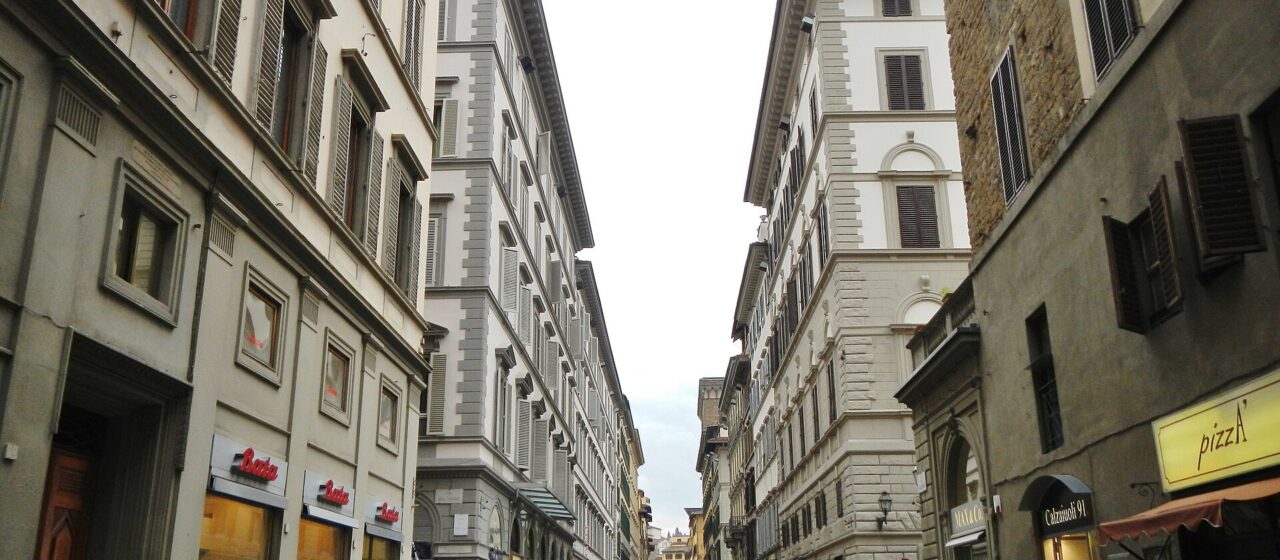
The first is size. The historic centre is roughly a kilometre and a half across. From Santa Maria Novella station to Santa Croce is a twenty-minute walk. From the Duomo to Ponte Vecchio is seven minutes. The Uffizi, the Accademia, the Bargello, the Duomo, Palazzo Vecchio, the Mercato Centrale and the Ponte Vecchio all sit inside a circle you can cross on foot faster than a bus can circle it.
The second is the limited traffic zone. Almost all of the centre is closed to through traffic, and the pedestrianised core — Via dei Calzaiuoli, Piazza della Signoria, Piazza del Duomo — is closed to everything. The sightseeing bus therefore does not drive past the sights. It drives around the outside of them, along the ring roads and the river, and stops at the edges. You get off, and you walk in. Which is what you were going to do anyway.
The Two Routes
The operator runs two lines from a hub near Santa Maria Novella station, and they are very different products sharing one ticket.
Line A — the city loop
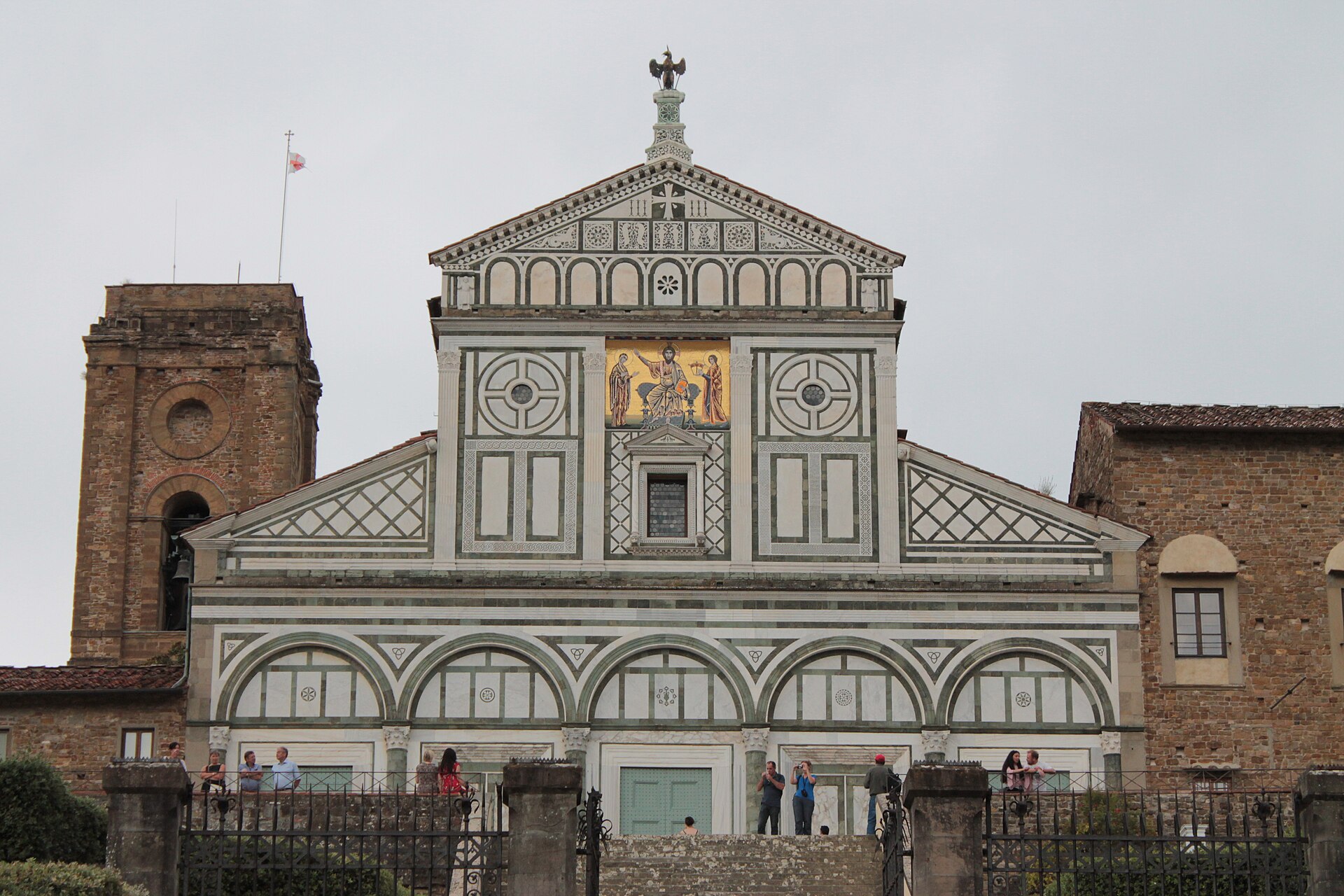
Circles the centre and crosses the river: the station area, the Oltrarno, Palazzo Pitti, Porta Romana, up to Piazzale Michelangelo and San Miniato al Monte, then back along the north bank. It runs frequently through the day and it is the line most people ride.
Its one genuinely useful feature is the climb to Piazzale Michelangelo and San Miniato. That is a proper hill, it is a twenty-five-minute walk up from the river, and being carried up it is worth something on a hot afternoon or with tired children.
Line B — the Fiesole line
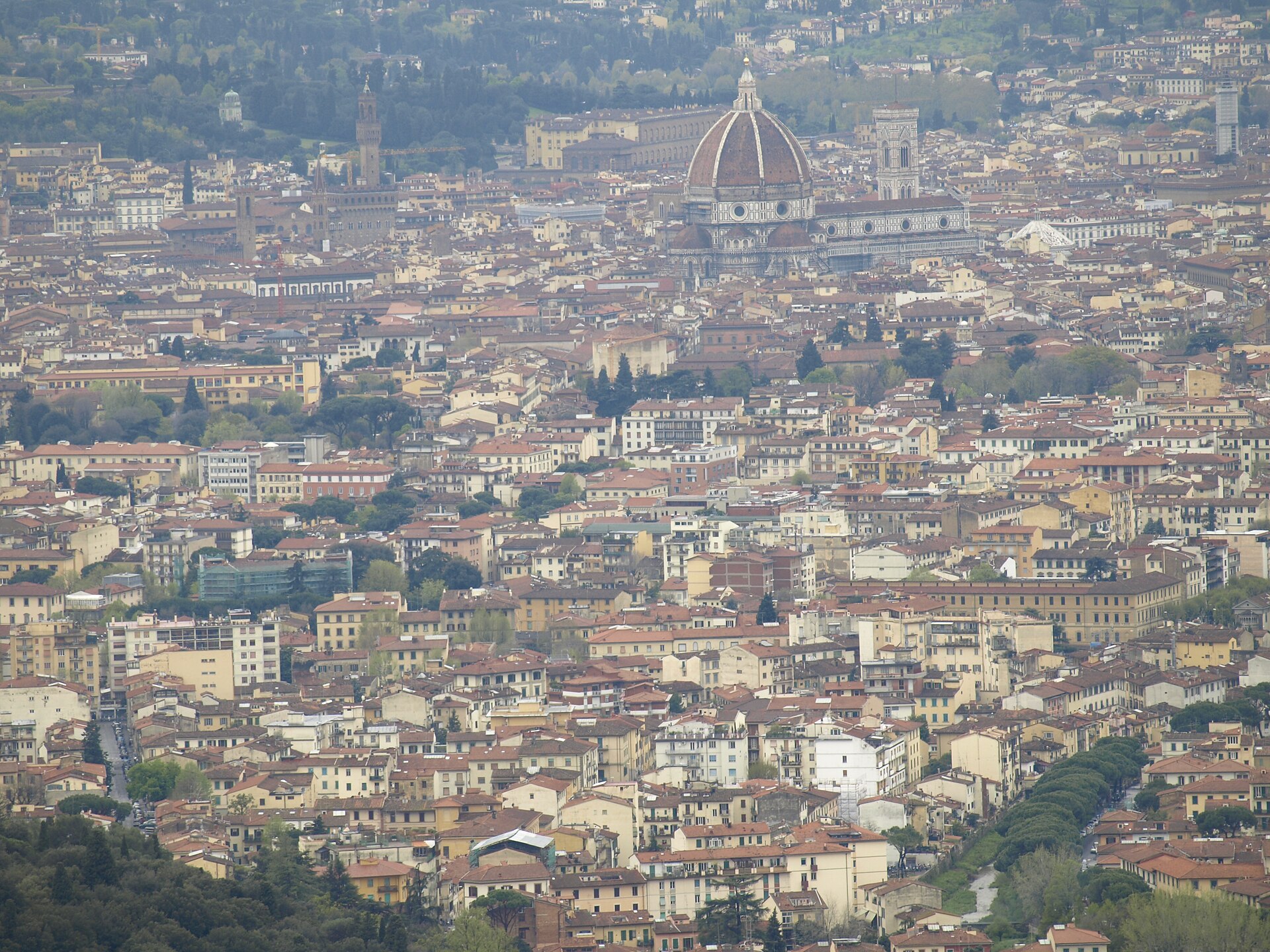
Runs north and east: Piazza della Libertà, Campo di Marte, the Artemio Franchi stadium, Coverciano and the football museum, San Domenico, and up to Fiesole. This is the line with a real reason to exist, because Fiesole is eight kilometres away and genuinely up a hill.
Two warnings. Line B is far less frequent than Line A — think roughly hourly rather than every twenty minutes — so a missed bus costs you an hour rather than fifteen minutes. And it has been suspended Monday to Friday through recent winters, running only at weekends between November and late March. Check the current timetable before you build a day around it.
Prices and Ticket Types
Tickets are sold as 24, 48 and 72 hours, covering both lines, with an on-board audio commentary in several languages. Operators quote in several currencies, discount heavily on their own booking pages, and change prices often, so check the current fare before you buy rather than trusting a figure you read somewhere — including this page.
What is stable is the shape of the pricing: a 24-hour ticket costs roughly what a decent lunch costs, and the 48- and 72-hour tickets are only modestly more, which is a deliberate nudge towards the longer ones. Children and families get reduced fares. Combined tickets bundling the bus with Uffizi or Accademia entry are sold, and they are almost never a saving — you are paying full price for a museum ticket you could book directly and getting the bus attached.
Who Should Actually Buy One
There is a real case, and it is narrower and less glamorous than the marketing.
Buy one if mobility is the issue. This is the strongest argument by some distance. If walking twenty minutes on uneven medieval paving is difficult, or if a hill is out of the question, the bus turns a city that is hostile to tired legs into one you can see. Our Florence accessibility guide covers the wider picture, and the tour bus is a legitimate part of it.
Buy one if you have small children. A top deck is an attraction in its own right when you are six, and being able to sit down between museums prevents the four-in-the-afternoon collapse that ends more Florence days than rain does. See Florence with kids.
Buy one if you are here for a single day off a cruise or a train, arriving with luggage and no plan. A 24-hour ticket gives you a shape to the day and an overview you could not otherwise assemble, and the commentary is decent orientation.
Buy one if it is raining. A covered top deck is a dry hour, and Florence in heavy rain is genuinely miserable on foot — see rainy day Florence.
Do not buy one if you are an ordinarily mobile adult on a two- or three-day trip, staying in or near the centre, intending to visit the major museums. You will use it twice, feel obliged to use it more, and spend time on a bus that you could have spent in the Bargello. That is the standard case and it is the majority of visitors.
The €2 Alternative
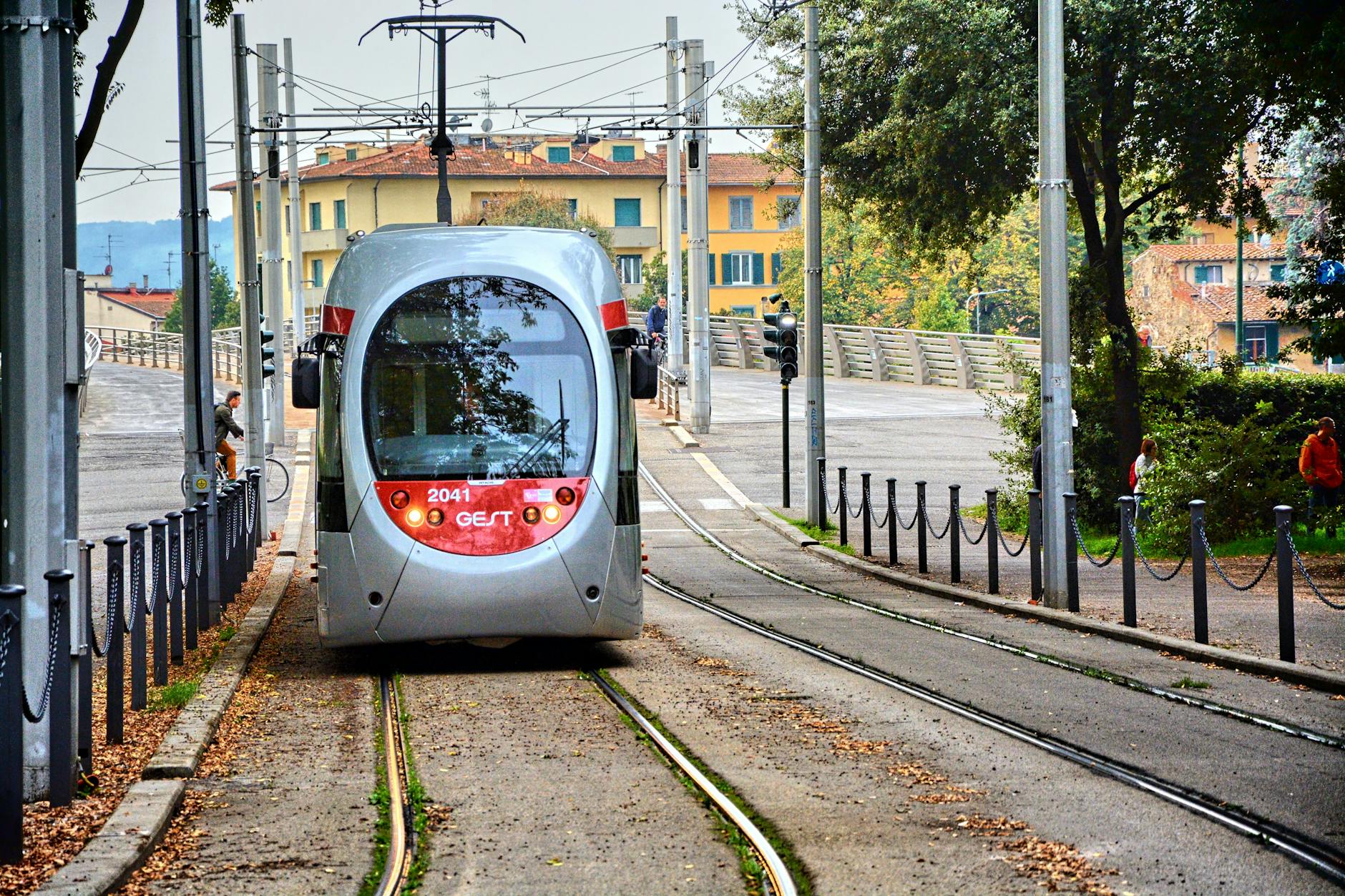
Both of the genuinely useful things the tour bus does can be done on the ordinary city network for a fraction of the price. A single Autolinee Toscane ticket costs €2.00 and is valid for ninety minutes on any bus or tram — note that this went up from €1.70 on 1 August 2026, so older advice understates it. Buy from a tobacconist, a bar with the AT sticker, or a tram-stop machine; on board from the driver it is €3.00 and you need exact change.
| Destination | Tour bus | City bus |
|---|---|---|
| Piazzale Michelangelo | Line A, included in the day ticket | Bus 12 or 13, €2.00 |
| Fiesole | Line B, roughly hourly, seasonal | Bus 7 from the station or San Marco, every 20 minutes, 20–35 minutes |
| Anywhere in the centre | Not served — the ZTL | Walk. Faster. |
Bus 7 to Fiesole deserves particular mention, because it is one of the best-value hours in Tuscany: twenty minutes and two euros to a hill town with an Etruscan wall, a Roman theatre and the view in the photograph above. Our bus and tram guide has the practical detail, and taxis in Florence covers the third option — about €10 to Piazzale Michelangelo, which for two people beats both buses.
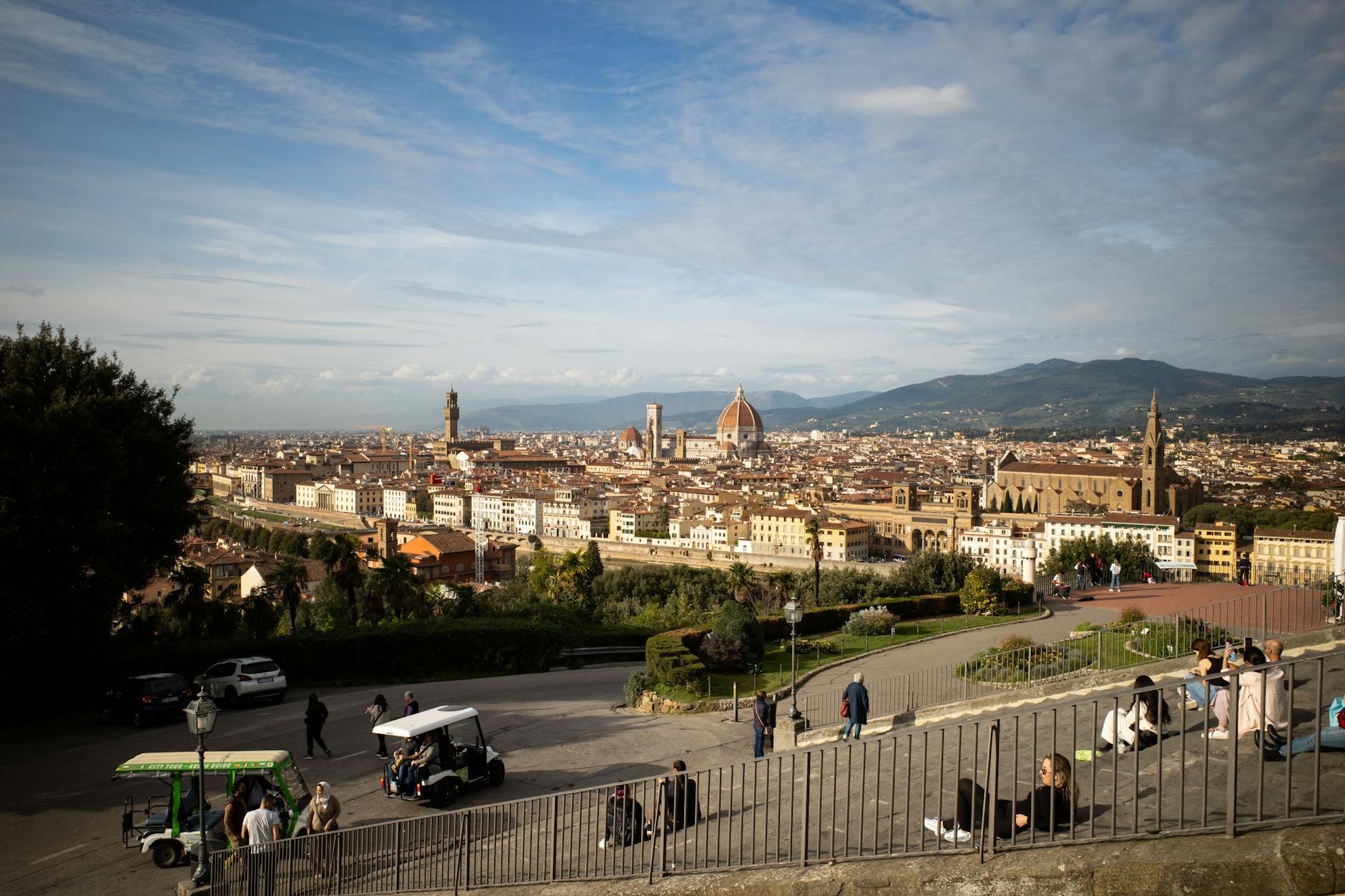
Everything about getting up there and when to go is in our Piazzale Michelangelo guide.
Practicalities
Where to board. The main hub is near Santa Maria Novella station, which is also where you can buy a ticket in person rather than online. Stops are marked with the operator’s branding and a timetable board.
Frequency. Line A runs often enough that you do not need to plan around it. Line B does not. If Fiesole is your plan, note the departure times before you set off, or take bus 7 instead and stop worrying about it.
The audio guide. Included, delivered through disposable earphones, in a dozen or so languages. It is competent, it is not memorable, and it goes quiet in exactly the stretches where the bus is driving along a ring road with nothing to say.
Weather. The top deck is the entire point in good weather and unusable in bad. Covered lower decks exist but riding a sightseeing bus from inside a saloon window is a strange way to spend money.
Luggage. Fine for a day bag, awkward for a suitcase, and there is no luggage rack. If you are between hotels, the station left-luggage office is the answer rather than the top deck.
Frequently Asked Questions
Is the hop-on hop-off bus worth it in Florence?
For most visitors, no. The historic centre is about 1.5 km across, mostly pedestrianised, and closed to the bus — so it circles the outside and you walk in regardless. It is genuinely worth it for anyone with limited mobility, families with small children, single-day visitors wanting orientation, and rainy days.
Does the tour bus go past the Duomo and Ponte Vecchio?
No. Piazza del Duomo and the streets around it are pedestrianised, and the wider centre is a limited traffic zone. The bus stops at the edges and you walk in — typically five to ten minutes.
How much is a hop-on hop-off ticket in Florence?
Tickets are sold as 24, 48 and 72 hours, with reduced child and family fares. Prices change frequently and operators discount on their own sites, so check the current fare rather than relying on a published figure. As a benchmark, a 24-hour ticket costs roughly ten times a single city bus fare.
What is the cheapest way to get to Piazzale Michelangelo?
City bus 12 or 13, €2.00 for a ninety-minute ticket. Walking up from Ponte alle Grazie takes about twenty-five minutes and is pleasant in cool weather. A taxi from the centre is around €10, which beats both for two or more people.
Does the Fiesole line run every day?
Not reliably. Line B is much less frequent than Line A and has been suspended Monday to Friday through recent winters, running weekends only between November and late March. The ordinary number 7 bus runs to Fiesole every twenty minutes all year for €2.00.
Are the combined bus and museum tickets a saving?
Almost never. You pay the full museum price and the bus is attached, so you are better off booking the museum directly on the official site and deciding about the bus separately.
Where to Go From Here
The honest recommendation for most visitors is to skip the bus and read walking in Florence, which lays out how short the distances actually are, and getting around Florence for everything else. If you want the hill without the walk, buses and trams covers lines 7, 12 and 13.
For the wider question of what is worth paying for in this city, see Florence tours and tickets — and one day in Florence if that is all you have.