This article contains advertising. Booking links on this site can be turned into paid links automatically by our partner Travelpayouts: if you book through one, we earn a commission from the provider, at no extra cost to you. It never affects what we recommend. Affiliate disclosure
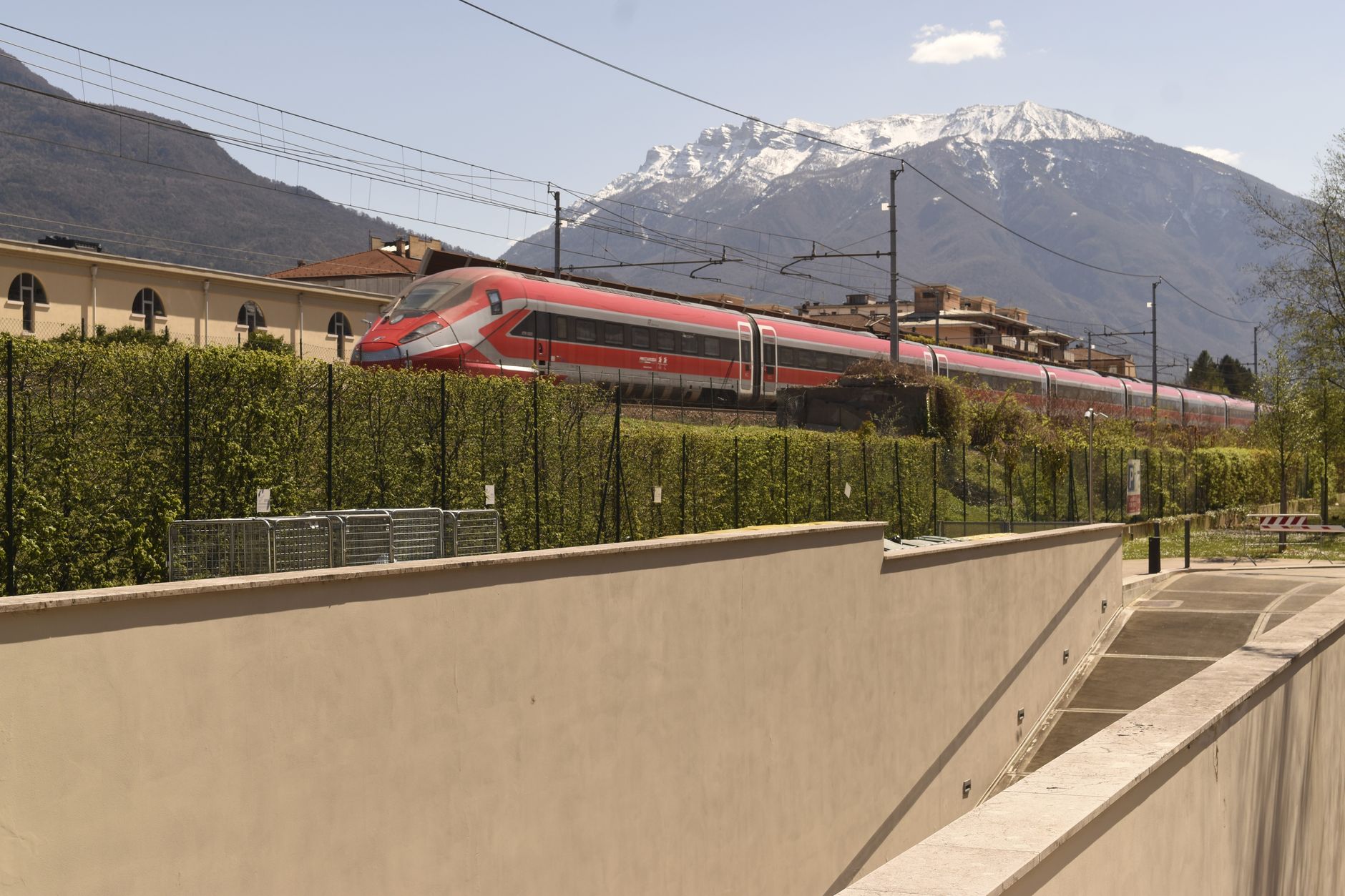
Venice to Florence is one of Italy’s classic train journeys — 260km through Veneto, the Po Valley and the northern Apennines, covered in just over 2 hours by Frecciarossa or Italo high-speed services. Cheapest fares start at €18.90 for advance booking; same-day walk-up runs €60–80. This 2026 guide walks through every realistic Venice-to-Florence option: which train to take, station selection (Venezia Santa Lucia vs Venezia Mestre), booking strategy, regional alternatives, the Bologna stopover possibility, and the trade-off between Frecciarossa and Italo.
Travelling all three classic cities? Our 10-day Italy itinerary covering Florence, Venice and Rome sets out the full route and timings.
The line north from Florence splits at Bologna, with one branch to Venice and the other to Milan. Our guide to the Florence to Milan train covers the hourly Frecciarossa, the Rogoredo trap and the real price of booking late.
Quick Recommendation
Take a Frecciarossa or Italo direct from Venezia Santa Lucia to Firenze Santa Maria Novella. 2 hours 1 minute fastest journey, around 2h05 typical. Book 60–90 days ahead at €18.90–25; walk-up day-of runs €60–85. Avoid the Frecciabianca and regional trains unless price is the only factor — the time savings of high-speed are dramatic.
Train Options
Three categories of train run between Venice and Florence:
- Frecciarossa (Trenitalia) — high-speed, 2h01–2h15 direct. Approximately 25 daily services. Default option.
- Italo (NTV) — Trenitalia’s private competitor. 2h05–2h20 direct. Approximately 11 daily services.
- Frecciargento and Frecciabianca — older “Freccia” classes, slightly slower than Frecciarossa (2h30–3h). Limited service.
- Regional trains (Trenitalia Regionale) — 4 hours+, multiple stops. Useful only if you specifically want a slower scenic route.
Frecciarossa runs roughly every 30–60 minutes during the day; Italo every 60–120 minutes. Together they offer 36+ direct daily departures.
Station Choices: Santa Lucia vs Mestre
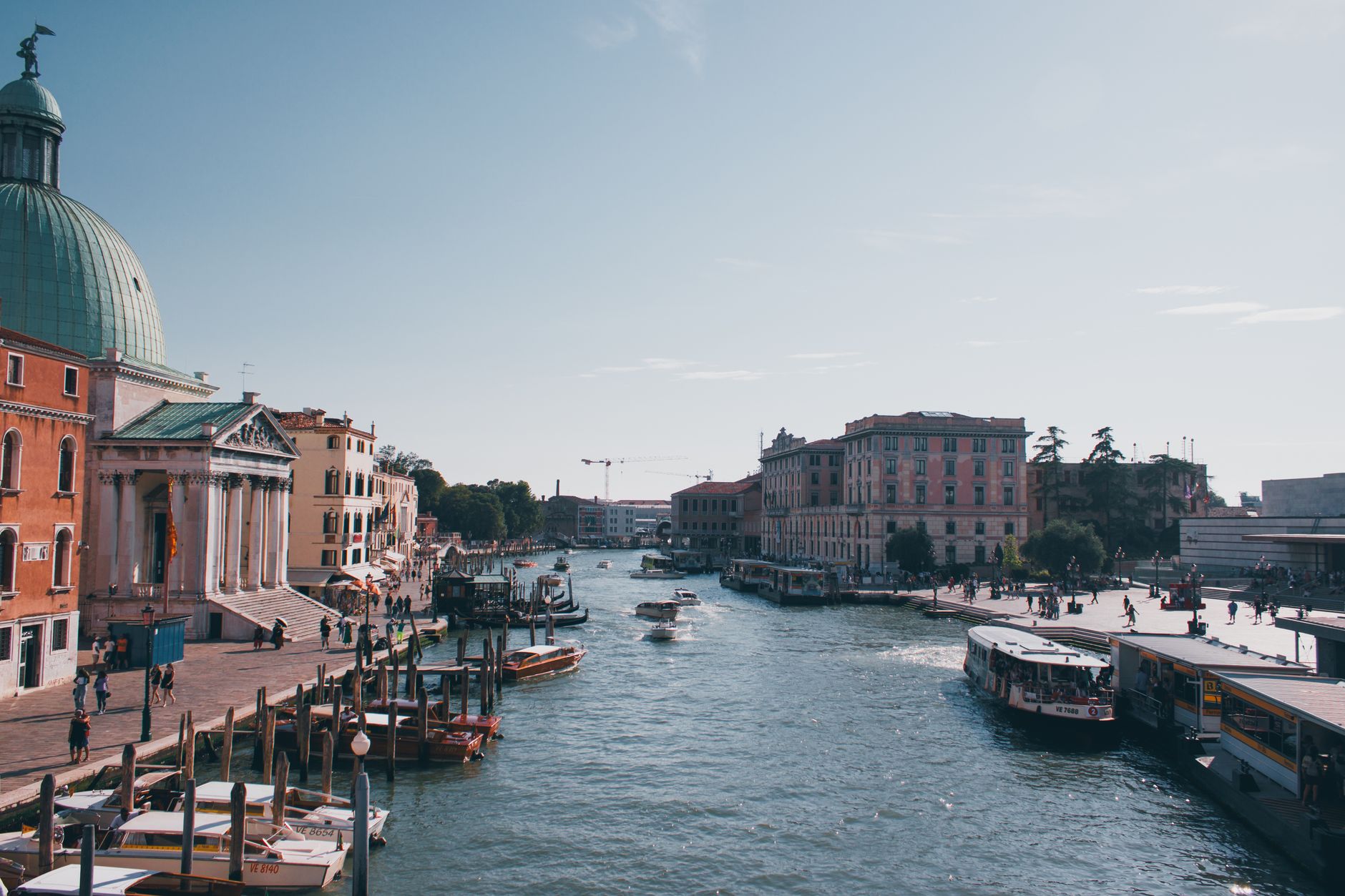
Venezia Santa Lucia (Recommended)
The “Venice central” station, located on the island of Venice itself at the head of the Grand Canal. From the station main exit:
- Vaporetto Linea 1 / 2 stop “Ferrovia” is 100 metres away — direct boats to St Mark’s, Rialto, Accademia.
- Walk to St Mark’s Square: 25 minutes through Strada Nova.
- Walk to Rialto Bridge: 15 minutes.
- Most major Venice hotels are within 30-minute walking distance.
If you’re staying in Venice itself, depart from Santa Lucia. All Italo and most Frecciarossa direct services to Florence start here.
Venezia Mestre (Mainland)
The mainland station, 10 minutes by train from Santa Lucia (Mestre is the suburb where most Venice land transport links exist). Some Italo and a few Frecciarossa services stop only at Mestre, not Santa Lucia. From Mestre:
- If you’re staying in Venice (the island), you’ll need to take a Trenitalia regional train (€1.50, 10 minutes) or city bus 4/4L from Mestre to Santa Lucia, then walk or vaporetto to your hotel — adds 30 minutes total.
- If you’re staying in Mestre / on the mainland, Mestre is convenient.
When booking, always check the Venice station listed on your ticket. If it says “Venezia Mestre” instead of “Venezia Santa Lucia,” you’ll need extra time and a connecting train. Most Florence-Venice direct trains use Santa Lucia, but a handful of Italo services use only Mestre.
Fares & Booking
Italian high-speed train fares are dynamic — like airline tickets, the same seat costs less when booked early.
- 90+ days ahead: €18.90–25 (Super Economy / Smart fares)
- 60 days ahead: €25–40
- 30 days ahead: €40–55
- 1 week ahead: €55–75
- Day-of: €70–90 standard fare
The booking calendar opens roughly 90–120 days ahead. Cheapest “Super Economy” tickets release first and sell out fastest — book the moment the schedule opens.
Train Classes
Frecciarossa offers Standard, Premium, Business, Executive. Italo has Smart, Comfort, Prima, Club Executive. Standard / Smart class is comfortable for most travellers — modern reclining seats, tables, free Wi-Fi, plug sockets at every seat. Premium classes add extra legroom, free changes, included drinks. Executive / Club Executive offers private compartments — €120–180.
Frecciarossa or Italo?
Functionally identical for most travellers. Frecciarossa runs more services (25 vs 11 daily), giving more time-slot flexibility. Italo is often €5–10 cheaper at the same booking window, and its newer EVO trains have nice features. Compare both on Trainline or Omio in a single search; pick whichever fits your slot for the cheapest fare.
Where to Buy Tickets
- trenitalia.com — official Frecciarossa booking
- italotreno.com — official Italo booking
- thetrainline.com or omio.com — third-party aggregators with both companies in one search (small €2–5 fee)
- Train station ticket machines or counters — same prices as online but no advance fare savings
The Journey: What to Expect
The 260km route runs:
- Venezia Santa Lucia (or Mestre) — start of journey
- Across the Venetian lagoon causeway to mainland
- Padova (35 minutes from Venice) — typically the only stop on direct Florence services
- Through the Po Valley flatlands of Veneto and Emilia-Romagna
- Bologna Centrale (1 hour from Venice) — stop on most direct services
- Through the Apennine high-speed tunnel — a 79km dedicated mountain segment finished 2009, with several long tunnels
- Firenze Santa Maria Novella (2 hours 1 minute from Venice) — terminus
The Bologna-Florence high-speed corridor is one of Europe’s most engineered rail segments — high-speed trains pass through tunnels at 250+ km/h, the journey from Bologna to Florence takes just 38 minutes on the dedicated AV (alta velocità) line. Most of the time you’re underground.
The Po Valley section between Padova and Bologna is flat farmland; the Apennine section between Bologna and Florence is mostly tunnels. Don’t book this trip for the scenery — book it for the speed.
Stopover Options
Several intermediate cities make rewarding stopovers between Venice and Florence:
Bologna (Strongly Recommended)
Italy’s gastronomic capital. Bologna deserves at least a half-day stop — the porticoed streets, the Two Towers, a long pasta lunch at one of the city’s working trattorias. Bologna is 35 minutes by Frecciarossa from Florence and 1 hour from Venice.
How to do it: book Venice → Bologna ticket, spend a few hours, then Bologna → Florence ticket later the same day. Keep luggage at Bologna Centrale’s station luggage office (€6 for 4 hours).
Padova (Optional)
35 minutes from Venice, with the Scrovegni Chapel (Giotto’s most important fresco cycle, requires advance booking and €17 ticket). Worth a half-day if you have specific Giotto interest.
Ferrara (Optional)
Renaissance walled town between Venice and Bologna, 30 minutes from Bologna. Less essential than Bologna but quietly rewarding for travellers with art interest.
Luggage Strategy
Both Frecciarossa and Italo allow generous luggage — typically 2 large suitcases plus one small carry-on per passenger, no weight limit. End-of-carriage luggage racks fit large suitcases; overhead racks fit carry-ons.
Practical considerations:
- Venice Santa Lucia to your hotel often requires a vaporetto (water bus) ride. Heavy luggage is tolerated on the vaporetto but expect tight conditions in summer crowds.
- Walking from Santa Lucia to most central Venice hotels involves narrow streets and frequent canal-crossing bridges — small wheels work, big four-wheel suitcases struggle.
- Florence SMN to your hotel is mostly smooth pavement on the 10-minute walk to the Cathedral area.
Driving Venice to Florence
The A4 → A1 motorway route is 260km and takes about 3 hours non-stop, 3.5–4 hours with breaks.
- Tolls: €25–30 each way
- Fuel: €40–60 each way
- Total cost: €70–90 each way for a standard car (rental + fuel + tolls)
The catch: Venice’s island has no cars (no driving allowed on the islands themselves). Driving from Venice means picking up the rental at Venezia Mestre or Marco Polo Airport, driving the 3 hours, then arriving in Florence — where you face the ZTL challenge of central parking.
Driving Venice to Florence makes sense only if you’re using the car for further Tuscan day trips. For a direct point-to-point Venice→Florence transfer, the train is dramatically faster, cheaper and simpler.
Bus & Coach Options
Flixbus operates direct Venice-Florence coach service:
- Journey time: 4 hours
- Cost: €15–35 single, often cheaper than late-booking train
- Departure: Tronchetto (Venice mainland bus terminal) or Venezia Mestre
- Arrival: Florence Villa Costanza or Santa Maria Novella
Flixbus is the budget option for last-minute travel or for travellers who don’t mind 2 extra hours. For most travellers, the train remains the better choice.
Venice as a Day Trip from Florence (Or Vice-Versa)
Possible: 07:30 Frecciarossa from Florence arrives Venice 09:35; return 19:00 train arrives Florence 21:05. That gives ~9 hours in Venice.
Realistic day-trip Venice covers: vaporetto along the Grand Canal, St Mark’s Square, walk to Rialto, lunch at a working bacaro, an hour at the Doge’s Palace or Accademia, late afternoon coffee on a quieter campo. You won’t see the Lagoon islands (Murano, Burano), the Biennale, or many smaller museums.
Most travellers recommend at least 1 night in Venice if you’re going at all — the city’s evening character (when the day-trippers leave) is dramatically different from its daytime crowds. A 9-hour day trip leaves Venice unfinished.
Standard Italy Itinerary Combining Venice + Florence
The most common Italy multi-city itinerary combines Rome + Florence + Venice. Recommended split:
- 10-day trip: 3 Rome + 3 Florence + 3 Venice + 1 buffer night
- 14-day trip: 4 Rome + 4 Florence + 3 Venice + 2–3 nights for Tuscan countryside or Lake Como
- 7-day trip: 2 Rome + 3 Florence + 2 Venice (tight but workable)
Order matters less than total time. Both Florence-to-Venice and Venice-to-Florence work; Bologna stopover en route adds value if your timing allows.
Insider Tips
Tip 1: Book the cheapest Super Economy fare 90–120 days ahead. The €18.90 fares sell out within hours of release.
Tip 2: Always verify the Venice station on your ticket — Santa Lucia is what you want; Mestre adds 30 minutes of connecting transfer.
Tip 3: Add a Bologna stopover if your schedule allows. 3–4 hours in Bologna for a long pasta lunch is one of Italy’s great rail-travel pleasures.
Tip 4: Italian high-speed trains are punctual to within a minute. Arrive 15 minutes before departure, not 30.
Tip 5: The €5–10 Trainline / Omio booking fee is worth it to compare Frecciarossa and Italo in a single search — you’ll often save more than the fee on the ticket.
Tip 6: For Venice→Florence with luggage, allow 30+ minutes from your hotel to Santa Lucia station — Venice’s narrow streets and bridges slow rolling-suitcase progress.
Tip 7: The Apennine tunnel section between Bologna and Florence has poor mobile signal. Download offline content before boarding.
Venice to Florence FAQ
How long does Venice to Florence take?
2 hours 1 minute fastest by Frecciarossa or Italo high-speed train direct. Average direct service runs 2h05–2h15. Frecciabianca is 2h30; regional trains 4 hours+; Flixbus 4 hours; driving the A4/A1 motorway about 3 hours.
What’s the cheapest train Venice to Florence?
Italo Smart fares from €18.90 when booked 90–120 days ahead. Frecciarossa Super Economy is similarly priced. Flixbus from €15 when booked late but takes 4 hours.
Frecciarossa or Italo for Venice to Florence?
Functionally identical journeys. Frecciarossa runs more services (25 vs 11 daily) so has more time-slot options. Italo is often €5–10 cheaper. Compare both for your time slot and pick the cheaper.
Which stations should I use?
Venezia Santa Lucia (Venice central, on the island) and Firenze Santa Maria Novella (Florence central, 10 min from Cathedral). Avoid Venezia Mestre unless your hotel is on the mainland — it adds 30 minutes of connecting transfer to reach Venice itself.
Can I day-trip Venice from Florence?
Technically yes — 07:30 Frecciarossa to Venice 09:35, return 19:00 to Florence 21:05 gives ~9 hours in Venice. Realistic but tight; you’ll see Grand Canal, St Mark’s, Rialto, and a quick museum but miss the Lagoon islands and quieter neighbourhoods. Most travellers recommend at least 1 night in Venice if visiting at all.
Should I stop at Bologna en route?
If schedule allows, yes — Bologna deserves at least a half-day for its porticoed streets and gastronomic culture. Buy Venice → Bologna and Bologna → Florence as separate tickets; store luggage at Bologna Centrale’s left-luggage office (€6 for 4 hours).
Should I drive Venice to Florence?
Only if you’re combining the trip with Tuscan day trips that need a car. Venice itself has no cars (the islands are vehicle-free), so driving means picking up at Venezia Mestre or Marco Polo Airport. For direct point-to-point transfer, the train is dramatically faster, cheaper and simpler.
How much luggage can I bring on the train?
Both Frecciarossa and Italo allow 2 large suitcases plus 1 small carry-on per passenger, no weight limit, no fees. End-of-carriage luggage racks fit large suitcases; overhead racks fit carry-ons.
Venice to Florence is one of European rail’s headline routes — fast, frequent, comfortable, and dramatically cheaper than driving once you factor in the Italian motorway tolls and Florence’s parking complications. Book Frecciarossa or Italo 60–90 days ahead for €18.90–25, board at Venezia Santa Lucia, arrive at Florence Santa Maria Novella in 2 hours 1 minute, walk 10 minutes to your Cathedral-area hotel. The journey itself barely needs planning — save the strategic effort for what to do at each end.