This article contains advertising. Booking links on this site can be turned into paid links automatically by our partner Travelpayouts: if you book through one, we earn a commission from the provider, at no extra cost to you. It never affects what we recommend. Affiliate disclosure
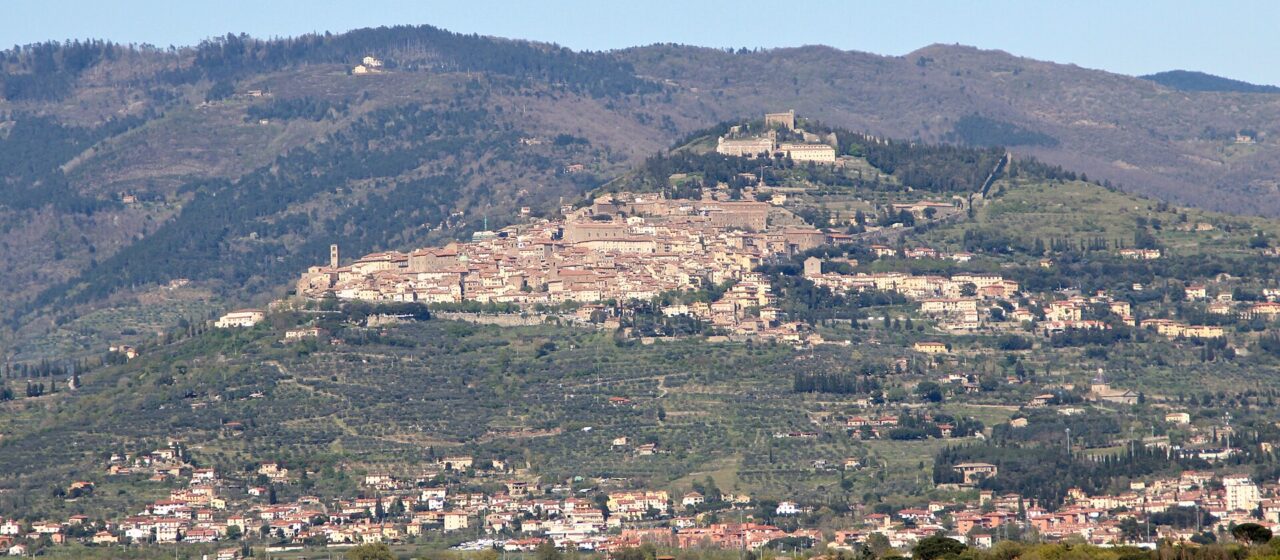
Cortona — the hilltop Tuscan town made famous worldwide by Frances Mayes’s 1996 memoir Under the Tuscan Sun and the 2003 Diane Lane film of the same name — is one of the most evocative small Italian destinations. Perched at 600 metres on the slopes of Monte Sant’Egidio, with views stretching across the entire Val di Chiana to Lake Trasimeno, Cortona is also a substantial Etruscan and medieval town with serious archaeological collections, fine churches, and a dense historic centre. This 2026 guide covers the Florence-to-Cortona day trip — getting there, what to see, the famous viewpoint, the Etruscan museum, and how to plan your day around the place where Frances Mayes lives.
Cortona is one of the least crowded day trips from Florence. It is reachable by regional train from Santa Maria Novella, and pairs well with a second southern-Tuscany day in Val d’Orcia.
What is Cortona?
Cortona is a Tuscan hilltop town of about 22,000 people in the eastern part of the region, near the Umbrian border. The town’s history runs deep: a major Etruscan settlement (one of the twelve cities of the Etruscan League), a Roman colony, a free medieval commune, then incorporated into Florence’s domain in 1411.
The 1996 publication of Under the Tuscan Sun, Frances Mayes’s memoir of buying and renovating Bramasole, a 16th-century farmhouse outside Cortona, made the town a cultural reference point for visitors seeking authentic Tuscan rural life. The 2003 film with Diane Lane added another tourism wave. Today Cortona balances its ongoing local life with this layered tourism — the historic centre is busier than it was, but still functions as a working Tuscan town.
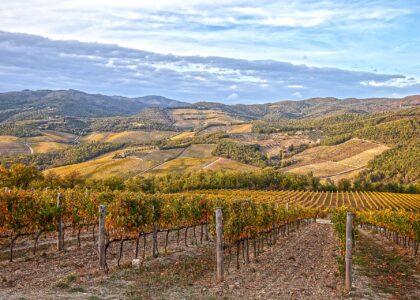
Cortona’s setting on a steep hillside and its panoramic views of the Val di Chiana valley below make it one of Tuscany’s most photographable small towns.
Getting from Florence to Cortona
By Train (Recommended)
- Direct Trenitalia regional train from Florence Santa Maria Novella to Camucia-Cortona station
- Journey: 1 hour 30 minutes to 1 hour 50 minutes (depending on the service)
- Cost: €11.40 fixed regional fare
- Frequency: Roughly hourly
- Catch: Camucia-Cortona station is at the bottom of the hill, 4km below the town. From the station: Bus Linea 4 to Cortona Piazza Garibaldi (15 minutes, €1.70), or taxi (€10–15)
Total Florence to Cortona historic centre: about 2 hours each way, including the bus connection.
By Car
- Distance: 110km via A1 autostrada → SS71
- Driving time: 1 hour 45 minutes
- Tolls: €15 each way
- Parking: Cortona has a small ZTL covering the historic centre. Park at Parcheggio Spirito Santo (€2/hour, €15/day) or smaller free lots outside the walls. Walk into the historic centre.
Guided Tour
Cortona is rarely a stand-alone day-trip destination. It’s typically combined with Arezzo (the larger Tuscan-Aretine town), Lake Trasimeno (across the Umbrian border), or sometimes a combined Tuscany-Umbria tour. €110–180 per person for a guided full-day tour.
What to See in Cortona
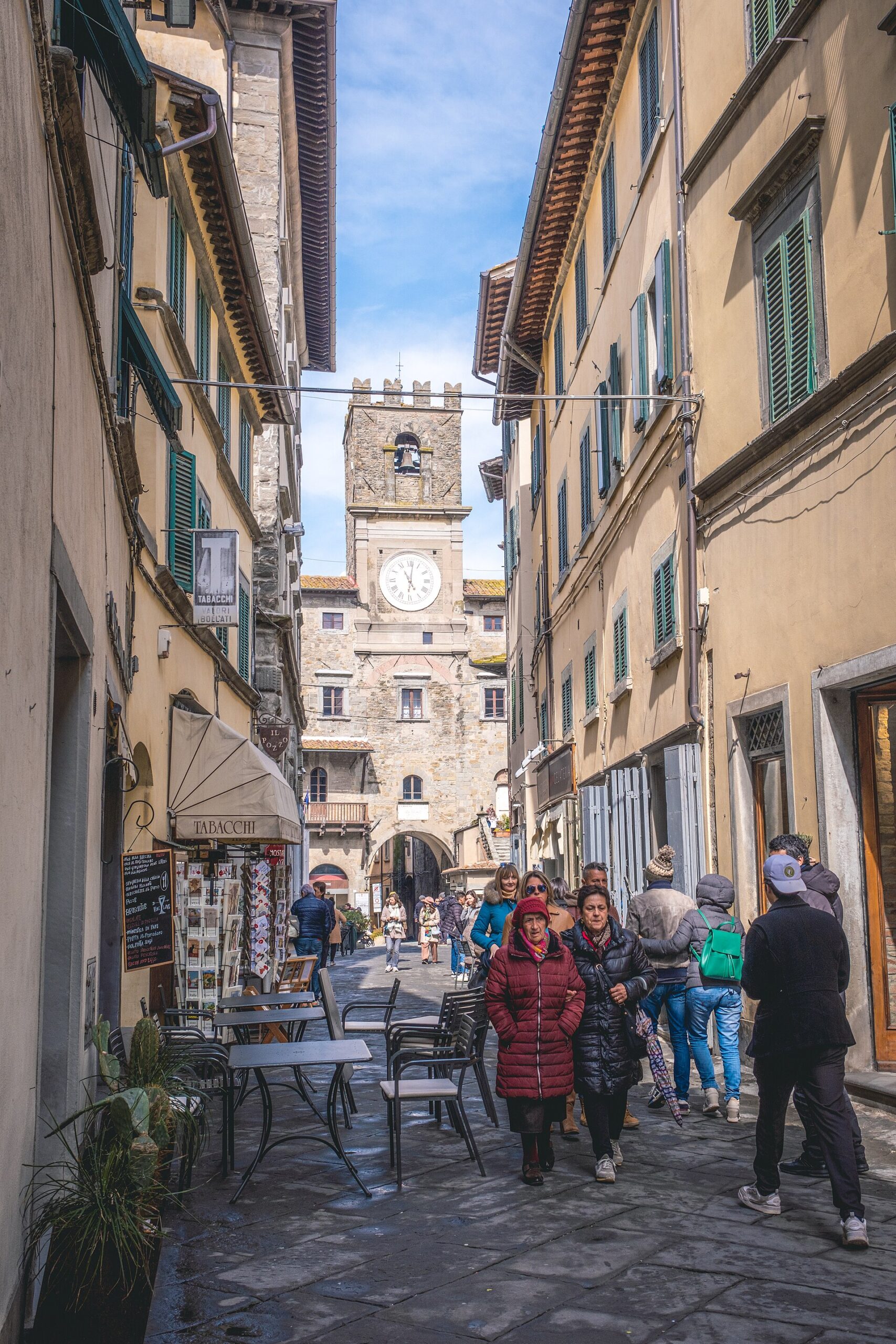
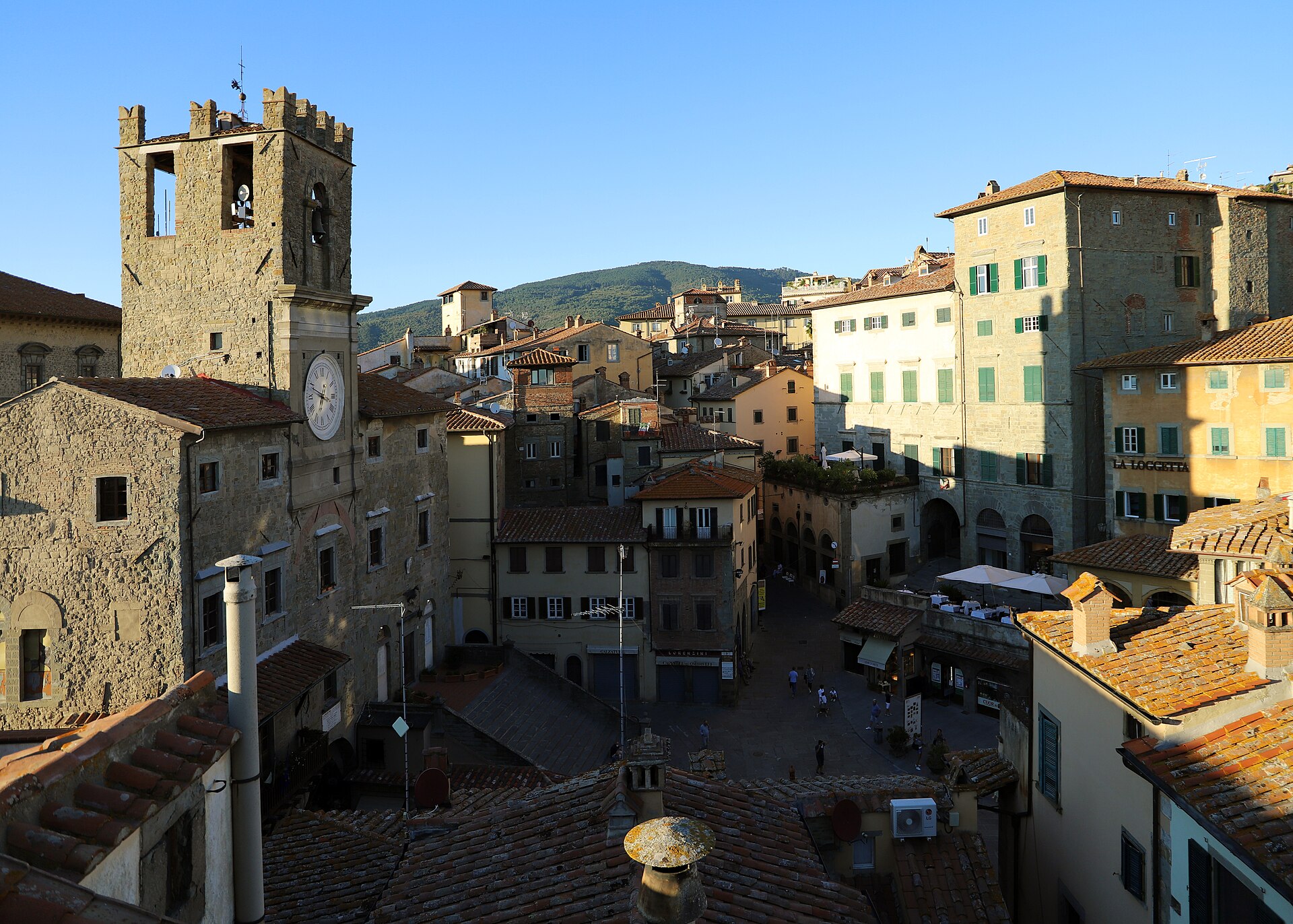
Piazza della Repubblica
Cortona’s main square — small, sloping, surrounded by medieval and Renaissance buildings. Anchored by:
- Palazzo Comunale — the town hall, with a wide stepped facade where film tourists sit (the Diane Lane character does in the film)
- Loggia del Mercato — Renaissance arcade
- Torre Civica — civic tower
- Cafés and shops lining the perimeter — sit, drink, watch passing locals and visitors
Piazza Signorelli
Adjoining piazza named after Luca Signorelli (Cortona-born Renaissance painter, 1450–1523). Houses the Etruscan Academy Museum (MAEC) in the Palazzo Casali — one of Italy’s most important Etruscan collections, with the famous “Tabula Cortonensis” bronze tablet. €13 entry, 90 minutes for a thorough visit. The museum is the reason serious history travellers visit Cortona beyond the film tourism.
Cortona Cathedral
The town’s main church, dedicated to Saint Mary. 11th-century origins with extensive Renaissance modifications. Free entry. The adjoining Diocesan Museum (Museo Diocesano) houses Fra Angelico’s Annunciation (1434, one of his most beautiful works), Pietro Lorenzetti’s Crucifixion, and Luca Signorelli pieces. €5 entry, 45 minutes.
San Domenico Church
Late 14th-century church just inside Porta Berarda. Houses a Beato Angelico triptych (the artist worked in Cortona briefly) and a Lorenzo di Niccolò Coronation of the Virgin. Free entry; quiet and atmospheric.
Basilica di Santa Margherita
Walk uphill 15 minutes from the historic centre to reach this 13th-century Gothic basilica at the town’s highest point. Houses the body of Santa Margherita da Cortona (the town’s patron saint, 1247–1297) in a glass casket. Free entry; spectacular panoramic views from the surrounding piazza.
Fortezza Medicea (Girifalco)
Continue uphill from Santa Margherita to the Medici Fortress at the town’s summit. €5 entry; 360-degree views over Tuscany, Umbria and the Apennines. The climb up from the historic centre takes 30 minutes.
The Cortona Views
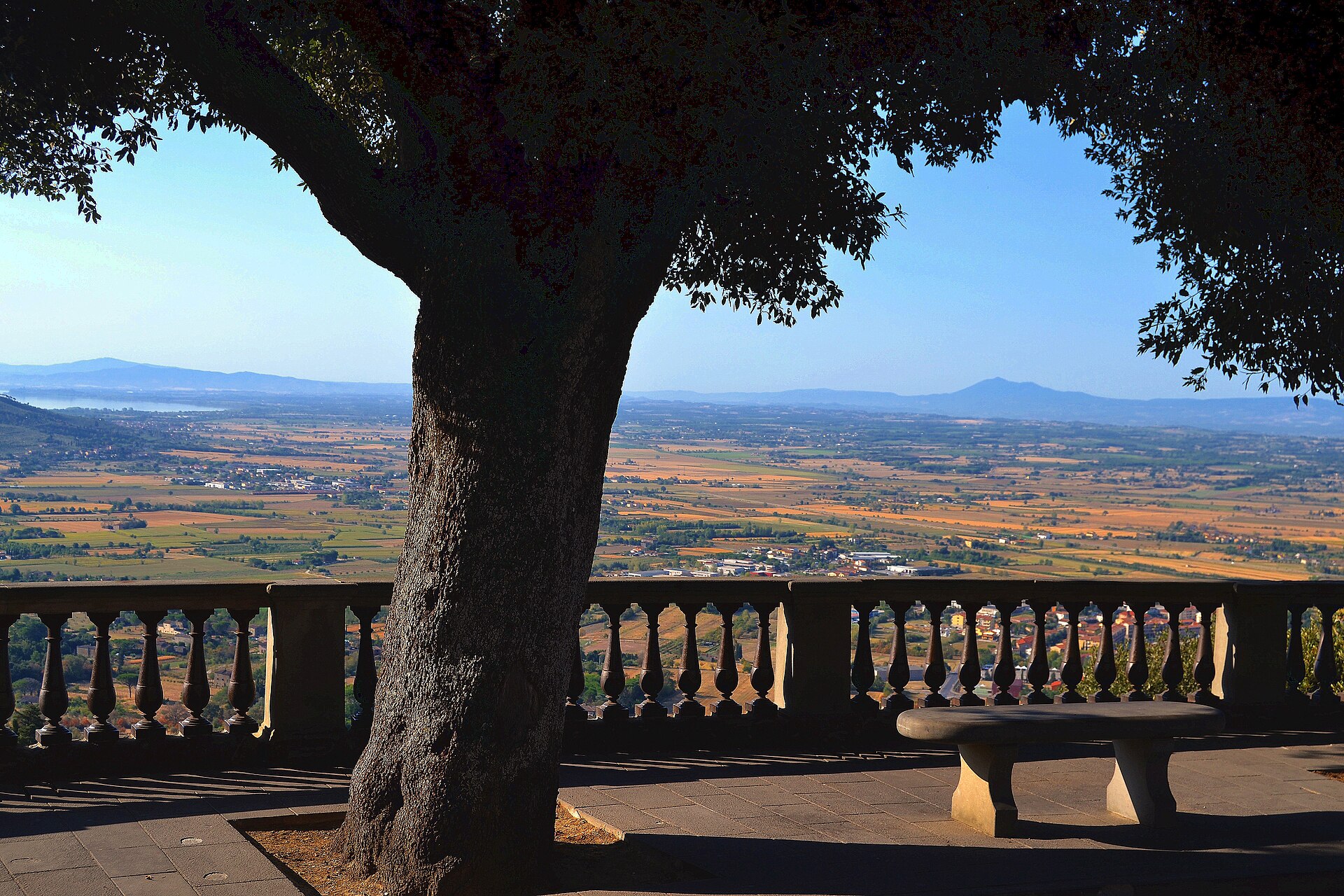
The town’s defining feature is the panorama. From multiple points along its hillside position, Cortona looks out over the Val di Chiana valley — a 40-kilometre expanse of agricultural fields, with Lake Trasimeno (the third-largest in Italy) visible to the south-east on clear days. Best viewpoints:
- Piazzale Garibaldi at the eastern edge of the historic centre — the most accessible panoramic point, with seating
- Santa Margherita Basilica piazza — higher elevation, more comprehensive view
- Fortezza Medicea — the town’s summit at 651 metres, 360-degree view
- The walls along Via Roma — the perimeter walking path
Sunset from any of these points is dramatic, especially when the western light catches the haze across the valley.
Bramasole and Frances Mayes
Bramasole — Frances Mayes’s farmhouse outside Cortona — is at via Bramasole, north-west of the town off the SS71 road. The house is a private residence (Mayes still lives there part-time) and is not open to visitors, but you can see it from the road outside. Located 2km outside the historic centre; a peaceful walk via the country roads.
Mayes wrote the original 1996 memoir Under the Tuscan Sun, the 1999 sequel Bella Tuscany, the 2010 follow-up Every Day in Tuscany, and other works. The 2003 film starring Diane Lane was loosely based on the original book; many film locations are around Cortona but several were filmed elsewhere in Italy.
For literary tourists: Frances Mayes’s main social activities are at the cafés on Piazza della Repubblica when she’s in residence; her books are stocked at every Cortona bookshop.
A 5-Hour Cortona Itinerary
Departing Florence 09:00, returning ~19:00:
- 11:00: Arrive Camucia-Cortona station, take Bus Linea 4 up to Cortona Piazza Garibaldi (15 min)
- 11:15–11:45: Walk along Via Nazionale to Piazza della Repubblica — Cortona’s main artery and square
- 11:45–12:30: Coffee on Piazza della Repubblica, watch local life
- 12:30–14:00: Lunch at Trattoria La Loggetta (overlooking the piazza), Pizzeria Pane e Vino, or Osteria del Teatro
- 14:00–15:30: MAEC Etruscan Academy Museum (€13, 90 minutes for the Etruscan collection and Roman/Renaissance galleries)
- 15:30–16:15: Walk to Cortona Cathedral and Diocesan Museum — Fra Angelico Annunciation
- 16:15–17:00: Climb to Santa Margherita basilica, panoramic views
- 17:00–17:30: Final coffee and final views from Piazzale Garibaldi
- 17:30: Bus 4 back to Camucia-Cortona station
- 18:00: Train back to Florence
- 19:30: Arrive Florence SMN
Cortona Food
Cortona is at the eastern edge of Tuscany, close to Umbria — the cuisine reflects both regions. Local specialties:
- Cinta Senese pork — the local heritage pig breed, used in salami, prosciutto and roasts
- Pici al ragù di cinta senese — hand-rolled pici pasta with the local pork ragù
- Bistecca della Val di Chiana — the Chianina cattle breed comes from the valley below Cortona; the Bistecca alla Fiorentina T-bone steak originates here
- Fagioli zolfini — small white sulphur-yellow beans grown only in this area
- Tartufo — Cortona’s surrounding hills produce both summer and winter truffles
- Vino Cortona DOC — local wines, primarily Syrah-based reds and Vermentino whites
Recommended restaurants:
- Trattoria La Loggetta — Piazza Pescheria, classic Tuscan, often featured in Frances Mayes’s books
- Osteria del Teatro — Via Maffei, slightly upscale, regional cuisine
- Pizzeria Pane e Vino — Piazza Signorelli, casual
- Trattoria Dardano — Via Dardano, working-class trattoria
- Pasticceria Banchelli — local pastries including cantucci di Cortona
Best Time to Visit
- Late April–May, late September–October — comfortable weather, manageable crowds, surrounding countryside at its best
- July and August — packed with tourists; visit before 10:30 or after 16:30 for any photographic peace
- August: the Cortona Festival of Tuscan Sun — annual film festival and cultural celebration in mid-August
- Winter (November–March) — quiet, atmospheric but cold; many smaller shops and restaurants close
Cortona with Children
Cortona is family-friendly:
- Small scale and walkable historic centre
- The MAEC Etruscan Museum has child-friendly displays of artefacts including chariots and weapons
- The Santa Margherita and Fortezza climbs are good adventure walks for older children (ages 8+)
- The Piazzale Garibaldi panoramic terrace has space for kids to run while parents enjoy the view
- Local gelato shops and pasticcerie throughout the centre
Insider Tips
Tip 1: The MAEC Etruscan Museum is one of Italy’s best Etruscan collections — €13 entry, 90 minutes, dramatically less visited than expected. The Tabula Cortonensis bronze tablet is a unique Etruscan-language text.
Tip 2: The Fra Angelico Annunciation in the Diocesan Museum is one of his most beautiful works — quieter and more intimate than San Marco’s larger Annunciation.
Tip 3: Climb to Santa Margherita and the Fortezza for panoramic views — the climb takes 45 minutes round-trip from the centre and rewards with the best Cortona-area photographs.
Tip 4: Avoid Sundays in winter — bus service to Camucia-Cortona station is reduced and walking 4km uphill from the station is challenging.
Tip 5: For Frances Mayes fans: Bramasole is at via Bramasole, north-west of town — visible from the road but a private residence. Don’t disturb the property; the cafés on Piazza della Repubblica are where Mayes spends time when in town.
Tip 6: Combine Cortona with Lake Trasimeno (Umbrian border, 30 minutes south by car/bus) for a fuller day — the lake’s small islands and surrounding villages add medieval-Umbrian character to a Tuscan day.
Tip 7: The annual Sagra della Bistecca (Tuscan T-bone steak festival) in August features a giant communal table for the Bistecca alla Fiorentina — one of Cortona’s distinctive food festivals.
Cortona vs Other Tuscan Hilltowns
- vs San Gimignano: Cortona is larger and more substantively a working town; San Gimignano is smaller and more iconic-tower focused. Cortona has stronger Etruscan and museum content.
- vs Pienza: Pienza is Renaissance “ideal city” architecture; Cortona is medieval-Etruscan with broader museum collections. Pienza is closer to Florence (1h45 vs 2 hours).
- vs Volterra: Both have Etruscan heritage and similar size. Volterra has stronger alabaster traditions; Cortona has better museum collections (MAEC) and the Tuscan-sun cultural reference.
- vs Arezzo: Arezzo is much bigger (50km north of Cortona), with Piero della Francesca frescoes. Cortona has the Frances Mayes fame and dramatic hilltop views.
Cortona Day Trip FAQ
How long is Florence to Cortona?
Train: 1h30–1h50 to Camucia-Cortona station, then bus 4 (15 min, €1.70) to the historic centre. Total ~2 hours each way. Car: 1h45 directly to Cortona via A1 → SS71. Total day-trip time 11–12 hours.
What’s the must-see in Cortona?
The MAEC Etruscan Academy Museum (one of Italy’s best Etruscan collections), the Diocesan Museum’s Fra Angelico Annunciation, Piazza della Repubblica, and the climb to Santa Margherita basilica + Fortezza Medicea for panoramic views.
Can I visit Bramasole?
Bramasole is Frances Mayes’s private residence, located via Bramasole north-west of the town. You can see it from the public road outside but not enter — Mayes still lives there part-time and the property is private.
How do I get from Cortona station to the historic centre?
Camucia-Cortona station is at the bottom of the hill, 4km from the historic centre. Take Bus Linea 4 (15 minutes, €1.70) up to Piazza Garibaldi. Or taxi €10–15. Walking the 4km uphill takes about 1 hour but is steep.
Is one day enough for Cortona?
Yes — 5 hours in the historic centre covers the major sights (Piazza della Repubblica, MAEC Etruscan Museum, Cathedral + Diocesan Museum, climb to Santa Margherita) with time for a long lunch.
When is the best time to visit Cortona?
Late April–May or late September–October. Comfortable temperatures, manageable crowds, surrounding countryside at its best. Avoid peak July–August heat and tourist crowds; avoid winter shorter daylight and reduced services.
Is Cortona good with children?
Yes — small scale, walkable, child-friendly Etruscan museum displays, climbing routes to the basilica and Fortezza for older children, and panoramic terraces for kids to run while adults enjoy views.
Should I take a guided tour?
Cortona is rarely a stand-alone day-trip destination on guided tours; it’s typically combined with Arezzo, Lake Trasimeno or a wider Tuscany-Umbria tour. Self-organised by train + bus is straightforward and gives more time at Cortona itself.
Cortona delivers exactly what readers of Under the Tuscan Sun expect — a small medieval town perched on a hillside, with panoramic Tuscan views, a working main square where local life unfolds, serious Etruscan history, and a Fra Angelico in a small museum most tourists miss. The 2-hour journey each way means a long day, but the rewards justify it: morning coffee on Piazza della Repubblica, the MAEC’s Etruscan tablets, lunch with views over the Val di Chiana, and the climb to Santa Margherita for sunset over Lake Trasimeno. The kind of Tuscan day trip that explains why people sell their lives in California to buy a farmhouse outside this town.