This article contains advertising. Booking links on this site can be turned into paid links automatically by our partner Travelpayouts: if you book through one, we earn a commission from the provider, at no extra cost to you. It never affects what we recommend. Affiliate disclosure
Italian dining etiquette is rich, specific, and important. Knowing the rules transforms tourist meals from anxious to comfortable, and signals respect for the culture that produced one of the world’s great cuisines. Florentines—and Italians generally—follow conventions about meal timing, course order, what goes with what, and how to behave at the table that have evolved over generations. This complete guide covers exactly how to eat out in Florence like a local: from morning espresso etiquette to dinner timing, course conventions, wine pairing, tipping, and the small social rules that distinguish tourists from informed visitors.
The rules are mostly about timing and sequence rather than formality — when to order coffee, what the coperto is for, and why nobody asks for the bill until they want it. See our coffee guide, our tipping guide and the ordering vocabulary in Italian phrases for tourists.
Easter Sunday is a fixed-menu day across the city and Florentine families book it out weeks ahead. Our guide to Easter in Florence has the prices, the lamb and what Pasquetta does to everyone’s plans on the Monday.
The Italian Meal Structure
| Course (Italian) | What It Is | Typical Examples |
|---|---|---|
| Antipasto | Appetizer / starter | Crostini, prosciutto, vegetables, fish |
| Primo | First course (carbohydrate) | Pasta, risotto, soup, gnocchi |
| Secondo | Second course (protein) | Meat, fish, eggs |
| Contorno | Side dish | Vegetables, salad, beans |
| Insalata | Salad (often after secondo) | Mixed greens, tomato |
| Formaggio / Frutta | Cheese / fruit | Pecorino, fruit plate |
| Dolce | Dessert | Tiramisu, panna cotta, cantucci with vin santo |
| Caffè | Coffee (espresso) | One small espresso |
| Digestivo | After-dinner liquor | Grappa, amaro, limoncello |
You don’t need to order every course. Most Italians choose 2-3 courses (e.g., primo + secondo + contorno, or antipasto + primo + dolce). Many trattorias have a full multi-course tasting menu (€40-80). At lunch, many Italians have only a primo or secondo with contorno.
Meal Timing
- Breakfast (colazione): 7:00-10:00. Light: cornetto and espresso, or pastry and cappuccino. Italians don’t typically eat large breakfasts.
- Lunch (pranzo): 12:30-14:30 typical; 13:00-14:00 the most common. Some Italians take a longer lunch (especially in summer with a midday rest).
- Aperitivo: 17:30-19:30. Pre-dinner drinks with snacks at a bar.
- Dinner (cena): 19:30-22:00. Italians dine 8:30-9:30 PM most commonly. Restaurants don’t usually serve dinner before 19:00 (some open at 19:30).
- Late dinner / second dinner: Some restaurants stay open late (until 23:30); pubs and bars later.
Don’t try to dine outside Italian timing without warning. A 17:00 dinner request will be met with confusion or refusal at most restaurants. If you need an early dinner, choose touristy venues or look for “ristorante” with continuous service.
The Coffee Bar Code
- “Un caffè” means an espresso. Don’t order “un espresso”—Italians always say “caffè.”
- Cappuccino only before 11:00 AM. Italians consider milk-based coffee a breakfast drink. Order a cappuccino at 14:00 and you mark yourself as a tourist.
- Pay first at the cash register, then take your receipt to the bar. This is universal. Don’t order at the bar without paying first.
- Standing at the bar is much cheaper than sitting at a table. An espresso at the bar costs €1-1.50; the same drink at a table is €3-5+.
- Italians drink their espresso quickly—usually 30 seconds to 2 minutes. Lingering with an espresso for 30 minutes is unusual.
- If you want milk in your coffee after breakfast, order “un caffè macchiato” (espresso with a small splash of milk). This is acceptable any time.
- Italians don’t drink coffee with meals—coffee comes after the meal, sometimes alongside dessert.
Restaurant Conventions
Greetings and Seating
Always greet the host or waiter with “Buongiorno” or “Buonasera” when entering a restaurant. Don’t seat yourself at most restaurants—wait for the waiter to direct you (“Ci sono posti?” / “Are there seats?” or “Per favore, un tavolo per [number]”). Some casual trattorias and bars have free seating; ask if unsure.
Coperto and Service
Italian restaurants charge a “coperto” (cover charge) per person—usually €1-€5. This is for bread, the table setting, water, and is not a tip; it’s a normal Italian custom. Don’t take it as a tip. Service is always included by law (no need to add 15-20% tip).
Water
Italian restaurants serve bottled water (sparkling “frizzante” or still “naturale”) for which you pay €2-€5 per liter. Tap water (“acqua del rubinetto”) is generally not served in restaurants—it’s not their custom. Don’t insist; just pay for the bottle.
Bread
Most restaurants serve bread (often Tuscan saltless bread). Don’t put olive oil, butter, or vinegar on bread—Italians eat bread plain or use it for “scarpetta” (mopping up sauce at the end of the meal). Asking for olive oil to dip bread is a tourist tic.
Pasta and Sauce Conventions
- Specific pastas pair with specific sauces. Don’t ask for substitutions (“Can I have pesto on penne?”). The waiter will accept but with reservations.
- Don’t add cheese to seafood pasta. This is a serious convention break that signals tourist.
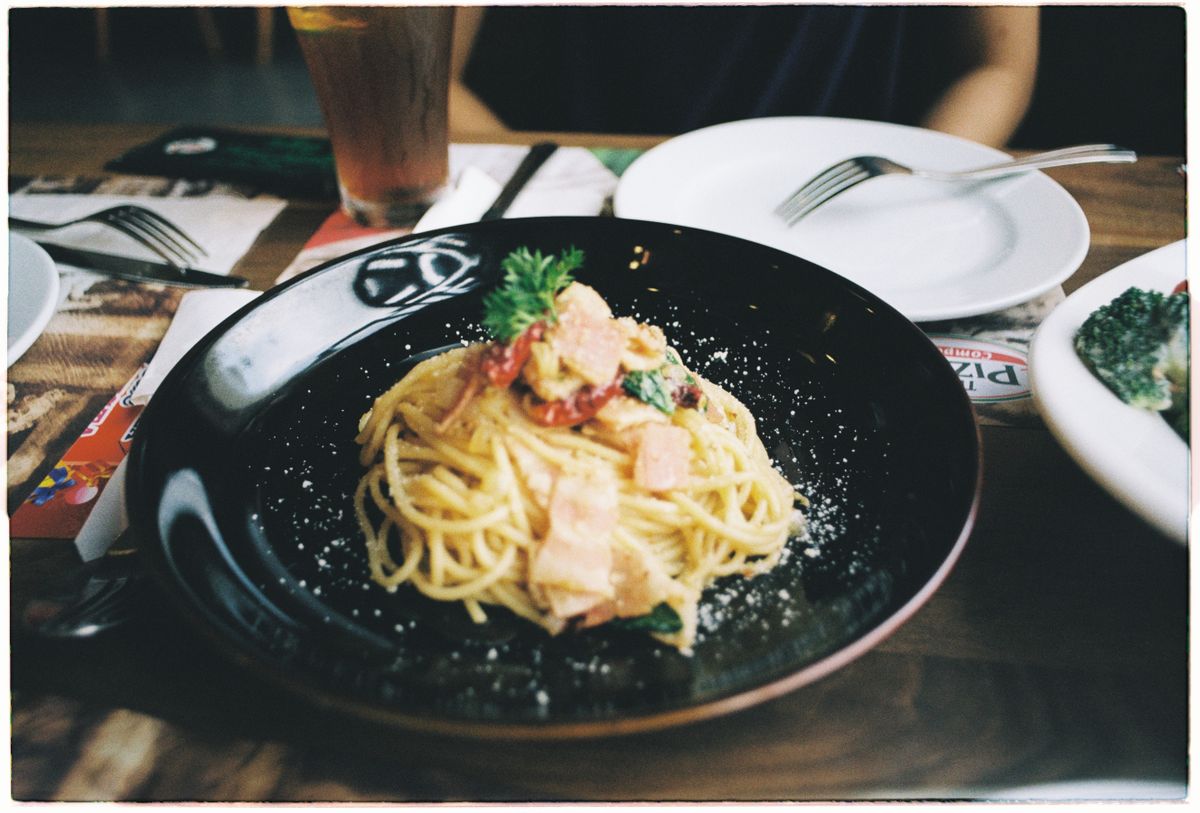
- Eat pasta with a fork only. The “twist on a spoon” technique is American, not Italian. Italians wind a few strands of pasta on the fork and eat without bowl-spoons.
- Don’t drink milk with pasta or pizza. Italians drink water, wine, or beer with these dishes.
- Eat pasta within 5 minutes of arriving—pasta cools quickly and the texture changes.
Pizza Conventions
- Pizza is sometimes eaten with knife and fork in restaurants; sometimes with hands at pizzerias. Watch what locals do.
- Don’t share pizza in slices like in America. Each person typically gets their own pizza.
- Don’t order pizza with strange toppings (pineapple is a serious offense).
- Don’t ask for ranch dressing or any unusual sauce. Olive oil is the only acceptable addition.
- Pizza is often eaten for dinner, not lunch. At lunch, you’ll find more pasta-focused options.
Wine Etiquette
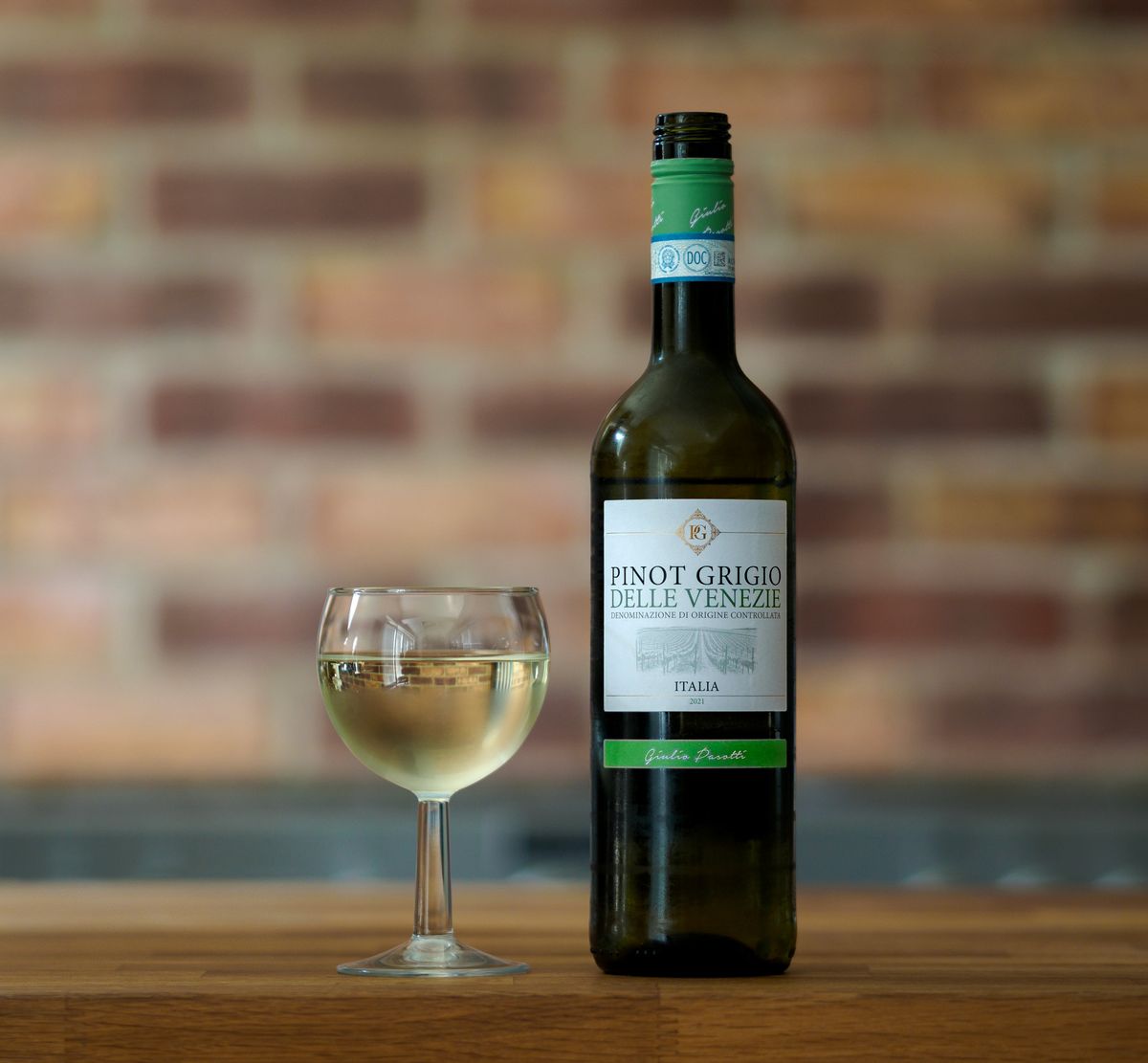
- Wine is standard with lunch and dinner. Even at lunch, ordering a glass or half bottle is normal.
- House wine (“vino della casa”) is offered at most restaurants. Affordable (€8-15 for a half-liter). Quality varies; usually drinkable, occasionally excellent.
- Italians prefer Italian wines—particularly local Tuscan ones (Chianti Classico, Brunello, Vernaccia di San Gimignano) at Florence restaurants.
- Wine is poured by the waiter; you don’t pour your own at most restaurants.
- Italians don’t typically drink water with wine; they alternate sips.
- “Salute!” or “Cin cin!” is the toast (not “cheers”).
- Don’t taste wine multiple times before accepting it. The waiter pours a small sample; you sip and nod approval. Single sip, not extended consideration.
The Bill (Il Conto)
- Italian waiters don’t typically bring the check until you ask. Continuing to sit and chat is normal in Italy. When ready, raise your eyes and say “Il conto, per favore” (the bill, please).
- Service is included; no tip required. Round up €1-2 for good service if you wish.
- Coperto (cover charge) is on the bill. This is normal.
- Card and cash both accepted. Italian law requires card acceptance for purchases over €5.
- Splitting the bill is uncommon among Italian friends—someone usually pays for everyone, then they reciprocate next time. Tourists are welcome to split, just request “alla romana” (split equally).
- Receipt is provided automatically. Keep it; Italian law requires you to leave with it.
Salt, Pepper, and Cheese
- Salt and pepper are NOT typically on the table. If you want them, ask politely.
- Asking for parmesan with seafood pasta will result in raised eyebrows. Don’t.
- Italians don’t eat cheese (parmesan, pecorino) with all dishes. Some pasta is served without cheese; ask if unsure.
- Sugar packets and butter are often pre-portioned at the table.
What Italians Don’t Do at Restaurants
- Eat dinner before 19:00 (except in tourist-heavy venues).
- Order coffee with dinner.
- Ask for substitutions on classic dishes (“Can I have pesto instead of marinara?”).
- Take leftovers (“doggy bag”) home—rarely done in Italy except at tourist venues.
- Eat appetizers, mains, and salad simultaneously. Italians eat in courses.
- Talk loudly at the table.
- Speak to the waiter from across the room. Get up and approach if needed.
- Tip 15-20% as in the US. Round up €1-2 if good service.
- Take photos of every dish before eating.
- Cancel a reservation last-minute. Restaurants take reservations seriously.
Italian Eating Habits
- Italians don’t graze on snacks throughout the day. Three meals plus possible aperitivo is the norm.
- Italians eat slowly, taking 90+ minutes for full meals.
- Italians don’t eat while walking, on public transport, or at desks. Eating is a focused activity.
- Italians don’t drink alcohol for breakfast. Aperitivo is pre-dinner, not pre-lunch.
- Italians take coffee standing at the bar usually. The “coffee break” sitting at a table is more leisurely.
- Italians wash hands before meals (an old habit reinforced by EU food safety rules).
Aperitivo Etiquette
Aperitivo (5:30-8:00 PM) is the pre-dinner drinks tradition. Order a Spritz, Negroni, Prosecco, or Italian beer. Many bars include free or discounted snacks—olives, crostini, salumi, mini-pizzas, or even an entire small buffet. Quality and quantity vary by venue:
- Standard aperitivo: €8-12 with snacks included.
- Apericena (substantial aperitivo): €10-15 including a buffet meal.
- Premium aperitivo: €15-25 with cocktails and small plates.
Don’t pile up the buffet plate excessively—Italian culture values balance and moderation. Take what you’ll eat, and stop. Replenishing once or twice is fine.
The Italian Cheese and Wine Course
Some Italian meals include a cheese (formaggio) or fruit (frutta) course after the secondo and before dessert. This is more common at fine dining and traditional restaurants. Cheese is typically served with honey, jam, or pear; fruit is fresh, seasonal, and locally sourced. The cheese plate is small (1-3 cheeses) and meant for tasting, not as a meal.
Eating with Italians
If invited to an Italian home for dinner:
- Bring a small gift (pastries, wine, or flowers).
- Arrive 15-30 minutes after the stated time. Italians value this slight late arrival.
- Compliment the food repeatedly. “È buonissimo” (It’s delicious) goes far.
- Eat what’s offered, even if it seems like too much. Refusing food is impolite.
- Don’t ask for a take-home container.
- Stay for at least 2-3 hours. Italian dinners are leisurely social affairs.
- Offer to help clear the table; it’s polite though usually declined.
Frequently Asked Questions
Should I tip in Italian restaurants?
Service is included by law. Tipping is not expected. Round up by €1-€5 for good service if you wish. Don’t tip 15-20% as in the US—it’s unnecessary and may cause confusion.
What is “coperto”?
Coperto is a per-person cover charge of €1-€5 for bread, table setting, and water. It’s NOT a tip. It’s normal Italian restaurant practice and appears on every bill.
When can I order cappuccino in Italy?
Until about 11:00 AM. Italians consider milk-based coffee a breakfast drink. After 11:00 AM, order an espresso (“un caffè”) or a macchiato (espresso with a splash of milk). Ordering a cappuccino at 14:00 marks you as a tourist.
What time do Italians eat dinner?
20:00-22:00 typical. 20:30-21:30 is the peak dinner time. Most restaurants don’t serve dinner before 19:00; some open at 19:30. Tourist-heavy venues may have earlier hours.
How many courses should I order?
2-3 typically. Common combinations: antipasto + primo + dolce; primo + secondo + contorno; or primo + secondo. Most Italians don’t order all 5+ courses unless at a special meal. Don’t feel pressure to order everything.
Can I split the bill in Italy?
Yes, but it’s not common among Italian friends. Italians typically take turns paying. Tourists can request “alla romana” (split equally) or “ognuno paga il proprio” (each pays for their own).
Is it OK to ask for substitutions?
Generally avoid asking for substitutions on classic dishes. Italian restaurants follow specific recipes faithfully, and asking for parmesan on seafood pasta or unusual changes will be received with reservation. Allergic substitutions are accepted; preference substitutions less so.
Why don’t they bring tap water?
Italian custom is to serve bottled water at restaurants. Tap water is safe but isn’t traditionally served. Pay €2-5 for the bottle (sparkling “frizzante” or still “naturale”); it’s part of the Italian dining experience.
What if I have dietary restrictions?
Italian restaurants are accustomed to Italian dietary norms. Vegetarian options are widely available; vegan more limited (ask in advance). Gluten-free has expanded; some restaurants are dedicated gluten-free. Allergies (Allergia, intolleranza) are taken seriously when communicated. Phrases: “Sono allergico a [allergen]” (I am allergic to). “Senza glutine” (gluten-free). “Sono vegetariano/vegana” (vegetarian/vegan).