This article contains advertising. Booking links on this site can be turned into paid links automatically by our partner Travelpayouts: if you book through one, we earn a commission from the provider, at no extra cost to you. It never affects what we recommend. Affiliate disclosure
Tipping in Italy is fundamentally different from tipping in the United States — Italian wages aren’t tip-dependent, gratuities are appreciated rather than expected, and over-tipping by US standards can come across as awkward rather than generous. This 2026 guide explains exactly how tipping works in Florence: how much (if anything) to leave at restaurants, the difference between the coperto and a tip, taxi rounding, hotel housekeeping etiquette, tour guide expectations, and the small cultural nuances that prevent rookie mistakes. Done right, you’ll over-tip nothing and still leave appreciation that lands as it should.
Tipping is only one part of the bill etiquette here — coperto, servizio and the standing-versus-seated price difference all matter more. Our guides to Italian dining etiquette, money and cards in Florence and ordering coffee like a local fill in the rest.
The Italian Tipping Culture
Italians tip dramatically less than Americans. The Italian system pays restaurant servers a base wage that doesn’t depend on tips; many bills already include a cover charge (coperto) that funds the table service. Locals typically round up the bill or leave a few coins on the table — €1–3 on a €40 dinner bill is normal Italian generosity.
This means three things for travellers:
- You don’t have to tip 18–22% like in the US. Doing so isn’t insulting (it’s appreciated), but it isn’t expected and won’t change service quality.
- You don’t have to tip at all in many situations. Quick coffees, market purchases, basic taxi rides — Italians don’t tip for these and you don’t need to.
- The “tip line” doesn’t exist on Italian credit-card receipts. Tip in cash if you’re going to tip — leaving a tip on the card terminal is impossible.
That said, in tourist-heavy areas of Florence, some servers expect tips from American visitors specifically. Don’t feel pressured — the locals around you aren’t tipping, and you don’t need to either. A 5–10% maximum at restaurants where service was particularly good is the upper bound for thoughtful tippers.
Coperto: The Italian Cover Charge
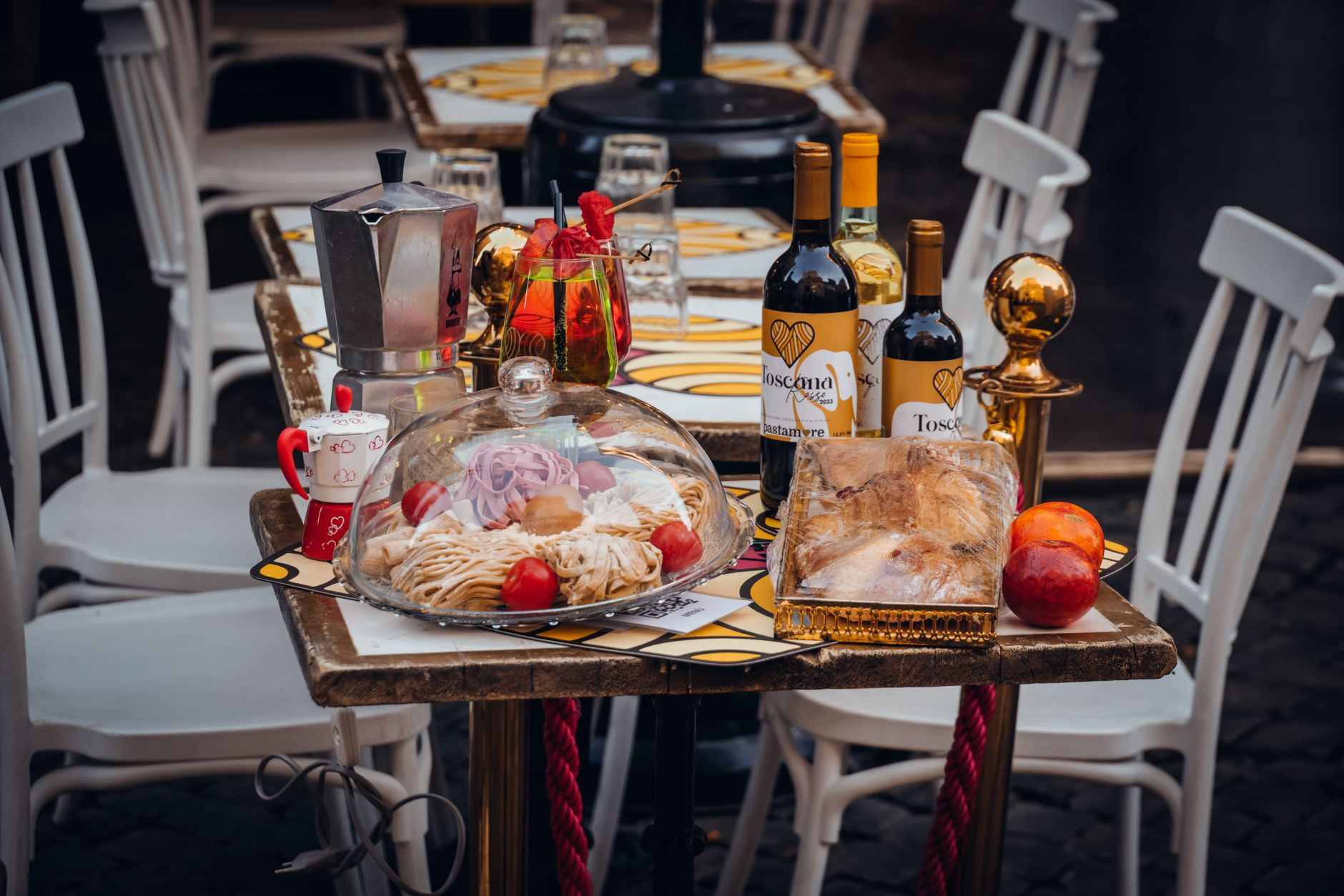
Most Italian sit-down restaurants charge a coperto — typically €1–4 per person — added as a separate line on the bill. The coperto covers:
- Tablecloth, napkins, cutlery, ceramic plates
- Bread or breadsticks brought to the table
- Basic table service / setup
The coperto is not a tip. It’s also not a scam or a tourist trick — Italian law allows it as long as it’s clearly listed on the menu. Most Florentine restaurants list it at the bottom of the menu (small print: coperto €2 a persona or similar). Coperto is unavoidable; it goes to the restaurant, not directly to the server.
Some restaurants use a servizio charge instead of (or in addition to) the coperto — typically 10–15% of the bill total, automatically added. This is more genuinely a “service charge” and partially distributes to staff. Touristy Florentine restaurants increasingly use servizio rather than coperto. When servizio is on the bill, no further tip is expected.
Watch for double-charging: coperto + servizio + tip is occasionally pushed by aggressive servers in Piazza della Signoria restaurants. If both coperto and servizio appear on your bill, do not also tip — the servizio is the tip. If only coperto appears, leave a small additional gesture (€2–5) for good service if you wish.
Tipping at Restaurants
The recommended approach for Florence restaurants in 2026:
- Casual trattorie and osterie — round up to the nearest €5 or leave a few coins on the table. €30 bill → leave €30 (no tip needed) or €32 if service was particularly good. Italians rarely tip at all here.
- Mid-range restaurants (€40–80 per person) — leave 5–10% if service was attentive. Drop a €5 note on a €60 bill. If servizio is already added, no further tip.
- Upscale restaurants (€80+ per person) — 10% is appreciated but not expected. The maître d’ or wine steward are the staff you can specifically tip in cash if their service was exceptional (€10–20 per server, slipped discretely).
- Michelin-starred and high-end places — most include a 12–15% servizio. Don’t add a further tip unless service genuinely exceeded standard. Even at Michelin level, no Italian leaves 20%+.
Tip in cash, not on the card. Italian credit-card receipts don’t have a tip line, and trying to add a tip to the card transaction usually doesn’t work. Carry small bills (€5, €10) for tipping.
Where to leave the tip: on the table in a folded napkin, in the bill folder, or handed directly to the server with a thank-you. Don’t make a production of it — tipping is a quiet gesture in Italian culture, not a public announcement.
Cafés, Bars & Aperitivos
Italian café culture is built on quick standing-bar transactions. The pricing is two-tier:
- Standing at the bar — €1.20–1.50 for an espresso, €2–3 for a cappuccino. Pay at the cashier first, then take the receipt to the bar. No tip expected. Some Italians leave a 10–20 cent coin on the bar after paying as a gesture, but it’s optional.
- Sitting at a café table — €3–6 for the same espresso, €4–8 for a cappuccino. Service charge is built into the higher table price. No additional tip needed.
Aperitivo bars (where €7–10 buys a spritz plus access to a food buffet) follow restaurant tipping logic — round up the bill or leave €1–2 if the service was excellent.
Gelaterie (gelato shops) — no tipping. Pay the listed price.
Taxis & Ride Services

Florence taxis use metered fares (or fixed airport rates) and tipping is light:
- Standard city rides — round up to the nearest euro. €8.50 fare → pay €9. €12.50 fare → pay €13.
- Airport transfers (fixed fare of around €30) — the fare is set by the city, so add a little only if the driver helped with luggage. Some travellers tip €3–5 at the airport for substantial luggage handling.
- Long-distance rides (e.g., Florence to Siena, €120+ fare) — 5–10% appreciated.
- Uber Black — the fare does not include a tip. Tipping through the app is optional, a gesture rather than an obligation.
If a driver provides exceptional help (carrying heavy bags up stairs at your hotel, taking a non-standard scenic route at your request), an additional €2–5 is appropriate.
Hotels
Bellhops and Porters
€1–2 per bag is standard at 4-star and 5-star hotels. Pay in cash on receipt of luggage. Smaller hotels and B&Bs typically don’t have bellhops, so no tip applies.
Housekeeping
€2–5 per night, left at the end of your stay rather than daily. Italian housekeepers don’t expect tips like American hotel maids, but the gesture is appreciated, particularly at higher-end hotels. Leave the tip with a brief thank-you note (Italian or English) on the dresser at checkout.
Concierge
For booking hard-to-get reservations, sourcing tickets, arranging transportation, or other above-and-beyond service: €5–10 for a simple favour, €15–25 for major effort. The Florentine concierge tradition takes care seriously — a small gesture of appreciation for exceptional service is well-received.
Room Service
Most Italian hotels add an automatic 10–15% service charge to room-service bills. No further tip is expected. If servizio isn’t on the bill, €2–3 is sufficient.
Valet Parking
€1–2 each time the car is brought up. Mostly relevant at the larger luxury hotels with parking arrangements (most central Florence hotels don’t offer valet because of ZTL restrictions).
Tour Guides & Drivers
Tour guides on group walking tours, museum tours, and full-day excursions appreciate gratuities — this is a more tip-friendly category than the typical Italian restaurant. Standard amounts:
- Free walking tours (pay-what-you-want) — €10–15 per person for a 2.5-hour tour. Tips are voluntary, so check the operator’s own guidance on what it suggests.
- Group walking tours (paid €25–40 per person) — €5–10 per person additional tip if you enjoyed the tour.
- Private guides (€150–300 per half-day) — 10–15% of the tour fee, paid in cash at the end.
- Day-trip drivers (Chianti, Tuscany) — €10–20 per group at the end of a full-day tour.
- Cooking class instructors — typically not tipped (the class fee is high), but €10–15 from a small group is a nice gesture for an exceptional class.
Tour-bus group drivers (the kind who shuttle groups to Pisa, San Gimignano) usually get €1–3 per person from the group at the end of a full day.
Other Tipping Situations
Hairdressers / Spas
Most Italian salons don’t expect tips. €2–5 for an exceptionally good cut or a spa massage is sufficient. Italian wages cover the service.
Public Toilet Attendants
Some public toilets have a saucer with coins for tips. €0.50–€1 is appropriate where attended; pay-by-coin turnstile toilets at train stations charge €1 directly without tipping.
Museum Cloakrooms
No tip — service is included in admission. Don’t tip at the Uffizi or Accademia bag-check.
Street Musicians and Buskers
Pay if you’ve stood and listened (€0.50–€2 is standard). Don’t pay if you’re just walking past.
Market Vendors
No tip — pay the marked price. Negotiating prices at the leather market is common; tipping isn’t part of the dynamic.
Food Delivery
If using Glovo, Deliveroo, JustEat or similar — €1–2 cash tip on receipt is appreciated. Italian delivery wages are low enough that tips matter to riders.
Tipping Mistakes Travelers Make
Tipping 20–25% at restaurants. Italian servers don’t expect this and may consider it strange. 5–10% is the upper bound for excellent service.
Tipping on top of servizio. If “servizio” appears on the bill (typically 10–15%), it’s the tip. Don’t add a further tip on top.
Trying to tip on the credit card. Italian receipts don’t have a tip line. Tip in cash.
Tipping at espresso bars when standing. Italians don’t. Skip it.
Confusing coperto for a tip. Coperto is the cover charge for the table — it goes to the restaurant, not the server. Tip separately if you’re going to tip.
Over-tipping concierges who did basic things. €5–10 is for genuinely above-and-beyond service. Booking a standard restaurant reservation doesn’t merit a tip; sourcing impossible-to-get opera tickets does.
Tipping per coffee at a café table. The seated price already includes service. Don’t add anything.
Worrying about tipping more than the service. Italians don’t see service quality as connected to tipping. A polite waiter has been polite long before you sat down; over-tipping doesn’t improve future service.
Cultural Context: Why Italians Don’t Tip Like Americans
The Italian tipping culture reflects three structural differences from the US:
- Wages. Italian restaurant servers earn a regulated full wage (€10–14 per hour) regardless of tips. In most of the US, servers can be paid a tip-credit cash wage (federal law sets it at $2.13 per hour, provided wages plus tips reach $7.25, and some states require more) and depend on tips for income. The Italian system isn’t broken — tipping doesn’t fund the workforce.
- Coperto / servizio. Italian restaurants build the table-service cost into the bill via coperto or servizio. The “service charge” is institutionalised, not voluntary.
- Cultural egalitarianism. Italians historically considered large tips ostentatious — a public display of wealth that draws attention to economic inequality. Modern Italy has softened this attitude but the residual cultural tone is “tip discreetly, modestly.”
This means American travellers frequently over-tip in Italy — leaving 20%+ on bills where 5% would be appropriate. The over-tipping isn’t insulting (it’s appreciated), but it can come across as a tourist signal rather than a normal Italian gesture. Tipping like a local — round up the bill, leave a few coins — fits the culture more naturally.
Quick Reference: Tipping in Florence
| Service | Standard Tip | Notes |
|---|---|---|
| Casual trattoria | Round up €1–3 | Optional; many Italians don’t tip |
| Mid-range restaurant | 5–10% | Cash only; check for servizio |
| Upscale restaurant | 5–10% | If servizio listed, no extra tip |
| Espresso at bar (standing) | None / coins | 10–20 cents optional |
| Café at table | None | Service in price |
| Aperitivo bar | Round up €1–2 | For excellent service |
| Taxi (city) | Round to nearest € | ~€1 max |
| Taxi (airport) | Round up €2–3 | More if heavy luggage |
| Hotel bellhop | €1–2 per bag | 4-star and above |
| Hotel housekeeping | €2–5 per night total | Leave at checkout |
| Concierge (basic favour) | None–€5 | For booking standard things |
| Concierge (special favour) | €10–25 | For hard-to-get reservations etc. |
| Free walking tour | €10–15 per person | The guide depends on tips |
| Paid group tour | €5–10 per person | If service was good |
| Private guide | 10–15% of tour fee | Cash at end of tour |
| Day-trip driver | €10–20 per group | At end of full day |
| Toilet attendant | €0.50–€1 | Where attended |
| Food delivery | €1–2 cash | For app-based delivery |
Tipping in Florence FAQ
Is tipping required in Florence?
No. Italian wages aren’t tip-dependent and gratuities are appreciated rather than expected. Many Italians don’t tip at all in casual settings.
Is the coperto a tip?
No. Coperto (€1–4 per person) is a cover charge for the table set-up, bread and basic service. It goes to the restaurant, not directly to the server. Tip separately if you want to leave one.
What is “servizio” on the bill?
Servizio is a service charge — typically 10–15% of the bill — automatically added at some restaurants. It’s the closest Italian equivalent to a built-in tip. When servizio is listed, no further tip is expected.
What percentage should I tip at Italian restaurants?
5–10% maximum at restaurants where service was good. Round up the bill or leave a few coins on the table at casual trattorias. Don’t tip 18–25% American-style — Italian servers don’t expect it.
Can I tip with a credit card in Italy?
Italian credit-card receipts don’t have a tip line, so tipping with a card is impractical. Tip in cash.
Should I tip for coffee at a Florence bar?
No. Standing-bar espresso (€1.20–1.50) doesn’t require a tip — Italians don’t tip here. Some leave a 10–20 cent coin, optional. Sit-down café table service includes the cost in the higher table price; no further tip needed.
How much do I tip a taxi in Florence?
Round up to the nearest euro. €8.50 fare → pay €9. €12.50 → pay €13. For airport transfers with luggage help, €2–3 additional is appropriate.
How much do I tip hotel staff?
Bellhop: €1–2 per bag. Housekeeping: €2–5 per night, left at checkout. Concierge: €5–10 for standard favours, €15–25 for above-and-beyond service. Most B&Bs and small hotels don’t have these positions, so no tipping applies.
Tipping in Florence is about cultural fit rather than mathematical compliance. Round up bills, leave small cash gestures for excellent service, never tip on top of an already-included servizio charge, and don’t worry about percentage targets the way you would in the US. The Italian system pays its workers a real wage, builds service into the bill structure, and treats gratuity as a quiet appreciation rather than a financial transaction. Tip like a local — modestly, in cash, with a thank-you — and you’ll get the warmth right.