This article contains advertising. Booking links on this site can be turned into paid links automatically by our partner Travelpayouts: if you book through one, we earn a commission from the provider, at no extra cost to you. It never affects what we recommend. Affiliate disclosure
Practical needs in Florence are easier than many travelers expect. Public restrooms are limited but cafes are everywhere; pharmacies (farmacie) are reliable and English-friendly; emergency services are professional and free for emergencies; and the city has a dedicated tourist medical service for English-speaking doctor visits. This guide covers everything practical: where to find restrooms, how Italian pharmacies work, what to do in medical emergencies, important phone numbers, and the daily logistics of staying healthy and comfortable in Florence.
Public toilets are scarce in the centre, so museums and cafés do most of the work — worth knowing before a long day at the Uffizi. Our safety guide and travel insurance guide cover what to do when something more serious goes wrong.
June is the month heat stops being an abstraction here — the basin holds it and the stone gives it back after dark. Our guide to Florence in June has the daily shape that keeps you out of trouble, and where the water fountains are.
The hottest month of the year is the one where the water fountains, the late-opening pharmacies and the public toilets genuinely change your day. Our guide to Florence in July has the hour-by-hour plan that keeps you out of trouble.
Quick Reference: Florence Practical Numbers
| Service | Number / Address |
|---|---|
| General European emergency | 112 |
| Italian medical emergency | 118 |
| Italian fire emergency | 115 |
| Italian police | 113 |
| Carabinieri (military police) | 112 |
| Municipal police | +39 055 3283333 |
| Tourist Medical Service | Via Roma 4 |
| Main hospital (emergency) | Ospedale Santa Maria Nuova, Piazza S. Maria Nuova 1 |
| 24-hour pharmacy | Farmacia Comunale 13, SMN train station |
Public Restrooms in Florence
Florence’s public restroom situation is challenging—the historic center has few free public toilets. Strategies to find restrooms:
Buy a Coffee
The most reliable approach: walk into any cafe or bar, order an espresso (€1-1.50) at the counter, and ask “Posso usare il bagno?” (Can I use the bathroom?). The espresso effectively becomes your toilet fee. Cafes have toilets in central Florence; some are downstairs (basement steps).
Free Public Toilets
Limited but available:
- Santa Maria Novella station: Pay toilets near the platforms (€1).
- Piazzale Michelangelo: Free public toilets near the parking area.
- Boboli Gardens: Toilets at the entry (free with admission).
- Major museums (Uffizi, Accademia, Pitti): Toilets inside (free with admission).
- Cathedral complex: Toilets in the Cathedral Museum (free with pass).
- Mercato Centrale: Toilets in the food court (free).
- Palazzo Vecchio: Toilets inside (free with admission).
Department Stores and Hotels
La Rinascente department store (Piazza della Repubblica) has free customer toilets. Larger hotel lobbies often have public toilets even for non-guests; ask politely.
Some Practicalities
- Italian toilets sometimes lack toilet seat lids; this is normal.
- Toilet paper is sometimes near the sink rather than next to the toilet.
- Some establishments have bidet fixtures; they are not toilets.
- Many Italian toilets have a separate “scarico” (flush) on the wall above the toilet rather than on the tank.
- Don’t flush anything other than toilet paper and waste—Italian plumbing handles less than American plumbing.
Italian Pharmacies (Farmacie)
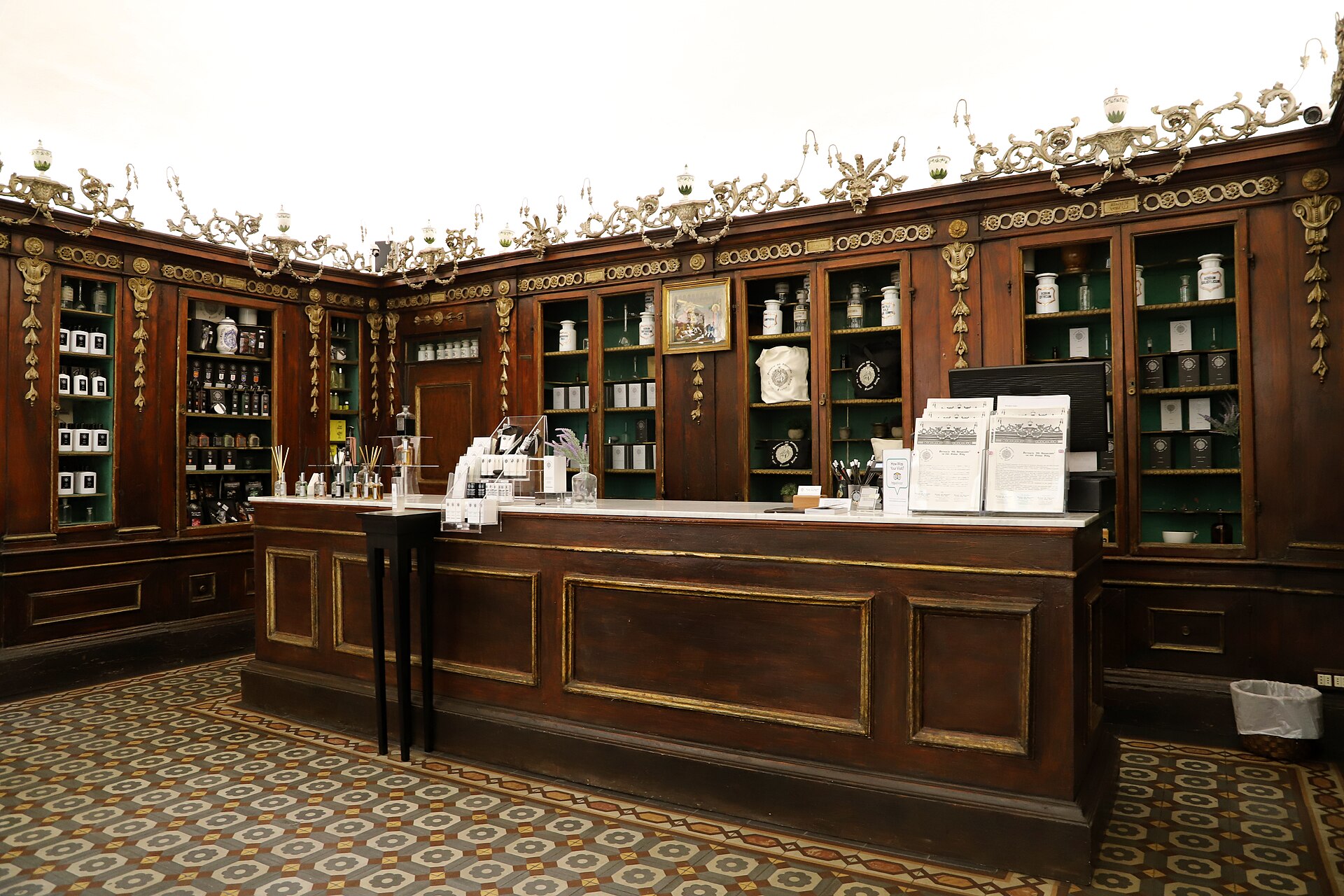
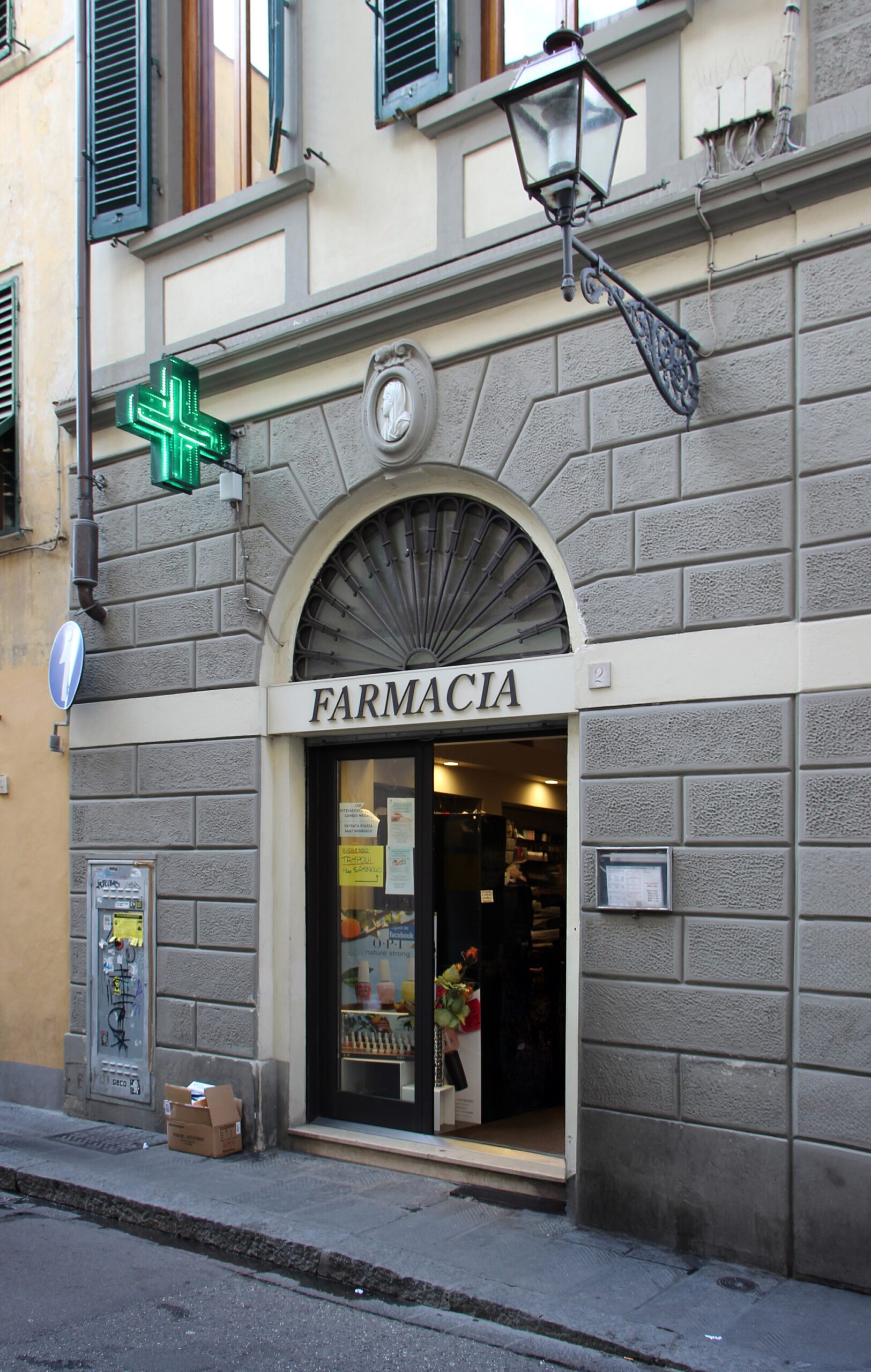
Italian pharmacies (marked by green crosses outside) provide far more services than US drugstores:
What Italian Pharmacists Do
- Diagnose minor conditions: Italian pharmacists are highly trained and can advise on headaches, colds, GI distress, allergic reactions, minor cuts, and skin conditions without a doctor’s appointment.
- Recommend over-the-counter medications: They can suggest specific Italian medications for specific symptoms.
- Sell medications without prescriptions: Many medications that require prescriptions in the US (some cold medications, antihistamines, even some antibiotics) are available over-the-counter in Italy.
- Provide first aid: Bandages, antiseptics, and basic wound care.
- Measure blood pressure: Most pharmacies have free blood pressure machines.
- Refer to doctors: If you need a doctor visit, they’ll direct you.
Common Italian Pharmacy Items
- Tachipirina: Paracetamol/acetaminophen (Tylenol equivalent). For pain and fever.
- Aspirina: Aspirin.
- OKi: Powder NSAID for sore throat and inflammation.
- Imodium: For diarrhea (called Imodium in Italy too).
- Antistax: For tired legs (popular Italian remedy).
- Buscopan: For stomach cramps.
- Maalox: For heartburn and indigestion.
24-Hour and English-Speaking Pharmacies
- Farmacia Comunale 13: Inside Santa Maria Novella station. 24/7. English commonly spoken. The most reliable late-night/emergency option.
- All’Insegna del Moro: Piazza San Giovanni 20. Open 08:00–23:59.
- Farmacia Molteni: Via Calzaiuoli 7r.
- Farmacia Internazionale: Specifically marketed to international visitors.
Medical Care for Tourists
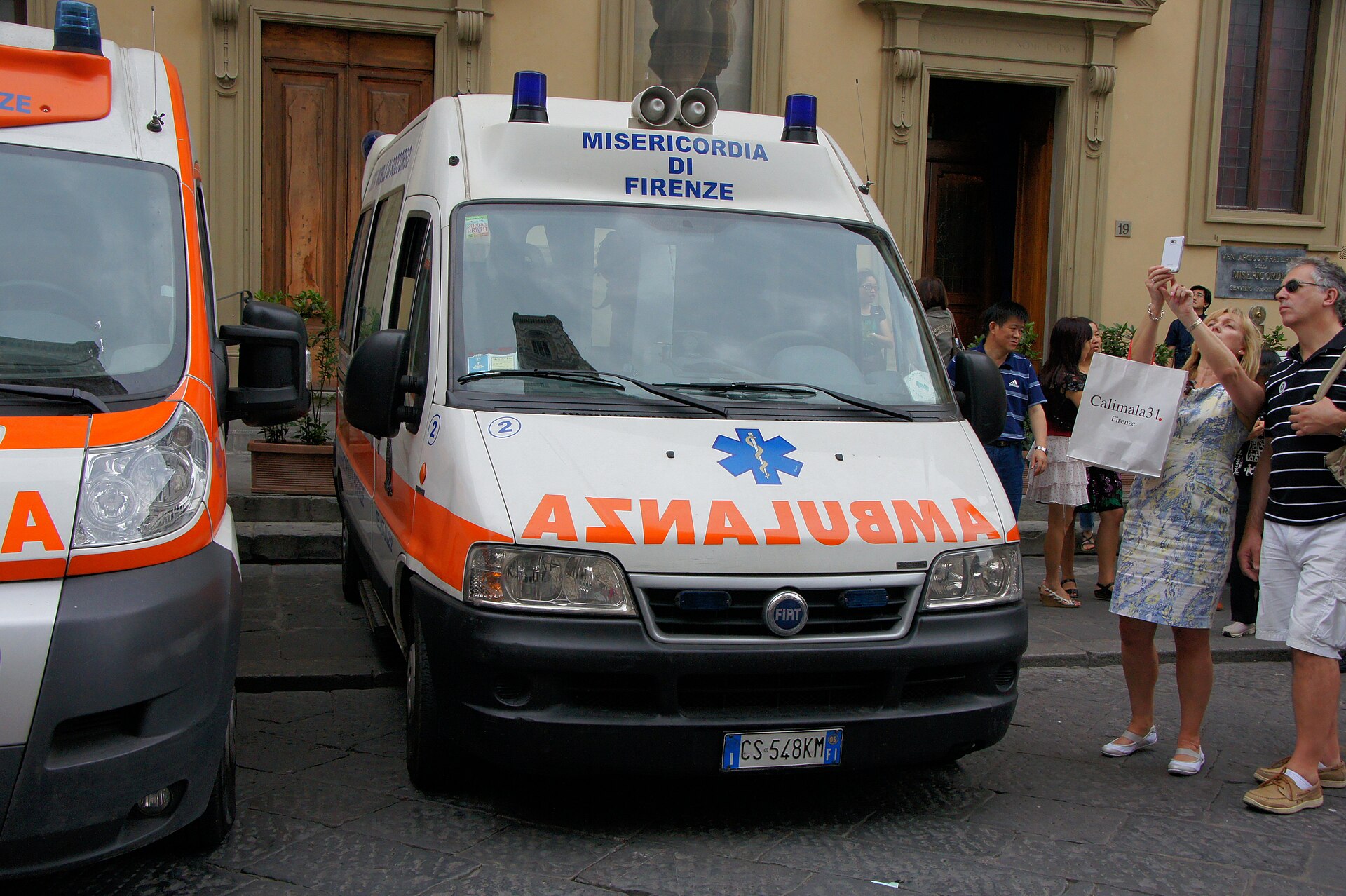
Tourist Medical Service
Florence has a dedicated medical service for tourists with English-speaking doctors. Two locations:
- Via Roma 4: Phone +39 055 475 411. Hours Mon-Fri 11:00-12:00, 13:00-15:00 and 17:00-18:00; Sat 11:00-12:00 and 13:00-15:00. Call before you go to confirm.
Cost: €60-€120 per visit. Payment expected at time of service. They can write prescriptions, refer to specialists, and handle most non-emergency medical needs.
Public Hospital Emergency Room
Ospedale Santa Maria Nuova at Piazza S. Maria Nuova 1 is the central Florence hospital. The emergency room (Pronto Soccorso) deals with medical emergencies; if you are unsure where to go, call 118.
- EU residents with EHIC: free emergency care at Italian rates.
- Non-EU residents without insurance: emergency care provided regardless, charged according to severity (€500-€5,000+ for treatment depending on condition).
- Triage system: most urgent cases are seen first; non-urgent issues may have long waits.
- English-speaking staff are available but not guaranteed; bring a translation app or be prepared with key Italian medical phrases.
Private Medical Care
For non-urgent specialist care or English-speaking doctors:
- Casa di Cura Villa Cherubini: Private clinic; specialists in all major fields.
- Tourist Medical Service: See above; basic care.
Dental Emergencies
For dental emergencies in Florence:
- Ospedale Santa Maria Nuova: Has a dental emergency service for serious issues.
- Private dentists: Many in Florence accept walk-ins for emergencies. Search “studio dentistico” in your area.
- Tourist Medical Service: Can refer to dentists.
- Cost: Emergency dental visits typically €80-€200; longer treatments €200-€1,000+.
Pharmacy Specifics: Buying Common Medications
Italian medications are often different from US/UK brands. Common requests and their Italian equivalents:
- Headache/fever: “Mi serve qualcosa per il mal di testa” (I need something for headache). Pharmacist will recommend Tachipirina or aspirin.
- Cold medicine: “Per il raffreddore” (for a cold). Various combinations available.
- Sore throat: “Per il mal di gola” (for sore throat). OKi or lozenges typical.
- Diarrhea: “Per la diarrea” (for diarrhea). Imodium typical.
- Stomach pain: “Per il mal di stomaco” (for stomach pain). Buscopan or similar.
- Allergies: “Per le allergie” (for allergies). Reactine or other Italian antihistamines.
- Muscle pain: “Per i dolori muscolari” (for muscle pain). NSAID gels (Voltaren) or oral anti-inflammatories.
- Sleeping aid: “Per dormire” (for sleeping). Melatonin, valerian, or some over-the-counter sedatives available.
Bring any prescription medications with you and carry your prescription documentation. Italian pharmacies can sometimes fill prescriptions written by foreign doctors but may charge full price. For ongoing prescriptions, plan to bring sufficient supply.
Common Health Concerns
Travelers’ Diarrhea
Italy’s water and food safety standards are excellent; severe travelers’ diarrhea is uncommon. Mild GI upset from rich Italian food (heavy pasta, oil-based dishes) is more common. Stick to BRAT diet (bananas, rice, applesauce, toast) for 24 hours; drink lots of water; over-the-counter Imodium (€5-8) helps. If symptoms persist beyond 48 hours, see a doctor.
Heat Exhaustion (Summer)
Florence summers can get very hot. Symptoms include dizziness, nausea, rapid heartbeat. Move to a cool place (cafe with AC), drink electrolyte solution (sold at pharmacies), rest. If symptoms include high fever or confusion, this is heat stroke and requires immediate medical attention.
Insect Bites
Mosquitoes in summer can be a nuisance, especially near the Arno and in Boboli Gardens. Italian pharmacies sell mosquito repellent (DEET-based). Antihistamine creams reduce itching after bites.
Sunburn
Italian summer sun is intense. Use SPF 30+. After-sun lotion with aloe vera is widely available. Severe sunburn (blistering) needs a pharmacy consultation.
Cash and ATMs in Emergencies
If you lose your wallet or have ATM problems:
- Western Union: Has Florence locations for emergency money transfers. Cost: 5-10% of the amount sent.
- Hotel front desk: Some hotels offer emergency cash advances or temporary loans for guests.
- Embassy/Consulate: US Embassy Florence does not exist; nearest is Milan or Rome. UK Consulate handles UK citizens.
- Bank wire transfers: Italian banks accept wire transfers from foreign banks; ask your bank how long a transfer takes.
Lost Documents
- Lost passport: Report to local police (file a “denuncia”). Then contact your embassy/consulate for replacement. Most embassies are in Rome (US, UK, Australia, Canada).
- Lost cards: Call your bank immediately (many have international 24/7 numbers). Florence has Western Union for emergency money.
- Lost phone: Report theft to the police if stolen. Use Find My iPhone or similar to locate. Contact your carrier for international suspension.
- Lost luggage: Contact your airline; insurance claims usually require police report for stolen items.
Frequently Asked Questions
Where can I find a public toilet in Florence?
Most reliably: buy a coffee at any cafe and use their toilet. La Rinascente department store has free customer toilets.
What’s the emergency number in Italy?
112 is the general European emergency number, and multilingual assistance is available. Specific numbers: 113 (police), 115 (fire), 118 (medical/ambulance). Use 112 if uncertain which to call.
Are Italian pharmacies open 24 hours?
Some are. Farmacia Comunale 13 inside Santa Maria Novella station is 24/7. All’Insegna del Moro at Piazza San Giovanni 20 opens 08:00–23:59. Most other pharmacies close earlier in the evening.
Can Italian pharmacists prescribe medication?
Pharmacists cannot legally prescribe controlled medications, but they can recommend and sell over-the-counter medications without a doctor’s visit. Many medications requiring prescriptions in the US (basic antihistamines, some antibiotics, basic pain relievers) are available over-the-counter in Italy.
How much does emergency medical care cost in Florence?
EU residents with EHIC: free emergency care. Non-EU residents: €500-€5,000+ for treatment depending on severity. Hospitalization can run €15,000+. Tourist Medical Service consultations €60-€120. Travel insurance covers most situations.
Is the water safe to drink in Florence?
Yes, completely safe. Italian tap water meets EU drinking water standards. Florence has free public drinking-water points in the centre and in outer neighbourhoods; refill bottles freely. Some travelers prefer bottled water for taste, but it’s not necessary for safety.
What if my passport is stolen in Florence?
File a police report (denuncia) at the local Carabinieri station. Then contact your embassy/consulate. US Embassy is in Rome; nearest UK Consulate handles UK citizens. The embassy can issue an emergency passport for return travel; ask your own embassy or consulate about eligibility and processing times.
Do I need to drink bottled water in Florence?
No. Italian tap water is safe. Florence has free public drinking fountains where you can refill your bottle. Bring a refillable water bottle—it saves money and reduces plastic waste.
What if I have a chronic condition and need to find specific medications?
Bring sufficient supply of your prescription medications. Italian pharmacists can sometimes fill foreign prescriptions but charge full price and may need brand substitutions. Bring your prescription documentation. For chronic conditions, contact a specialist (CDI or similar private clinic) for ongoing management.