This article contains advertising. Booking links on this site can be turned into paid links automatically by our partner Travelpayouts: if you book through one, we earn a commission from the provider, at no extra cost to you. It never affects what we recommend. Affiliate disclosure
Florence’s weather by month is shaped by the city’s geography—a flat-bottomed valley surrounded by hills, with the Apennine mountains to the north and east. The result: hot, humid summers; cold, sometimes foggy winters; and beautiful spring and autumn shoulder seasons that most travel guides agree are the best times to visit. This complete Florence weather guide covers month-by-month temperature, rainfall, daylight hours, what to pack, and what to expect in terms of crowds and accommodation prices for every season.
The numbers below decide more of your trip than they look like they should — what to put in the packing list, whether the dome climb is bearable at midday, and which month gives the best value, which our best time to visit guide works through in detail.
December’s numbers — highs around 10–12°C, nights near freezing, rain more often than not — matter most if you are here for the festive season. Our Christmas in Florence guide turns them into a packing list.
October and November run neck and neck for the wettest month of the Florentine year, and October is the one people fail to pack for. Our guide to Florence in October turns the averages into a packing list and a rain plan.
November is the wettest month on this page — about 114 mm across thirteen days — and also the cheapest month to be here. Our guide to Florence in November makes the case for taking the trade.
December brings the shortest days of the year: sunrise around 07:35, sunset around 16:40. Our guide to Florence in December turns nine hours of daylight into an actual plan.
January is the coldest month but not the wettest — drier than October or November, with the fewest sunshine hours of the year. Our guide to Florence in January explains what that actually feels like in a stone city.
February is where the daylight starts coming back: sunset moves past six by the last week. Our guide to Florence in February turns that into a plan, and is honest about the mornings.
March gains forty-two hours of sunshine over February, the largest month-on-month jump of the year, and has fewer wet days than either neighbour. Our guide to Florence in March turns those numbers into what to wear and when to walk.
April has more wet days than March or May — nearly nine — but they are short violent showers rather than grey drizzle. Our guide to Florence in April explains how to build an itinerary that survives one.
The step from May to June is the largest month-on-month temperature jump of the Florentine year — almost five degrees, and the line between comfortable and hot. Our guide to Florence in May covers the month that sits on the right side of it.
The step from May to June is the largest in the Florentine year, and the city’s basin geography makes twenty-nine degrees feel heavier than it reads. Our guide to Florence in June turns that into a workable daily shape.
July takes three superlatives at once: hottest, driest and sunniest month of the Florentine year, with under three wet days in it. Our guide to Florence in July explains why the basin makes thirty-two degrees feel like more.
August is not hotter than July — 32.4 against 32.3 — but it is wetter and less sunny, because the late-month thunderstorms have started. Our guide to Florence in August explains why that is an improvement.
September takes five degrees off August and more than half again as much rain, which is the point at which the Tuscan wet season starts. Our guide to Florence in September turns those numbers into what you can actually do.

Florence Weather Quick Reference
| Month | Avg High | Avg Low | Rain Days | Crowds |
|---|---|---|---|---|
| January | 11°C / 52°F | 3°C / 37°F | 9 | Lowest |
| February | 13°C / 55°F | 3°C / 37°F | 8 | Low |
| March | 17°C / 63°F | 5°C / 41°F | 9 | Low-medium |
| April | 19°C / 66°F | 8°C / 46°F | 10 | High (Easter) |
| May | 24°C / 75°F | 12°C / 54°F | 9 | High |
| June | 28°C / 82°F | 16°C / 61°F | 7 | Very high |
| July | 32°C / 90°F | 18°C / 64°F | 4 | Very high |
| August | 32°C / 90°F | 18°C / 64°F | 5 | High (locals on holiday) |
| September | 27°C / 81°F | 15°C / 59°F | 7 | High |
| October | 21°C / 70°F | 11°C / 52°F | 9 | Medium |
| November | 15°C / 59°F | 6°C / 43°F | 11 | Low |
| December | 11°C / 52°F | 3°C / 37°F | 10 | Medium (Christmas) |
Spring (March-May)
March: Late Winter to Early Spring
Average daytime highs around 17°C (63°F), nights still cool at 5°C (41°F). Rain is common (9-10 rainy days). Daylight extends from 6:30 AM to 6:15 PM by month’s end. Daylight Saving Time begins late March (clocks forward 1 hour).
What to pack: Layered clothing—light jacket or warm sweater for evenings, T-shirt for warm afternoons. Waterproof shoes recommended; an umbrella is useful. Daytime in late March can feel like proper spring; evenings need layers.
What to expect: Lower tourist crowds (except around Easter, which can fall in March or April). Cherry blossoms beginning by month’s end. Warm afternoons start to enable outdoor cafe seating. Easter Week brings significant crowds for Scoppio del Carro on Easter Sunday.
April: Spring at Its Best
Daytime highs 19-22°C (66-72°F), nights 8-10°C (46-50°F). Rainfall 8-10 days. Daylight extends from 6:00 AM to about 8:00 PM by late April.
What to pack: Light jacket and sweater for layering, long pants, light walking clothes. Waterproof recommended. Sunblock for warmer afternoons. Comfortable closed-toe shoes for cobblestones.
What to expect: Wisteria blooming throughout the city in late April; the Bardini Garden’s pergola is at its best. Tourist numbers increase steadily through the month. Easter weekend (especially the Easter Monday) is one of Florence’s busiest weekends.
May: Peak Spring
Daytime highs 23-26°C (73-79°F), nights 11-14°C (52-57°F). Rainfall 8-10 days. Daylight 5:45 AM to 8:30 PM. Late May is widely considered the best weather of the year for visiting Florence.
What to pack: T-shirts and light long-sleeves; light pants or knee-length skirts; light cotton sweater for evenings; waterproof if traveling early in the month. Sunglasses essential. Walking shoes.
What to expect: The Maggio Musicale Fiorentino festival opens, bringing classical music enthusiasts. Boboli and Bardini Gardens at their most beautiful. Crowds increase but conditions are perfect for walking.
Summer (June-August)

June: Early Summer Heat
Daytime highs 27-30°C (80-86°F), nights 15-17°C (59-63°F). Rainfall drops dramatically to 5-7 days. Daylight 5:35 AM to 8:55 PM (longest days of the year around June 21).
What to pack: Lightweight summer clothes (cotton, linen). Light cardigan for restaurant air conditioning. Hat, sunglasses, high-SPF sunscreen. Comfortable shoes for cobblestones; sandals for cafes. Refillable water bottle.
What to expect: Calcio Storico tournament in mid-June; Festa di San Giovanni with fireworks on June 24. Firenze Rocks festival mid-June. Tourist crowds peak in late June. Many local Florentines start to leave the city for the coast.
July: Peak Summer
Daytime highs 30-34°C (86-93°F), nights 17-19°C (63-66°F). Heat waves can push temperatures above 38°C (100°F) for several days. Rainfall minimal (3-5 days). Daylight 5:45 AM to 8:55 PM.
What to pack: Lightest summer clothes, breathable fabrics. Two pairs of walking shoes (alternating between days). Hat with brim, multiple sunglasses, high-SPF sunscreen. Refillable water bottle. Light jacket for air-conditioned spaces (museums, restaurants).
What to expect: The hottest month of the year. Walking outside between 11:00 and 17:00 is unpleasant; museums (which are air-conditioned) are crowded but cool. Plan strenuous outdoor activities for early morning (7:00-10:00) or evening (after 18:00). Many local Florentines leave for the coast or mountains; some restaurants and shops close for vacation.
August: Peak Summer Continues
Daytime highs 30-33°C (86-91°F), nights 17-19°C (63-66°F). Slightly less rainfall than July (4-6 days). Daylight 6:00 AM to 8:30 PM.
What to pack: Same as July. Sunscreen is critical.
What to expect: Most local Florentines on holiday (especially mid-August around the Ferragosto holiday on August 15). Many restaurants close for 1-3 weeks. Tourist destinations remain open but services may be slower. Decibel Open Air electronic festival in late August. Crowds remain high but slightly less than July.
Autumn (September-November)
September: Late Summer to Autumn
Daytime highs 25-28°C (77-82°F), nights 14-16°C (57-61°F). Rainfall 7-8 days. Daylight 6:30 AM to 7:35 PM by late month.
What to pack: Summer clothes for daytime; light sweater or cardigan for evenings. Light rain jacket. Walking shoes. Sunscreen still important.
What to expect: One of the best months for Florence weather—warm without summer’s extremes, slightly less crowded as schools start in Italy and many Americans return to school. Rificolona Festival on September 7 is a uniquely Florentine experience. Wine harvest in surrounding Tuscany.
October: Peak Autumn
Daytime highs 19-23°C (66-73°F), nights 10-13°C (50-55°F). Rainfall increases to 8-10 days. Daylight Saving Time ends late October (clocks back). Daylight 7:00 AM to 6:00 PM by late October.
What to pack: Light to medium jacket, sweaters, long pants. Waterproof shoes recommended. Light rain jacket or umbrella. Lighter daytime layers and warmer evening layers.
What to expect: Excellent weather for walking, lower crowds (especially after mid-October), beautiful golden light for photography. Tuscan countryside foliage at its best. Many travelers consider October the ideal Florence month.
November: Late Autumn
Daytime highs 13-17°C (55-63°F), nights 5-7°C (41-45°F). Rainfall 11-12 days—the wettest month. Daylight 7:25 AM to 5:00 PM. The first chilly mornings.
What to pack: Warm jacket or coat, sweaters, scarf, hat for cool mornings. Waterproof shoes essential. Compact umbrella. Layering is key—Florence weather can swing 10-15°C from morning to afternoon.
What to expect: Lowest tourist numbers of the year between mid-November and early December. Discounted accommodation. Wine season in surrounding Tuscany; truffle festivals in some villages. Florence Jazz Festival typically runs in November.
Winter (December-February)
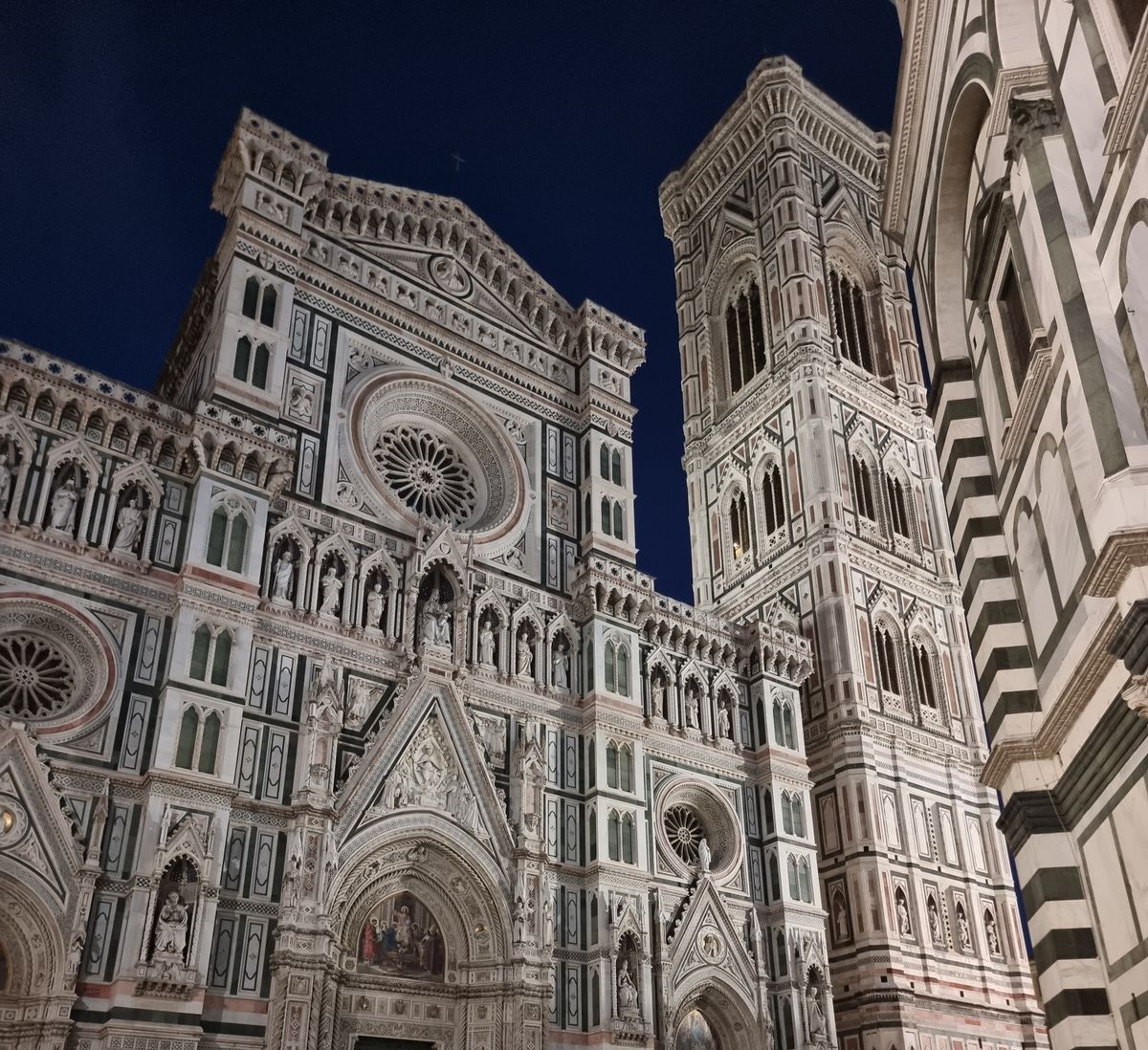
December: Holiday Season
Daytime highs 8-12°C (46-54°F), nights 1-4°C (34-39°F). Rainfall 9-11 days; snow is rare, though it does settle now and then. Daylight 7:50 AM to 4:45 PM (shortest days of the year around December 21).
What to pack: Warm coat, sweater, scarf, gloves, hat. Waterproof boots. Multiple layers (Florence weather varies). Umbrella.
What to expect: Christmas markets (Heidelberg Christmas Market in Piazza Santa Croce), F-Light light projections on landmark buildings, and the city’s Christmas atmosphere. Lower tourist numbers in early December; high numbers December 23-January 6 (Christmas/Epiphany holiday). Many cafes serve mulled wine and chestnuts.
January: Coldest Month
Daytime highs 7-11°C (45-52°F), nights 0-3°C (32-37°F). Rainfall 9-10 days. Daylight 7:55 AM to 5:00 PM by late January. The coldest temperatures of the year, occasionally with morning fog.
What to pack: Heavy coat, thermals, warm sweater, scarf, gloves, hat. Waterproof boots. Hat important for cold mornings. Light layers underneath for changing weather.
What to expect: The lowest tourist numbers of the year (mid-January through early February). Discounted accommodation everywhere. Pitti Uomo fashion week in mid-January brings industry-only crowds. Beautifully atmospheric for photographers; Italian-only neighborhoods feel authentically local.
February: Late Winter
Daytime highs 9-14°C (48-57°F), nights 1-4°C (34-39°F). Rainfall 8-9 days. Daylight 7:35 AM to 5:45 PM by late month.
What to pack: Heavy coat for early mornings, lighter jacket later in the day. Waterproof boots, scarf, light gloves. Layered approach to handle 8°C swings.
What to expect: Carnival celebrations (smaller than Venice but family-friendly). Day of the Medici on February 18 (the civic museums offered free admission in 2026; check the municipality’s site for the next anniversary). Days lengthening rapidly toward spring. Last weeks of low-season pricing.
When to Visit: Recommendation by Priority
- Best overall weather + manageable crowds: Late April to mid-May, or late September to mid-October.
- Best weather (warm but not extreme): Mid-May, mid-September.
- Lowest crowds + lowest prices: Mid-November to early December, mid-January to early March.
- Best for festivals: June (Calcio Storico, San Giovanni). May-June (Maggio Musicale).
- Avoid: July midday heat for outdoor walking; August closures of local restaurants; Easter weekend if crowds bother you; December 23-January 6 holiday rush.
How to Handle Florence Summer Heat
- Schedule strenuous activity in mornings: Walking tours, the dome climb, outdoor sights are best 7:00-11:00 in summer.
- Embrace the siesta: Most Italians retire indoors 13:00-17:00 in July-August. Imitate them—lunch leisurely, return to your hotel for AC and rest, head out again at 18:00.
- Drink water constantly: Florence has 65 free public drinking fountains in the historic center. Refill bottles regularly.
- Indoor museums for midday: Uffizi, Accademia, Bargello, Pitti Palace are all air-conditioned. Schedule them for 12:00-16:00.
- Stay hydrated with food: Italians drink water and small coffee, not iced tea or sugary drinks. Eat fresh fruit, gelato, light pasta.
- Light, breathable clothing: Cotton, linen. Avoid synthetic fabrics. Loose-fit cotton trousers work better than shorts in churches.
- Hat: Wide-brimmed straw hats are seen in the city in summer; embrace them.
What to Pack for Each Season
Spring/Autumn (April-May, September-October)
Light jacket or sweater, T-shirts and light long-sleeves, comfortable walking shoes (closed-toe), light rain jacket or umbrella, scarf for evenings. Layers are essential—Florence’s daily temperature swing can be 12-15°C.
Summer (June-August)
Lightweight cotton or linen, T-shirts, summer dresses, knee-length shorts (for non-church days), comfortable closed-toe shoes (cobblestones), sandals for evenings, hat, sunglasses, high-SPF sunscreen. Light cardigan for AC indoor venues.
Winter (December-February)
Heavy waterproof coat, thermal underwear, sweaters, long pants, waterproof boots, scarf, gloves, hat, light layers underneath. Florence is cold but rarely below freezing; layers are more useful than extreme cold-weather gear.
Frequently Asked Questions
What is the best month to visit Florence?
Late April to mid-May or late September to mid-October offer the best combination of pleasant weather (not too hot, not too cold) and manageable crowds. Mid-May and mid-September are particularly comfortable.
How hot does Florence get in summer?
Daytime highs of 30-34°C (86-93°F) are normal in July. Heat waves can push temperatures above 38°C (100°F) for multi-day stretches. Florence’s valley location traps heat. Plan outdoor activities for mornings and evenings.
Does it snow in Florence?
Rarely. Snow is uncommon and usually doesn’t accumulate, though it does settle on occasion. When it does, the city looks magical but rarely lasts more than a day. Light snow is more common than significant accumulation.
What’s the rainiest month in Florence?
November is the wettest month with 11-12 rainy days on average. October-December all see significant rainfall. Summer (June-August) is the driest. Spring rainfall is moderate but inconsistent.
Should I visit Florence in winter?
Yes if you want minimal crowds and lower accommodation prices. December has Christmas markets and F-Light. January and February have the lowest tourist numbers of the year. Daylight is short (sunset around 4:45 PM in late December) but the historic atmosphere is preserved without summer’s tourist density.
What time is sunset in Florence?
Varies dramatically by season. Around 4:45 PM in late December (winter solstice), 9:00 PM in late June (summer solstice). Italian Daylight Saving Time runs late March through late October. See our sunset spots guide for monthly times.
Is Florence safe to visit during August closures?
Yes. Major attractions remain open year-round. Some local restaurants and shops close for vacation in mid-August (especially around Ferragosto on August 15), but tourist-oriented venues stay open. Plan around 1-2 specific closures rather than expecting everything to be shut.
What should I pack for spring in Florence?
Layered clothing for 12-15°C daily swings: T-shirt and light long-sleeves for warm afternoons, cardigan or light jacket for evenings, waterproof outer layer for spring rain, comfortable walking shoes, sunscreen, sunglasses.
How long should I plan to spend in Florence given the weather?
3-5 days is the typical range regardless of weather. Spring and autumn allow more outdoor activities (walking tours, garden visits, sunset spots). Winter and summer are slightly more challenging for outdoor plans but indoor museums and dining remain world-class. See our how many days in Florence guide.