This article contains advertising. Booking links on this site can be turned into paid links automatically by our partner Travelpayouts: if you book through one, we earn a commission from the provider, at no extra cost to you. It never affects what we recommend. Affiliate disclosure
Travel insurance for Florence isn’t legally required for most visitors, but the question of whether you actually need it depends on your home country’s healthcare arrangements with Italy, your trip cost and complexity, and how much risk you’re comfortable carrying. EU residents are largely covered by the European Health Insurance Card; US travelers often discover their domestic health insurance has limited or no international coverage. This guide explains exactly what travel insurance covers, when you need it for an Italy trip, the best policy types, current 2026 prices, and the providers worth considering.
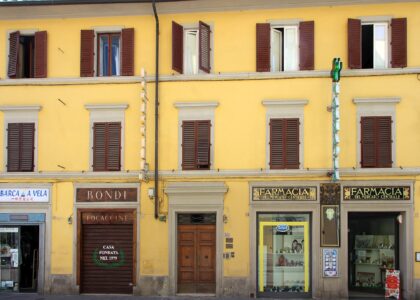
Most Florence claims are dull ones: a cancelled flight, a stolen wallet, a twisted ankle on cobbles. Our guides to safety and common scams, pharmacies and emergency numbers and things to know before you go cover the prevention side.
Travel Insurance for Florence: Quick Decision Tree
| Your Situation | Recommendation |
|---|---|
| EU resident, simple trip | EHIC card may be enough; consider trip cancellation |
| US resident, simple trip | Recommended (medical coverage essential) |
| Pre-existing health conditions | Strongly recommended |
| Booked expensive non-refundable hotels/flights | Trip cancellation/interruption recommended |
| Adventure activities (cycling, hiking) | Adventure-specific coverage recommended |
| Senior travelers (60+) | Comprehensive coverage recommended |
| Solo travelers | Recommended for medical evacuation |
| Multi-country Italy trip | Recommended for trip interruption |
| Quick weekend visit, healthy young traveler | Optional |
What Travel Insurance Actually Covers
Standard travel insurance policies typically include several distinct types of coverage:
Medical Coverage
The most important component for non-EU travelers. Italian hospitals will treat emergencies regardless of insurance, but uninsured non-EU patients can face significant bills (€500-€5,000+ for emergency care; €10,000-€50,000+ for hospitalization). Travel insurance covers:
- Emergency medical treatment (doctor visits, ER care, prescriptions)
- Hospitalization
- Surgery if needed
- Medical evacuation back to your home country if needed
- Dental emergencies
- Mental health emergencies in some plans
Coverage limits typically range from $50,000 (basic policies) to $1 million+ (premium policies). For Italy, $100,000-$250,000 medical coverage is generally adequate. Medical evacuation alone can cost $50,000-$200,000 from Italy to home countries; ensure your policy covers this.
Trip Cancellation
Reimburses non-refundable trip costs if you must cancel before traveling for covered reasons:
- Illness, injury, or death of yourself, a family member, or travel companion
- Natural disasters at your destination
- Job loss
- Government travel warnings
- Some plans include “Cancel For Any Reason” (CFAR) at higher cost—usually 50-75% reimbursement instead of 100%
Coverage limits typically up to your total prepaid trip cost (hotels, flights, tours).
Trip Interruption
Reimburses costs if you must end your trip early for covered reasons (illness, family emergency at home, etc.). Includes additional return flight costs if needed urgently.
Trip Delay
Pays for hotel, meals, and transportation if your trip is delayed by 6+ hours due to airline delays, weather, or other covered reasons.
Lost Luggage and Belongings
Reimburses costs if your luggage is lost, stolen, or delayed. Typical coverage: $500-$2,500 per bag, with limits per item ($100-$500 for jewelry, electronics).
Personal Liability
Covers you if you accidentally injure someone or damage property during your trip. Less common in basic plans.
EU Residents: Your Health Card
The European Health Insurance Card (EHIC) and the new Global Health Insurance Card (GHIC) provide EU residents with free or reduced-cost medically necessary treatment in Italy at the same level Italian residents receive. The card is free to obtain through your national health system.
What EHIC covers in Italy:
- Emergency medical treatment in public hospitals
- Visits to general practitioners
- Prescription medications (with co-payments at Italian rates)
- Inpatient hospitalization
What EHIC does NOT cover:
- Non-emergency private healthcare
- Medical evacuation to home country
- Trip cancellation, lost luggage, etc.
- Sometimes private clinic and pharmacy charges (Italian system uses regional rules)
For EU residents, EHIC + a basic supplemental travel insurance policy (€20-€50 for a week) is usually adequate. Pure tourists from EU countries can often skip travel insurance for medical purposes.
UK Residents: Post-Brexit Considerations
Brexit ended UK participation in the EHIC system. The Global Health Insurance Card (GHIC) replaces EHIC for UK residents and provides similar coverage in EU countries including Italy. The GHIC is free and lasts 5 years.
However, GHIC has more limitations than EHIC, and UK private travel insurance is increasingly recommended. Costs from £15-50 for a week’s basic policy through providers like Aviva, AXA, Saga, Staysure.
US Residents: Why Travel Insurance Matters Most
US travelers face the highest risk-reward calculation for travel insurance. American health insurance plans (private, employer, Medicare, Medicaid) typically have very limited or zero international coverage. A medical emergency in Italy can quickly accumulate $50,000+ in bills.
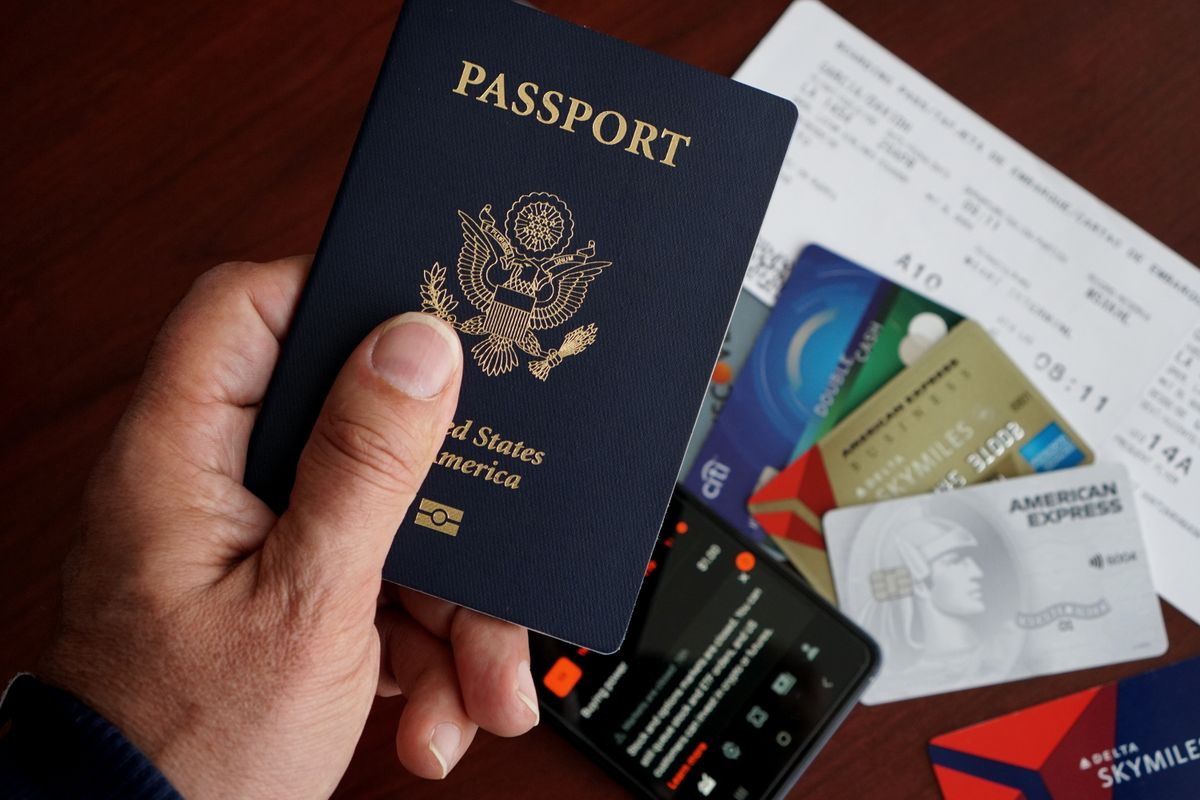
Recommended for US travelers: comprehensive travel insurance including medical coverage, evacuation, and trip cancellation/interruption. Cost: $50-$200 for a week’s trip depending on age, coverage level, and trip cost.
Major US travel insurance providers:
- Allianz Travel: Wide range of plans; reliable claims process. Plans from $50/week.
- World Nomads: Popular with backpackers and adventure travelers; covers active activities. From $50/week.
- Travel Guard (AIG): Comprehensive coverage; 24/7 assistance. From $80/week.
- Travelex Insurance: Good coverage for trip cancellation; quick claims. From $60/week.
- Seven Corners: Specialized in medical-focused travel insurance; from $40/week for medical-only.
- InsureMyTrip: Comparison site that shows you policies from multiple providers.
Credit Card Travel Insurance
Many premium credit cards include travel insurance benefits when you book your trip with the card:
- Chase Sapphire Reserve: Trip cancellation up to $10,000; medical $2,500; primary rental car coverage; $400+ annual fee.
- American Express Platinum: Trip cancellation up to $10,000; trip delay up to $500; baggage; emergency medical/evacuation services. $695 annual fee.
- Capital One Venture X: Trip cancellation up to $2,000; trip delay; baggage; primary rental car. $395 annual fee.
- Many other cards: Limited coverage; check your specific benefits.
Credit card insurance is genuinely useful but typically less comprehensive than dedicated policies. Medical coverage on most cards is minimal. For US travelers heading to Italy, supplement credit card insurance with a medical-focused policy.
What Travel Insurance Doesn’t Cover
- Pre-existing conditions: Most policies exclude conditions you knew about. Some offer “pre-existing condition waivers” if purchased within 14-21 days of initial trip booking.
- Adventure activities: Standard policies often exclude scuba diving, mountaineering, motorcycle riding, skiing in some plans. Check the activity list.
- Pregnancy: Limited coverage typically; some policies exclude pregnancy entirely.
- Acts of war or terrorism: Often excluded or specifically defined.
- Routine care: Travel insurance is for emergencies, not routine medical visits.
- Mental health (in some policies): Coverage varies; check specifics.
- Theft of cash: Most policies exclude pure cash theft; carry cash carefully.
- Voluntary departure: If you decide to leave early without medical reason, no coverage.
How to Choose a Travel Insurance Policy
Step-by-step decision process:
- 1. Check existing coverage: Your home health insurance, credit card, and AAA/auto club may already include some international coverage.
- 2. Estimate your trip risk: Healthier traveler, simpler trip, lower-cost arrangements = less insurance needed. Older traveler, expensive trip, complex itinerary = more insurance needed.
- 3. Decide priorities: Medical coverage (essential for US travelers), trip cancellation (essential for non-refundable bookings), adventure coverage (specific to your activities).
- 4. Get 3-5 quotes: Use comparison sites (InsureMyTrip, Squaremouth, World Nomads) or compare directly.
- 5. Read the fine print: Specifically check exclusions, claim procedures, coverage limits, deductibles.
- 6. Buy soon after booking: Some pre-existing condition waivers and CFAR options expire 14-21 days after initial trip deposit.
Filing a Claim
If you need to use travel insurance:
- Save documentation: Receipts, doctor’s notes, police reports, hospital records.
- Call the insurance assistance line: Most policies have 24/7 phone support that can help find providers and authorize treatment.
- Get pre-authorization: For non-emergency care, get insurance authorization before paying.
- File the claim within deadlines: Usually 30-90 days after the event.
- Be prepared for some out-of-pocket: Many policies require you to pay first and submit for reimbursement.
Common Florence Travel Insurance Scenarios
Stomach Bug Requires Doctor Visit
Italian doctor visit: €60-€120. Travel insurance covers after deductible. Many EU travelers can use EHIC for free. US travelers without insurance pay out of pocket.
Broken Arm Requires Hospital
Italian emergency room treatment plus X-ray, cast, and prescriptions: €1,500-€3,500 for non-EU patients. Travel insurance covers after deductible. EU residents with EHIC: free or minimal cost.
Heart Attack Requires Hospitalization
Italian hospitalization with cardiac care: €15,000-€60,000+ for non-EU patients. Travel insurance with $250,000+ medical coverage essential. EU residents covered by EHIC at Italian rates.
Family Emergency Requires Trip Cancellation
Trip cancellation policy reimburses your non-refundable hotel, flights, and tours. Without insurance, you absorb the loss.
Stolen Camera Equipment
Travel insurance reimburses up to plan limits (typically $500-$1,500). Filed police report required. Some credit cards include similar coverage. Higher-value items may need scheduled coverage.
Italian Healthcare for Tourists
If you need medical care in Florence:
- Pharmacies (Farmacia): Italian pharmacists handle minor issues (headaches, GI distress, minor cuts) and can recommend over-the-counter medications. Many speak some English.
- Tourist medical service: Florence has English-speaking doctors at Medical Service Firenze, a walk-in clinic at Via Roma 4. Charges €60-€120 per visit; payment expected at time of service.
- Public hospital emergency room: Ospedale Santa Maria Nuova (Piazza S. Maria Nuova 1) is the central Florence hospital. Free emergency care for EU residents with EHIC; non-EU patients pay according to severity.
Frequently Asked Questions
Do I need travel insurance for Italy?
It’s not legally required for entry, but strongly recommended for non-EU travelers (especially US residents whose domestic health insurance has limited international coverage). EU residents have EHIC coverage for emergencies; supplemental insurance is optional but useful for trip cancellation.
How much does travel insurance for Italy cost?
Basic policies: $30-$80 for a week. Comprehensive policies (medical, trip cancellation, adventure): $80-$200 for a week. Premium policies for older travelers or pre-existing conditions: $150-$400 for a week. Costs scale with trip duration, traveler age, and trip cost.
Does my US health insurance work in Italy?
Most US health insurance plans (private, employer, Medicare, Medicaid) provide very limited or zero international coverage. Some PPO plans include emergency-only international coverage. Check your specific plan; expect to pay out of pocket and seek reimbursement for any international care.
Does my credit card include travel insurance?
Many premium credit cards (Chase Sapphire Reserve, Amex Platinum, Capital One Venture X) include some travel insurance benefits—trip cancellation, baggage, and limited medical coverage—when you book the trip with the card. Coverage is typically less comprehensive than dedicated policies, especially for medical.
What’s the difference between EHIC and travel insurance?
EHIC (European Health Insurance Card) provides EU residents with free or low-cost emergency medical care in Italy at the same level Italian residents receive. Travel insurance is a private commercial product that covers additional things (trip cancellation, baggage, evacuation, private clinic care) and is universally available.
What does “Cancel For Any Reason” coverage mean?
CFAR is an upgraded trip cancellation coverage that lets you cancel for any reason and receive 50-75% of your prepaid costs (instead of 100% for covered reasons). Costs about 40-60% more than standard coverage. Useful if you’re concerned about flexibility but already-firm trip plans.
Does travel insurance cover COVID-19?
Most modern travel insurance policies include some COVID-19 coverage—medical treatment, trip cancellation if you contract COVID before departure, sometimes quarantine costs. Check the specific policy; coverage has evolved since 2020.
Can I buy travel insurance after I leave home?
Some policies allow purchase up to 24-48 hours before trip start; others up to the day of departure. Once you’ve left home, options become limited. Buy at booking time when possible to get pre-existing condition waivers and CFAR options.
Where can I get medical help in Florence?
Medical Service Firenze (walk-in clinic, Via Roma 4) for English-speaking doctors. Public emergency room: Ospedale Santa Maria Nuova (Piazza S. Maria Nuova 1). Pharmacies (Farmacia, marked with green cross signs) for minor issues. Emergency: dial 112 (general European emergency) or 118 (Italian medical emergency).