This article contains advertising. Booking links on this site can be turned into paid links automatically by our partner Travelpayouts: if you book through one, we earn a commission from the provider, at no extra cost to you. It never affects what we recommend. Affiliate disclosure
Most of the regret that follows a Florence trip comes down to a few preventable misunderstandings: not booking the Uffizi until arrival, eating at the Piazza della Signoria restaurants, packing the wrong shoes, ordering coffee while sitting at a table without checking the price, missing free Sundays at the museums. This 2026 guide compiles 25 specific Florence travel tips — practical, money-saving, and culturally informed — that help first-time visitors skip the common mistakes and slot smoothly into Florentine rhythms from day one.

On the question visitors ask most often before booking, we have a dedicated answer: is Florence safe for tourists?
If you are arriving by car, one fact outranks everything else on this page: the ZTL cameras read every plate, and the fine reaches you a year later with the hire company’s fee attached. Our guide to the Florence ZTL and parking has the hours and the whitelist mechanics.
Two airport facts are worth knowing before you book: the runway is short enough that weather diverts flights to Pisa or Bologna, and there are no jetbridges, so every boarding is a bus and steps. Our Florence airport guide has the rest.
A cheap flight into Pisa comes with eighty-four kilometres attached, and the sum is closer than it looks once there are four of you. Our guide to getting from Pisa airport to Florence does the arithmetic honestly.
Before you drive anywhere near the centre
Florence’s ZTL is watched by cameras at its entry gates. In the central sectors the daytime limits run Mon–Fri 07:30–20:00 and Sat 07:30–16:00 (public holidays excepted), and a summer night ZTL adds Thursday, Friday and Saturday nights 23:00–03:00; in 2026 it ran from 2 April to the night of 3–4 October, and the city’s annual ordinance sets each season, so check its mobility pages before you drive. Entering without authorisation is a fine of €83–332 before notification costs, and your hire company may add its own administration fee when it identifies you. A hotel can only exempt you if it has entered your plate on the whitelist in advance. Full detail in our guide to the Florence ZTL and parking.
Trip Planning Tips (1–6)
1. Book the Uffizi and Accademia Eight Weeks Out
The single most consequential planning decision. Both the Uffizi and the Accademia are busiest in summer. Booking ahead at tickets.uffizi.it spares you the ticket-office queue on busy days. The Brunelleschi Dome climb (€30 Brunelleschi Pass at duomo.firenze.it) needs a reserved time slot: passes are sold online and at the official ticket office, but only while slots last, so book it in advance.
2. Plan 3–4 Full Days, Not 1–2
Florence is small geographically (UNESCO puts the historic centre at 505 hectares) but culturally dense. Three full days plus arrival and departure half-days (so 4 nights) is the recommended sweet spot — enough for Uffizi + Accademia + Cathedral complex + Pitti + Boboli + Bargello + Oltrarno + one Tuscan day trip. Less than that produces a frustrating, partial experience.
3. Visit in May or October if You Can Choose
Shoulder season is dramatically more pleasant than peak summer. May (highs around 24°C, about eight hours of sunshine a day, gardens in bloom) and October (highs of 21–22°C, harvest light, smaller crowds) deliver the best balance of weather, museum availability, and hotel rates. Avoid August if you can: the average daily high is about 32°C, and hotter spells happen.
4. Break In Your Walking Shoes Before Arriving
Cobblestones punish brand-new soles. The single most consistent traveller complaint is blisters on day two from un-broken-in shoes. Walk 5–10km in your packed shoes at home before flying. Pack two pairs, alternate them daily.
5. Pack Lighter Than You Think
Many Florentine apartments have stairs and no lift, the walk from the train station to your door is likely to cross cobbles, and Italian pharmacies stock the toiletries you might forget. A carry-on rolling bag plus daypack covers 3–7 day trips. Save 30% of your suitcase for leather goods souvenirs.
6. Decide on the Firenze Card Before You Arrive
The €85 Firenze Card lasts 72 hours and covers more than 60 museums, so whether it pays depends on your itinerary: booked adult entry to the Uffizi (€29), Accademia (€24), Pitti (€19) and Medici Chapels (€14) already comes to €86. Worth it for travellers visiting Uffizi + Accademia + Pitti + Boboli + Bargello + 1 more in 3 days; not worth it for visitors hitting 2–3 museums. The €40 PassePartout 5-day pass (Uffizi + Pitti + Boboli) is a budget-friendly halfway option, saving €21 against booking the three separately (€29 + €19 + €13) or €11 against the same-day fares.
Museum & Sightseeing Tips (7–12)
7. Don’t Rush the Uffizi
The Uffizi’s 60+ rooms reward 3–4 hours of patient looking, not 90 minutes of selfie-taking. Pick 5–8 paintings you most want to see (Botticelli’s Venus, Leonardo’s Annunciation, Michelangelo’s Doni Tondo, Raphael, Caravaggio’s Bacchus and Medusa) and walk the rooms slowly between them. Accept that you’ll miss things.
8. Time Your Visit for the First Sunday of the Month
The first Sunday of every month is free at all Italian state museums (Uffizi, Accademia, Pitti, Bargello, Medici Chapels, San Marco). Skip the Uffizi and Accademia, where the free-day queues are at their longest, and use the day for the smaller museums instead. The last free Sundays of 2026 fall on 1 November and 6 December, and 2027 opens with 3 January.
9. “Skip the Line” Doesn’t Mean Skip Security
Booked timed-entry tickets bypass the ticket-purchase queue (the long one) but still pass through metal-detector security. Allow some extra time between your booking slot and the first gallery, especially in summer.
10. Watch a Sunset from Piazzale Michelangelo
The single best free 30 minutes in Florence. Climb via the Rose Garden (also free), arrive 30 minutes before sunset, position on the upper-right of the terrace for the cleanest Cathedral-and-river panorama. Continue up to San Miniato al Monte, where the monks sing Gregorian Vespers daily at 18:30 (free), for the perfect evening.
11. The Cathedral Interior is Free — But the Climb Isn’t
The Cathedral interior is free and worth a 30-minute look (the Last Judgment painted inside the dome by Giorgio Vasari and Federico Zuccari, the marble pavement); it is open to sightseers Monday to Saturday, 10:15–15:45, except on religious holidays. The €30 Brunelleschi Pass is the only one that takes in all five ticketed monuments, from the Dome climb to the Bell Tower, Baptistery, Crypt and Cathedral Museum — book this in advance. The cheaper Giotto Pass (€20) covers everything except the Dome climb, and the Ghiberti Pass (€15) leaves out the Bell Tower as well.
12. Add the Palazzo Vecchio Secret Passages Tour
The single most rewarding optional add-on. The 75-minute Secret Passages tour (€8 on top of museum entry, or €4 for residents of the metropolitan city) reveals the hidden staircase, the wooden trusses above the Salone dei Cinquecento, the Studiolo of Francesco I, and Cosimo I’s Tesoretto. Book ahead — there are four departures a day (two on Thursdays), so check which ones run in English when you book.
Dining Tips (13–19)

13. Don’t Expect Dinner Before 19:30
Many Italian restaurants open for dinner later than you may be used to, and locals tend to eat late, so check each restaurant’s hours before you set out. Restaurants serving from 18:00 or earlier in central Florence are tourist-targeted and usually overpriced. Adjust your hunger schedule — late lunch (14:00) and late dinner (20:30) is the local rhythm.
14. Avoid Piazza della Signoria and Piazza del Duomo Restaurants
Walk two minutes off the main piazzas and food quality doubles while prices halve. The same pasta dish costs €18–22 with a host on the street and €10–14 at a working trattoria one block away. Other restaurant-trap warnings: photographic menus, English-only menus, and “we have a daily special” without a posted price.
15. Stand at the Bar for Coffee
Italian cafés have two prices: the standing bar price (typically €1.20–1.50 for an espresso) and the table-service price (€3–6 for the same drink). Choose your spot when ordering. If you sit at an outdoor café table on Piazza della Repubblica, expect €5–8 espressos and €8–12 cappuccinos. The pricing rule applies city-wide and isn’t a tourist scam — it’s standard.
16. Understand the Coperto
The “coperto” line on Italian restaurant bills (€1–4 per person) is a cover charge for the table, bread, and basic place setting. It’s not a tip and not a scam — it’s standard at sit-down restaurants. The bread served at the start of the meal is usually included in the coperto, not charged separately.
17. Tipping is Optional and Light
Italian wages aren’t tip-dependent and tipping is appreciated but never expected. Round up the bill or leave 5–10% maximum at restaurants. Don’t tip at espresso bars (price is the price), and rounding up to the nearest euro is standard for taxis. There’s no tip line on the credit card receipt — leave cash if tipping.
18. Tell the Waiter About Bread
Some restaurants charge for bread separately from the coperto (€2–4 per portion). If you don’t want bread, decline politely when offered. The cover charge is unavoidable; the additional bread charge is.
19. House Wine is Almost Always Excellent
The cheapest red wine on a Tuscan trattoria menu (often listed as vino della casa or vino sfuso) is typically a perfectly good Chianti at €4–6 per quartino (250ml carafe) or €8–12 per litre. Florentine restaurants take house wine seriously; you don’t need to order the €40 bottle to drink well. Order water (acqua minerale) naturale for still or frizzante for sparkling — €2–4 per litre bottle.
Cultural & Practical Tips (20–25)
20. Cover Shoulders and Knees for Churches
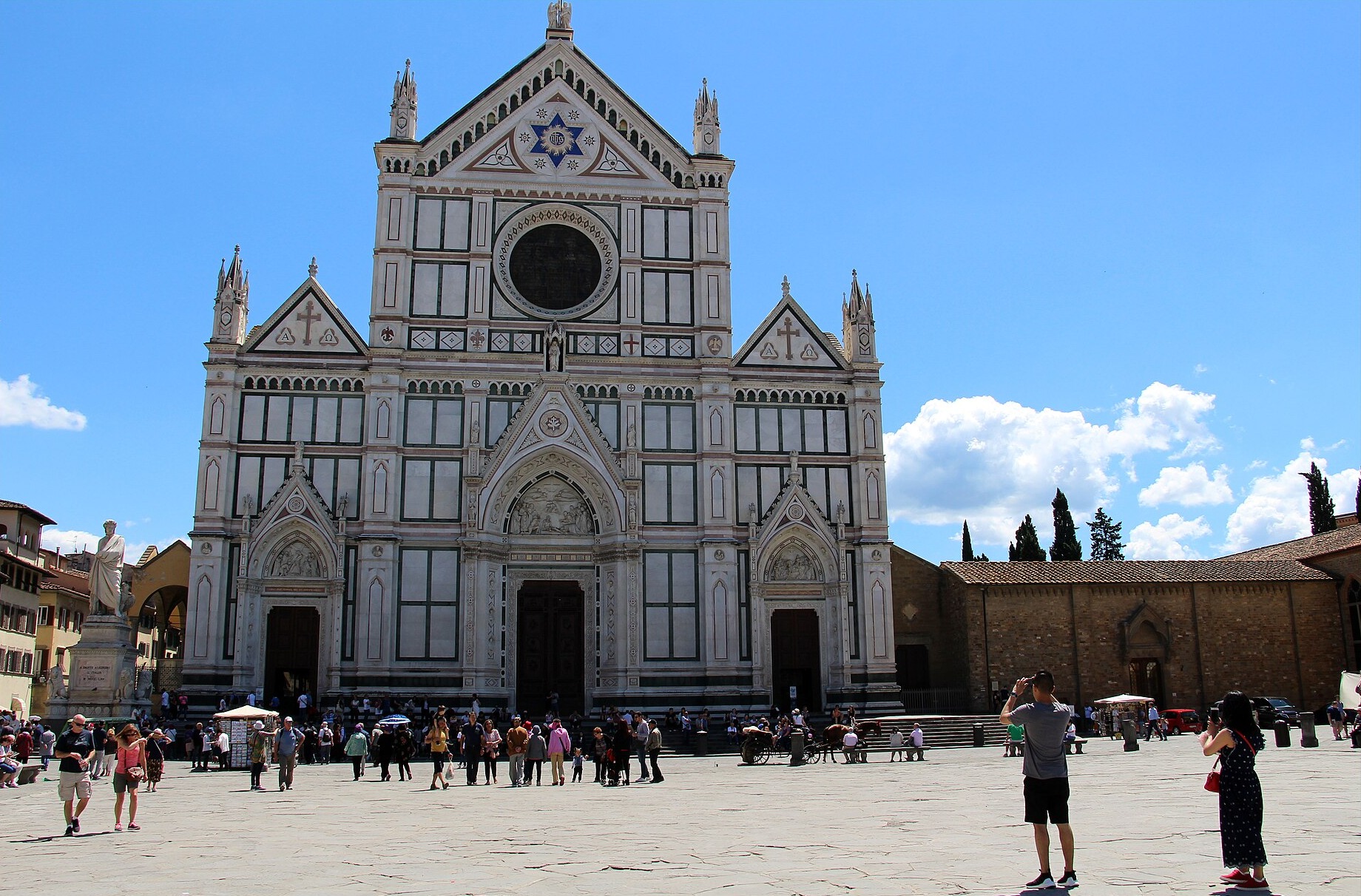
The Cathedral, Santa Croce, Santa Maria Novella, San Lorenzo’s complex, and most major churches enforce a strict dress code: covered shoulders and knees, no tank tops, no mini-shorts or skirts, no off-shoulder or crop tops. Even in summer, carry a light scarf or shawl. Travellers turned away typically buy a €5 paper poncho from souvenir vendors.
21. Florence Tap Water is Excellent
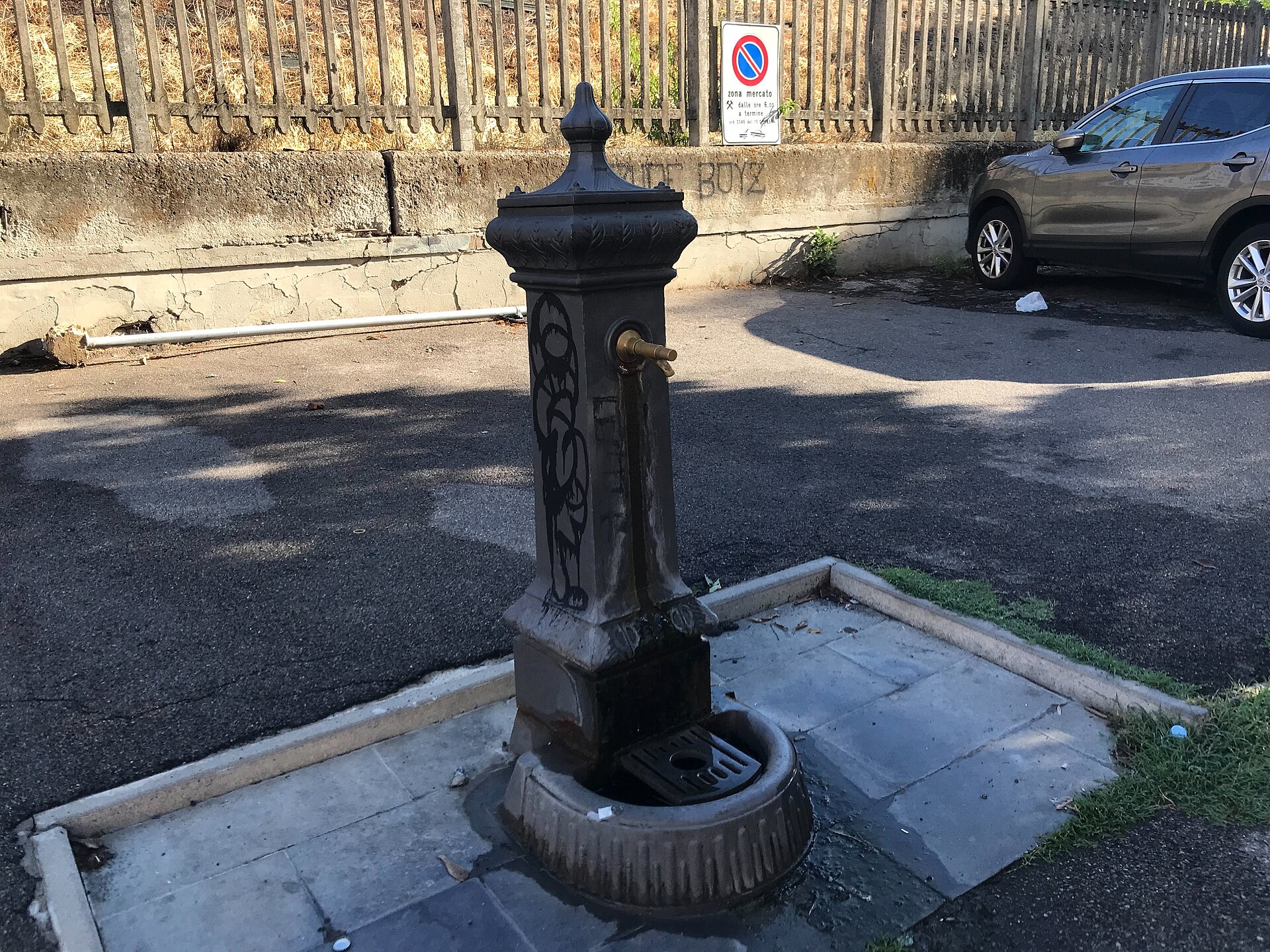
Florence’s tap water is clean, well-mineralised and good-tasting. Refill bottles at hotel taps or at the city’s public nasoni drinking-water fountains (look for green cast-iron columns). Buying bottled water in restaurants is unnecessary — order tap water (acqua del rubinetto) instead, though some restaurants still upsell mineral water.
22. Walk Everything; Skip the Taxis
The historic centre is compact: 505 hectares, by UNESCO’s measure. The major sights are within walking distance of one another. Taxis often take longer than walking because of the ZTL (traffic-restriction zone) detours. Budget zero on intra-city transport; rely on the tram T2 only for the airport (€2 single ticket, about 20 minutes to the station area) and bus 12/13 for Piazzale Michelangelo if you don’t want the climb.
23. Carry Some Cash; Use Cards Where Possible
Most Florence restaurants, shops and museums accept Visa and Mastercard. Smaller trattorias, market stalls, leather artisans, and some taxi drivers prefer cash — keep €30–50 in small bills. When paying with a foreign card, always select Euro, not your home currency, on the card terminal — “DCC” (dynamic currency conversion) is a worse exchange rate disguised as convenience.
24. Learn Five Italian Words
Buongiorno (good morning, used until evening), buonasera (good evening), grazie (thank you), per favore (please), scusi (excuse me/sorry). Florentines respond more warmly to a clear “buongiorno” than to no greeting at all. Il conto, per favore (“the bill, please”) is also useful — Italian waiters won’t bring the bill until you ask.
25. Wear Your Bag in Front of Your Body in Crowds
Pickpockets work wherever people bunch together: the main station, packed buses, the queues outside the Cathedral, Ponte Vecchio and the San Lorenzo market stalls. A crossbody bag worn front-of-body, a phone in zipped pocket (never back), and immediate awareness when bumped — these habits cut your risk a great deal.
Bonus Tips for the Adventurous
Visit the Cenacoli
Florence’s cenacoli — Last Supper frescoes by Renaissance masters in former monastic refectories — are the city’s best-kept art secret. The Andrea del Castagno cenacolo at Sant’Apollonia and Andrea del Sarto’s at San Salvi are listed at €5 each in the city’s 2026 museum guide; Ghirlandaio’s at Ognissanti is temporarily closed, though the church itself stays open. Check opening arrangements before you go, then combine them in a half-day for some of the city’s most rewarding low-impact culture.
The Orsanmichele Sculpture Museum
Free on Saturdays only — entry on Via dell’Arte della Lana. The first-floor museum holds the original sculptures by Donatello, Verrocchio, Ghiberti and Nanni di Banco that filled the building’s exterior niches. Among the highest-quality free experiences in the city.
Take One Tuscan Day Trip
Florence is the perfect base for Tuscan day trips. Siena (1.5 hours by bus or train+bus) for the Cathedral and Palazzo Pubblico; Lucca (1.5 hours by train) for the walled town and bike-rideable ramparts; Pisa (1 hour by direct train) for half a day at the Leaning Tower complex; Fiesole (20 minutes on bus 7) for Roman ruins and a quiet hilltop. Don’t pack too many in — one full day-trip is enough on a 4-day Florence trip.
Make Aperitivo a Daily Habit
In the early evening, many Florentine bars lay out food to accompany the aperitivo drink. Order a €7–10 spritz or wine; help yourself to focaccia, pasta, salads, frittata, vegetable contorni — effectively dinner for the price of one drink. Best aperitivo bars: Il Santino, Le Volpi e l’Uva, Volume, Procacci, the rotating offerings around Piazza Santo Spirito and Sant’Ambrogio.
Try a Cooking Class
Florence has plenty of half-day cooking classes (€80–130); depending on the school, they can include market shopping at Mercato Centrale, hands-on pasta making, Tuscan classics like ribollita and bistecca, and a long sit-down dinner. Worth doing once during the trip — both as a meal and as a hands-on cultural immersion.
Common Mistakes to Avoid
- Booking the Uffizi or Accademia after arrival in summer — slots are sold out
- Eating at Piazza della Signoria, Piazza del Duomo or Ponte Vecchio restaurants
- Sitting at café tables to drink an espresso
- Ordering the “daily special” without confirming the price
- Wearing tank tops or mini-shorts to the Cathedral
- Wearing brand-new shoes for cobblestone walking
- Buying the Firenze Card with only a 2-museum itinerary
- Taking taxis when walking is faster
- Refusing to learn even basic Italian greetings
- Carrying your phone in your back pocket on a crowded bus
- Buying bottled water by the case when tap water is excellent
- Letting a stranger tie a “friendship bracelet” on your wrist
- Trying to “do Florence in one day” from another Italian city
- Skipping aperitivo
- Choosing a hotel only on the Cathedral block — overpriced and similar quality is available 5 minutes’ walk away
Florence Travel Tips FAQ
Should I exchange money before arriving?
No — withdraw Euros from a high-street bank ATM (Intesa Sanpaolo, BNL, Unicredit) once in Italy. Skip airport currency-exchange counters (poor rates) and hotel money-changers. A no-foreign-fee debit card minimises ATM costs.
Do I need to speak Italian?
No. English is widely spoken in tourist-facing Florence — museums, restaurants in the centre, hotels. Locals appreciate basic greetings (buongiorno, grazie, scusi) but you can navigate the city in English without difficulty.
What plug adapter do I need?
Italy uses Type C, F and L plugs (the round two-pin and three-pin standard). A multi-format universal adapter handles all three. The voltage is 230V, 50Hz — most modern electronics (laptops, phone chargers) handle this automatically; check older hair dryers and curling irons.
Should I get an Italian SIM card?
Yes for stays of 5+ days. Italian eSIM (Iliad, Vodafone, TIM) tourist plans cost €15–30 with generous data. International roaming charges add up fast on a multi-day trip. EU residents have free roaming included in their home plans — no SIM needed.
Where can I leave my luggage?
Santa Maria Novella station’s official left-luggage office is KiPoint (booked online as KiBag), along Platform 16 with a second entrance from Via Valfonda; it opens daily 07:00–21:00, with deposits from €6. Apps like Bounce and Stasher partner with cafés and shops in the historic centre, with Florence listings from €3.50 a day (Bounce) or €1.49 per bag per day (Stasher); prices vary by location. Many hotels store luggage free for guests on check-in/check-out days.
Do I tip in Italy?
Optional and light. Round up the bill or leave 5–10% maximum at restaurants. Don’t tip at espresso bars or for short taxi rides. The Italian wage system isn’t tip-dependent — tips are appreciated but never expected.
How do I get from the airport to the centre?
Tram T2 — €2 single ticket (valid 90 minutes), about 20 minutes from FLR (Florence Airport Peretola) to the Santa Maria Novella station area. Taxis charge a fixed fare between the airport and the centre inside the ring roads: €28 on weekdays by day, €30 on Sundays and holidays, €32 at night (22:00–06:00), plus €1.20 per bag. The tram is dramatically cheaper. It runs from about 05:00 to 00:30 (until 02:00 on Friday and Saturday nights), every 4–5 minutes on weekday daytimes and less often early, late and at weekends, so check the first and last departures for your stop.
What’s the emergency number in Florence?
112 (EU emergency, used for police, ambulance and fire — operators speak Italian and English). Save it in your phone before arriving.
Florence rewards travellers who spend a few minutes preparing rather than improvising on arrival. Book the headline museums two months out, pack practical shoes and a layered wardrobe, learn five Italian words, walk everywhere, eat off the main piazzas, drink the tap water, watch your bag in crowds, and visit the cenacoli that other tourists miss. Internalise these 25 tips and you’ll move through the city as efficiently as a returning traveller — saving the trip’s energy for the things that actually matter.