This article contains advertising. Booking links on this site can be turned into paid links automatically by our partner Travelpayouts: if you book through one, we earn a commission from the provider, at no extra cost to you. It never affects what we recommend. Affiliate disclosure
Florence uses the euro (€), accepts credit cards almost universally, has ATMs (called “bancomats” in Italian) on every other corner, and offers VAT refunds for non-EU residents. Understanding how money works—from cash vs. card preference to exchange rates, ATM fees, and tipping practices—saves you significant money over a typical week-long visit. This complete guide to money and currency in Florence Italy covers everything: ATMs, credit cards, currency exchange, VAT refunds, tipping etiquette, and the practical financial details that affect every Florence trip.
Cards are accepted almost everywhere in Florence, but cash still smooths the edges at markets and small trattorie. Our guides to tipping, dining etiquette and travelling Florence on a budget cover where the euros actually go.
January is when the tax-refund paperwork is worth understanding, because the Tuscan winter sales run for two months. Our guide to Florence in January covers the saldi calendar.
The summer saldi are the one time of year worth carrying a plan for paying — cards everywhere, cash in the Oltrarno workshops, and VAT reclaim to ask for at the till. Our guide to Florence in July covers when the sales start and where they are worth it.
Money in Florence: Quick Facts
| Detail | Information |
|---|---|
| Currency | Euro (€) |
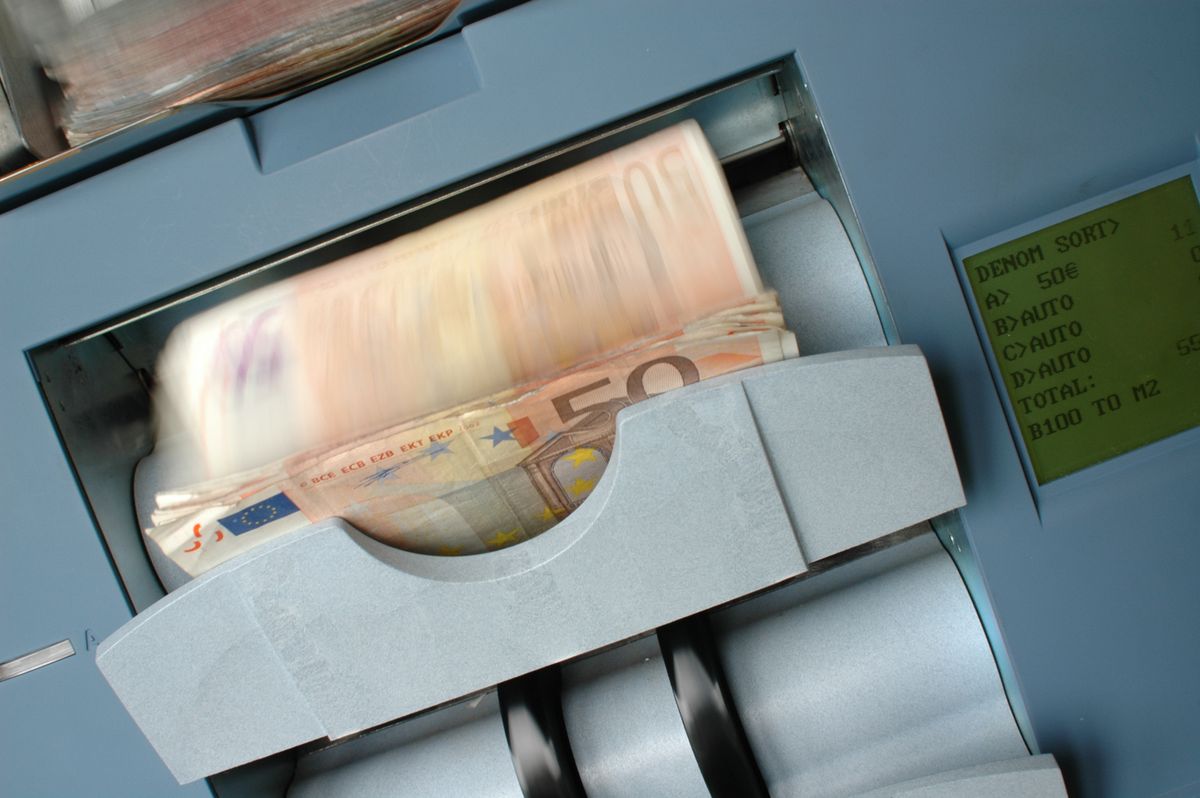
| Banknotes | €5, €10, €20, €50, €100, €200 (older €500 notes are still legal tender) |
| Coins | €2, €1, 50 cent, 20 cent, 10 cent, 5 cent, 2 cent, 1 cent |
| Cards accepted | Visa, Mastercard universally; Amex sometimes; Discover rarely |
| Contactless | Universal |
| ATM fee from Italian bank | €2-€6 typical |
| Foreign transaction fee on cards | Depends on your card; check your issuer’s fee schedule |
| VAT refund (non-EU) | On eligible goods over €70 per invoice (VAT included), less any tax-free company fee |
| Service in restaurants | Included by law |
| Tipping | Not expected; round up €1-€2 for good service |
Cash vs. Card
Florence accepts credit cards almost universally—even small cafes, taxis, and market stalls take cards. Italian shopkeepers may grumble about card fees, but the law requires them to accept a card payment of any amount unless the terminal genuinely cannot process it.
That said, cash remains useful for:
- Tips (always cash if you’re tipping)
- Small purchases at the bar (an espresso, a gelato)
- Some traditional trattorias that prefer cash
- Public bathrooms and parking machines
- Markets (San Lorenzo, Sant’Ambrogio, food markets)
- Some smaller shops in less touristy areas
Recommended approach: Use cards for hotel, restaurants, museums, transport, larger purchases. Carry €100-€200 cash for daily incidentals. Refill cash from ATMs as needed (don’t carry more than €300-€400 in cash).
ATMs (Bancomats) in Florence
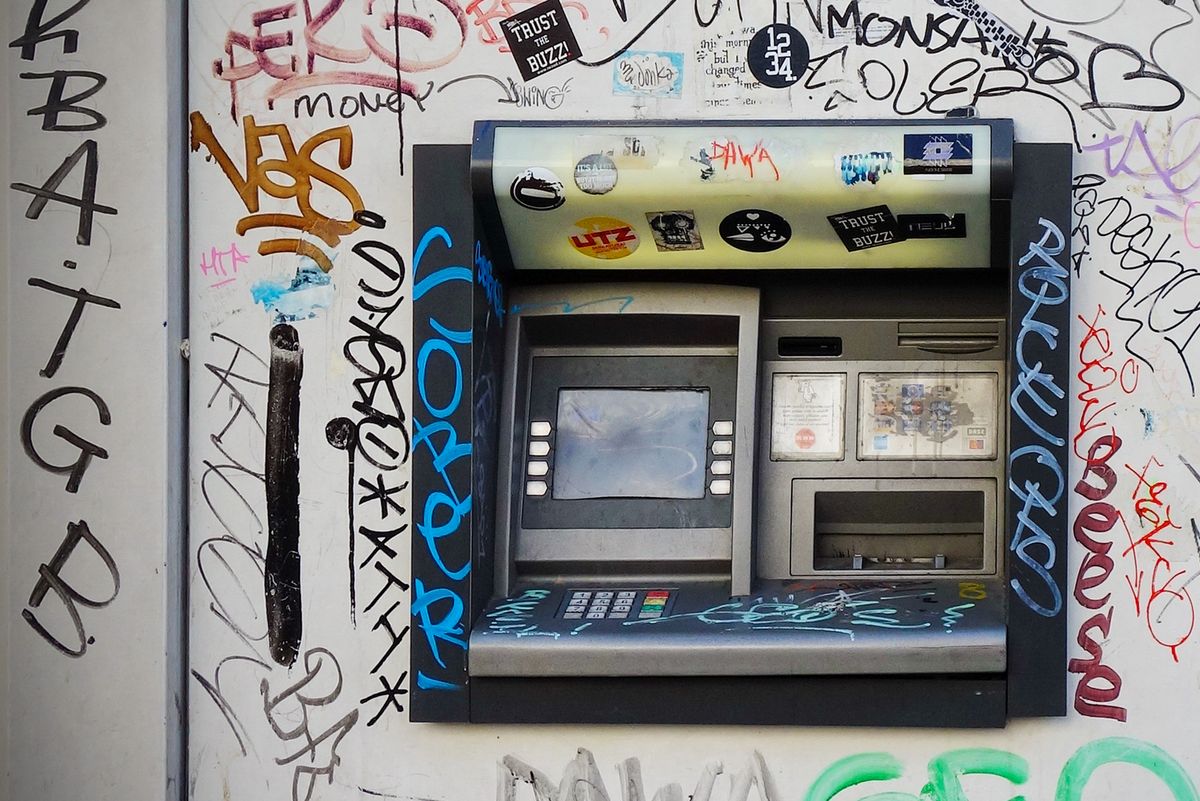
ATMs (called “bancomats” in Italian) are everywhere in Florence’s historic center. Use bank-owned ATMs (UniCredit, Intesa Sanpaolo, BPER, Monte dei Paschi di Siena) for the best exchange rates. Avoid Euronet and other independent ATM operators—they charge inflated fees.
How to Use ATMs in Florence
- Insert your card and follow the on-screen prompts (most machines offer English).
- If asked, “Charge in euros” or “decline conversion”—NEVER accept “Dynamic Currency Conversion” (where the ATM offers to charge you in your home currency). DCC adds a markup on top of your card network’s exchange rate, so the same withdrawal costs you more.
- Choose the amount in euros. Withdraw enough to minimize transaction fees (€100-€300 typical).
- Take your card immediately. Italian ATMs don’t dispense cash and cards in the same step; some return the card before the cash.
ATM Fees
Two layers of fees apply:
- Italian bank fee: €2-€6 per withdrawal (depends on which bank’s ATM you use). UniCredit and Intesa Sanpaolo are typical; some smaller banks charge less.
- Your bank’s fee: Varies by your home bank. US travelers: Schwab Investor Checking rebates eligible ATM fees worldwide and charges no foreign transaction fee, while Capital One 360 waives its own foreign transaction fees (the ATM owner’s charge may still apply). At major banks such as Chase and Bank of America, foreign ATM and currency-conversion fees depend on the account, so read your fee schedule before you withdraw.
Best strategy: Withdraw with a debit card that keeps foreign fees close to zero, such as Schwab Investor Checking (eligible ATM fees rebated worldwide) or Capital One 360 (no foreign transaction fee of its own). Withdraw larger amounts less frequently to minimize fees.
Credit and Debit Cards
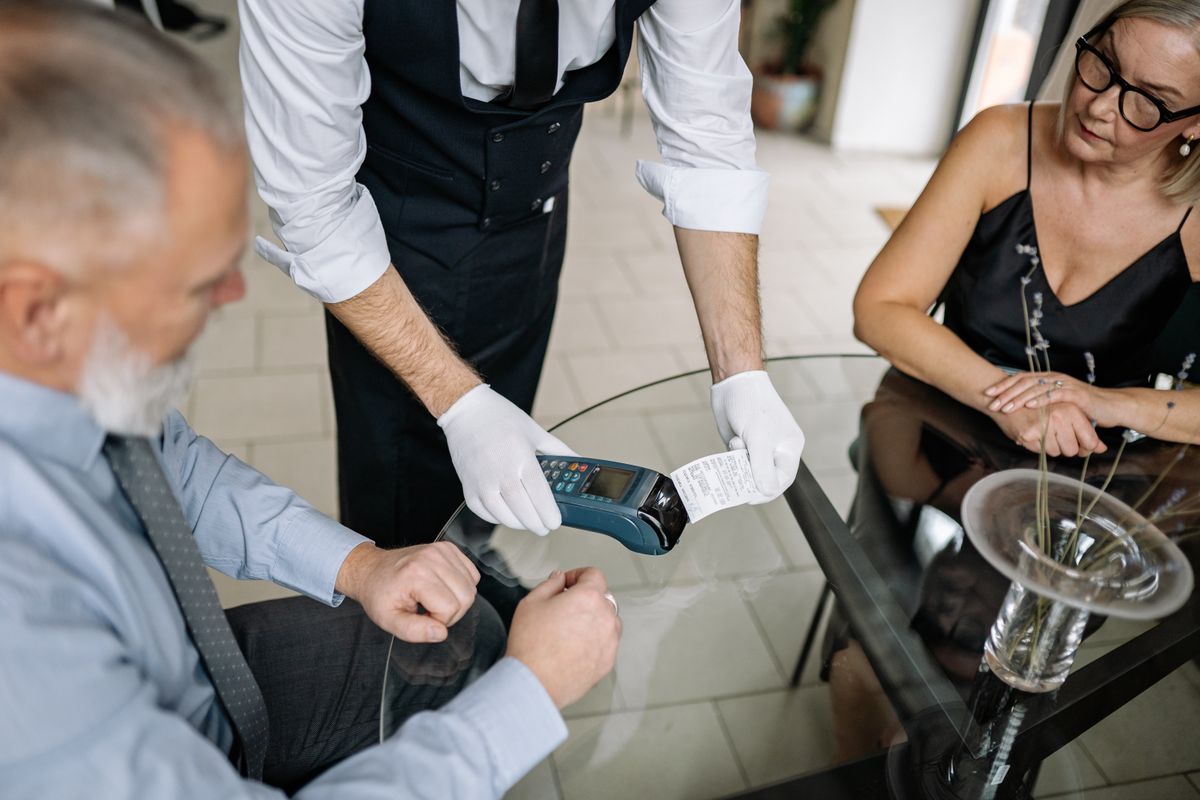
Visa and Mastercard are accepted virtually everywhere. American Express is accepted by most upscale hotels and restaurants but rejected by some smaller venues (the merchant fee is higher). Discover is accepted at very few places.
Foreign transaction fees: Avoid cards that charge 3% foreign transaction fees. Better choices include:
- No-foreign-transaction-fee credit cards: Chase Sapphire Preferred, Capital One Venture, Bank of America Travel Rewards, Citi Strata Premier. Citi and Bank of America state no foreign transaction fees on their cards; the Chase and Capital One cards typically charge none either, but confirm with the issuer.
- Travel cards with rewards: Some cards even give bonus points on international travel.
- Avoid: Standard credit cards from your home bank that charge 3% foreign transaction fees—this adds €30 to a €1,000 trip.
How to Use Cards in Florence
- Contactless (tap-to-pay): Universal in Florence. Apple Pay, Google Pay, and contactless cards work at most terminals.
- Chip-and-PIN: Most card transactions use chip-and-PIN. If your card is chip-and-signature, you may have problems at automated kiosks (parking, train stations); seek manned counters.
- “Charge in euros”: When asked at a card terminal, always say euros. Never accept Dynamic Currency Conversion (DCC) where the merchant offers to charge in your home currency. The merchant’s rate carries a markup over the card network’s, so paying in euros comes out cheaper.
- Tip on cards: If you want to tip, leave cash. Italian terminals don’t usually have a tip line; you can’t add a tip to the card payment.
- Protect your PIN: Cover the keypad. Watch for skimmer devices on ATMs.
Currency Exchange
Avoid currency exchange offices (“Cambio”) in tourist areas—they charge 5-10% commissions and offer poor exchange rates. The best exchange rates come from:
- ATMs: Bank exchange rate plus a flat fee. Best overall.
- Credit card purchases: Bank exchange rate (slightly less favorable than ATMs but no per-transaction fee). Best for purchases.
- Wise (formerly TransferWise) or Revolut prepaid card: Excellent rates with no foreign exchange fees. Reload before traveling.
If you must exchange cash: airports have the worst rates; banks (open weekday mornings) offer better rates than tourist exchange offices. Don’t exchange large amounts.
VAT Refund (For Non-EU Residents)
Non-EU visitors can claim a VAT refund (Italian “tax-free shopping”) on eligible goods costing over €70 per invoice, VAT included. Italy’s standard VAT (IVA) is 22%; how much comes back depends on the store and its tax-free company, which may deduct a fee.
How to Claim Your VAT Refund
- At purchase: Spend over €70 (VAT included) on a single invoice at a participating store. Show your passport or non-EU ID. The store provides a tax-free form (Global Blue, Premier Tax Free, Innova Tax Free are the main agencies).
- At airport (Florence Peretola or Pisa): Before checking baggage, take the form to customs. Customs stamps the form (validation), and may send you for a physical inspection of the goods, so keep your purchases where you can reach them.
- Refund options: Customs pays nothing out. The refund comes from the store or its tax-free company, by the method agreed when you bought: a credit to your card, a bank transfer or a cheque.
Tips: Allow extra airport time (1-2 hours for VAT processing). For small purchases, the paperwork may not be worth it—calculate the refund vs. the time required.
Tipping in Florence
Italian service is included by law in restaurants (“servizio compreso”). Tipping is not expected and may even confuse staff if overdone. Best practices:
- Restaurants: Round up by €1-€5 for good service, more for exceptional service. Don’t tip 15-20% as you would in the US.
- Bars and cafes: Round up to nearest €0.50-€1 (€2.50 for €2.30 espresso, €5.00 for €4.50 cocktail). Standing at the bar requires no tip.
- Hotels: €1-€2 per bag for porters; €1-€2 daily for housekeeping; €2-€5 for concierge service if they secure a difficult reservation or recommendation.
- Taxis: Round up to nearest euro (€10 for €8.50 fare). For longer trips, 5-10% is generous.
- Tour guides: €5-€10 per person for excellent guide; €10-€20 for private tours.
- Spas, services: 10% if you wish.
Watch for “coperto”: Italian restaurants charge a “coperto” (cover charge) of €1-€5 per person—a per-seat fee independent of service charge. This is normal and not a tip; it’s the bread/setup charge. Some restaurants also add a “servizio” charge (10-15%) on top, so check the bill for it before deciding whether to leave anything extra.
Daily Budget Estimates
| Budget Level | Daily Total (excluding accommodation) |
|---|---|
| Backpacker | €40-60 (hostel meals, basic food, walking, public transport) |
| Budget traveler | €60-90 (mid-range trattorias, gelato, occasional museum, public transport) |
| Mid-range | €100-180 (good restaurants, museums, taxis, drinks, gelato) |
| Comfortable | €180-300 (fine dining, all attractions, taxis, cocktails, shopping) |
| Luxury | €300-500+ (Michelin-starred dining, private tours, premium shopping) |
Specific costs to plan for: museum tickets €15-25 each (Uffizi €25, Accademia €20 plus €4 booking fee, Pitti €16), aperitivo €10-15 with food, sit-down lunch €15-30 per person, three-course dinner €30-60 per person, taxi €10-15 within historic center, gelato €3-5, espresso at bar €1.50.
Money Safety
- Pickpockets: Florence’s main money risk. Keep wallets in front pockets, bags zipped and worn in front in crowds. Avoid showing large amounts of cash. Watch for distracting tactics around tourist areas.
- Skimmer devices: Inspect ATM card slots before inserting your card. If anything seems loose or attached, use a different ATM.
- Fake police: If “police” approach asking to inspect your wallet, ask for credentials. Real Italian police never need to inspect a tourist’s wallet on the spot.
- Counterfeits: Rare but possible. Check the holographic strip and watermark on any note you receive from a non-bank source.
- Receipt scams: Always check restaurant bills carefully. Common errors: charging for items not ordered, “discrepancies” on totals, unauthorized “service” charges. Calmly point out errors.
Frequently Asked Questions
What currency is used in Florence?
The euro (€). Italy adopted the euro in 1999 (cash from 2002). Banknotes: €5, €10, €20, €50, €100 and €200 are issued today, and older €500 notes remain legal tender. Coins: €2, €1, 50¢, 20¢, 10¢, 5¢, 2¢, 1¢. Italy stopped issuing 1¢ and 2¢ coins in 2018; vendors round to nearest 5¢ on cash transactions.
Should I exchange money before going to Florence?
No. Italian ATMs offer the best exchange rates. Bring a no-foreign-fee debit card (or a card that reimburses ATM fees) and withdraw euros from ATMs in Florence. €50-€100 in advance for arrival expenses is reasonable but not necessary if your card works.
Are credit cards accepted in Florence?
Yes, almost universally. Visa and Mastercard at every restaurant, hotel, museum, taxi. Amex at most upscale venues. Italian law requires merchants to accept cards for a purchase of any amount. Contactless tap-to-pay is universal. Apple Pay and Google Pay both work.
How much cash should I bring to Florence?
€50-€100 in cash for arrival is plenty. Refill from ATMs as needed throughout your trip; carry €100-€200 daily for incidentals (tips, small purchases, markets, public bathrooms). Don’t bring more than €500 cash for security reasons.
What’s the best card to use in Florence?
For ATM withdrawals: a debit card that keeps foreign fees low, such as Schwab Investor Checking, which rebates eligible ATM fees worldwide, or Capital One 360, which adds no foreign transaction fee of its own. For purchases: a credit card with no foreign transaction fees, such as the Citi Strata Premier (confirm the terms of a Chase Sapphire Preferred or Capital One Venture with the issuer). Avoid using your everyday card if it charges 3% foreign transaction fees.
What is “Dynamic Currency Conversion” and why should I avoid it?
DCC is when an ATM, restaurant, or shop offers to charge you in your home currency instead of euros. The conversion carries a markup over the card network’s rate. Always say “no” or “charge in euros.” Your bank’s exchange rate is usually better than the merchant’s DCC rate.
How does the VAT refund work?
Non-EU residents can reclaim VAT on eligible goods costing over €70 per invoice (VAT included); the tax-free company may deduct a fee. At the store, request a tax-free form (show your passport). At Florence airport, get the form stamped by customs before checking luggage. The refund then arrives by the method agreed with the store: card credit, bank transfer or cheque. See our Florence shopping guide.
Should I tip in Florence?
Service is included by law. Tipping is not expected. Round up by €1-€5 for good service in restaurants; round up to nearest euro on taxis. Don’t tip 15-20% as in the US—it’s not the Italian custom. See our tipping in Florence guide.
Are there ATMs at Florence airport?
Yes. Florence Peretola Airport has multiple ATMs in both arrivals and departures. Pisa Airport (the larger nearby airport for Tuscany) also has ATMs. Avoid the airport currency exchange (“cambio”) booths—they offer poor rates.