This article contains advertising. Booking links on this site can be turned into paid links automatically by our partner Travelpayouts: if you book through one, we earn a commission from the provider, at no extra cost to you. It never affects what we recommend. Affiliate disclosure
Florence in January: Sales, Empty Museums & Real Prices
Florence in January is the city with the tourists subtracted. After the 7th, when the lights come down and the Italians go back to work, the historic centre reverts to being the heart of a working Tuscan city of about 360,000 people who happen to live among the greatest concentration of Renaissance art on earth. It is cold, it is the darkest month for sunshine hours, and it is the cheapest and quietest month of the year by a comfortable margin. There is exactly one week that breaks the pattern, and you need to know which one.
Part of our month-by-month series — Florence in winter covers the season as a whole and the best time to visit Florence puts January against the other eleven.
Two degrees warmer, an hour more daylight and the sales still running. Our guide to Florence in February covers the month that follows — one with no national public holiday in it.
The Shape of the Month
January divides cleanly into three, and the divisions matter more than the averages.
| Dates | What is happening | Rates and crowds |
|---|---|---|
| 1–6 January | Tail of the holidays. Lights up until the night of the 6th. Epiphany on the 6th. | Still peak. Busy, expensive, and several major attractions, the Uffizi among them, close on 1 January. |
| 7–11 January | Lights down, Italians back at work. The winter sales start in the first days of the month; Regione Toscana fixes the date each year. | The city empties overnight. |
| 12–15 January | Pitti Uomo at the Fortezza da Basso. | Hotel rates spike hard for four days. |
| 16–31 January | Nothing. Genuinely nothing. | The cheapest, quietest fortnight of the Florentine year. |
The transition on about the 7th is abrupt and quite startling if you are there for it. On the 6th the streets are full, the lights are on and the pasticceria windows are full of sugar coal. On the 8th the decorations are in vans, the queues have gone, and you can get a table anywhere.
The second half of the month has no events, no festivals, no holidays and no crowds. For a certain kind of traveller that is a description of paradise. For another, it is a description of nothing to do in the cold. Be honest with yourself about which one you are.
The Weather
| Measure | Typical |
|---|---|
| Average high | ~11°C |
| Average low | ~2°C |
| Mean temperature | ~6.6°C — the coldest month of the year |
| Rainfall | ~58 mm across about 7.5 wet days — drier than October or November |
| Sunshine | ~3 hours a day — the lowest of the year |
| Sunset | ~16:48 at the start, ~17:24 by the end |
| Snow | Rare in the city; the hills get it |
Two things worth pulling out of that table. First, January is drier than October or November. It is the coldest month but not the wettest, and the popular image of Florence in winter as relentlessly grey is not quite right — you get clear cold days with hard blue skies, and they are excellent.
Second, the days are already getting longer. Sunset moves from just before five at the start of the month to nearly half past by the end. It is not much, but it is going the right way, which is more than December manages.
What January does have is genuine cold, in a city that is not designed for it. Florentine buildings are stone, high-ceilinged and built to survive August, and interiors that are not actively heated — churches, cloisters, palazzo courtyards — hold the cold all day. Bring more than you think you need for standing still.
The Saldi: Italy’s Winter Sales
The saldi invernali are a genuinely useful reason to be here. Italian sale periods are set by regional government rather than by shops, which means they start on the same day everywhere in Tuscany and everybody knows the date. In practice the winter saldi begin in the first week of January — the exact date is fixed by the Regione Toscana each year — and run for roughly two months.
What that means for you: the reductions deepen as the weeks pass. If you are shopping for one specific thing, go on the opening day. If you are shopping opportunistically, the second half of the month is when the reductions get serious and the picking is thinner.
Where to actually go depends on what you want:
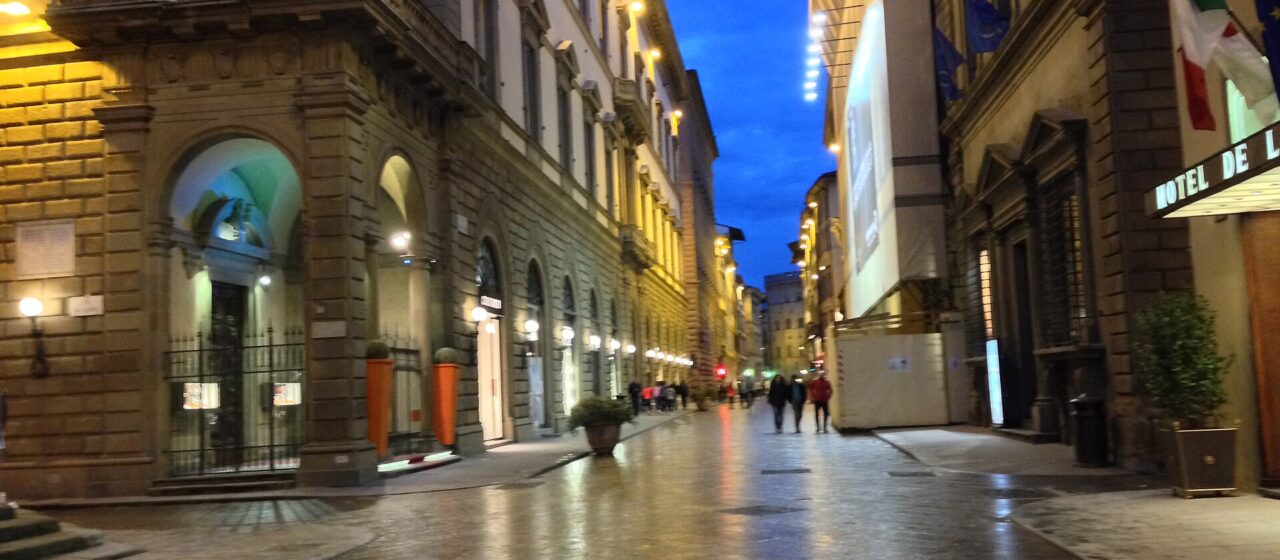
- Via de’ Tornabuoni — the luxury street. Ferragamo, Gucci, the Italian houses. Genuinely reduced, still expensive.
- Via Roma and Via dei Calzaiuoli — the mid-market chains.
- The Oltrarno workshops — leather, bookbinding, paper, jewellery. Artisans do not usually discount much, but January is when they have time to talk to you and take a commission.
- The outlets — the designer outlet villages in the Mugello and the Valdarno, out of town, and they run their own sale calendars on top of the regional one.
Our Florence shopping guide covers what is worth buying here regardless of the season, and our guide to money and currency in Florence covers the tax-refund mechanics if you are shopping from outside the EU.
One caveat on the saldi
Italian consumer rules on sale goods are not the same as on full-price goods, and shops can restrict returns and exchanges on discounted items. Faulty goods are always covered; buyer’s remorse frequently is not. Try it on in the shop.
Pitti Week: The One Expensive Week
This is the thing nobody tells you and it will cost you money if you do not know it.
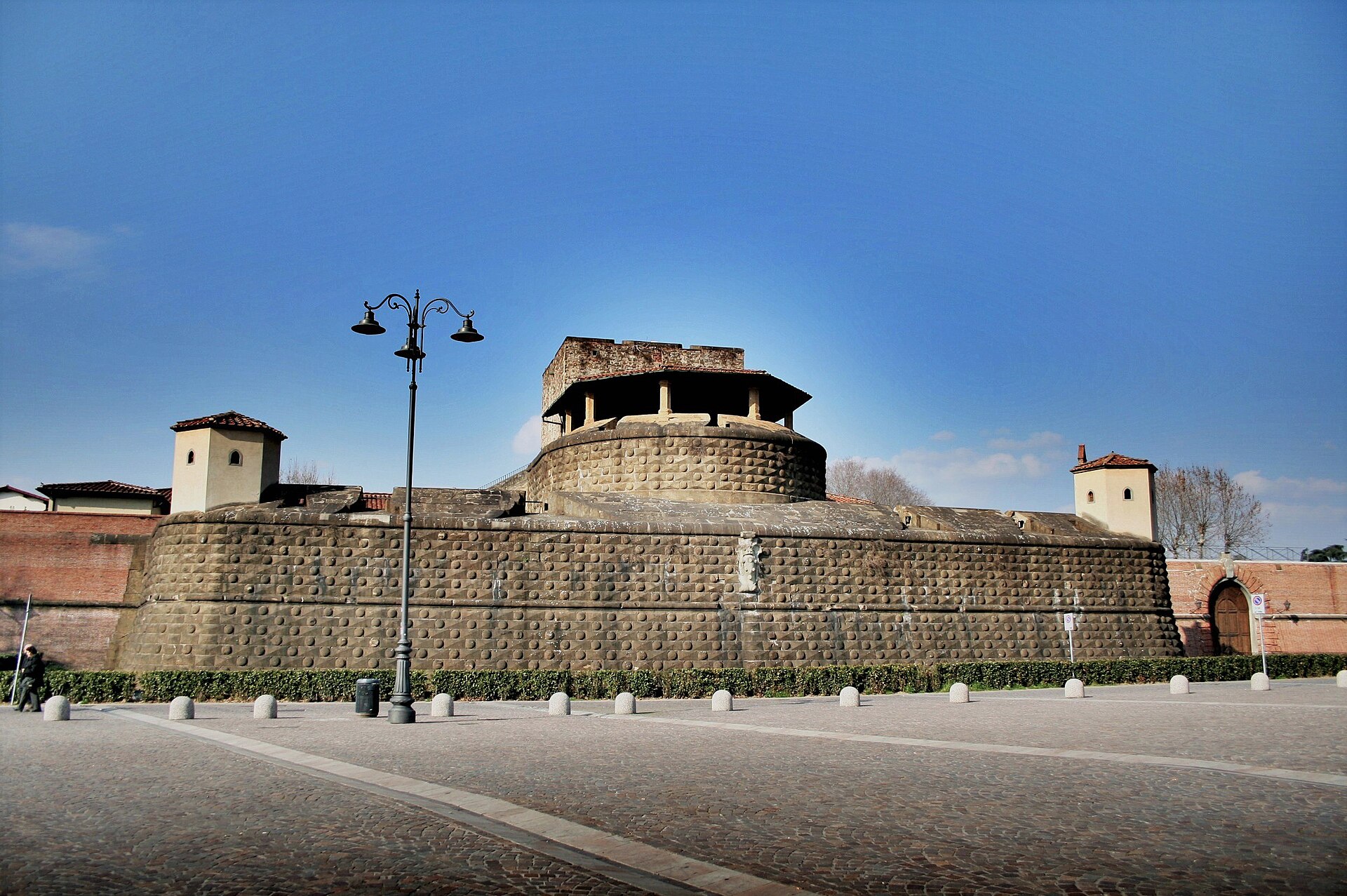
Pitti Immagine Uomo — usually just Pitti Uomo — is the international menswear trade fair, held at the Fortezza da Basso in mid-January. It runs four days, brings in something in the order of eight hundred brands and tens of thousands of buyers, press and photographers from around the world, and it turns the deadest fortnight of the Florentine calendar into a hotel-rate spike.
The 2026 edition ran 13–16 January and the 2027 edition is scheduled for 12–15 January. The Pitti season continues with Pitti Bimbo about a week later and Pitti Filati at the end of the month, both at the same venue and both smaller.
Two practical consequences. If you are a visitor and you book those dates by accident, you will pay two or three times what you would have paid the week before, and the good central restaurants will be full of buyers on expenses. And if you are into menswear, be aware that Pitti is trade only — you cannot buy a ticket and walk in — though the street outside the Fortezza during Pitti week is one of the great free spectacles in fashion, with several hundred extremely dressed men being photographed by several hundred photographers.
Check the dates before you book. It takes thirty seconds and it is the single highest-value piece of January planning advice on this page.
Museums With Nobody In Them
This is what you came for.
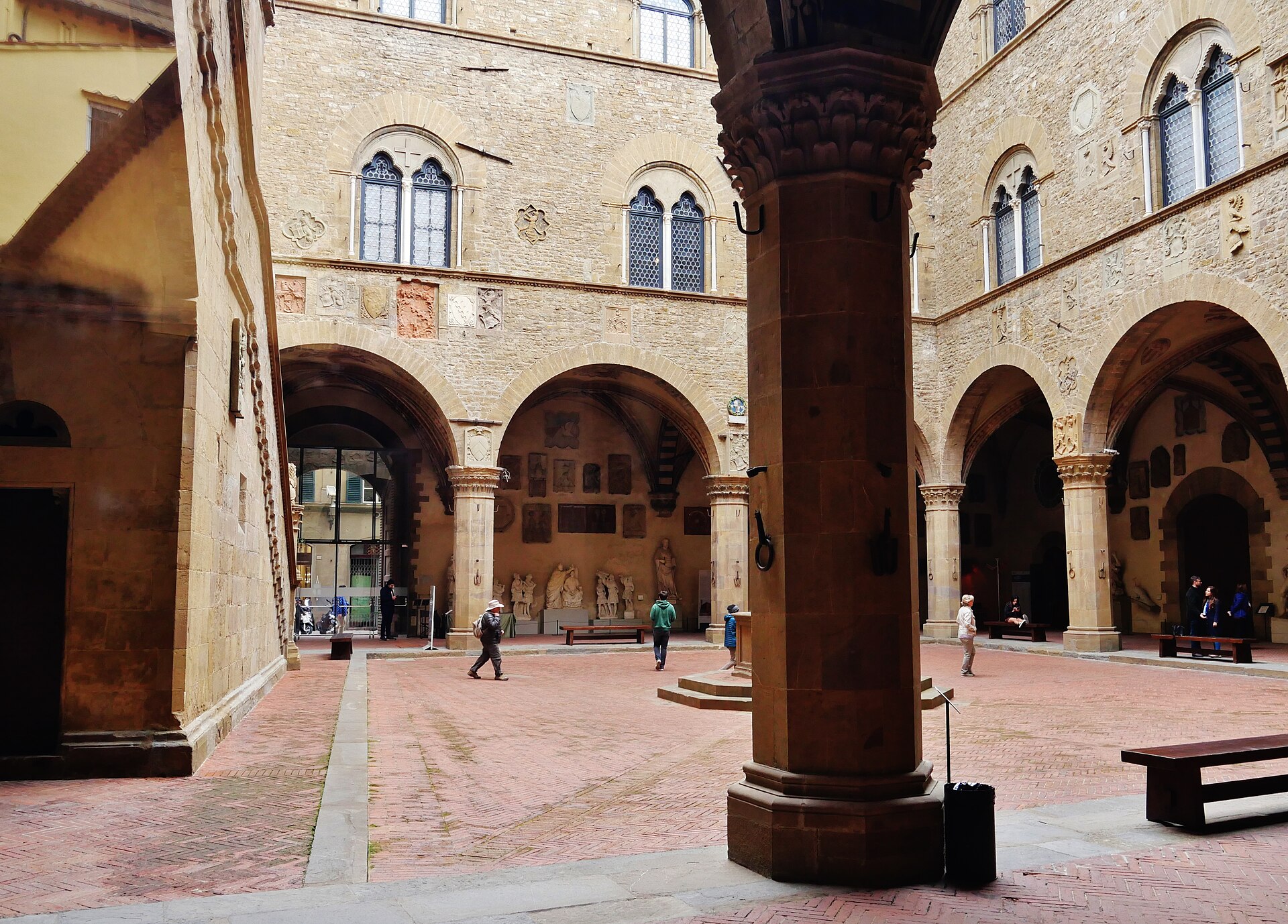
In the second half of January the Uffizi at opening is close to deserted. The Accademia takes a couple of days’ notice rather than a month. Nothing has a queue. The Bargello, San Marco, Palazzo Davanzati, Santa Maria Novella and the Museo dell’Opera del Duomo — all of them first-rate, all of them routinely skipped — are effectively private.

Three specific January opportunities:
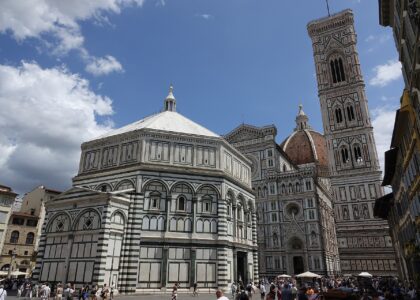
- The dome climb without the crush. 463 steps, no lift, and in July the stairwell is a queue you cannot leave. In January it is a staircase. Cold and clear at the top is also the best visibility of the year.
- The Vasari Corridor. Reopened in December 2024, sold as a combined Uffizi and Corridor ticket (€43 on the day, €47 booked; a €20 extra fee applies to PassePartout, annual-pass and Firenzecard holders), and limited to timed groups of 25. Reserve a slot ahead of your visit.
- The second look. If you have been to the Uffizi once in high season and felt herded, January is the month to go back and actually look at three rooms properly.
Our Uffizi guide and Duomo complex guide have the booking mechanics; in January you mostly do not need them, which is the point.
What It Actually Costs
| Item | Price | Note |
|---|---|---|
| Mid-range hotel, 7–11 & 16–31 Jan | Among the year’s lowest | Ask the hotel for its January rate |
| Mid-range hotel, Pitti week | Two to three times that | Check the dates first |
| Tourist tax, 4-star | €7.50 pppn | Capped at 7 nights, under-12s exempt |
| Tourist tax, B&B or short let | €6 pppn | Usually paid at checkout |
| Uffizi | €25 on the day, €29 booked | Walk up and save the €4 |
| Accademia | €20 + €4 fee | Price rose from €16 in Feb 2026 |
| Brunelleschi Pass | €30 | Dome slots available at short notice |
| Ghiberti Pass | €15 | Museum, Baptistery, Santa Reparata — no climbing |
| Boboli Gardens | €10 on the day, €13 booked | Closed first and last Monday |
| Single bus or tram ticket | €2.00 | €3.00 from the driver |
Note the walk-up point on the Uffizi. Admission is €25 on the day and €29 booked ahead, so turning up without a reservation saves €4. In January that is a reasonable gamble, though it does not guarantee immediate entry.
The Firenze Card at €85 for 72 hours includes admissions and reservation fees. Add up the entry fees of the museums you actually plan to visit in January and compare the total before you buy.
What Closes
Less than you fear, but the closures cluster at the start of the month.
- 1 January. The Uffizi, Pitti and Accademia normally close, and other museums vary, so check each one’s announcements. Most shops closed. Many restaurants shut at lunch. Public transport on a reduced service. Treat it as a walking day.
- 6 January, Epiphany. A public holiday, but not a museum closure — the Uffizi, Pitti, Boboli and the rest run normal hours. Shops are mostly shut. The lights come down that night.
- Mondays. The usual year-round closures apply: Uffizi, Accademia, Bargello. In a short January trip this is the closure that costs you.
- Boboli Gardens close on the first and last Monday of the month.
- Some restaurants take their annual break in January rather than August, particularly the smaller family-run places. It is not widespread, but if there is one specific place you have your heart set on, check it is open before you build an evening around it.
Otherwise the city works normally. This is not August; nothing shuts for a fortnight.
Eating in January
Winter is when Tuscan cooking makes sense, and January is when you can actually get a table at the places that are impossible in May.
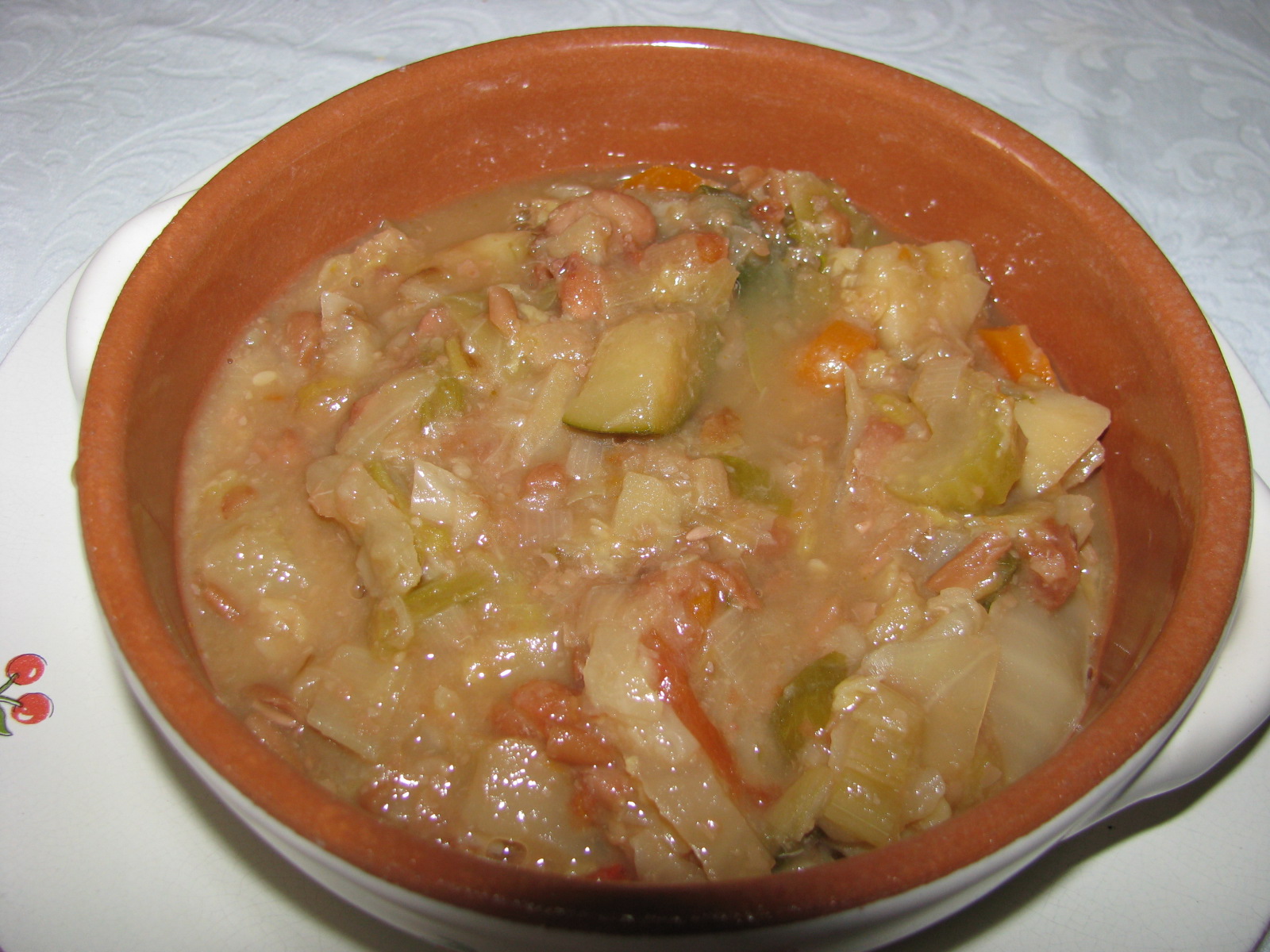
- Ribollita and pappa al pomodoro, the two great Tuscan bread soups, at their best.
- Cavolo nero, improved by frost, in everything.
- Trippa and lampredotto from the street carts, which are considerably more appealing at four degrees than at thirty-five.
- Bistecca alla fiorentina, priced by the kilo and shared, in a warm room, with a bottle of Chianti Classico. There is no better month for it.
- Cantucci and vin santo to finish, which is what everyone actually does.
The one thing January does not have is the seasonal excitement of autumn — no truffles worth the money, no new oil, no game season in full swing. It is comfort food rather than event food, and it is very good comfort food.
Book dinner anyway. Not because you will not get in, but because the good places have fewer covers in winter and some close on quiet nights.
Day Trips
Nine and a half hours of daylight at the start of the month, ten by the end. Keep the journeys short.
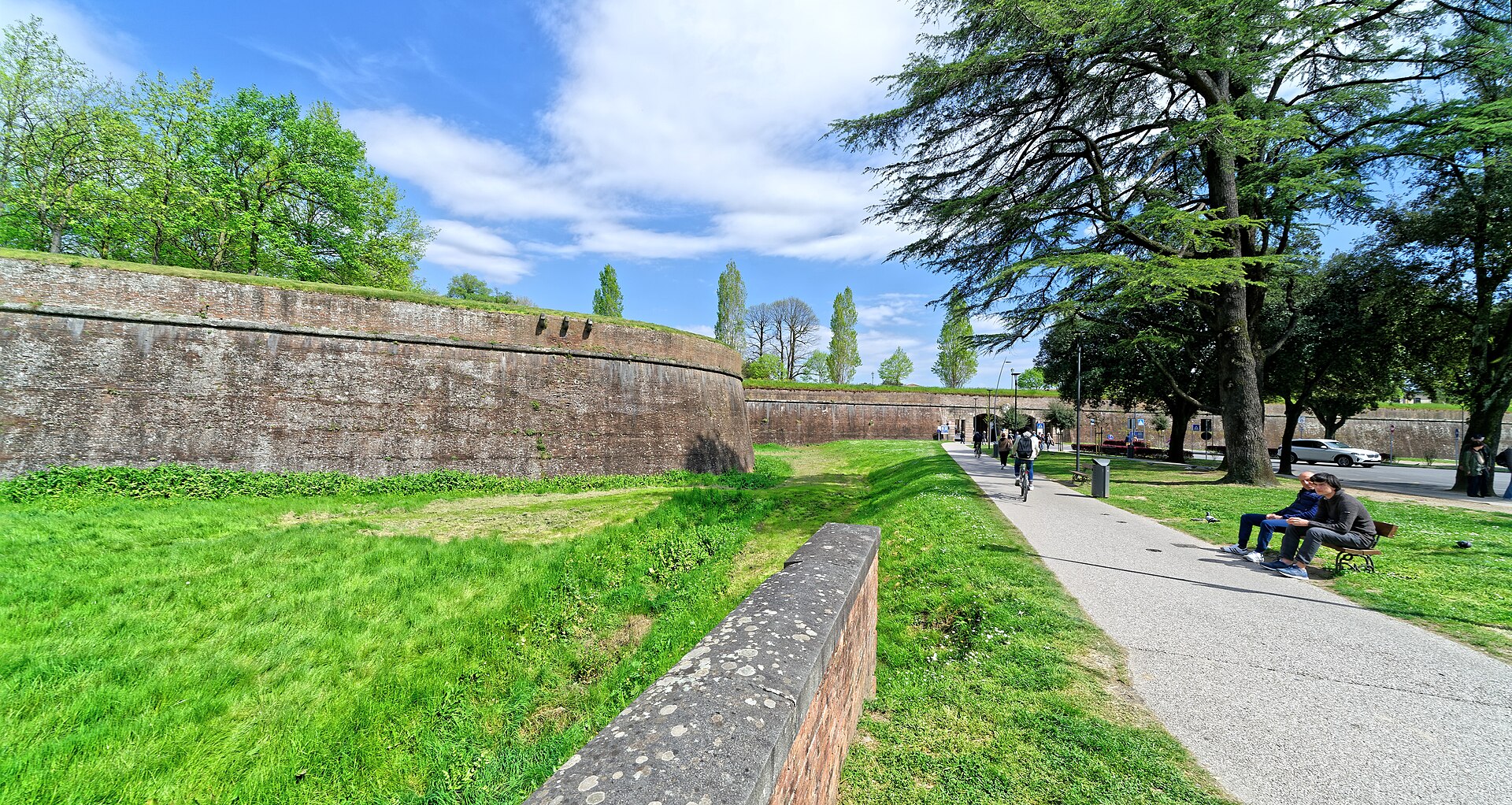
- Lucca is the best winter day trip from Florence. Walled, compact, entirely indoors-adjacent, and a genuinely better town in January than in July.
- Siena without the Palio crowds, and the Duomo floor is sometimes uncovered outside the summer viewing window — check before you go.
- Bologna, forty minutes on the fast train, with thirty-eight kilometres of arcades, which is exactly the right architecture for a wet January day.
- Fiesole, on bus 7 from Piazza della Libertà (check the day’s timetable on Autolinee Toscane’s site), cold and clear with the best view of the city.
- Abetone in the Apennines, about ninety minutes, for actual snow and a small ski area.
What not to do in January: Chianti, where the vines are bare and half the estates are shut, and Cinque Terre, where the winter weather is genuinely unpleasant and the paths often closed.
Honest Advice About the Cold
Eleven degrees does not sound cold to a northern European and it is not, in the abstract. What makes a Florentine January uncomfortable is the specifics:
- Stone holds cold. An unheated church at two in the afternoon is colder than the street. Santa Croce and Santo Spirito in particular are genuinely chilly, and you will be in them for an hour.
- The Arno makes damp. Morning air off the river is raw in a way the thermometer does not show.
- You stand still a lot. Looking at paintings is a stationary activity. Dress for standing, not for walking.
- Not everywhere heats well. Older hotels and short lets in stone buildings can be underheated. If you feel the cold, read the reviews on that point specifically.
The fix is unglamorous: a proper coat, thermal layers you can strip in a heated museum, gloves, a hat, and shoes that keep water out. Get that right and January is comfortable. Get it wrong and you will spend the trip in cafes, which is not the worst outcome available but is not what you came for.
The month after, which brings Carnival and slightly more daylight, is covered in Florence in February.
And the month before, with the lights and the holidays, is in Florence in December.
Frequently Asked Questions
Is January a good time to visit Florence?
It is the cheapest and quietest month, with museums you can genuinely walk round and hotel rates at their annual low. It is also the coldest, with the fewest sunshine hours. If your trip is about art, food and not queueing, January is excellent. If you want atmosphere and long days, it is not.
How cold does Florence get in January?
Average high around 11°C, average low around 2°C, mean around 6.6°C — the coldest month. It is drier than October or November, with about 58 mm of rain over 7.5 days, but has the fewest sunshine hours of the year at roughly three a day. Snow is rare in the city.
When do the January sales start in Florence?
Sale dates in Italy are set by regional government, and Tuscany’s winter saldi begin in the first week of January and run about two months. The exact opening date is fixed each year by the Regione Toscana, so check it before you plan a shopping trip.
What is Pitti Uomo and does it affect visitors?
It is the international menswear trade fair at the Fortezza da Basso, held over four days in mid-January — 12–15 January in 2027. It fills the city’s hotels and pushes rates up sharply in an otherwise dead month. It is trade only, so you cannot buy a ticket, though the street outside is worth seeing.
Do I need to book museums in January?
Generally no, and not booking saves you money: the Uffizi is €25 on the day against €29 booked, so turning up saves €4, though it does not guarantee immediate entry. The exception is the Vasari Corridor, which is capped at 25 people per timed group and worth reserving even in January.
What is closed in Florence in January?
1 January closes the Uffizi, Pitti and Accademia, along with most shops and many restaurants; openings at other museums vary, so check each one’s announcements. 6 January is a public holiday, and the Uffizi’s ordinary timetable does not list it as a closure, but check each museum’s holiday schedule. Ordinary Monday closures apply to the Uffizi, Accademia and Bargello, and Boboli closes on the first and last Monday. A handful of small restaurants take their annual break in January rather than August.
Is Florence dead in January?
The second half is quiet in the sense of having no events at all — no festivals, no holidays, no programme. The city itself is fully open and working. Whether “nothing on” reads as peace or as boredom depends entirely on what you wanted from the trip.
Keep Reading
- Florence in winter — December to February as a season.
- Florence in December — the month before, lights and all.
- Best time to visit Florence — where January sits against the year.
- Florence weather by month — the full averages.
- Shopping in Florence — what is worth buying in the saldi and what is not.
- The Uffizi — how to use an empty gallery.