This article contains advertising. Booking links on this site can be turned into paid links automatically by our partner Travelpayouts: if you book through one, we earn a commission from the provider, at no extra cost to you. It never affects what we recommend. Affiliate disclosure
Florence in September: Harvest, Warm Days, Fewer Queues
Florence in September is the month that experienced visitors quietly book and everyone else overlooks in favour of May. The afternoon drops five degrees on August, which turns the city from an endurance test back into somewhere you can walk all day. The Chianti hills go into the vendemmia and the wine festivals start. The Florentines come home and the shutters go back up.
Part of our month-by-month series — the best time to visit Florence compares all twelve, and Florence in August covers the month before, with the closures in it.
The Short Verdict
September is the best-balanced month in Florence, and the case for it is easy to make. Twenty-seven degrees in the afternoon and fifteen at night. Seven hours of sun a day. The city fully open again after the August ferie, with every workshop, trattoria and neighbourhood bar back in business. The grape harvest happening within half an hour of the city. And a crowd curve that falls all month.
The catch is that the curve starts high. The first week of September is not a quiet week — it is August’s crowd with September’s weather, which is a genuinely good deal on comfort but no help at all on queues. The month does not become the September people rave about until somewhere around the 15th, and it is at its best in the last ten days.
The other honest note: September is when the rain comes back. Sixty-seven millimetres over six wet days is nearly triple July, and it is the first instalment of a Tuscan autumn that gets properly wet in October and November. You will probably lose an afternoon. Plan for it rather than being surprised.
If you want one sentence: go in the second half of September. That is where the whole argument lives.
Weather: The Five-Degree Drop
| Measure | August | September | October |
|---|---|---|---|
| Average high | 32.4 °C | 27.3 °C | 21.5 °C |
| Average low | 18.5 °C | 15.0 °C | 10.9 °C |
| Rainfall | 37 mm | 67 mm | 105 mm |
| Wet days | 4.0 | 6.2 | 8.8 |
| Sunshine per month | 279 hrs | 210 hrs | 152 hrs |
Five degrees off the afternoon and three and a half off the night. That is the difference between a city you plan around the sun and a city you can simply walk through, and it is the single biggest reason September is worth the same money as August.
Twenty-seven degrees in Florence is still warm — the basin does not stop holding heat just because the calendar turned — but it is warm in a way that a hat and a bottle of water solve. You can climb the dome at eleven in the morning in September. You cannot sensibly do that in August.
The rain is the trade. September has more than half again as much as August and it arrives as proper weather rather than as heat-breaking thunderstorms: grey mornings and afternoons that can settle in for hours. Sunshine drops sharply too, from 279 hours to 210. The month gets steadily more autumnal as it goes — the first week feels like summer, the last week does not.
Daylight is going quickly as well. Sunset moves from about ten to eight at the start of the month to a little after seven at the end. The long Florentine evening is on its way out, and by the last week dinner outside needs a jacket.
The best month for anyone who finds crowds hard work
Thinning queues, mild temperatures and a fully functioning city make late September the easiest time of year to visit Florence if standing in heat is a problem, if you are moving slowly, or if you are managing a wheelchair over cobbles. Our Florence accessibility guide has the step-free routes, the museums with lifts and the ones without, and where the pavements genuinely defeat wheels.
The Two Septembers
More than any other month, September is two things joined at the middle, and the difference between them is worth real money.
1–14 September: summer’s tail. Peak room rates. The Accademia still wants three or four weeks. The Uffizi queue at eleven is what it was in August. What has changed is the temperature, and that alone makes it a better trip than August — but the crowd has not gone anywhere, because this is when most of northern Europe still has its holidays.
15–30 September: the good one. Schools have gone back across Europe, the family market disappears, and the drop is noticeable week on week. The Accademia comes back to a fortnight. Restaurants take a booking at two days’ notice. Rates soften. And the weather is barely different — two degrees cooler, one more wet day.
If your dates are movable at all, move them later. Shifting a September week from the 5th to the 20th costs nothing and changes the trip substantially.
La Rificolona, the Lantern Night
On the eve of the Nativity of the Virgin, Florence fills with children carrying paper lanterns on sticks, and it is one of the most purely charming evenings in the city’s year.
The traditional explanation is a practical one. Country pilgrims coming in for the feast at Santissima Annunziata on 8 September lit their way with homemade paper lanterns — rificolone. Their rough clothes and rougher lanterns were a standing joke among city folk, and the word has been an affectionate Florentine insult ever since.
How the 2026 evening ran
- 19:00 — the city gathering formed in Piazza Santa Felicita, just over the Ponte Vecchio on the Oltrarno side.
- The procession crossed the Ponte Vecchio and went through Piazza della Signoria and Piazza del Duomo to Piazza Santissima Annunziata.
- 21:30 — official opening and the blessing of the lanterns.
The timetable can shift from year to year, so check the programme on FeelFlorence, the city’s official tourism site, before you plan the evening around it.
Two things to know. First, it is free and it is a children’s festival, not a tourist spectacle — which is exactly why it is worth going to. The individual quartieri run their own smaller versions on nearby dates, and those are even more local.
Second, there is a tradition of boys with peashooters trying to set the lanterns alight, which is taken in reasonably good humour by everyone except the child whose lantern has just gone up. Buy a spare if you have brought children of your own.
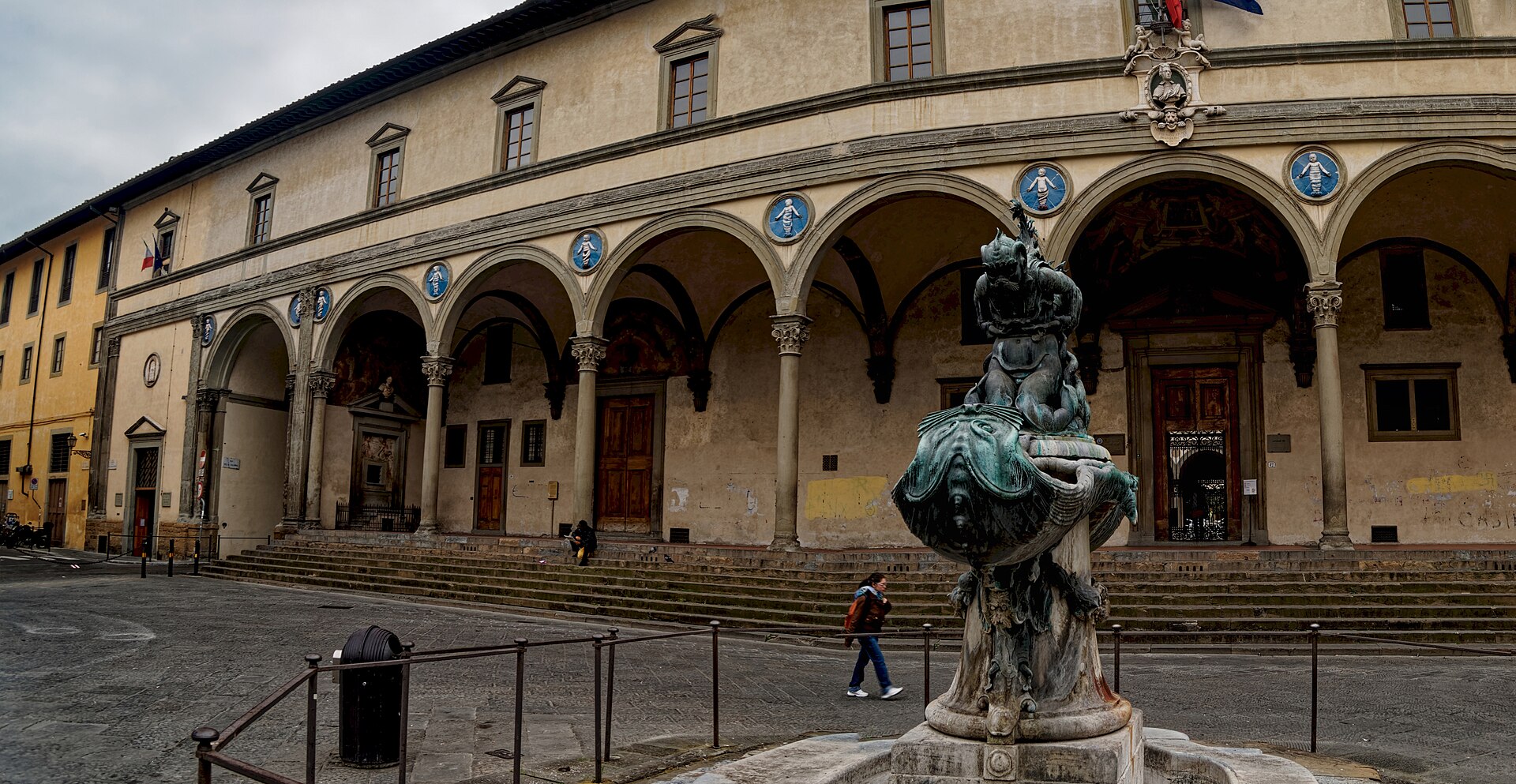
Piazza Santissima Annunziata — Brunelleschi’s foundling hospital loggia, della Robbia’s blue roundels, the two Tacca fountains — is a square most visitors never reach, and seeing it full of lanterns and small children at half past nine is a considerably better use of an evening than a queue at the Ponte Vecchio.
The Vendemmia and the Wine Festivals
The Tuscan grape harvest — the vendemmia — runs from roughly late August to early October, depending on the grape variety and how high up the vineyard sits. September is its heart, and within half an hour of Florence the hills are full of it: tractors on the lanes, crates stacked at the cellar doors, and the particular smell of fermenting must that gets into everything.
Two festivals anchor the month, and they are genuinely different in character.
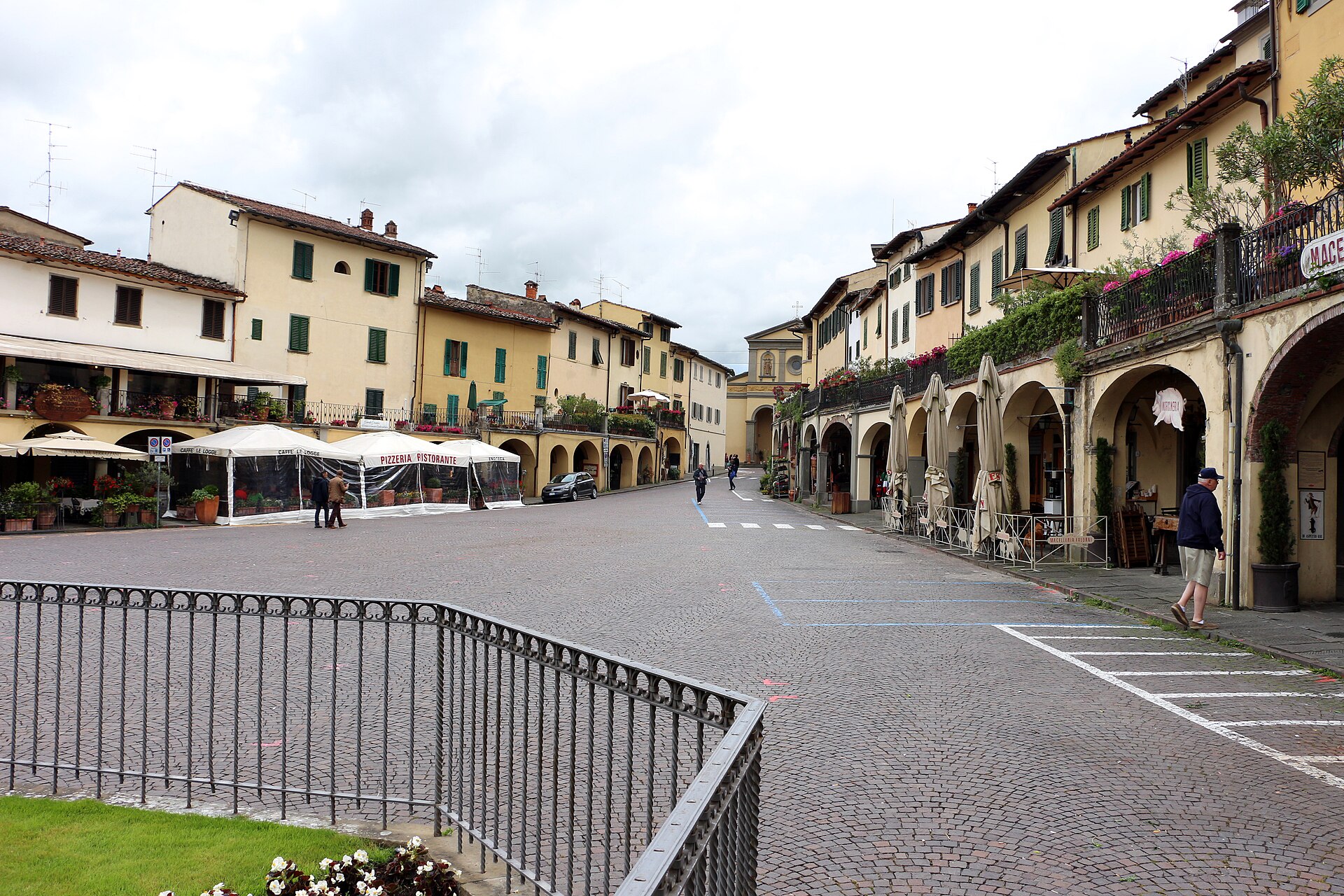
Expo Chianti Classico, Greve in Chianti — normally four days in the second week of September, in Piazza Matteotti, with the Chianti Classico producers pouring in the square. In 2026 the opening day was cancelled and the fair ran from 11 to 13 September; the organiser’s site carries the dates of the next edition. It is a wine fair rather than a folk event: you buy a glass, you work the stands, you talk to people who made the thing. Greve sits in the Chianti hills south of Florence, and the square is one of the best in Chianti.
Festa dell’Uva, Impruneta — traditionally held at the end of September, and the opposite proposition. The centenary parade took place on 27 September 2026; the comune of Impruneta publishes the next edition’s dates. Four historic districts — Pallò, Fornaci, Sant’Antonio and Sante Marie — build enormous allegorical floats on the harvest theme and parade them through Piazza Buondelmonti in competition. It is a village festival of the old kind, it is fiercely contested, and it has almost no international audience.
The wider autumn calendar, including the Montalcino thrush festival in October and the chestnut sagre in the Apennines, is in our guide to Tuscany wine festivals.
Book the cellars, and do not drive
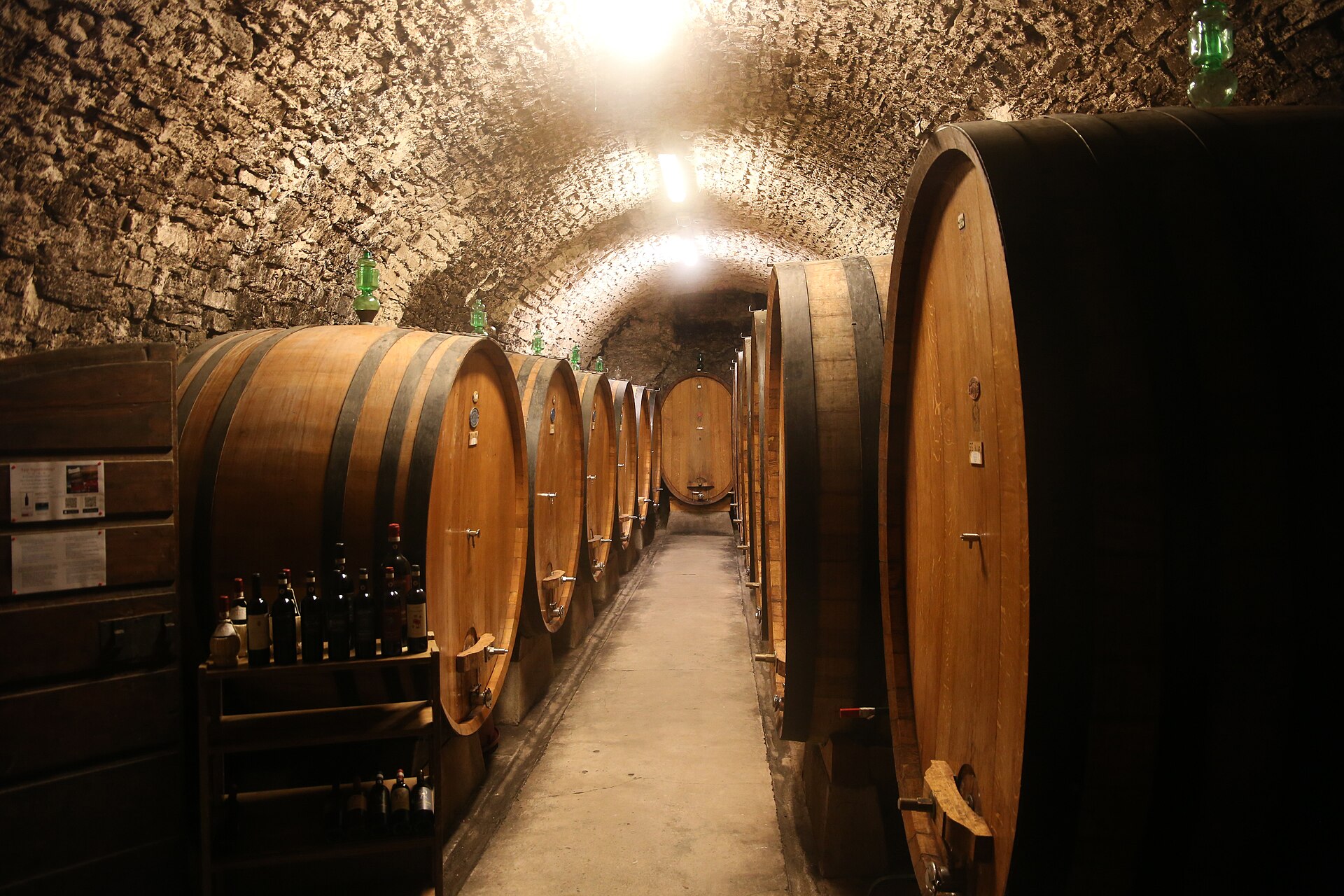
The grape harvest is a busy time on the Chianti estates, and when it falls depends on the grape variety and the vintage. Book directly and a week or two ahead, take two cellars rather than five, and arrange a driver or a small-group tour. Italian drink-driving limits are lower than the British ones and the Chianti roads are not forgiving. If you are hiring a car anyway, read renting a car in Florence first.
Crowds, Prices and Booking
| What | Early September | Late September | Price |
|---|---|---|---|
| Accademia (David) | Three to four weeks | A fortnight | €20 + €4 booking |
| Uffizi, 08:15 slot | Three weeks | A week or two | €25 day / €29 booked |
| Uffizi, from 16:00 | Check the day’s availability on the Uffizi’s booking page | €16 | |
| Duomo dome climb | Book ahead on the Duomo’s ticket site | Brunelleschi Pass €30 | |
| Vasari Corridor | As far out as it is sold, all month | Uffizi + Corridor €43 day / €47 booked (€20 extra for pass holders) | |
| Chianti cellars | A week or two — harvest is their busy season | Varies | |
| Restaurants | Four days | Two days | — |
The Uffizi’s prices do not change with the season — there is no low-season ticket — so what varies is how far ahead you commit and what a bed costs. Hotel rates hold at close to peak until about the middle of the month and then start giving way.
The afternoon Uffizi ticket is still the best value in the city: €16 for entry from 16:00, with the gallery open until 18:30. In late September that is two hours in a genuinely quiet Uffizi. The mechanics are in our Uffizi tickets guide.
And as ever, avoid the free first Sunday of the month. In early September it is still a peak-crowd day, and free entry converts a great gallery into a scrum.
What Ends in September
A surprising number of Florentine things stop this month, and being caught by one is a common way to lose a planned afternoon.
- Estate Fiorentina — the city’s umbrella summer programme, which in 2026 ran from 1 June to 30 September, with free concerts and events across the piazze and gardens right up to the end. Check the city’s programme for the next season’s dates.
- Estate Fiesolana at the Roman theatre ran from 8 June to 12 September in 2026. If a concert up the hill is on your list, check the festival’s programme for the closing date, which in 2026 fell in the first half of the month.
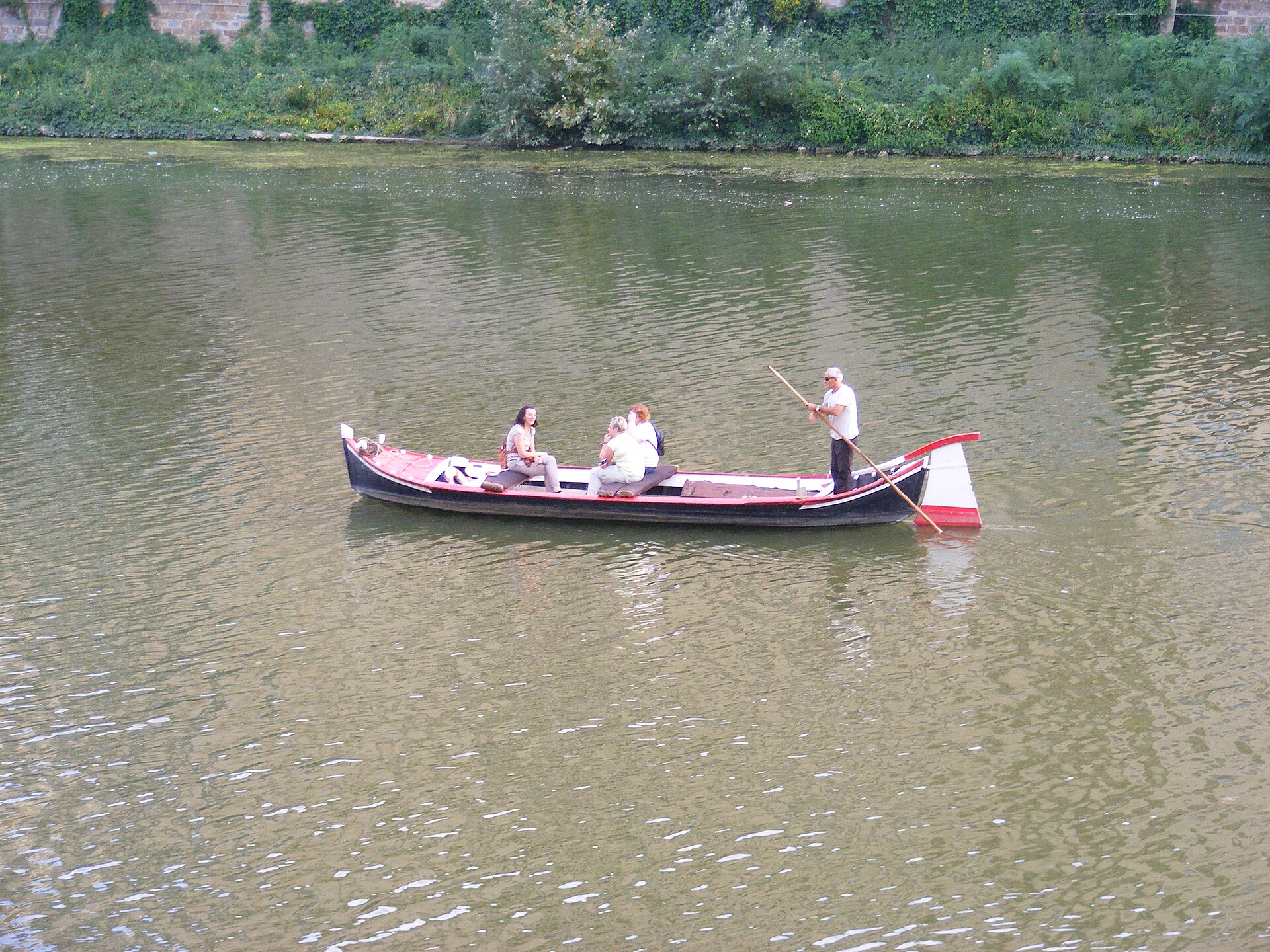
- The Arno boats. The Renaioli barchetti from Piazza Mentana run May to September by reservation only, so the river season closes with the month.
- The summer sales finish at the start of September.
- The night ZTL — the extra late-night restriction on Thursdays, Fridays and Saturdays, usually 23:00 to 03:00 — is a summer measure: in 2026 it ended after the night of 3–4 October, so it covered the whole of September. The city’s mobility announcements give each season’s dates. The daytime zone applies year-round, and a fine is around €80 or more for each gate you pass, plus notification costs.
- The Rose Garden keeps flowering into September and is free and open all year, so that one is not a deadline. Boboli and Bardini resume their first-and-last-Monday closures once October arrives.
What to Do
In the city
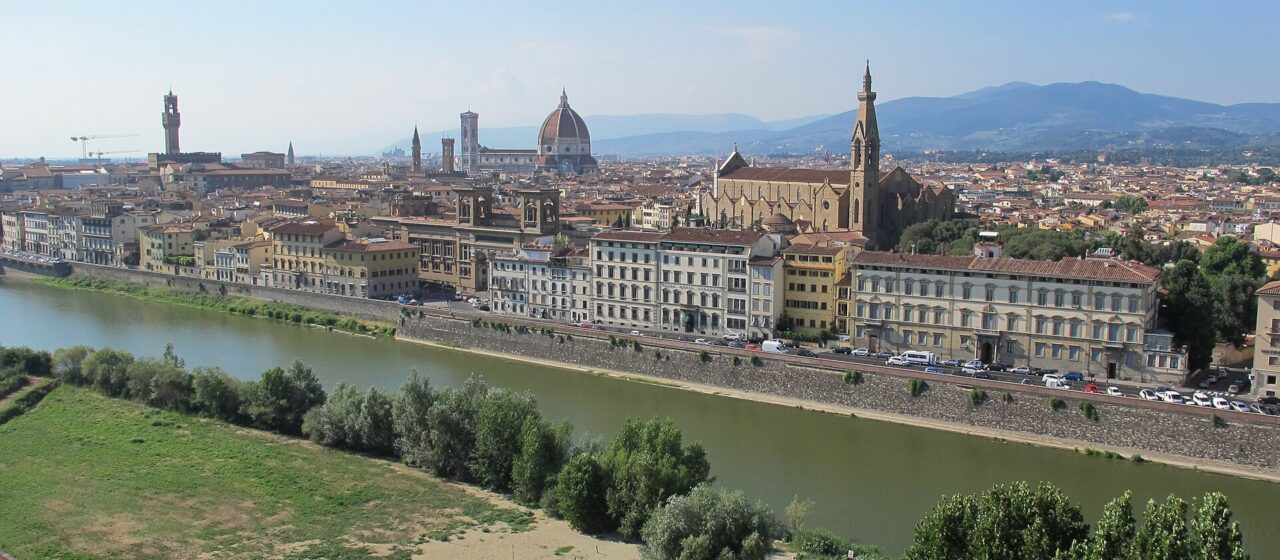
September is the month to do the walking you could not face in August. The full circuit — Ponte alle Grazie, up through the Rose Garden, Piazzale Michelangelo, San Miniato al Monte, down through Porta San Miniato — is comfortable again in twenty-seven degrees, and San Miniato is an eleventh-century Romanesque church with the best view in the city in front of it and Gregorian vespers most evenings. It costs nothing.
The Oltrarno is properly back. The workshops on Via Santo Spirito, Via Maggio and Borgo San Frediano reopen after the ferie, the neighbourhood is working again, and Santo Spirito in the evening is one of the better squares in Italy. The Brancacci Chapel — €15 (€10 reduced), ten people per thirty-minute slot, closed Tuesdays — is worth the booking effort.
And the light is changing in a way photographers notice. September gives lower sun, longer shadows and the first of the autumn clarity, without October’s rain. Our guide to the best photo spots in Florence covers where to be and when.
Out of the city
This is the month for Chianti and it is not close. The vines are heavy, the light is gold, the tastings are real rather than performative, and the landscape is doing the thing the postcards promise. Siena, San Gimignano, Lucca and Pisa are all better now than in high summer — walking around an open hill town stops being punishing. Our day trips from Florence guide has times and fares, and the Pisa day trip is its own page.
Three September mistakes
- Booking the first week and expecting the quiet month. The crowd does not leave until mid-month.
- Assuming Estate Fiesolana is still running. It finishes around the 12th.
- Turning up at Chianti cellars without booking. September is harvest; the people who pour are the people picking.
Eating in September
September is one of the two genuinely great eating months in Tuscany — the other is October — because the summer produce is still going and the autumn produce has started.
Still on: tomatoes at their absolute best, so panzanella and pappa al pomodoro are at peak; melon; and the last of the courgette flowers.
Arriving: figs, which in Tuscany in September are a different fruit from anything sold in a British supermarket; grapes, obviously; the first porcini, which turn up on everything from tagliatelle to a grilled steak and are worth ordering the moment you see them; and towards the end of the month the first hints of the autumn kitchen — game, beans, and the return of the soups.
Schiacciata con l’uva is the September bake: flat sweet bread pressed with wine grapes, skins, pips and all, baked until the juice runs. It appears in bakeries for a few weeks around the harvest and then vanishes. It is properly Florentine, it costs almost nothing, and it is the most seasonal thing you can eat in this city.
The practical improvement over August is enormous: everything is open again. The family trattorias are back from their ferie, the neighbourhood places are trading, and by the second half of the month you can book at two days’ notice rather than five. Our Florence food guide has where to go, and Italian dining etiquette covers the coperto and the coffee rules.
What to Pack
- Summer clothes, plus a real layer. Twenty-seven by day and fifteen at night is a twelve-degree swing, and by the last week dinner outside needs sleeves.
- A light waterproof. Six wet days, and September rain is proper rain rather than a thunderstorm that clears.
- Sunscreen and a hat. Still seven hours of sun a day and the Tuscan sun in September catches people who have stopped thinking about it.
- Proper walking shoes. This is the month you will actually do the hill walks and the day trips.
- Sleeves for churches — enforced at the Duomo and Santa Croce. See the church dress code.
- Room in the bag. The workshops are open again and the wine is being made ten miles away.
The full list is in our Florence packing list.
Frequently Asked Questions
Is September a good time to visit Florence?
It is the best-balanced month of the year. Twenty-seven-degree afternoons, the city fully open after the August holidays, the grape harvest half an hour away, and crowds that thin every week. The qualification is timing: the first fortnight still carries August’s crowd. Book the second half of the month and it is very hard to beat.
How warm is Florence in September?
Average high around 27 °C and average low around 15 °C, with about 67 mm of rain over six days and 210 hours of sunshine. That is five degrees off August, which is the difference between planning around the sun and simply walking wherever you like. The month cools noticeably as it goes.
Is it crowded in Florence in September?
Very, for the first fortnight — that is still peak season with better weather. From about the 15th, when schools go back across Europe, it drops noticeably week by week. Check availability on the Accademia’s official booking page before you fix your dates, and move them later if you can.
What is the Rificolona festival?
Florence’s paper-lantern festival, held on the eve of the Nativity of the Virgin (7 September in 2026). That year the lantern procession gathered at 19:00 in Piazza Santa Felicita and crossed the Ponte Vecchio to Piazza Santissima Annunziata, where the lanterns were blessed at 21:30; FeelFlorence lists each year’s programme. It is free and it is mostly for children.
Can you see the grape harvest near Florence?
Yes — the vendemmia runs roughly late August to early October and September is its heart, with Chianti estates half an hour from the city. Book a cellar a week or two ahead, because harvest is a busy working period. The two big events are Expo Chianti Classico at Greve (11–13 September in 2026) and the Festa dell’Uva at Impruneta, whose centenary parade was on 27 September 2026; check the organisers’ sites for the next dates.
Does it rain a lot in Florence in September?
More than the summer and less than the autumn: about 67 mm over six wet days, nearly triple July but well under October’s 105 mm. It is the first instalment of the Tuscan wet season, and it falls as sustained rain rather than as clearing thunderstorms. Expect to lose an afternoon and keep an indoor option in reserve.
What should I eat in Florence in September?
Schiacciata con l’uva above all — flat sweet bread pressed with wine grapes, baked for a few weeks around the harvest and then gone for a year. Also the first porcini, Tuscan figs, and panzanella while the tomatoes are still at their peak. Everything is open again after the August closures, which is the month’s other great advantage.
September or October in Florence?
September for warmth and the harvest, October for quiet and price. October is six degrees cooler and much wetter — 105 mm over nearly nine days, the second-wettest month of the year — but the crowds and the rates both drop properly. Late September is the sweet spot between the two.
Keep Reading
- Florence in August — five degrees hotter, with the workshops shut.
- Florence in October — cooler, quieter, wetter, and cheaper.
- Tuscany wine festivals — the full autumn calendar, from Greve to Montalcino.
- The best time to visit Florence — all twelve months compared.
- Florence weather by month — the full climate tables.
- Day trips from Florence — Chianti at its best, plus the hill towns.
- Florence tours guide — which guided options earn their money.