This article contains advertising. Booking links on this site can be turned into paid links automatically by our partner Travelpayouts: if you book through one, we earn a commission from the provider, at no extra cost to you. It never affects what we recommend. Affiliate disclosure
Florence in winter is a different city—quieter, more atmospheric, more affordable, and rewarding in ways the summer version isn’t. The crowds thin out, prices drop from summer rates, and the historic atmosphere of medieval streets shrouded in occasional fog feels closer to what Florence was like for the past 800 years. Yes, it’s chilly (daytime highs average 11–13°C, nights 2–3°C) and daylight is short (sunset around 4:45 PM in late December), but for travelers willing to embrace the cooler season, Florence in winter is one of Italy’s underrated experiences. This complete guide covers what to do, where to eat, what to wear, and why winter Florence might be your best Italian experience.
Winter is Florence at its cheapest and emptiest — no queue for the dome climb, and the museums are genuinely pleasant. Check the numbers in our weather by month guide, and keep our rainy day list handy for the wet afternoons.
The festive fortnight has its own rules — different prices, different opening hours, some restaurants shut. Our guide to Christmas in Florence handles the markets, the lights and what actually opens on 25 December.
The last night of December is the one date in winter that needs booking months out. Our New Year’s Eve in Florence guide has the cenone prices, the free concerts and the very quiet 1 January that follows.
The season effectively starts a month earlier than the calendar says. Our guide to Florence in November covers the wettest weeks of the year, the empty Uffizi mornings and the olive-oil season.
The season’s first month is really two months in a coat. Our guide to Florence in December separates the cheap, empty first three weeks from the peak-priced holiday fortnight that follows.
The quietest weeks of the whole year fall in the second half of this month, and there is one expensive week hiding in the middle of them. Our guide to Florence in January covers the saldi, Pitti Uomo and the empty museums.
The season’s last month is the one with something worth travelling for attached to it. Our guide to Florence in February covers the Viareggio carnival dates, the winter price floor and the turn towards spring.
Winter ends unevenly here: the first fortnight of March is still the cold version of Florence, and the second is not. Our guide to Florence in March marks where the handover happens, and why the clock change matters more than the thermometer.
Why Visit Florence in Winter
- 30-50% lower prices: Hotels that cost €250 in summer drop to €120-150. Mid-range rooms become attainable for budget travelers.
- Lowest crowds of the year: Mid-November to early December and mid-January to early February. You can walk the major sights without crowds.
- Authentic local atmosphere: Most tourists are gone. Florentines reclaim their city. Restaurants are filled with locals.
- Christmas markets and lights: December turns Florence into an enchanted city with markets, F-Light projections on landmarks, and festive atmosphere.
- Better museum experiences: Winter is a quieter season for the Uffizi. Spend hours with David at the Accademia without crowds.
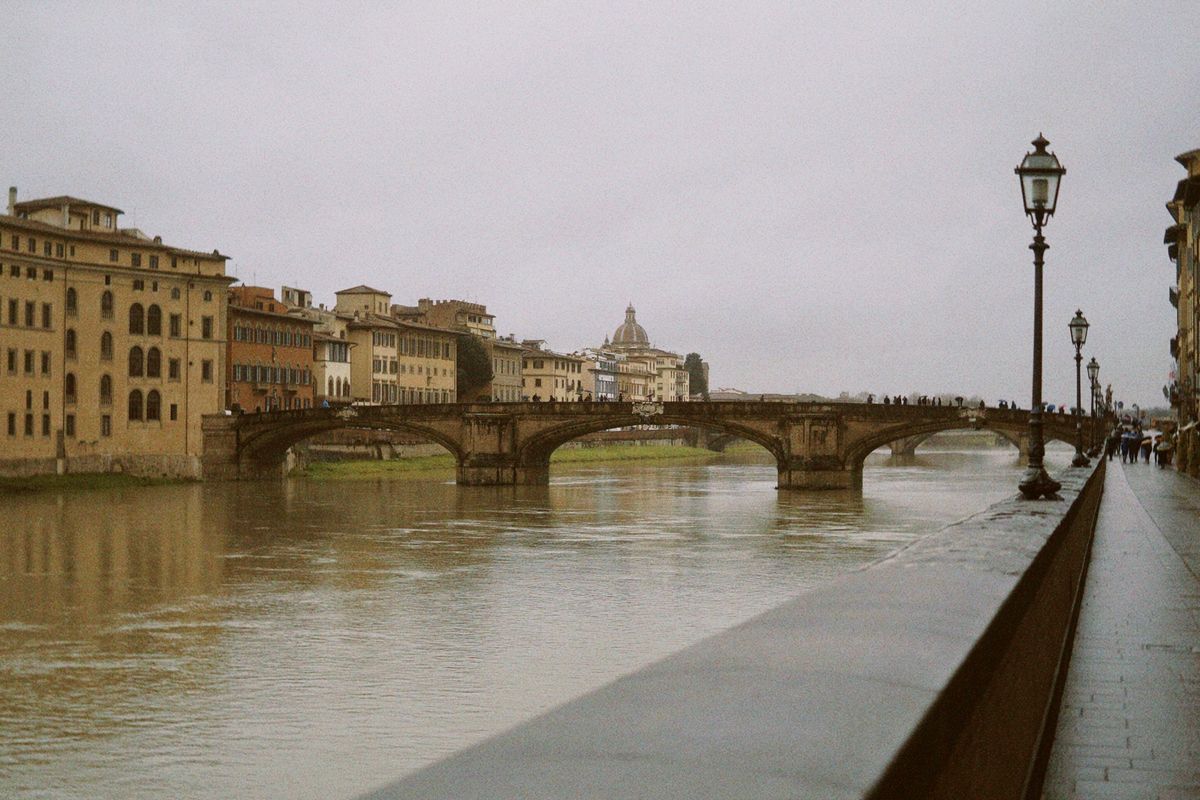
- Atmospheric photography: Morning fog over the Arno; medieval streets in cool blue light; the Duomo emerging from mist.
- Hot Italian food: Hearty winter dishes—ribollita, peposo, lampredotto—are perfectly suited to cold afternoons.
- Wine season: Nuovo wine tastings, traditional Florentine cantinas open with local labels.
- Shorter days = focused itineraries: A sunset around 4:45 PM in late December means dinner starts earlier; full days feel manageable.
Florence Winter Weather
| Month | Avg High | Avg Low | Rain Days (1 mm or more) |
|---|---|---|---|
| November | 15.6°C / 60°F | 6.4°C / 44°F | 10 |
| December | 11°C / 52°F | 3°C / 37°F | 10 |
| January | 11.2°C / 52°F | 2.1°C / 36°F | 7.5 |
| February | 12.7°C / 55°F | 2.5°C / 37°F | 7.2 |
Winter afternoons are generally mild, with average highs around 11–13°C (52–55°F), but nights average 2–3°C and frost does occur. Mornings can be chilly with fog; afternoons warm enough to walk in a sweater. November is the wettest month; December-February sees fewer rainy days but possible showers.
Snow is rare in Florence, though it does settle on occasion. When it does, the city looks magical for a day before melting.
What to Pack for Winter Florence
- Warm waterproof coat: Wool or down. Florence can be windy.
- Layers: Sweater, long-sleeve shirts, thermal underwear for very cold days.
- Long pants: Wool or denim. Avoid summer-weight fabrics.
- Waterproof boots: Cobblestones get slippery when wet. Sturdy walking boots or waterproof sneakers work.
- Scarf, hat, gloves: Important for January morning excursions.
- Compact umbrella: November-January rainfall is real.
- Light layers underneath: Florence buildings often have radiant heat that gets surprisingly hot.
- Comfortable walking shoes: You’ll still walk 10-15 km per day.
What to Do in Winter Florence
Visit Museums Without Crowds
The biggest winter advantage. Winter is a quieter season at the Uffizi, the Accademia, Pitti and the Bargello. Spend longer with art that interests you; revisit favorite paintings.
Climb the Dome with Comfort
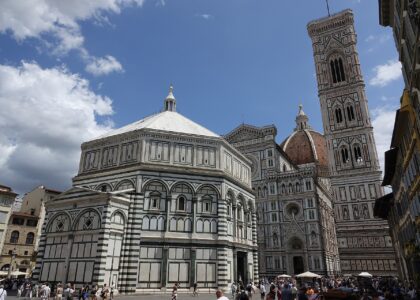
The Brunelleschi dome climb can be sweltering in summer. In winter, the climb is comfortable, and the panorama from the top has crisp clear air with snow-capped Apennine mountains visible.
Christmas Markets (December)
The Heidelberg Christmas Market in Piazza Santa Croce (late November to mid-December) is the city’s main Christmas market. Wooden stalls selling mulled wine, German sausages, ornaments, and Christmas decorations. Smaller markets pop up in Piazza Tasso (vintage), Piazza Ciompi, and elsewhere through December and early January.
F-Light Festival (December)
Two weeks of light projections on landmark buildings throughout December. The Duomo, Palazzo Vecchio, Pitti Palace, and Boboli Gardens are all illuminated with seasonal designs. Free to view from public spaces; Boboli portion typically charges admission. The light festival transforms familiar Florence into something magical.
Day of the Medici (February 18)
Annual commemoration of Anna Maria Luisa de’ Medici’s death anniversary. All Florence city museums are FREE on this day—Uffizi, Accademia, Pitti, Bargello, San Marco, Palazzo Vecchio. Plan a winter trip around this date if you want maximum free museum access.
Wine and Restaurant Nights
Italian winter is when restaurant culture peaks. Hearty Tuscan dishes—ribollita (bread soup), peposo (beef stew), lampredotto (tripe sandwich), pappa al pomodoro (tomato bread soup)—are at their best. Trattorias are filled with locals; reservations easier than summer; conversations slower.
Carnival (February)
Florence’s Carnival is much smaller than Venice’s, but the city celebrates with masked balls, traditional Tuscan sweets (cenci, schiacciata alla fiorentina), and family-friendly events. Children in costumes throughout the city; smaller parades; community atmosphere rather than tourist spectacle.
Day Trips by Train
Pisa, Siena, Lucca, and Bologna are all cooler in winter but still atmospheric and uncrowded. Snow on the Apennines makes train rides scenic. Tuscan countryside is muted but still beautiful.
Winter Restaurant Picks
Heavy, hearty Tuscan dishes are the winter specialty. Best winter eats:
- Trattoria Mario: Lunch only. Crowded with locals daily. Cash only. Hearty Tuscan classics. Address: Via Rosina 2.
- Trattoria Sostanza: Famous chicken cooked in butter. Reservations essential. Address: Via del Porcellana 25R.
- Trattoria Cibrèo (or Cibrèo Caffè): Renowned Tuscan home cooking. Reservations needed. Various locations.
- I Due Fratellini: Tiny sandwich shop with Tuscan classics. €5-10 affordable winter lunch.
- Trattoria All’Antico Gambero: Hearty Florentine specialties. Address: Via Verdi 60r.
- Caffè Gilli: Hot chocolate is one of Florence’s signature winter drinks—real chocolate, not powder. Cocktails and pastries to warm up. Address: Via Roma 1r.
5-Day Winter Florence Itinerary
Day 1: Arrival and Walking Tour
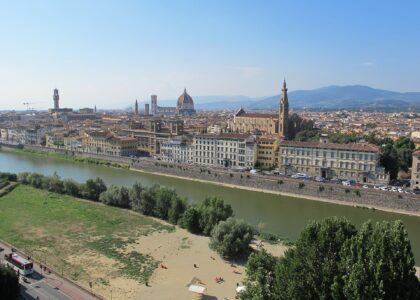
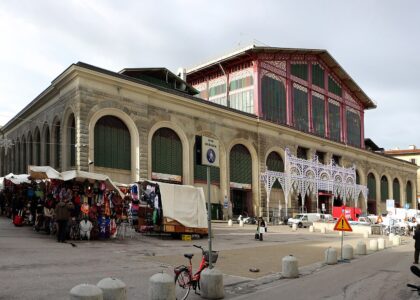
Check in. Free walking tour to orient yourself. Lunch at Mercato Centrale. Afternoon at the Duomo (climb the dome—comfortable in winter). Sunset at Piazzale Michelangelo. Hot chocolate at Caffè Gilli. Dinner.
Day 2: Major Museums
Morning Uffizi (no crowds, allow 4 hours). Lunch at All’Antico Vinaio. Afternoon Accademia + David. Evening: explore Christmas markets if December. Dinner at Trattoria Mario or Cibrèo.
Day 3: Oltrarno and Tuscan Day
Morning at Pitti Palace. Lunch in Oltrarno. Afternoon walking through Santo Spirito and San Frediano. Visit Santa Maria del Carmine for the Brancacci Chapel. Late afternoon at San Miniato al Monte: arrive in time for the view over the city, then stay for the monks’ Gregorian Vespers at 18:30 (free, an extraordinary cultural experience). Dinner.
Day 4: Day Trip
Day trip to Siena (1.5 hours by train) or Bologna (about 40 minutes by high-speed train). Both atmospheric in winter, less crowded. Return for dinner.
Day 5: Final Florence
Visit a smaller museum (Bargello, Medici Chapels, San Marco). Long lunch at a trattoria. Final wandering through historic center. Aperitivo at a heated rooftop bar (La Terrazza, Sesto on Arno) before departure.
Specific Winter Considerations
- Some sites have shorter hours: Opening hours change with the season (the Boboli Gardens, for one, close earlier from November to February), so check each museum’s timetable on its official site before you go.
- Some restaurants close for vacation: Particularly in early January after New Year. Major tourist venues stay open.
- Heating in old buildings: Many Italian buildings (especially historic hotels) use radiators rather than central air. Rooms can be very warm or surprisingly cool. Bring layers.
- Daylight savings ended in October: Sunset is dramatically earlier than during daylight saving time. Plan outdoor activity for morning and early afternoon.
- Indoor activities prioritized: Museums, churches, restaurants, and theaters become natural choices. Outdoor exploration still doable but plan for cold periods.
- Holidays affect schedules: December 25, January 1, and January 6 (Epiphany) are public holidays, and many places close or keep shorter hours.
Florence Winter Pricing
- Hotels: Mid-range rooms drop from summer’s €250-400/night to €120-200/night in winter (especially mid-Nov to mid-March, excluding Christmas/New Year and February’s Pitti Uomo fashion week).
- Flights: Fares to Italy vary by route and travel date, so compare winter dates with summer ones when you search.
- Museum tickets: Same year-round, but you’ll waste no time waiting in line.
- Restaurants: Same prices but easier reservations.
- Day trips: Same prices.
A 5-day Florence trip in winter costs €1,000-€1,500 per person all-in (mid-range comfort), compared to €1,800-€2,500 in summer.
Frequently Asked Questions
Is Florence worth visiting in winter?
Yes. Many seasoned Italy travelers prefer winter visits—lowest crowds, lower prices, atmospheric weather, and a more authentic local feel. The trade-off: cold weather and short days, but winter days average 11–13°C, and nights can bring frost.
Does it snow in Florence?
Rarely, though it does settle on occasion. When it does, the city looks magical for a day. Don’t expect snow, but don’t rule it out.
What’s open in Florence in winter?
Almost everything stays open—museums, churches, restaurants, hotels. Some smaller restaurants take winter vacations (typically early January). Major tourist venues (Uffizi, Accademia, Duomo, Pitti) stay open, though some keep shorter winter hours, so check each timetable on its official site.
How cold is Florence in winter?
Daytime highs average about 11–13°C (52–55°F) from December to February. Nighttime lows average 2–3°C, and frost can occur. Wind can make it feel colder. Manageable with proper winter clothing.
Are Christmas markets in Florence worth visiting?
Yes. The Heidelberg Christmas Market in Piazza Santa Croce (late November to mid-December) is the main one—German-style stalls with mulled wine, sausages, and ornaments. The atmosphere is festive without the intensity of larger European Christmas markets.
What is F-Light?
Florence Light Festival—a two-week December event where artistic light projections are displayed on landmark buildings (Duomo, Palazzo Vecchio, Pitti, Boboli Gardens). The Comune commissions different artists annually. Free to view from outdoor public spaces.
What should I wear in Florence in December?
Warm waterproof coat, sweaters and thermal underwear, long pants, waterproof boots, scarf, hat, gloves. Layers are key—buildings with strong heating contrast with cold outdoor temperatures. Compact umbrella for occasional rain.
Are flights to Florence cheaper in winter?
Often, though fares vary by route and travel date, so compare winter dates with summer ones when you search. The cheapest weeks are mid-January through mid-February (excluding the Pitti Uomo fashion week). Christmas and New Year holiday flights are exception—they’re often expensive.
What’s the Day of the Medici?
February 18 each year, marking Anna Maria Luisa de’ Medici’s death anniversary. All Florence city museums are FREE on this day—Uffizi, Accademia, Pitti, Bargello, San Marco, Palazzo Vecchio. A budget traveler’s dream day if you can plan a trip around it.