This article contains advertising. Booking links on this site can be turned into paid links automatically by our partner Travelpayouts: if you book through one, we earn a commission from the provider, at no extra cost to you. It never affects what we recommend. Affiliate disclosure
Florence vs. Rome—the great Italian travel decision. Both are extraordinary; both reward visits; but they offer completely different experiences. Rome is bigger, louder, more chaotic, with 2,800 years of layered history; Florence is smaller, calmer, more focused on Renaissance art, with a walkable historic center you can master in a few days. This complete guide compares the two cities head-to-head: what each is best for, how to choose between them, and how to combine them in a single trip if you have the time.
You do not have to choose, of course — our Florence and Rome itinerary splits a trip between the two, the Rome to Florence train guide covers the 90-minute hop, and our how many days in Florence guide helps decide how to divide the nights.
If you are choosing between the two cities for Holy Week, the answer is genuinely different in each — Rome has the scale and the liturgies, Florence has one spectacular morning. Our guide to Florence in April makes the Florentine case.
Quick Comparison Table
| Factor | Florence | Rome |
|---|---|---|
| Population | ~380,000 | ~2.8 million |
| Historic center walkability | Excellent (5 km²) | Good but larger (15 km²) |
| Best for Renaissance art | ★★★★★ | ★★★★ |
| Best for ancient ruins | ★★ | ★★★★★ |
| Best for food | Tuscan cuisine, focused | Roman/regional, varied |
| Crowds | Heavy in tourist core | Heavy throughout |
| Pace | Calmer, slower | Energetic, louder |
| Day trips | Tuscany (excellent) | Less compelling |
| Cost | Slightly more expensive | Slightly less expensive |
| Days needed | 3-5 days | 4-6 days |
| Public transport | Walkable, occasional bus | Metro+bus needed |
| Family-friendly | Excellent | Good but more chaotic |
What Each City Is Best For
Florence Excels At
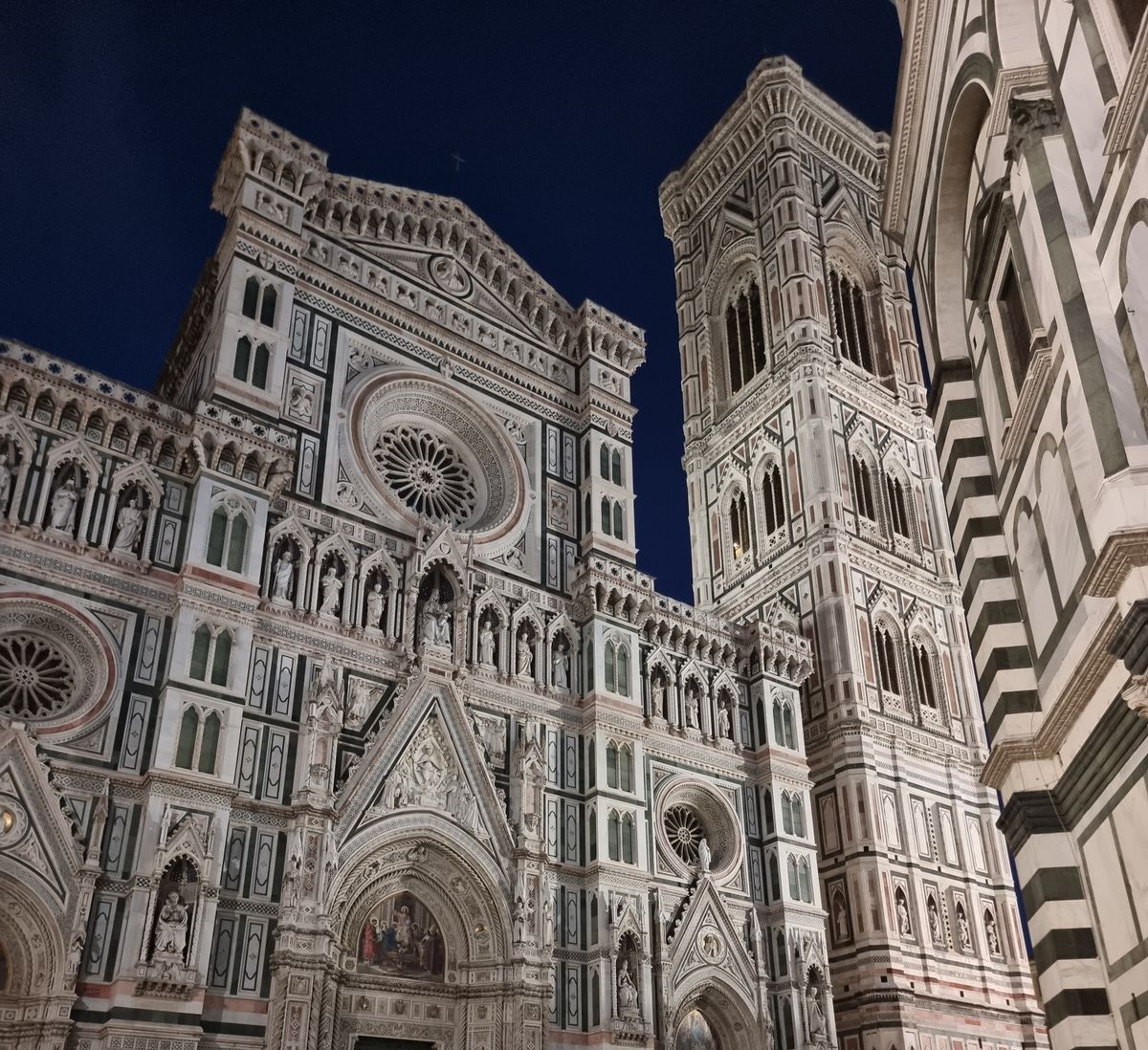
- Renaissance art: Uffizi, Accademia (David), Pitti Palace, Bargello—the world’s greatest Renaissance art collection.
- Walkable historic center: Most attractions within 1 km of each other. Don’t need transport for sightseeing.
- Compact and manageable: Can be “completed” in 4-5 days with good understanding.
- Tuscan day trips: Chianti wineries, Siena, Lucca, San Gimignano, Pisa all within 1-2 hours.
- Quality over quantity: Every restaurant, museum, and shop is curated for excellence.
- Calmer pace: Less hectic; better for thoughtful exploration.
- Artisan culture: Leather, paper, ceramics workshops still operating in the historic center.
- Romantic atmosphere: Historic alleys, Arno reflections, sunset spots.
Rome Excels At
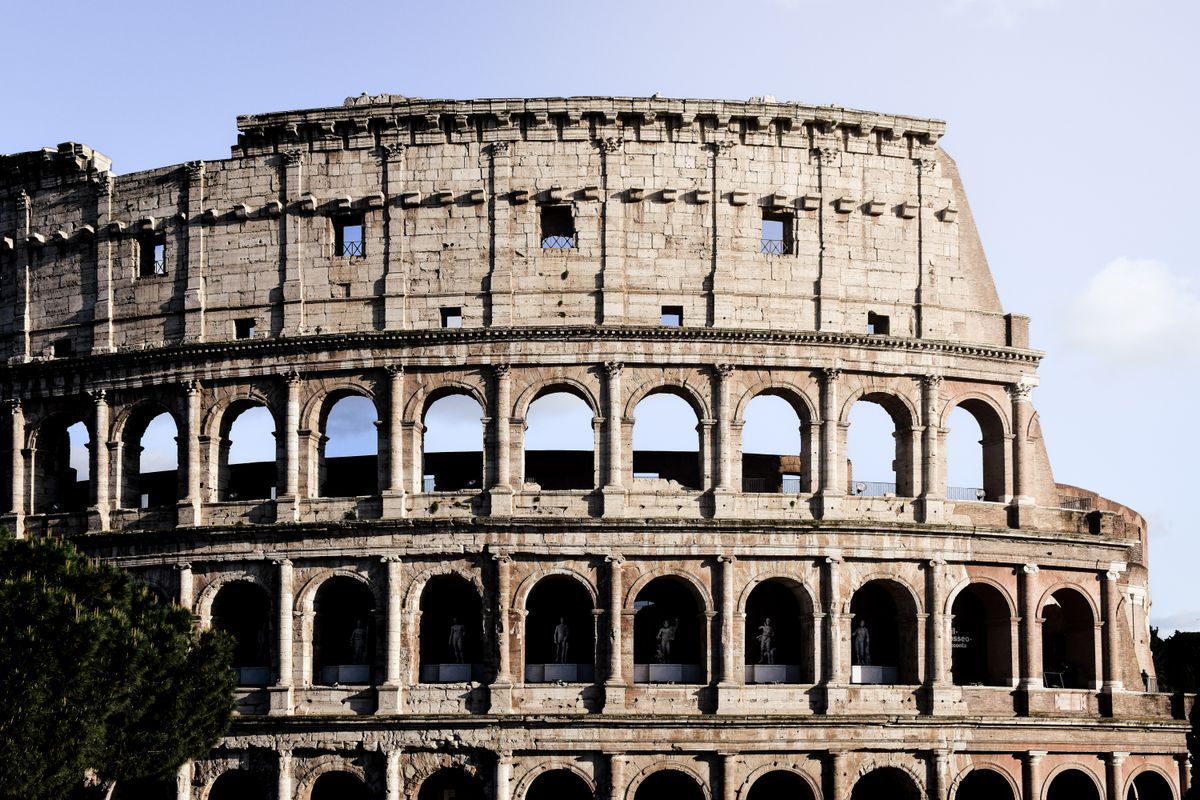
- Ancient Roman ruins: Colosseum, Roman Forum, Palatine Hill, Pantheon. Nothing else like them anywhere.
- Vatican experience: St. Peter’s Basilica, Sistine Chapel, Vatican Museums—a complete day’s experience.
- Layered history: Walking past 2,800 years of Roman, medieval, Renaissance, Baroque, modern.
- Roman cuisine: Carbonara, cacio e pepe, amatriciana—the Roman classics.
- Variety of neighborhoods: Trastevere, Monti, Testaccio, Pigneto—each with distinct character.
- Larger restaurant/bar scene: More options, more competition, more variety.
- Better Italian airports: Fiumicino is the country’s main international gateway.
- Good base for southern Italy day trips: Naples, Pompeii, the Amalfi Coast accessible.
The Decision Framework
Choose Florence if:
- Renaissance art is your primary interest.
- You prefer a smaller, more manageable city.
- You like to walk everywhere.
- You’re a foodie focused on Tuscan cuisine.
- You want easy day trips to Tuscan countryside.
- You travel with children who get tired easily.
- You want a more peaceful, less chaotic Italy experience.
- You have 4-6 days for one city.
Choose Rome if:
- Ancient history is your primary interest.
- You want to see the Vatican.
- You enjoy bigger, more varied cities.
- You want diverse neighborhoods to explore.
- You’re a foodie wanting Roman cuisine.
- You’re using Rome as a base for southern Italy trips.
- You’re comfortable with crowds and traffic.
- You have 5-7 days for one city.
Combining Florence and Rome
If you have 8+ days, combining Florence and Rome is straightforward and rewarding. The two cities are linked by high-speed train (1 hour 30 minutes Florence to Rome, €40-90 depending on class and how early you book).
Suggested 10-Day Florence + Rome Itinerary
- Day 1-4: Florence. Day 1 arrival + walking tour. Day 2 Uffizi + Renaissance walking. Day 3 Tuscan day trip (Siena or Chianti). Day 4 Accademia + dome climb + sunset.
- Day 5: Travel + Arrival in Rome. Train Florence to Rome (1.5 hours). Afternoon in Rome’s historic center.
- Day 6-9: Rome. Day 6 Colosseum + Roman Forum + Palatine Hill. Day 7 Vatican (Sistine + St. Peter’s). Day 8 historic center (Pantheon, Trevi, Spanish Steps, Piazza Navona). Day 9 Trastevere + neighborhood exploration.
- Day 10: Departure—from Rome (FCO) typically.
Many travelers fly into Florence and out of Rome (or vice versa)—open-jaw flights save the backtrack. See our Florence + Rome itinerary guide for more.
Florence vs. Rome: By Activity
For Art Lovers
Florence wins for Renaissance art (Uffizi, Accademia, Pitti, Bargello, Medici Chapels). Rome wins for ancient art (Vatican Museums, Capitoline Museums, Centrale Montemartini). For both Renaissance and ancient, allocate at least 4 days each.
For History Buffs
Rome wins decisively for ancient history (the Colosseum, Forum, Pantheon are unmatched). Florence wins for Renaissance political and family history (the Medici, Republican Florence, the development of capitalism).
For Foodies
Both excellent. Florence for Tuscan cuisine—bistecca alla fiorentina, ribollita, lampredotto, pappa al pomodoro. Rome for Roman cuisine—carbonara, cacio e pepe, amatriciana, supplì, pasta with offal. Different traditions; both worth experiencing.
For Wine Drinkers
Florence wins—it’s the gateway to Tuscany and its wine country (Chianti, Brunello, Montepulciano). Rome has good wines but isn’t located near the major Italian wine regions.
For Romance
Florence wins for atmosphere—smaller, quieter, with iconic sunset spots, the Arno, intimate trattorias. Rome can be romantic but more chaotic. For honeymoons specifically, Florence often takes precedence.
For Families
Florence is more family-manageable (smaller distances, less chaos, calmer pace). Rome has more variety for older children and teenagers (Colosseum, gladiator schools, more activities).
For Solo Travelers
Florence is generally easier for solo travelers (smaller, safer, more walkable). Rome is also great for solo travelers but requires more navigation.
Practical Comparison
Cost
Florence is slightly more expensive overall—hotel rates and restaurant costs are 5-15% higher than Rome on average. Both are cheaper than Venice. Daily budgets:
- Backpacker: €60-90/day in either city.
- Mid-range: €100-180/day in either city.
- Comfortable: €180-300/day in either city.
- Luxury: €300-500+/day in either city.
Crowds
Both cities are crowded year-round. Rome has more sites to disperse crowds; Florence’s small center can feel more concentrated. Both have similar peak season patterns (April-October peak; July-August worst).
Public Transport
Florence: largely walkable, occasional bus or tram needed. A single ticket is €2.00 and valid for 90 minutes.
Rome: needs metro and bus regularly. Tickets €1.50/single, €7/24h, €18/72h. Distances make walking-only impractical.
Airport Access
Florence: Peretola (small, mostly European routes) or Pisa (1 hour by train). Rome: Fiumicino (FCO, major international hub) or Ciampino (budget airlines).
Climate
Similar Mediterranean climate. Florence slightly cooler in winter (cold but not freezing); Rome slightly warmer year-round. Both hot in summer; Florence’s valley location traps heat more.
Day Trip Comparison
From Florence (Best Day Trips)
- Chianti wine country (1 hour by car, day tour)
- Siena (1.5 hours by train)
- San Gimignano (2 hours by bus)
- Lucca (1.5 hours by train)
- Pisa (1 hour by train)
- Cinque Terre (3 hours, ambitious)
- Bologna (35 minutes by high-speed train)
- Val d’Orcia/Pienza (2 hours by car)
From Rome (Best Day Trips)
- Tivoli (Hadrian’s Villa, Villa d’Este)
- Ostia Antica (1 hour by train, Roman ruins)
- Pompeii (3 hours by train, ambitious)
- Naples (1.25 hours by high-speed train)
- Florence (1.5 hours by high-speed train)
- Castelli Romani wine villages
Florence has more compelling day trip options (Tuscan towns, wine countries) than Rome’s Lazio surroundings.
Frequently Asked Questions
Should I visit Florence or Rome first?
Most travelers prefer to start with Florence (smaller, calmer, easier orientation) and then move to Rome. The reverse works too, especially if Rome’s energy then feels more digestible after building up appreciation for Italian art.
Is Florence cheaper than Rome?
Slightly more expensive overall in 2026. Florence hotel rates and restaurant costs are 5-15% higher than Rome’s on average, particularly in the historic center. Both are cheaper than Venice.
How long does it take to get from Florence to Rome?
1.5 hours by high-speed train (Frecciarossa or Italo). Tickets €40-90 depending on class and how early you book. Direct service every 30-60 minutes from Florence Santa Maria Novella to Rome Termini.
Which city is better for first-time visitors to Italy?
Both are excellent for first-time visitors. Florence is gentler—smaller, calmer, easier to navigate. Rome is more comprehensive—you can experience more of Italy’s variety and history. Many first-time visitors do both, splitting time roughly evenly.
Which has more crowds?
Both extremely crowded year-round. Florence’s smaller center concentrates crowds more visibly; Rome has more space to disperse them. Peak season (June-September) is uncomfortably crowded in both.
How many days do I need in each?
Florence: 3-5 days (4 ideal). Rome: 4-7 days (5-6 ideal for the highlights). The Colosseum/Forum/Vatican alone take 1-2 days; Rome’s other neighborhoods deserve another 2-3.
Is Florence safer than Rome?
Yes, slightly. Both are safe by international standards, but Florence has lower crime rates and a smaller, more contained tourist area. Standard urban precautions apply in both. Rome has more famous pickpocket areas (around the train station, in the metro).
Can I visit both in 5 days?
Tight but doable. 2 days Florence, half-day train, 2.5 days Rome. You’ll cover only highlights, and you’ll be exhausted. 7-10 days is more comfortable for combining the two cities.