This article contains advertising. Booking links on this site can be turned into paid links automatically by our partner Travelpayouts: if you book through one, we earn a commission from the provider, at no extra cost to you. It never affects what we recommend. Affiliate disclosure
Florence Food Tours: Which Ones Are Worth the Money
A Florence food tour costs between €55 and €99 a head, and the gap between the best and the worst of them is enormous — not in price, but in whether you finish the afternoon knowing something about Tuscan food or merely full. Some are genuinely the best three hours you will spend here. Others are a guided walk to four places you would have found yourself, with a plastic cup of Chianti at each. Here is how to tell them apart before you pay.
If you would rather eat without a guide, our Florence food guide and street food guide cover the same ground for free; Florence tours and tickets weighs food tours against everything else you might book.
The Five Kinds of Food Tour
Almost every food experience sold in Florence falls into one of five categories, and knowing which one you are looking at is most of the work. The listings deliberately blur them — a two-hour market walk and a six-hour Chianti day are both filed under “food tour” on the same page.
| Type | Length | Typical price | Best for |
|---|---|---|---|
| Market walk | 2–3 hours | €55–75 | First-timers, morning people |
| Oltrarno evening crawl | 3–4 hours | €70–99 | Second-time visitors, drinkers |
| Wine and cheese tasting | 1.5–2 hours | €45–80 | Rainy afternoons, focused learning |
| Cooking class | 3–5 hours | €60–90 | Anyone who wants to take something home |
| Full-day Chianti food and wine | 8–10 hours | €90–140 | Trips of four days or more |
The single most useful question to ask of any listing is: how many stops, and how much food at each? A three-hour tour with four proper tastings is a meal and a lesson. A three-hour tour with eight “tastings” is a walk punctuated by mouthfuls, and you will be hungry at the end of it and unable to remember which shop was which.
What They Cost
The honest range for a group food tour in Florence is €55 to €99 per person. Below fifty-five you are usually buying a very short walk or a very thin one; above a hundred you are into private territory or a full-day excursion.
What that money is actually paying for, roughly: a third goes on the food and drink, a third on the guide, and a third on the platform commission and the operator’s margin. That ratio matters because it tells you where the savings come from when a tour is cheap. Nobody cuts the platform’s cut. They cut the food.

A tour at €65 with five real tastings and a glass of wine is good value. The same €65 for eight micro-tastes and a guide reading from a script is not, and the giveaway is usually the itinerary length — operators list a lot of stops because it looks generous on a listing page, not because eight stops in three hours is a good way to eat.
Market Walks
The standard Florence food tour is a morning walk around one or both of the city’s produce markets, tasting as you go. It is the most common format and, for a first visit, usually the right one.
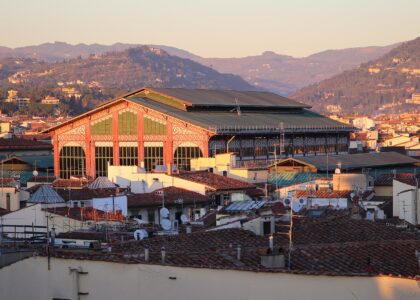
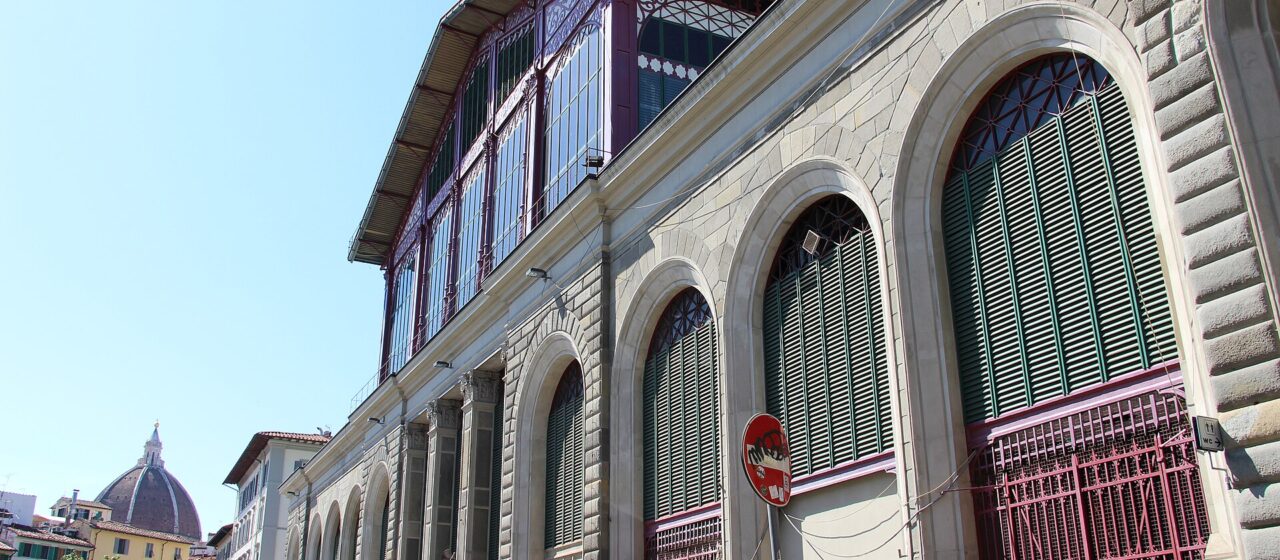
The two markets are quite different animals. The Mercato Centrale is the big nineteenth-century iron hall by San Lorenzo: butchers, fishmongers, cheese and pasta on the ground floor, and a busy modern food court upstairs that opened in 2014 and now draws more visitors than the market beneath it. The Mercato di Sant’Ambrogio, ten minutes east, is smaller, scruffier and far more Florentine — a working neighbourhood market where the trade is still mostly people buying dinner.
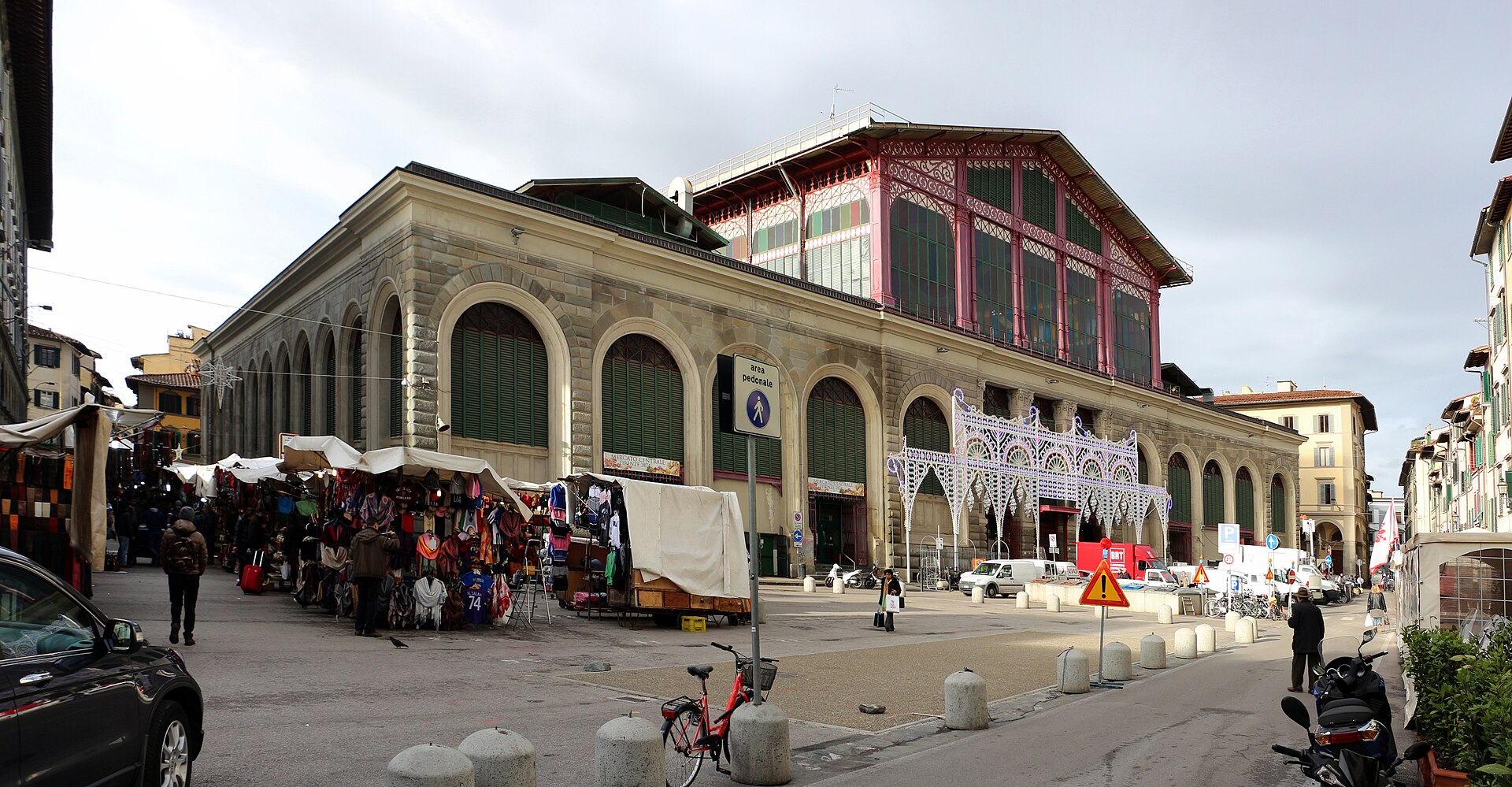
Worth it if the tour includes Sant’Ambrogio. A market walk that only does the Mercato Centrale is walking you round a building you could walk round yourself in fifteen minutes, and the upstairs food court is a shopping-centre experience with better ingredients. If the listing mentions Sant’Ambrogio, or the Oltrarno, or anywhere outside the obvious centre, the operator is thinking about the food rather than the footfall.
The best of these tours are effectively lessons in Tuscan ingredients: why the bread is unsalted, what makes a pecorino a pecorino, what actually goes into finocchiona, why Tuscans eat the parts of the animal other regions throw away. That is knowledge you carry into every meal for the rest of the trip, and it is the real return on the sixty-five euros.
Oltrarno Evening Crawls
The evening format crosses the river into the Oltrarno and works through four or five bars and small restaurants: crostini, a wine flight, a plate of salumi, something fried, a gelato at the end. Three to four hours, usually starting around six.
These are the best food tours in Florence when they are good, because the Oltrarno is where Florentines actually eat and the format lets a guide show you places you would walk past. They are also the ones most likely to disappoint, because “evening food and wine crawl” is exactly the shape of tour that can be run cheaply through four bars on the same square.
Ask one question before booking: does the tour cross the river? A great many “Oltrarno” tours spend most of their time on the north bank and cross Ponte Vecchio at the end for a photograph. If the itinerary names Santo Spirito, San Frediano or Piazza della Passera, it is the real thing.
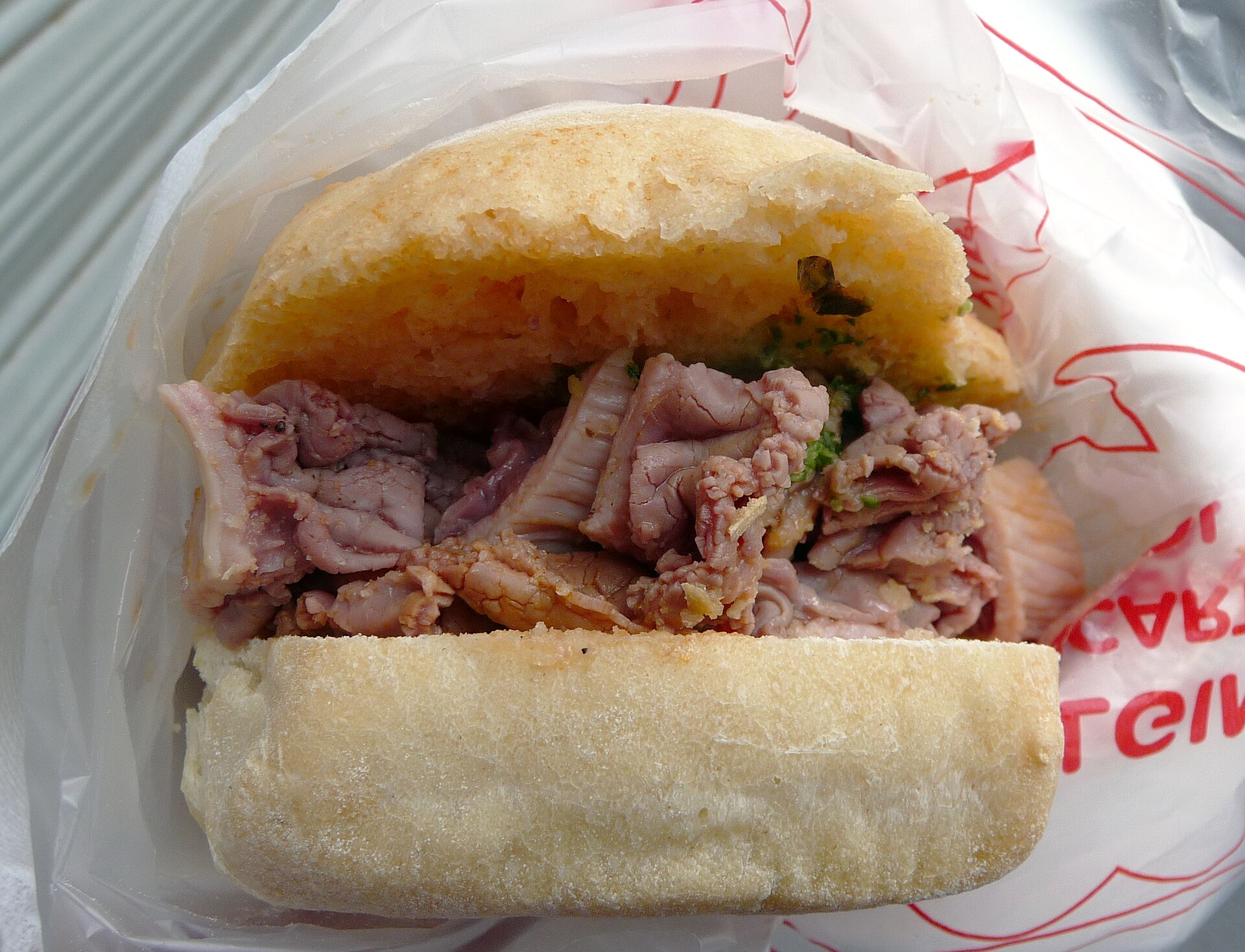
Most evening tours include a lampredotto stop — our guide to lampredotto explains what you are about to be handed.
One honest caution. If you do not drink, an evening crawl is poor value — a substantial part of what you are paying for is four or five glasses of wine, and operators rarely discount for it. A market walk or a cooking class is the better use of the money.
Wine, Cheese and Olive Oil Tastings
Shorter and cheaper: ninety minutes to two hours, sitting down, usually in a cellar or a shop back room, at €45 to €80. A sommelier or the owner takes you through five or six wines with cheese and salumi alongside, or through a comparative olive oil tasting that is far more interesting than it sounds.
This is the format nobody thinks of and it is often the best value on the list, for three reasons. You are sitting down. It works in any weather, which matters more in Florence than people expect — see our rainy day guide. And because the group is small and stationary, you can actually ask questions, which is the thing a walking tour of eight stops makes impossible.
The olive oil tastings in particular are worth seeking out. Most visitors have never tasted a genuinely fresh oil against a supermarket one, and the difference is startling. Our page on buying Tuscan wine and olive oil covers what to do with that knowledge afterwards, which is mostly about not paying airport prices.
Cooking Classes
A hands-on class at an established school runs €60 to €90 per person for three to five hours: usually fresh pasta, a sauce, sometimes tiramisu, then you eat what you made with wine.
The critical distinction is hands-on versus demonstration, and the listings obscure it deliberately. Classes advertised at €31 to €55 on the big aggregator platforms are very frequently demonstrations — you watch someone make pasta, then eat it. That is a lunch with commentary, and it is fine if that is what you wanted, but it is not a cooking class and you will not be able to do it again at home.
Private bundles, typically around €150 per person, add a market shop with the chef beforehand. Whether that is worth double depends entirely on whether you would otherwise do a market tour, because it is essentially both in one. Our dedicated page on cooking classes in Florence goes through the schools and the formats.
Full-Day Food and Wine Trips
The eight-to-ten-hour version leaves Florence for Chianti or the Val d’Orcia, takes in two or three wineries with a long lunch, and returns at dusk. Small-group trips run €90 to €140 per person.
These are a different proposition from a food tour and should be judged as a day out rather than a meal. The wine is usually good, the lunch is usually the best food of the day, and the countryside is genuinely the point — it is the reason Tuscany looks the way it does in everybody’s imagination. Our guides to Tuscany wine tours and the Chianti day trip cover the operators and routes in detail.
Do not book one on a three-day trip. A full day out of Florence when you have three of them is a quarter of your city time spent on a coach, and Florence is not a place you have finished with after two days. On a five-day trip it is one of the best things you can do.
How to Judge a Tour Before You Book
Four things to check on the listing page, in order of how much they tell you.
- Group size. Twelve is the ceiling for a food tour. Beyond that the guide is managing a crowd rather than talking to you, and small producers cannot physically serve you. Anything advertising “up to 25” is a walking tour with snacks.
- Named venues. Good operators name the places they take you to, because those relationships are what they are selling. Vague listings — “a traditional trattoria”, “a family-run wine bar” — usually mean whoever has space.
- Stops versus hours. One substantial stop per forty-five minutes is a good ratio. Eight stops in three hours is a route march.
- What is included in the price. “Tastings” can mean a full plate or a single crostino. If wine is included, how many glasses? Operators who are confident say.
One more signal, from the other direction: a tour that tells you what it does not do — “this is not a lunch”, “we do not visit the Mercato Centrale” — is almost always run by someone who cares. Operators who are confident in what they sell are comfortable narrowing it.
The Do-It-Yourself Version
Because this site is meant to be honest: you can replicate most of a €65 market tour for about €25, and if money is tight you should.
Start at Sant’Ambrogio at nine in the morning, when it is busy with people who live there. Buy a hundred grams of finocchiona, a wedge of pecorino and some bread. Walk to a lampredotto cart and have a panino with salsa verde and hot sauce. Cross to the Oltrarno for a glass of wine standing at a bar counter, which is how it is done and costs about four euros. Finish with a gelato from somewhere with dull, natural colours rather than mounded neon.
What you lose is the guide, and that is a real loss — the explanations are the part you cannot buy at a counter. What you gain is three hours of your own schedule and forty euros. Our Florence markets guide, traditional Florentine food and best gelato pages effectively write the itinerary for you, and Italian dining etiquette covers the counter conventions that make ordering feel less like an exam.
Practicalities: Diets, Groups, Timing
Vegetarians can do well on a Florence food tour, but tell the operator when you book, not on the day. Tuscan cooking is more vegetable-led than its reputation — ribollita, panzanella, pappa al pomodoro are all peasant vegetable dishes — but the standard tasting route runs heavily through cured pork. A good operator swaps things out. A bad one hands you bread.
Vegans and coeliacs should expect a genuinely reduced experience on a market or crawl tour and should consider a cooking class instead, where the menu is built rather than fixed. Say so at booking; several schools handle it well with notice and none can handle it with none.
Timing. Morning market tours start between 09:00 and 10:30 and finish around lunch, which means the rest of the day is intact. Evening crawls start 18:00 to 19:00 and finish late enough to be your dinner — do not book a restaurant table afterwards, a mistake people make constantly.
Tipping. Not obligatory and not expected in the American sense. Five to ten euros per person for a guide who was genuinely good is generous and gratefully received; nothing at all is not an insult. See tipping in Florence for the wider picture.
Booking window. Two to three days ahead is usually enough outside July and August; a week for a specific small-group operator in high season. Cooking classes need longer — the good schools run one or two sessions a day with a dozen places.
Frequently Asked Questions
How much does a Florence food tour cost?
€55 to €99 per person for a group tour of two to four hours. Sit-down wine and cheese tastings run €45–80, hands-on cooking classes €60–90, and full-day Chianti food and wine trips €90–140.
Is a Florence food tour worth it?
A good one, yes — the ingredient knowledge improves every meal for the rest of your trip. A large-group tour of eight quick stops is not; you can do the same walk yourself for about €25. Group size and named venues are the two signals that separate them.
Will a food tour replace lunch or dinner?
An evening crawl of three or four hours will comfortably be your dinner — do not book a table afterwards. A two-hour morning market walk usually will not, and you should plan a proper lunch after it.
What is the difference between a hands-on and a demonstration cooking class?
In a hands-on class you make your own pasta with your own hands; in a demonstration you watch and then eat. Aggregator listings at €31–55 are very often demonstrations. Ask directly whether each participant makes their own, and expect €60–90 for a real one.
Can vegetarians do a Florence food tour?
Yes, with notice at the time of booking. Tuscan cooking has a deep vegetable repertoire — ribollita, panzanella, pappa al pomodoro — but the default tasting route leans heavily on cured pork. Vegans and coeliacs will generally do better on a cooking class than a walking tour.
Which market is better for a food tour?
Sant’Ambrogio, comfortably. It is smaller, still genuinely used by residents, and a tour that includes it is signalling that it cares about the food rather than the footfall. The Mercato Centrale is worth seeing but you can walk round it yourself in fifteen minutes.
How far ahead should I book?
Two or three days is usually enough outside July and August, and a week in high season for a specific small-group operator. Cooking classes need the longest lead time because the good schools run only one or two sessions a day.
Where to Go From Here
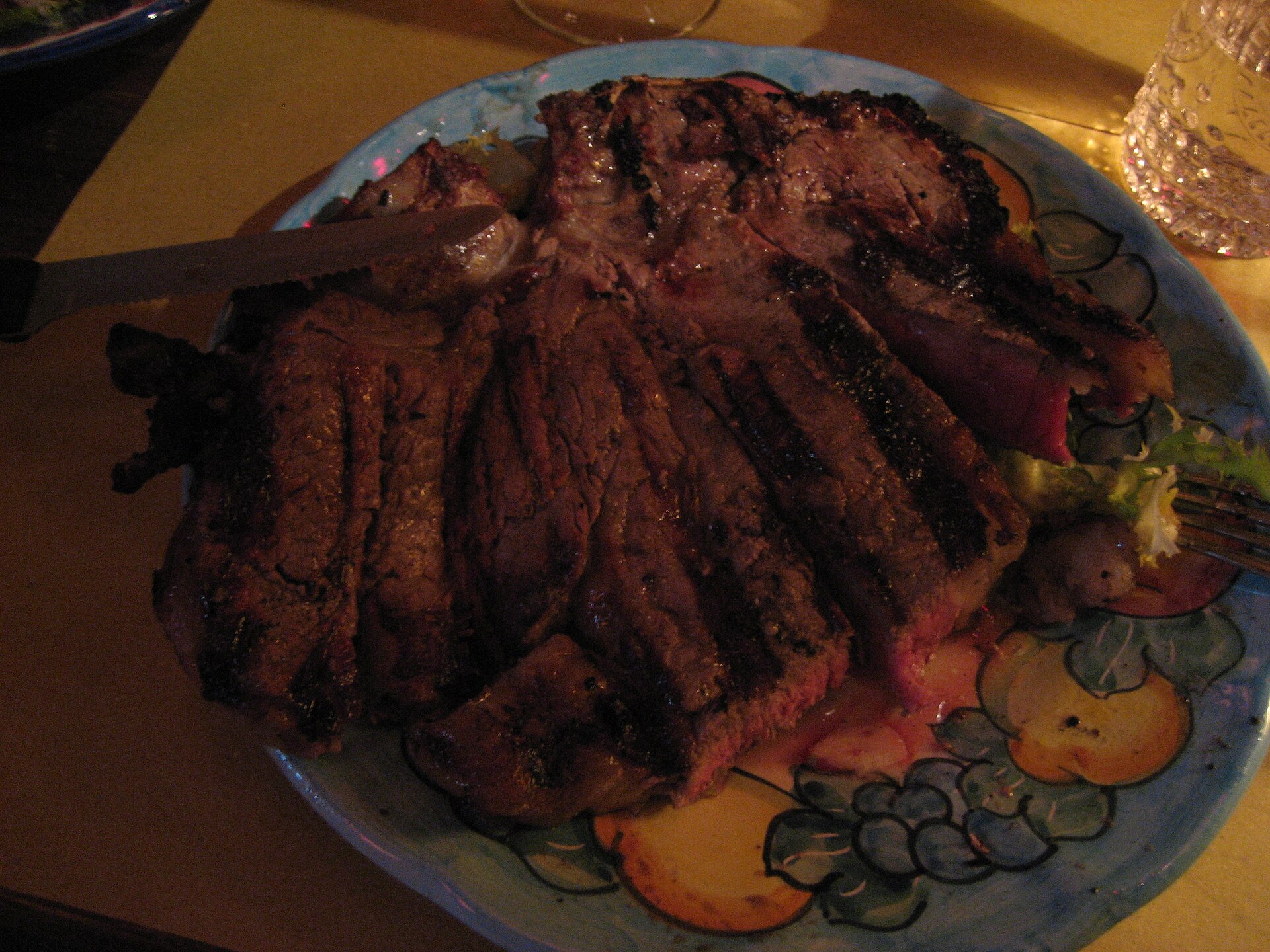
If you decide against a tour, the Florence food guide and best restaurants pages will get you eating well on your own, and wine bars and aperitivo cover the drinking half. For the dishes themselves, bistecca alla fiorentina is the one worth reading before you order.
If you decide for one, cooking classes and Tuscany wine tours go deeper on those two formats, and Florence tours and tickets is the honest overview of everything else competing for the same budget.